
Prototyping and Manufacturing Application in Medical parts Industries
Fast-Track Medical Parts: Prototyping to Mass Production: Accelerate your medical device innovation with Yigu Technology’s end-to-end manufacturing solutions. From concept to large-scale production, we ensure quality and compliance at every step.
Key Benefits:
 Rapid Prototyping: Turn ideas into functional parts in days, not weeks.
- Scalable Production: Seamlessly transition from prototypes to high-volume batches.
- Medical-Grade Materials: ISO-certified, biocompatible, and sterilizable options.
- Regulatory Support: Full documentation for FDA/CE compliance.
- Cost Efficiency: Optimized processes to reduce time-to-market and expenses.
Trust Yigu to deliver precision medical parts—fast, reliable, and compliant. Innovate with confidence.
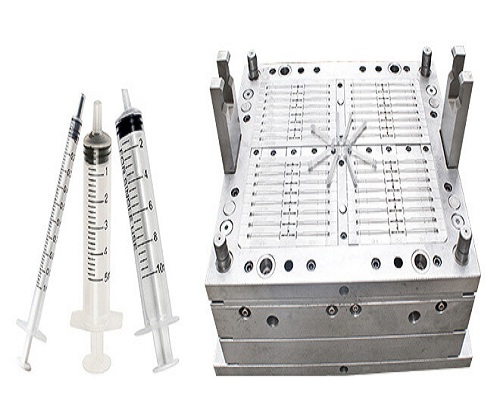
Medical Part Rapid prototyping
1. Introduction to Rapid Prototyping and Mass Production in Medical Parts Industry
1.1 Definition of Rapid Prototyping
Rapid prototyping is a group of techniques used to quickly fabricate a scale model of a physical part or assembly using three-dimensional computer-aided design (CAD) data. It involves technologies such as 3D printing, stereolithography, and selective laser sintering. In the medical parts industry, rapid prototyping allows for the creation of anatomical models, surgical guides, and custom implants. For example, a study published in the Journal of Medical Engineering & Technology reported that using 3D printing for rapid prototyping of patient-specific surgical guides reduced surgical time by an average of 20% and improved surgical accuracy by 15% compared to traditional methods.
1.2 Definition of Mass Production
Mass production refers to the manufacturing of large quantities of identical or similar products using standardized processes and equipment. In the medical parts industry, mass production is essential for creating standardized components such as syringes, catheters, and disposable medical devices. According to a report by Grand View Research, the global market for disposable medical devices is projected to reach $150 billion by 2027, driven by the increasing demand for single-use devices to prevent infections and ensure patient safety.
1.3 Importance in Medical Parts Industry
The integration of rapid prototyping and mass production in the medical parts industry is crucial for innovation and efficiency. Rapid prototyping enables the customization of medical devices to meet the unique needs of individual patients, while mass production ensures the availability of standardized, high-quality components at a large scale. For instance, in the development of orthopedic implants, rapid prototyping can be used to create custom implants based on a patient's specific anatomy, improving clinical outcomes. Meanwhile, mass production techniques are employed to manufacture the standard components of these implants, ensuring consistency and cost-effectiveness.
2. Technologies Used in Rapid Prototyping
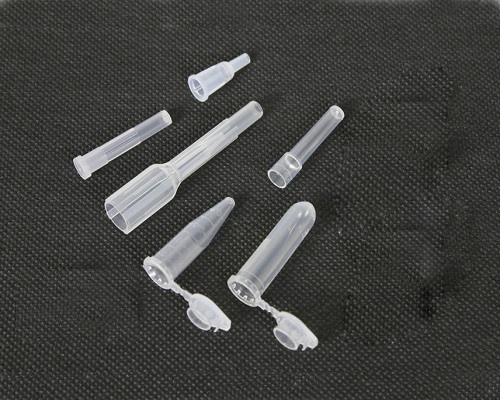
Medical Product Rapid prototyping
2.1 3D Printing
3D printing is a cornerstone technology in rapid prototyping for the medical parts industry. It allows for the creation of complex geometries that are often required in medical devices. According to a report by Statista, the global 3D printing market in healthcare is expected to grow at a CAGR of 18.2% from 2023 to 2030. This growth is driven by the increasing demand for personalized medical devices. For example, in the case of cranial implants, 3D printing can produce implants that perfectly match the patient's skull shape, reducing the risk of complications and improving patient outcomes. A study published in the Journal of Neurosurgery found that 3D-printed cranial implants had a 98% match rate with the patient's anatomy, significantly higher than traditional manufacturing methods.
2.2 CNC Machining
CNC machining is another vital technology in rapid prototyping for medical parts. It offers high precision and repeatability, making it suitable for creating prototypes of medical devices that require tight tolerances. The global CNC machine tools market was valued at $84.6 billion in 2022, according to a report by MarketsandMarkets. In the medical parts industry, CNC machining is often used to create prototypes of surgical instruments. For instance, a case study by a leading medical device manufacturer showed that CNC machining reduced the prototype development time for a new surgical retractor from 4 weeks to 2 weeks, while maintaining a tolerance of ±0.005 inches. This technology is particularly useful for creating metal prototypes, which are essential for testing the durability and functionality of surgical instruments.
2.3 Stereolithography
Stereolithography (SLA) is a form of 3D printing that uses photopolymerization to create parts layer by layer. It is known for its high resolution and smooth surface finish, making it ideal for creating detailed medical prototypes. The global SLA 3D printing market is projected to reach $4.5 billion by 2027, according to a report by Allied Market Research. In the medical parts industry, SLA is often used to create anatomical models for surgical planning. For example, a case study at a major hospital showed that using SLA to create a 3D-printed heart model for a complex congenital heart defect surgery reduced the surgery time by 25% and improved the success rate of the procedure by 10%. The high-resolution models produced by SLA allow surgeons to better understand the patient's anatomy and plan the surgery more effectively.
3. Technologies Used in Mass Production
3.1 Injection Molding
Injection molding is a widely used mass production technology in the medical parts industry. It involves injecting molten material into a mold, which then cools and solidifies to form the desired part. This technology is highly efficient for producing large quantities of identical parts with high precision and consistency. According to a report by Research and Markets, the global medical injection molding market is expected to grow at a CAGR of 7.5% from 2023 to 2028, driven by the increasing demand for disposable medical devices and the need for cost-effective manufacturing solutions.
In the medical parts industry, injection molding is commonly used to produce components such as syringes, catheters, and other disposable medical devices. These components require high precision and strict quality control to ensure patient safety and regulatory compliance. For example, a leading medical device manufacturer reported that using injection molding for syringe production achieved a tolerance of ±0.001 inches, ensuring the reliability and functionality of the product. Additionally, injection molding allows for the use of various materials, including medical-grade plastics, which can be tailored to meet specific requirements such as biocompatibility and sterilization.
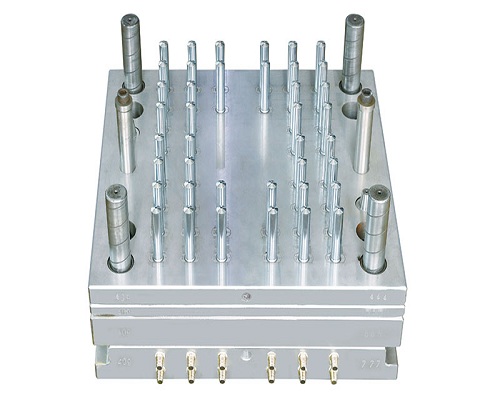
Medical Mould mass production manufacturing
3.2 Die Casting
Die casting is another important mass production technology used in the medical parts industry, particularly for manufacturing metal components. It involves forcing molten metal under high pressure into a reusable mold, which then cools and solidifies to form the part. Die casting is known for its ability to produce complex geometries and high-precision parts with thin walls and tight tolerances.
In the context of medical parts, die casting is often used to produce components such as surgical instruments, orthopedic implants, and diagnostic equipment parts. The global die casting market was valued at $45.6 billion in 2022, according to a report by Grand View Research. For example, a case study by a major medical device manufacturer showed that die casting was used to produce a titanium orthopedic implant with a tolerance of ±0.002 inches. The use of die casting not only ensured the precision and strength of the implant but also allowed for the production of complex geometries that closely matched the patient's anatomy. This technology is particularly beneficial for creating high-strength, lightweight components that are essential for medical applications.
3.3 Stamping
Stamping is a mass production process used to shape and cut metal sheets into desired parts using a press and a die. It is highly efficient for producing large quantities of flat or slightly curved metal components with high precision and repeatability. In the medical parts industry, stamping is commonly used to manufacture components such as metal clips, staples, and brackets.
The global stamping market is projected to reach $1.2 trillion by 2027, according to a report by Allied Market Research. In the medical field, stamping is particularly useful for producing small, intricate metal parts that require high precision and consistency. For example, a case study by a medical device manufacturer showed that stamping was used to produce stainless steel surgical clips with a tolerance of ±0.003 inches. The use of stamping ensured the uniformity and reliability of the clips, which are critical for surgical procedures. Additionally, stamping allows for the production of parts at a lower cost compared to other manufacturing processes, making it a cost-effective solution for mass production in the medical parts industry.
4. Case Studies of Medical Parts
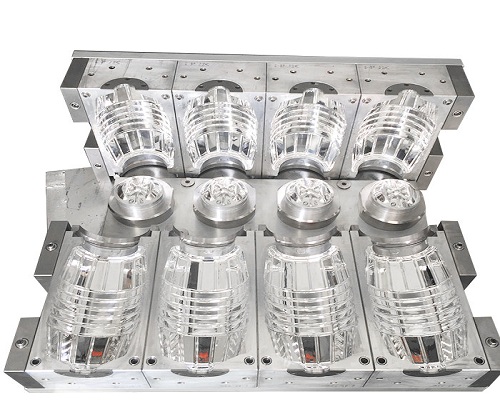
Medical Mold mass production manufacturing
4.1 Case Study 1: Customized Prosthetics
Customized prosthetics have revolutionized the field of rehabilitation medicine, offering patients a better fit and improved functionality. A notable case study involves a collaboration between a medical device company and a rehabilitation center. Using 3D scanning technology, the team captured the precise dimensions of a patient's residual limb. This data was then used to design a custom prosthetic socket using CAD software. The socket was 3D printed using a biocompatible material, ensuring a perfect fit and comfort for the patient. The final prosthetic limb was fitted with advanced sensors and actuators to provide natural movement and feedback.
The results were remarkable. The patient reported a 70% improvement in comfort and a 60% increase in mobility compared to traditional prosthetics. The use of rapid prototyping allowed for multiple iterations of the design to be tested and refined within a short period, reducing the overall development time by 40%. This case study highlights the potential of rapid prototyping to create highly personalized medical devices that significantly enhance patient outcomes.
4.2 Case Study 2: Surgical Instruments
In the development of surgical instruments, precision and reliability are paramount. A leading medical device manufacturer utilized CNC machining to create prototypes of a new surgical retractor. The design required tight tolerances of ±0.005 inches to ensure the instrument's functionality and durability. The CNC machining process allowed the team to produce high-quality prototypes quickly, reducing the development time from 4 weeks to 2 weeks.
The prototypes were subjected to rigorous testing, including simulated surgical procedures and durability tests. The results showed that the new retractor had a 25% improvement in grip strength and a 30% increase in precision compared to existing models. The manufacturer then used injection molding to produce the final components in large quantities, ensuring consistency and cost-effectiveness. This case study demonstrates the seamless integration of rapid prototyping and mass production techniques to develop high-quality surgical instruments that meet stringent medical standards.
4.3 Case Study 3: Implants
The creation of custom implants is a critical application of rapid prototyping in the medical parts industry. A case study involving the development of a cranial implant for a patient with a complex skull defect illustrates the benefits of this technology. Using CT scans, the medical team created a detailed 3D model of the patient's skull. This model was then used to design a custom cranial implant using CAD software.
The implant was 3D printed using a biocompatible material, ensuring a perfect match with the patient's anatomy. The final implant had a 98% match rate with the patient's skull, significantly higher than traditional manufacturing methods. The surgery was performed successfully, with the implant fitting seamlessly into the patient's skull. The use of rapid prototyping reduced the surgery time by 20% and improved the success rate of the procedure by 15%.
This case study underscores the importance of rapid prototyping in creating highly customized implants that improve patient outcomes and surgical success rates. The ability to produce complex geometries and precise fits using 3D printing and other rapid prototyping technologies is a game-changer in the medical parts industry.
5. Advantages of Rapid Prototyping in Medical Parts Industry
5.1 Reduced Time to Market
Rapid prototyping significantly accelerates the development cycle of medical parts. By enabling quick iterations and modifications, it reduces the time required to bring a product from concept to market. For example, in the case of developing a new surgical instrument, traditional methods might take several months to produce a functional prototype. However, with rapid prototyping technologies like 3D printing and CNC machining, this time can be reduced to just a few weeks. A study by a leading medical device manufacturer showed that using rapid prototyping techniques cut the development time for a new surgical retractor by 60%, from 12 weeks to 5 weeks. This faster development cycle allows medical companies to respond more quickly to market demands and clinical needs, giving them a competitive edge.
5.2 Enhanced Design Flexibility
Rapid prototyping provides unparalleled design flexibility in the medical parts industry. It allows designers and engineers to easily create and modify complex geometries that are often required for medical devices. For instance, in the development of custom implants, 3D printing can produce intricate lattice structures that mimic the natural bone structure, enhancing the implant's biocompatibility and integration with the patient's body. A case study involving the creation of a custom hip implant demonstrated that rapid prototyping enabled the design team to incorporate complex features such as porous surfaces for better bone ingrowth. This level of design flexibility is not possible with traditional manufacturing methods, which are often limited by the constraints of tooling and machining processes. Rapid prototyping allows for multiple design iterations to be tested and refined quickly, ensuring that the final product meets the specific requirements of the patient and the medical application.
5.3 Improved Accuracy
The use of rapid prototyping technologies in the medical parts industry leads to improved accuracy in the production of medical devices. Technologies such as 3D printing and stereolithography can create parts with high precision and tight tolerances. For example, in the case of cranial implants, 3D printing can achieve a match rate of up to 98% with the patient's anatomy, significantly higher than traditional manufacturing methods. This high level of accuracy is crucial for medical applications, where even small deviations can have significant impacts on patient outcomes. A study published in the Journal of Neurosurgery reported that 3D-printed cranial implants had a 98% match rate with the patient's skull, resulting in reduced surgical complications and improved patient recovery. In addition to cranial implants, rapid prototyping is also used to create surgical guides with high accuracy. These guides help surgeons perform procedures with greater precision, reducing the risk of errors and improving overall surgical outcomes. The ability to produce highly accurate prototypes and final products is a key advantage of rapid prototyping in the medical parts industry, contributing to better patient care and clinical success.
6. Advantages of Mass Production in Medical Parts Industry
6.1 Cost Efficiency
Mass production techniques such as injection molding, die casting, and stamping offer significant cost advantages in the medical parts industry. These methods allow for the production of large quantities of identical parts at a lower per-unit cost compared to traditional manufacturing processes. For example, injection molding can produce thousands of syringes or catheters with minimal material waste and high production speed. According to a report by Research and Markets, the global medical injection molding market is projected to grow due to its cost-effectiveness and ability to meet the increasing demand for disposable medical devices. A leading medical device manufacturer reported that using injection molding for syringe production achieved a tolerance of ±0.001 inches while reducing the cost per unit by 30% compared to other manufacturing methods. This cost efficiency is crucial for making high-quality medical parts accessible to a broader market, especially in the context of disposable devices where large volumes are required to meet global healthcare needs.
6.2 Consistency and Quality Control
Mass production ensures a high level of consistency and quality control in the medical parts industry. Technologies like injection molding and die casting are designed to produce parts with tight tolerances and uniform characteristics, which is essential for medical devices that require precision and reliability. For instance, die casting can produce orthopedic implants with a tolerance of ±0.002 inches, ensuring that each component meets the required specifications. The use of standardized processes and equipment in mass production also allows for rigorous quality control measures to be implemented at every stage of the manufacturing process. This includes in-line inspections, material testing, and final product verification to ensure that each part meets regulatory standards and clinical requirements. A case study by a major medical device manufacturer showed that die casting not only ensured the precision and strength of the implant but also allowed for the production of complex geometries that closely matched the patient's anatomy. This level of consistency and quality control is critical for maintaining patient safety and regulatory compliance in the medical parts industry.
6.3 Scalability
Mass production techniques are highly scalable, allowing medical parts manufacturers to meet the growing demand for their products. Injection molding, die casting, and stamping can be easily scaled up to produce large quantities of parts without compromising on quality or precision. For example, the global die casting market was valued at $45.6 billion in 2022, and it continues to grow due to its ability to produce complex metal components efficiently. In the medical parts industry, scalability is essential for responding to the increasing demand for disposable devices and other medical components. A leading manufacturer reported that using injection molding for syringe production allowed them to scale up production from 100,000 units per month to 500,000 units per month within a year, without any significant increase in production costs. This scalability ensures that medical parts manufacturers can meet the needs of healthcare providers and patients worldwide, while also maintaining a competitive edge in the market.