
CNC Turning Service
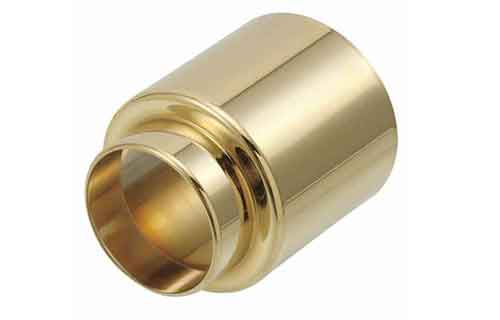
Custom Precision Part CNC Turning Service
Imagine you have a project on hand that requires precision CNC turning of parts, and time is tight with a limited budget. At this moment, Mold7 is like your personal assistant, always on standby. We have a vast network of over 11000 stores, including experts equipped with CNC lathes and turning centers. This means that no matter how specific your needs are, we can quickly match the most suitable resources.
When it comes to price and delivery time, we are equally confident. With a wide supplier network and efficient operational model, Mold7 is able to provide the most competitive conditions in the market. From rapid prototyping to mass production, we are able to respond flexibly and ensure high-quality output.
Do you want to give it a try? Just tell us your needs, and leave the rest to Mold7. Let's work together to turn your creativity into reality, efficiently and hassle free!
What is CNC Turning Service?
The Basics Of CNC Lathes
A CNC lathe machine, also called live tooling lathes, is ideal for cutting any symmetrical cylindrical or spherical parts. Characteristically, a lathe spins a workpiece on a vertical or horizontal axis, while a fixed shaping instrument moves around it on a more or less linear path. The act of cutting a workpiece on a CNC lathe is called turning.
How CNC Turning Works
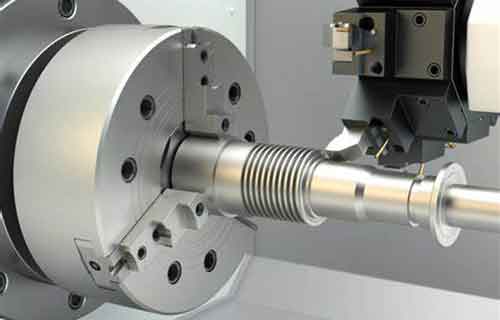
CNC lathes use a subtractive method to create the desired shape. With the G-Code created, a blank bar of stock material is loaded into the chuck of the lathe's spindle. The chuck holds the workpiece in place while the spindle spins. When the spindle is up to speed, a stationary cutting tool is brought into contact with the workpiece to remove material until the desired geometry is achieved.
There are many operations that can be performed on a live tooling lathe, including facing, threading, knurling, drilling, boring, reaming, and taper turning. Different operations require tool changes and can increase cost and set-up time.
When all machining operations are completed, the part is cut from the stock for further post-processing. The CNC lathe is then ready to repeat the operation with little-to-no set-up time in between.
CNC Turning Materials
CNC Turning Aluminum
Aluminum 5052,
Aluminum 7075,
Aluminum 7075-T6,
Aluminum 6063-T5,
Aluminum 7050-T7451,
Aluminum MIC-6,
Aluminum 6061-T6,
Aluminum 2024-T3
CNC Turning Brass/Bronze
Brass C360,
Brass 260,
C932 M07 Bearing Bronze
CNC Turning Copper
EPT Copper C110,
Copper 101
CNC Turning Plastics
ABS,
Acetal [Delrin],
Acrylic,
G-10 Garolite,
Nylon 6/6,
PEEK,
Polycarbonate,
PTFE [Teflon],
Polypropylene,
Ultra-High Molecular Weight, Polyethylene
CNC Turning Steel
Alloy Steel 4130,
Alloy Steel 4140,
ASTM A36,
Stainless Steel 15-5,
Stainless Steel 17-4,
Stainless Steel 18-8,
Stainless Steel 303,
Stainless Steel 304,
Stainless Steel 316/316L,
Stainless Steel 416,
Stainless Steel 420,
Steel 1018,
Steel A36
CNC Turning Titanium
Titanium Grade 2,
Titanium 6Al-4V
CNC Turning Zinc
Zinc Sheet Alloy 500
CNC Turning Tolearances
CNC Turning Distance Dimensions
For features of size (Length, width, height, diameter) and location (position, concentricity, symmetry) +/- 0.005”.
CNC Turning Orientation and Form Dimensions
0-12" +/- 0.005", Angularity 1/2 degree. For 24" and beyond please consult our Manufacturing Standards.
CNC Turning Edge Condition
Sharp edges will be broken and deburred by default. Critical edges that must be left sharp should be noted and specified on a print.
CNC Turning Surface Finishes
CNC Turning As-Milled
The finish option with the quickest turnaround. Parts are left with visible tool marks and potentially sharp edges and burrs, which can be removed upon request. Surface finish is comparable to 125 uin Ra finish.
CNC Turning Bead Blast
The part surface is left with a smooth, matte appearance.
CNC Turning Anodized (Type II Or Type III)
Type II creates a corrosion-resistant finish. Parts can be anodized in different colors—clear, black, red, and gold are most common—and is usually associated with aluminum.
Type III is thicker and creates a wear-resistant layer in addition to the corrosion resistance seen with Type II.
CNC Turning Powder Coat
This is a process where powdered paint is sprayed onto a part which is then baked in an oven. This creates a strong, wear- and corrosion-resistant layer that is more durable than standard painting methods. A wide variety of colors are available to create the desired aesthetic.
CNC Turning Custom Service
Don’t see the finish you need? Submit an RFQ and we’ll look into a finishing process for process for your custom lathe work.
Benefits Of CNC Turning Service
CNC lathes, like CNC milling machines, can easily achieve high repeatability settings, which makes them perform well in both rapid prototyping and mass production. Multi axis CNC turning centers and Swiss type lathes can complete multiple machining operations on one machine, which is undoubtedly an economical and efficient choice for complex geometric parts, avoiding the hassle of multiple machines or tool changes that traditional CNC milling machines may require.
CNC turning service is a process of producing precise and complex parts from metal or plastic materials using computer-controlled machines. CNC turning services have many advantages, such as:
-It can create high-precision and high-quality parts, reducing the need for manual adjustment or correction.
-It can handle large-scale production, saving time and money.
-It is suitable for different types of materials, shapes, and sizes, providing more flexibility and versatility.
-It can utilize advanced software and tools to design and optimize parts, improve performance and functionality.
In our company, we have the experience and expertise to provide the best CNC turning services. We have a skilled and well-trained technical team that can operate the latest CNC machines and software. Our quality control system ensures that every part meets your specifications and standards. Our customer service listens to your needs and provides customized solutions for you. Contact us immediately and let us show you the benefits of CNC turning services.
Imagine if you need to mass produce a complex metal part, a traditional lathe may require multiple steps and multiple setups to complete. However, with our CNC turning services, all of this can be done on one machine, greatly saving time and costs. And, thanks to our high precision and quality standards, you can rest assured that the final product will fully meet your expectations.
So, why not give our CNC turning service a try? Whether you need rapid prototyping or mass production, we can provide solutions that meet your needs. Contact us and let's create excellent products together!
CNC Turning Frequently Asked Questions
What is the role of cutting speed in CNC turning?
Cutting speed affects the rate at which material is removed and can impact the quality and accuracy of the finished part.
The cutting speed is one of the most important parameters in CNC turning. It affects the quality, accuracy, and efficiency of the machining process. Cutting speed is the linear velocity of the cutting tool relative to the workpiece surface. It is usually measured in meters per minute (m/min) or feet per minute (ft/min).
As a CNC turning service provider with years of experience and expertise, we know how to choose the optimal cutting speed for different materials, tools, and geometries. We use advanced software and equipment to monitor and control the cutting speed during the machining process. We also adjust the cutting speed according to the feedback from the sensors, the tool wear, and the surface finish requirements.
By selecting the appropriate cutting speed, we can achieve high-quality CNC turning results with minimal waste and cost. We can also reduce the heat generation, tool wear, and vibration that may affect the machining performance and accuracy. Cutting speed is a key factor that determines our CNC turning service quality and efficiency.
What is the role of feed rate in CNC turning?
Feed rate refers to the speed at which the cutting tool moves through the material and can impact the quality and accuracy of the finished part.
The feed rate is one of the most important parameters in CNC turning, as it affects the quality, accuracy and efficiency of the machining process. The feed rate is the speed at which the cutting tool moves along the workpiece, measured in millimeters per revolution (mm/rev) or inches per revolution (ipr).
As a CNC turning service provider with years of experience and expertise, we know how to choose the optimal feed rate for different materials, shapes and sizes of workpieces. We use advanced software and equipment to calculate and control the feed rate, taking into account factors such as tool geometry, cutting depth, spindle speed, surface finish and chip formation.
By selecting the right feed rate, we can ensure that our CNC turning service delivers high-quality products that meet or exceed our customers' expectations. We can also reduce tool wear and tear, minimize waste and scrap, and improve productivity and profitability. We are always ready to share our knowledge and skills with our customers, and help them achieve their goals with our CNC turning service.
What is the role of spindle speed in CNC turning?
Spindle speed determines the rotational speed of the workpiece and can impact the quality and accuracy of the finished part.
In CNC turning, the spindle speed plays a crucial role in determining the cutting performance, surface finish, tool life, and overall machining efficiency. The spindle speed refers to the rotational speed of the lathe's spindle, which holds the workpiece and rotates it during the turning process. Here's how the spindle speed impacts CNC turning:
1. Cutting Speed: The spindle speed directly influences the cutting speed of the tool as it interacts with the workpiece. Cutting speed is the relative velocity between the cutting tool's edge and the workpiece surface. Proper selection of spindle speed ensures that the cutting speed is within an optimal range, allowing for efficient material removal and reducing the risk of tool wear.
2. Surface Finish: The spindle speed affects the surface finish of the machined part. Higher spindle speeds generally result in a smoother surface finish because the tool's cutting edges engage the workpiece at a faster rate, leading to reduced chip thickness and less surface roughness.
3. Tool Life: The choice of spindle speed has a significant impact on tool life. Running the tool at excessively high speeds can cause accelerated wear and reduce tool life. On the other hand, too low a spindle speed might cause the cutting edges to rub against the material rather than effectively cutting it, leading to premature tool failure.
4. Chip Control: Proper spindle speed selection helps in achieving better chip control during turning. A balanced chip formation and evacuation process reduce the chances of chip jamming, which can cause machining issues and damage the workpiece or tool.
5. Material Removal Rate: The spindle speed, in combination with the feed rate (the rate at which the cutting tool advances into the workpiece), determines the material removal rate. Optimal spindle speed selection ensures that the material is removed efficiently without causing excessive tool wear or compromising the surface finish.
6. Machining Efficiency: The right spindle speed helps achieve optimal machining efficiency. It ensures that the cutting process is neither too slow, wasting time, nor too fast, risking tool damage. A well-chosen spindle speed contributes to maximizing productivity while maintaining quality.
7. Tool Selection: Different cutting tools and materials require specific spindle speeds to perform optimally. Choosing the appropriate spindle speed based on the material and tool type is crucial for achieving the desired machining results.
CNC turning machines allow for easy adjustments to the spindle speed, either manually or through programmed commands, based on the specific requirements of each machining operation. Machinists and programmers must carefully consider the material properties, tooling, and desired outcomes to select the most appropriate spindle speed for each turning task. A proper understanding and utilization of spindle speed can lead to efficient, precise, and cost-effective CNC turning operations.
What is the role of coolant in CNC turning?
Coolant helps to lubricate and cool the cutting tool, which can improve the quality and accuracy of the finished part.
Coolant plays a vital role in CNC turning and other machining processes. It refers to a lubricating and cooling fluid used during the cutting operation. Coolant is typically applied to the cutting zone to improve machining performance, extend tool life, and enhance the overall efficiency of the CNC turning process. Here are the key roles of coolant in CNC turning:
1. Heat Dissipation: One of the primary functions of coolant is to dissipate the heat generated during the cutting process. As the cutting tool interacts with the workpiece, friction and cutting forces generate heat at the tool-workpiece interface. Excessive heat can lead to tool wear, premature tool failure, and potential damage to the workpiece. Coolant helps to regulate the temperature, keeping it within acceptable limits and preserving the cutting tool's integrity.
2. Lubrication: Coolant acts as a lubricant between the cutting tool and the workpiece. This reduces friction, minimizing the wear and tear on the cutting tool. Proper lubrication also improves chip flow, which aids in chip evacuation from the cutting zone, preventing chip jamming and improving machining efficiency.
3. Chip Removal: Coolant helps in efficiently evacuating chips away from the cutting zone. It carries the chips away from the cutting area and out of the machine, preventing chip recutting and minimizing the risk of damage to the workpiece or tool.
4. Surface Finish: The use of coolant can improve the surface finish of the machined part. By reducing friction and heat, coolant helps in achieving smoother and more precise surface finishes on the workpiece.
5. Tool Life Extension: Coolant plays a significant role in extending the life of cutting tools. By reducing heat and friction, coolant minimizes tool wear and chipping, leading to longer tool life and reduced tool replacement costs.
6. Machining Accuracy: The cooling effect of the coolant helps maintain the dimensional accuracy of the workpiece. By controlling the temperature, the expansion and contraction of the workpiece are minimized, resulting in more consistent and precise machining.
7. Material Compatibility: Some materials are prone to work hardening or generating excessive heat during machining. Coolant selection can be tailored to the material being machined, helping to optimize the machining process for specific materials.
8. Swarf Management: Coolant aids in managing the swarf or chips generated during the turning process. Efficient swarf management prevents interference with the cutting process and ensures a cleaner work environment.
9. Tool Performance: For certain advanced machining operations, such as high-speed machining, using coolant becomes essential. It helps to enhance the overall performance and productivity of the machining process.
The specific type of coolant used in CNC turning (e.g., oil-based, water-based, emulsions) can vary depending on the material being machined, the cutting process, and other considerations. Proper coolant application, maintenance, and disposal are crucial for achieving optimal results and ensuring a safe and efficient CNC turning operation.
What is the role of fixturing in CNC turning?
Fixturing refers to the process of holding the workpiece in place to ensure accuracy and consistency during the turning process.
In CNC turning, fixturing plays a critical role in securely holding the workpiece in place during the machining process. Fixturing refers to the design and implementation of specialized fixtures or workholding devices that attach the workpiece to the lathe or CNC turning machine. The primary purposes and roles of fixturing in CNC turning are as follows:
1. Workpiece Stability: Fixturing ensures that the workpiece remains stable and firmly held in position throughout the turning operation. This stability is crucial to prevent vibrations, shifting, or movement of the workpiece, which could lead to inaccurate machining and poor surface finishes.
2. Precision and Accuracy: Proper fixturing is essential for achieving precise and accurate machining results. It helps align the workpiece with respect to the machine's cutting tool and ensures that the desired cutting paths are followed with minimal deviation.
3. Safety: Fixturing enhances safety during CNC turning. A securely fixed workpiece reduces the risk of workpiece ejection, minimizing the chance of accidents and injuries to the machine operator.
4. Consistency and Reproducibility: By using consistent and well-designed fixtures, CNC turning processes can be standardized, allowing for the repeatable and reproducible production of identical parts with consistent quality.
5. Accessibility for Machining: Fixturing should provide appropriate access to the workpiece for the cutting tool. It should not obstruct the tool's movement and should allow for efficient chip evacuation.
6. Material Efficiency: Properly designed fixtures help in optimizing material usage. By securely holding the workpiece in the correct orientation, fixtures can reduce material wastage during the machining process.
7. Minimizing Set-up Time: Well-designed fixturing can reduce set-up time, making it quicker and easier to load and position the workpiece accurately in the CNC turning machine.
8. Flexibility: Depending on the requirements, fixtures can be designed to accommodate a wide range of workpiece sizes, shapes, and materials. This flexibility allows for the machining of various parts without the need for extensive retooling.
9. Enhanced Machining Capabilities: Advanced fixtures can be equipped with features such as rotary indexing, allowing for multi-axis machining and the creation of complex geometries that would be challenging with standard fixturing.
10. Increased Productivity: Efficient and reliable fixturing contributes to increased productivity by reducing downtime due to rejections, minimizing setup times, and optimizing machining processes.
Properly designed fixturing is crucial to achieving the full potential of CNC turning machines. It ensures that the workpiece is securely held and properly oriented, allowing the cutting tools to produce precise, consistent, and high-quality components. The choice of fixturing method and design considerations depend on the specific requirements of each machining operation, the complexity of the workpiece, and the capabilities of the CNC turning machine.
How can CNC turning manufacturers ensure the quality of their parts?
Manufacturers can use quality control measures such as testing and inspection to ensure that their parts meet the required specifications for dimensional accuracy and surface finish.
Ensuring the quality of parts produced through CNC turning is crucial for CNC turning manufacturers to maintain customer satisfaction, meet industry standards, and uphold their reputation. To achieve this, manufacturers can implement various quality control measures throughout the CNC turning process. Here are some key steps to ensure the quality of CNC turned parts:
1. Robust Design and Programming: Start with a well-designed part and develop accurate CNC programs. CAD/CAM software can be used to create detailed designs and generate precise tool paths for CNC turning machines.
2. Material Inspection: Verify the quality of the raw materials before machining. Check for material properties, dimensions, and any defects that could affect the final part's quality.
3. Machine Calibration and Maintenance: Regularly calibrate CNC turning machines and ensure proper maintenance to keep them in optimal working condition. Accurate machine tools are essential for producing high-quality parts.
4. Proper Fixturing: Use appropriate and well-designed fixtures to securely hold the workpiece during machining. Proper fixturing ensures accurate positioning and stability, minimizing errors during CNC turning.
5. Tool Selection and Maintenance: Choose high-quality cutting tools suitable for the specific material and machining requirements. Regularly inspect and maintain the tools to ensure they are sharp and in good condition.
6. In-Process Inspection: Implement in-process inspections to check the dimensions, tolerances, and surface finish of parts during the CNC turning process. Automated measuring systems or manual inspection can be used for this purpose.
7. Statistical Process Control (SPC): Implement SPC techniques to monitor and control the CNC turning process. SPC involves collecting and analyzing data at various stages of production to identify and address any variations or deviations from the desired quality.
8. Post-Machining Inspection: Perform thorough inspections on finished parts to validate their dimensional accuracy, surface finish, and other critical characteristics. Use precision measuring tools like calipers, micrometers, and coordinate measuring machines (CMM) for this purpose.
9. Non-Destructive Testing (NDT): In certain industries or for critical parts, non-destructive testing methods such as X-ray, ultrasonic testing, or dye penetrant testing can be employed to detect hidden defects without damaging the part.
10. Documented Quality Procedures: Have well-documented quality procedures and work instructions to ensure consistency and standardization in the CNC turning process. This documentation serves as a reference for operators and quality control personnel.
11. Continuous Improvement: Encourage a culture of continuous improvement within the organization. Regularly review and analyze quality data to identify areas for enhancement and implement corrective actions as needed.
12. Compliance with Standards: Ensure that the CNC turning process complies with relevant industry standards and customer requirements.
By implementing these quality control measures, CNC turning manufacturers can consistently produce high-quality parts, reduce rejections, and build a reputation for reliability and precision. Quality assurance is an ongoing process, and a proactive approach to quality management is essential for long-term success in CNC turning manufacturing.
What is the role of tooling in CNC turning?
Tooling includes cutting tools, tool holders, and other components that are used to shape the workpiece during the CNC turning process.
Tooling plays a crucial role in CNC turning as it directly affects the machining process and the quality of the final product. Tooling refers to the cutting tools and accessories used in the CNC turning machine to remove material from the workpiece and shape it into the desired form. The role of tooling in CNC turning can be summarized as follows:
1. Material Removal: The primary role of tooling in CNC turning is to remove material from the workpiece. The cutting tool comes into contact with the workpiece, and the material is cut away to create the desired shape and dimensions.
2. Precision Machining: CNC turning relies on precise and accurate cutting tools to achieve the desired tolerances and surface finish. High-quality tooling ensures that the machining process produces parts with the required dimensions and meets the specified tolerances.
3. Tool Life and Durability: The choice of appropriate tooling materials and coatings directly impacts tool life and durability. High-quality tooling with wear-resistant coatings can withstand the stresses of CNC turning, resulting in longer tool life and reduced tool replacement costs.
4. Surface Finish: Tooling affects the surface finish of the machined part. Properly selected and maintained cutting tools can result in a smooth and high-quality surface finish on the workpiece.
5. Chip Control: The design and geometry of the cutting tool influence chip control during CNC turning. Efficient chip control helps in maintaining a clean cutting zone and preventing chip-related machining issues.
6. Material Compatibility: Different materials require specific tooling to ensure effective material removal and avoid excessive tool wear. Tooling should be selected based on the material properties of the workpiece to achieve optimal machining results.
7. Tool Selection for Different Operations: CNC turning involves various cutting operations, such as roughing, finishing, threading, and grooving. Different tools are used for each operation, and proper tool selection ensures the most efficient and accurate machining process.
8. Feeds and Speeds: Tooling, in combination with CNC programming, determines the appropriate cutting feeds and spindle speeds for optimal material removal rates and machining efficiency.
9. Tool Changing and Automation: CNC turning often involves multiple tools for different machining steps. Efficient tool-changing mechanisms and automation ensure smooth transitions between tooling, reducing downtime and increasing productivity.
10. Safety: Properly installed and secured tooling is essential for the safety of the machine operator and the integrity of the CNC turning process. Incorrectly installed or damaged tooling can pose safety risks and affect machining quality.
In summary, tooling is a fundamental aspect of CNC turning that significantly impacts the machining process, accuracy, surface finish, and overall efficiency. The selection, maintenance, and management of cutting tools are essential for achieving consistent, high-quality, and cost-effective production in CNC turning operations.
What is the role of the turret in CNC turning?
The turret holds multiple cutting tools and can be rotated to select the appropriate tool for the job.
The turret in CNC turning plays a pivotal role in the machining process, specifically in CNC lathes with multiple tool capabilities. The turret is a tool-holding mechanism located on the CNC lathe's cross-slide or saddle, and it allows for the rapid and automated interchange of cutting tools during the turning operation. The main roles of the turret in CNC turning are as follows:
1. Tool Storage and Organization: The turret serves as a tool storage and organization system. It can hold multiple cutting tools simultaneously, allowing for quick access to a variety of tools during the machining process without the need for manual tool changes.
2. Automatic Tool Changing: With a turret in place, CNC turning machines can perform automatic tool changes during the machining process. This automation reduces downtime between tool changes, increases productivity, and minimizes operator intervention.
3. Multiple Tool Capabilities: The turret's ability to accommodate several tools enables the CNC lathe to perform various machining operations without manual intervention. Different tools can be used for roughing, finishing, threading, grooving, and other tasks, enabling greater versatility in CNC turning.
4. Quick and Repeatable Tool Indexing: The turret's indexing mechanism ensures precise and repeatable positioning of the tools. This accuracy allows for consistent machining results and the ability to return to specific tools for different machining steps.
5. Increased Efficiency: The turret's rapid tool-changing capabilities enhance the overall efficiency of CNC turning operations. It reduces idle time and enables continuous machining with minimal interruptions.
6. Flexibility: CNC turning with a turret offers flexibility in tool selection, allowing operators to choose the most suitable tools for specific machining tasks and materials.
7. Tool Monitoring and Management: Some modern CNC lathes equipped with turrets may have built-in tool monitoring systems. These systems can detect tool wear and breakage, alerting the operator to take corrective actions or initiate tool replacement as needed.
8. Reduced Setup Time: By having multiple tools readily available on the turret, setup time is significantly reduced. Operators can quickly switch between tools for different machining requirements without physically changing the tools.
9. Improved Machining Accuracy: The turret's ability to accurately index tools and maintain their positions contributes to the overall precision and dimensional accuracy of CNC turning operations.
In summary, the turret is a critical component in CNC turning, especially for lathes with multiple tool capabilities. It enables the automatic and efficient interchange of cutting tools, providing versatility, improved productivity, and increased accuracy in the machining process. The turret's role in tool management and quick tool changing is central to optimizing the performance of CNC turning machines.