CNC Machining

Explore the precision and versatility of CNC machining. Learn about advanced techniques, cutting-edge tools, and applications across various industries. Get expert tips, tutorials, and insights to enhance your machining skills and knowledge.

What Need Know Bakelite Injection Moulding? Solving Your Moulding Mysteries!

CNC Machining PP: Precision in Polypropylene Components

CNC machining of Polypropylene (PP) presents unique challenges that manufacturers often struggle with. Its low rigidity and flexibility can lead to workpiece deflection during machining, making it difficult to achieve tight tolerances. Additionally, PP’s low melting point (160-170°C) means it is prone to heat-induced deformation, especially during high-speed operations. Its tendency to produce stringy chips […]
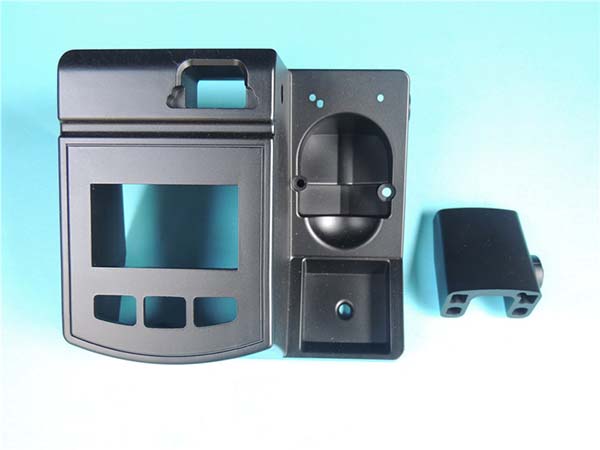
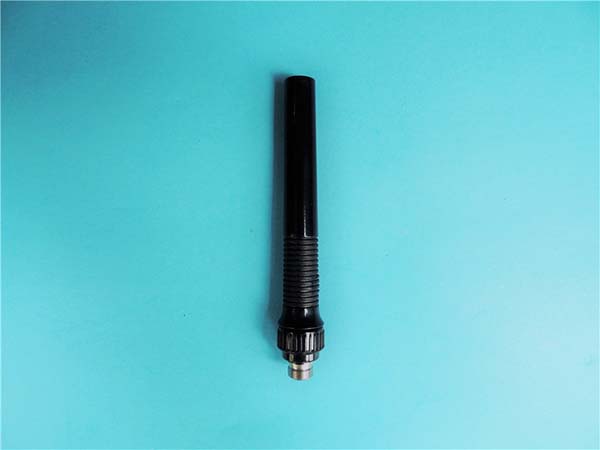
Is Bakelite Molding the Right Choice for Your Manufacturing Needs?​

CNC Machining PC: Enhancing Precision with Computer Integration

CNC machining has revolutionized manufacturing, and the integration of PCs into this process brings both opportunities and challenges. Users often struggle with seamless PC integration with CNC systems, facing issues like data transfer delays, software compatibility problems, and difficulty in real-time monitoring. Additionally, choosing the right CNC software for PC that balances functionality with ease

How to Ensure a Smooth Prototype Production Process?

CNC Machining Acrylic (PMMA): Precision in Transparent Components

CNC machining of Acrylic (PMMA) presents unique challenges that set it apart from machining reinforced plastics or metals. Its exceptional transparency and optical clarity mean even minor surface defects like scratches or haze are highly visible, demanding precise tooling and techniques. Additionally, acrylic is prone to cracking under improper clamping pressure, and its low glass

Cracking Code of Automotive Prototype: Your Ultimate Guide to Success

CNC Machining Nylon 15%GF: Precision in Moderately Reinforced Polyamide

CNC machining of Nylon 15%GF (15% glass fiber reinforced nylon) presents a unique set of challenges, even for experienced manufacturers. Its lower glass fiber content compared to higher-grade reinforced nylons means it balances machinability and strength, but it still requires careful tooling to avoid premature wear. Additionally, its increased toughness can lead to surface fuzzing

Unlock Power of Prototype Solution: Your Ultimate Problem - Solving Guide

CNC Machining Nylon 20%GF: Balancing Strength and Machinability

CNC machining of Nylon 20%GF (20% glass fiber reinforced nylon) strikes a unique balance between performance and processability, but it still presents distinct challenges. Compared to unfilled nylon, the glass fibers increase abrasiveness, leading to faster tool wear, while the lower fiber content than Nylon 30%GF means different machining strategies are needed to avoid surface

Prototype Technologies: Unlocking Innovation and Solving Challenges

CNC Machining Nylon 30%GF: Precision in Glass Fiber Reinforced Polyamide Parts

CNC machining of Nylon 30%GF (30% glass fiber reinforced nylon) presents unique challenges that set it apart from machining unfilled nylons. The glass fibers significantly increase the material’s abrasiveness, leading to rapid tool wear if not addressed with proper tooling. Additionally, the fibers can cause surface defects like fiber pull-out, and the material’s reduced impact

Prototype Fabrication: Key Steps, Benefits, Application Case?

CNC Machining Nylon MC901: Precision in Blue Polyamide Components

CNC machining of Nylon MC901 comes with distinct challenges that manufacturers often struggle with. Its higher moisture absorption compared to some other nylons can lead to unexpected dimensional changes during machining, while its excellent wear resistance accelerates tool wear if not addressed properly. Additionally, its unique blue color requires careful handling to avoid surface discoloration

What You Need to Know About Rapid Prototype Manufacturing?

CNC Machining Nylon PA12: Excellence in Low-Temperature Polyamide Parts

CNC machining of Nylon PA12 presents a unique set of challenges, even for experienced manufacturers. Its lower moisture absorption compared to other nylons affects dimensional stability during machining, while its superior low-temperature performance means it behaves differently under cold conditions—factors that can lead to unexpected tool wear or surface defects. Additionally, its relatively low melting

How to Choose the Right Prototyping Companies Near Me?

CNC Machining Nylon PA66: Precision in Polyamide 66 Components

CNC machining of Nylon PA66 is a critical process in manufacturing high-performance parts, yet it presents unique challenges. Manufacturers often struggle with managing its higher melting point compared to Nylon PA6, which can lead to heat-induced defects, achieving smooth surface finishes due to its tendency to fuzz, and handling its slightly higher abrasiveness that accelerates

How to Choose the Right Companies that Create Prototypes?​

CNC Machining Nylon PA6: Mastering Precision in Polyamide Parts

CNC machining of Nylon PA6 is a widely used process in manufacturing, but it comes with unique challenges. Manufacturers often struggle with dimensional changes due to Nylon PA6’s moisture absorption, achieving consistent surface finishes because of its tendency to fuzz during cutting, and managing tool wear from its abrasive nature. This guide addresses these pain

How Can Prototype Inc Solve Your Product Development Woes?

CNC Machining Acetal (Delrin): Precision in Every Cut

CNC machining of Acetal (Delrin) is a staple in manufacturing high-performance parts, yet it comes with its own set of hurdles. Manufacturers often grapple with achieving consistent surface finishes due to Acetal’s low friction, managing tool wear from its high crystallinity, and preventing dimensional shifts caused by heat during machining. This guide addresses these pain

Are Prototype Developers the Key to Your Product Success?

CNC Machining POM-H + PTFE: Mastering Composite Precision

CNC machining of POM-H + PTFE composites combines the best of both materials but introduces unique challenges. Manufacturers often struggle with uneven tool wear due to PTFE’s abrasive nature, maintaining consistent surface finishes across the composite, and preventing delamination during machining. This guide addresses these pain points, providing expert strategies to achieve optimal results with

Is SLA the Best Choice for Rapid Prototyping?

CNC Machining POM-H: Unlocking Precision in Engineering Plastics

CNC machining of POM-H (Polyoxymethylene Homopolymer) is a go-to process for crafting high-precision components, yet it presents distinct challenges. Manufacturers often struggle with balancing its high mechanical strength against machining efficiency, preventing surface burns due to heat buildup, and ensuring consistent tolerance adherence. This guide addresses these pain points, offering expert insights to master POM-H

How to Ensure a Smooth Prototype Product Development?

CNC Machining POM-C: Mastering Precision for High-Performance Parts

CNC machining of POM-C (Polyoxymethylene Copolymer) is a critical process in manufacturing high-precision components, but it comes with unique challenges. Manufacturers often struggle with excessive tool wear due to POM-C’s high crystallinity, inconsistent surface finishes caused by improper cutting parameters, and maintaining dimensional stability during machining. This guide addresses these pain points, providing actionable insights

What is Rapid Prototyping? A Comprehensive Guide for Engineers

CNC Machining ABS: A Comprehensive Guide to Precision and Performance

CNC machining of ABS (Acrylonitrile Butadiene Styrene) is widely used across various industries, but it comes with its own set of challenges. Many manufacturers struggle with achieving consistent surface finishes, selecting the right tools, and maintaining dimensional accuracy when machining this versatile plastic. In this guide, we'll address these pain points and provide detailed insights

What You Need to Know About Rapid Prototyping SLS?

Mastering CNC Machining of Plastics: A Comprehensive Guide

In the realm of modern manufacturing, CNC machining of plastics has emerged as a crucial process, offering versatility, precision, and efficiency. However, like any manufacturing process, it comes with its own set of challenges. From selecting the right plastic material to ensuring high-quality finishes, manufacturers often grapple with various issues that can impact the final

Cnc Milling And Turning

How Does CNC Steel Machining Elevate Modern Manufacturing Standards?

Steel is one of the most widely used materials in manufacturing, but working with it has never been easy. Traditional steel machining often struggles with precision—parts might have inconsistent dimensions, making assembly a hassle. Hardened steel can wear down manual tools quickly, leading to frequent replacements and delays. And producing complex shapes, like a gear

Precision Cnc Machining Services

Why Is CNC Swiss Machining the Go-To for Precision Small Parts?

Manufacturing small, complex parts—like medical device components or aerospace fasteners—has long been a challenge. Traditional lathes often struggle with long, slender workpieces, which can flex or vibrate during machining, leading to poor precision. Tight tolerances (think ±0.001 mm) are nearly impossible to achieve manually, and producing consistent parts in batches is a constant battle. This

Plastic For Cnc

How Does CNC Equipment Revolutionize Modern Manufacturing?

Traditional machinery has long been a staple in manufacturing, but it comes with a host of challenges. Manual operation often leads to inconsistent results, with parts varying slightly from one to the next. Skilled operators are hard to find, and production speeds are limited, making it tough to meet tight deadlines. Additionally, complex parts require

Milling Advantages

Why Is CNC Bending the Future of Precision Metal Forming?

Traditional bending methods often leave manufacturers frustrated. Manual bending can result in inconsistent angles, parts that don’t fit together, and wasted materials—especially when working with complex shapes or high-volume orders. Whether you’re making automotive parts or furniture frames, these issues slow down production and hurt profits. This is where CNC bending steps in. But what

Milling Tolerance

What Makes CNC Components Essential for Modern Manufacturing?

In the world of manufacturing, finding components that fit perfectly, perform reliably, and meet strict standards is a constant challenge. Traditional manufacturing methods often struggle with consistency—parts might vary slightly from one batch to the next, leading to assembly headaches or product failures. This is where CNC components shine. But what exactly are CNC components,

Multi Axis Machining

How to Master CNC Prototypes for Efficient Product Development?

In product development, creating a reliable prototype is a critical step. Yet many teams face headaches: prototypes that don’t match designs, materials that fail tests, or costs that spiral out of control. Whether you’re designing automotive parts or medical devices, getting the CNC prototype right can save months of delays and thousands in rework. So,

Scroll to Top