Introduction
Steel is one of the most widely used materials in manufacturing. But working with it has never been easy. Traditional steel machining often struggles with precision—parts may have inconsistent dimensions, making assembly difficult. Hardened steel wears down manual tools quickly, leading to frequent replacements and delays. And producing complex shapes—a gear with intricate teeth or a curved aerospace bracket—is nearly impossible with manual methods.
CNC steel machining solves these challenges. Computer-controlled machines cut, shape, and finish steel with precision that manual methods cannot match. They hold tolerances as tight as ±0.005 mm . They process hardened steel without excessive tool wear. And they produce complex geometries in a single setup—reducing handling errors and cycle times.
This guide explores how CNC steel machining works, the processes involved, types of steel used, equipment capabilities, applications across industries, and advantages over traditional methods. Whether you are manufacturing automotive components or medical instruments, you will understand why CNC has become the standard for steel processing.
What CNC Machining Processes Are Used for Steel?
Core Machining Operations
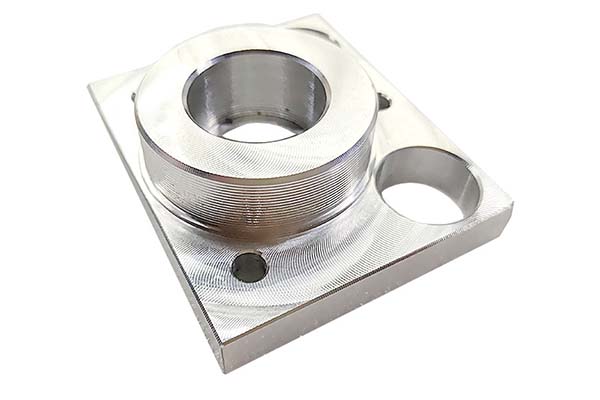
Milling uses rotating cutters to remove material from steel workpieces. It is ideal for creating flat surfaces, slots, and complex 3D shapes—like the housing of an industrial gearbox. A CNC milling machine achieves tolerances as tight as ±0.01 mm on carbon steel, ensuring parts fit perfectly.
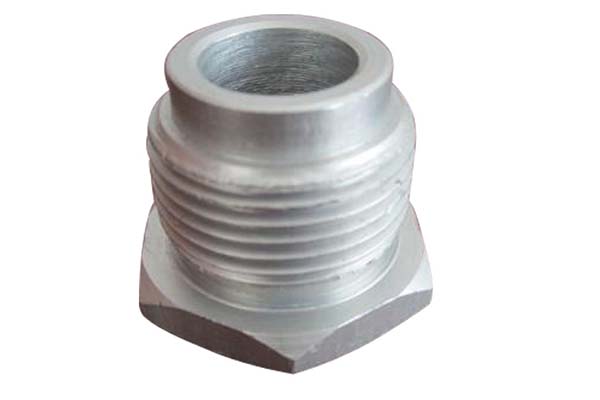
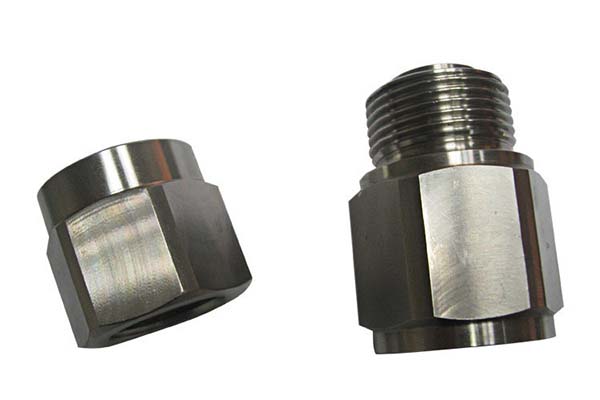
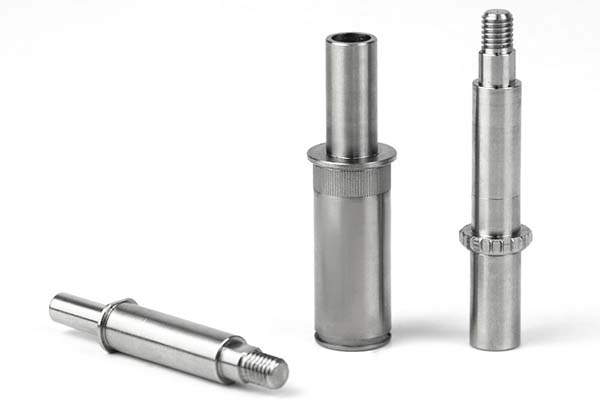
Turning is used for cylindrical parts—shafts, bolts, bushings. The steel workpiece rotates while a cutting tool shapes it, producing smooth, precise surfaces. For a stainless steel axle, CNC turning delivers consistent diameters along the entire length—critical for proper fit and balance.
Drilling creates precise holes in steel. For automotive brackets that need to be fastened together, hole position accuracy is essential. CNC drilling machines drill multiple holes in a single setup with accurate spacing, reducing production time and eliminating alignment errors.
Advanced Cutting Processes
Laser cutting uses a high-powered laser to cut through steel with extreme precision. It is perfect for intricate patterns—ventilation slots in appliance panels, complex shapes in aerospace components. Laser cutting leaves clean edges, reducing or eliminating post-processing.
Plasma cutting is ideal for thick steel sheets—structural beams, heavy equipment components. The plasma torch cuts through steel quickly, making it suitable for large, straightforward shapes where speed matters more than edge finish.
Water jet cutting uses high-pressure water mixed with abrasives to cut steel without generating heat. This prevents warping—critical for heat-sensitive parts like medical instrument frames where thermal distortion would compromise accuracy.
Grinding smooths steel surfaces to fine finishes. CNC grinders achieve surface finishes as low as Ra 0.02 μm on tool steel—essential for bearing surfaces that need to reduce friction and wear.
| Process | Best For | Typical Tolerance | Surface Finish |
|---|---|---|---|
| Milling | Flat surfaces, slots, 3D shapes | ±0.01–0.02 mm | Ra 0.8–3.2 μm |
| Turning | Cylindrical parts | ±0.005–0.01 mm | Ra 0.4–1.6 μm |
| Laser Cutting | Intricate patterns, thin sheet | ±0.05–0.1 mm | Clean edges, minimal post-processing |
| Grinding | Finishing, bearing surfaces | ±0.001–0.005 mm | Ra 0.02–0.4 μm |
What Types of Steel Are Used in CNC Machining?
Carbon Steel and Stainless Steel
Carbon steel is versatile and affordable, making it a popular choice for automotive parts—gears, shafts, structural components. Machinability varies with carbon content. Low-carbon steel (mild steel) is easy to machine. High-carbon steel is harder but can be processed with specialized tools and parameters.
Stainless steel (grades 304, 316, 420) is corrosion-resistant, ideal for medical devices and food processing equipment. 316 stainless steel , with added molybdenum, offers extra resistance to saltwater—used in marine applications and oil and gas equipment. 420 stainless steel is hardenable, suitable for surgical instruments that need sharp, durable edges.
Alloy Steel and Tool Steel
Alloy steel contains elements like chromium or nickel that enhance strength and durability. It is used in aerospace components—landing gear parts—that must withstand high stress. CNC machining handles the toughness of alloy steel, producing complex shapes like turbine blades.
Tool steel is extremely hard and heat-resistant. It is used for cutting tools, dies, and molds. CNC grinding is often used to shape tool steel, ensuring precise dimensions that maintain integrity under high temperatures.
Other Steel Types
Mild steel (low-carbon) is easy to machine and weld. It is used in construction for structural components—beams, frames.
Galvanized steel (zinc-coated for corrosion resistance) is machined into outdoor furniture frames and automotive body panels. The zinc coating requires sharp tools to prevent flaking.
Structural steel (thick, strong) is CNC-cut into beams and columns for buildings and bridges.
| Steel Type | Key Properties | Typical Applications |
|---|---|---|
| Carbon Steel | Versatile, affordable | Gears, shafts, structural parts |
| Stainless Steel | Corrosion-resistant | Medical devices, food equipment, marine |
| Alloy Steel | High strength, durability | Aerospace landing gear, turbine blades |
| Tool Steel | Hard, heat-resistant | Cutting tools, dies, molds |
What Equipment Is Used for CNC Steel Machining?
Milling and Turning Machines
CNC milling machines range from small benchtop models for precision parts to large vertical machining centers for heavy steel components. They use end mills, face mills, and specialty tools to shape steel efficiently.
CNC lathes range from simple 2-axis models for basic turning to multi-axis lathes that perform milling and drilling operations simultaneously. This versatility is ideal for complex steel parts—a gear with both cylindrical and flat features can be machined in one setup.
Cutting and Forming Equipment
CNC laser cutters and plasma cutters are essential for sheet steel processing. Laser cutters are better for thin to medium steel sheets (up to 25 mm thick). Plasma cutters handle thicker sheets (up to 150 mm).
CNC press brakes bend steel sheets into shapes—U-bends in metal enclosures, angles in structural brackets. They apply precise force to ensure consistent bends across multiple parts.
CNC grinders finish steel surfaces. Cylindrical grinders smooth shaft outer surfaces. Surface grinders flatten large steel plates to ensure they are perfectly level.
Where Is CNC Steel Machining Applied?
Automotive and Aerospace
In the automotive industry, CNC steel machining produces gears, crankshafts, and suspension components. A car’s transmission relies on precisely machined steel gears to transfer power smoothly—any imperfection can cause noise or failure.
Aerospace components—aircraft frames, engine parts, fasteners—demand the highest precision. CNC-machined stainless steel or alloy steel parts ensure safety and reliability under extreme conditions—high altitudes, temperature fluctuations, vibration.
Medical and Industrial Machinery
Medical devices—surgical scissors, forceps, implantable screws—are often made from stainless steel. CNC machining ensures these parts are precise and smooth, reducing patient injury risk. A surgical drill bit made from tool steel must have a sharp, consistent tip to perform accurately.
Industrial machinery relies on CNC-machined steel parts for durability. Shafts, gears, and housings in factory equipment must withstand constant use. CNC machining ensures they are strong and properly fitted, minimizing downtime.
Construction and Consumer Products
In construction, CNC-cut structural steel forms the framework of buildings, bridges, and stadiums. Beams, columns, and brackets are machined to precise lengths and angles, ensuring structural integrity.
Consumer products—appliances (refrigerator shelves, oven doors), furniture (metal frames)—benefit from CNC steel machining’s consistency. A stainless steel kitchen sink has smooth edges and precise dimensions thanks to CNC cutting and forming.
What Advantages Does CNC Steel Machining Offer?
Precision and Consistency
High precision is a standout advantage. CNC machines repeatedly produce steel parts with tolerances as tight as ±0.005 mm —crucial for aerospace and medical applications where failure is not an option.
Consistency and repeatability mean the 1000th part is identical to the first. This reduces waste, rework, and the risk of assembly issues from dimensional variation.
Efficiency and Productivity
CNC steel machining handles complex geometries that would be impossible with manual methods. A steel gear with multiple teeth and holes can be machined in one setup, saving time and eliminating alignment errors.
Increased productivity comes from automated operations. CNC machines run 24/7 with minimal supervision, boosting output without adding labor shifts.
Reduced human error is another benefit. Manual machining relies on operator skill, leading to variations. CNC programs ensure every cut is accurate—critical for parts like oil and gas valves where leaks could be catastrophic.
Cost-Effectiveness and Surface Finish
For large volumes, CNC steel machining is highly cost-effective. Initial setup costs are offset by reduced labor and material waste.
Enhanced surface finish—smooth, burr-free—reduces the need for polishing or other post-processing steps, saving time and money.
Material versatility allows CNC machines to process various steel types—mild steel to hard tool steel—without major retooling, adding to efficiency.
How Does CNC Compare to Traditional Steel Machining?
| Aspect | CNC Steel Machining | Traditional Methods |
|---|---|---|
| Precision | ±0.005–0.01 mm | ±0.1–0.5 mm |
| Consistency | Identical parts in batches | Variations due to operator skill |
| Speed | Fast (automated, multi-operation) | Slow (manual setup for each step) |
| Complexity | Handles intricate shapes easily | Limited to simple geometries |
| Cost for Large Volumes | Lower per unit (reduced labor/waste) | Higher per unit (more labor) |
| Environmental Impact | More efficient (less energy/waste) | More waste (imprecise cutting) |
| Skill Requirements | Programmers need training; operators need basics | Skilled machinists required |
| Production Volume | Ideal for 1000+ parts | Better for <100 parts |
| Flexibility | Easy to reprogram for new designs | Requires retooling and retraining |
CNC steel machining outperforms traditional methods in precision, speed, and cost for large-scale production. Traditional methods may work for small, simple parts but cannot match CNC’s consistency or ability to handle complexity.
Conclusion
CNC steel machining has fundamentally transformed how manufacturers work with one of the world’s most important materials. The precision, consistency, and efficiency it delivers set new standards across industries.
The advantages are clear. Precision measured in thousandths of a millimeter enables applications where failure is not an option—aerospace components, medical implants, critical automotive parts. Consistency across production runs eliminates the variability inherent in manual machining, reducing waste and rework. Efficiency from automated operations and multi-axis capabilities shortens cycle times and increases throughput. Versatility across steel types—carbon, stainless, alloy, tool—allows manufacturers to match material properties to application requirements without retooling.
From automotive transmission gears to aerospace landing gear, from medical instruments to construction beams, CNC steel machining delivers the quality and reliability that modern manufacturing demands. For operations producing large volumes, complex geometries, or precision-critical components, CNC is not just an improvement—it is essential.
FAQ
What is the thickest steel CNC machining can handle?
CNC plasma cutters handle steel up to 150 mm thick , suitable for construction beams. For precision machining—milling, turning—the practical limit is around 200 mm, though specialized machines go thicker for specific applications.
How does CNC steel machining handle hard steels like tool steel?
CNC machines use carbide cutting tools and high spindle speeds to machine hard steels. Coolant systems prevent overheating. Slow feed rates ensure clean cuts. For extremely hard tool steel, CNC grinding achieves precise finishes.
Is CNC steel machining cost-effective for small batches?
For batches under 100 parts, traditional methods may be cheaper due to lower setup costs. CNC becomes cost-effective for batches of 100+ parts , thanks to reduced labor and consistent quality that minimizes rework.
What surface finish can CNC steel machining achieve?
CNC turning and milling typically achieve Ra 0.8–3.2 μm with standard parameters. For bearing surfaces and critical applications, CNC grinding achieves Ra 0.02–0.4 μm , reducing friction and wear.
How does CNC steel machining compare to 3D printing for steel parts?
CNC machining produces parts with superior surface finish and material properties—full density, no porosity. For high-stress applications like gears and structural components, CNC remains the preferred method. 3D printing offers design freedom for complex internal geometries but typically requires secondary finishing.
Contact Yigu Technology for Custom Manufacturing
Need precision steel components for your next project? Yigu Technology specializes in CNC machining of carbon steel, stainless steel, alloy steel, and tool steel for automotive, aerospace, medical, and industrial applications. Our advanced CNC mills, lathes, and laser cutters deliver consistent quality with tight tolerances. Contact us today to discuss your requirements.