Surface Treatment

Discover essential surface treatment techniques in manufacturing. Learn about methods like plating, coating, and polishing. Explore benefits for durability, aesthetics, and functionality. Get expert tips to enhance product quality and performance.

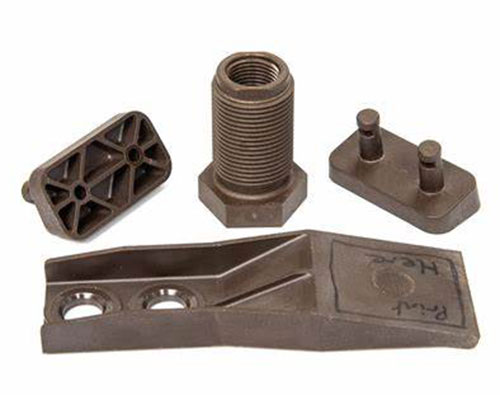
Die casting

How does machined surface finish affect product quality?

1. What is machining surface finish? Why is it important? In mechanical manufacturing, the surface finish is essentially the degree of microscopic unevenness of the surface after processing, and the core evaluation indicators include surface roughness (microscopic peak-to-valley height difference) and surface texture uniformity. Many people confuse "surface finish" with "surface roughness", in fact, the former is a common […]

3D printing, precision prototype customization, replica, oil spray screen printing, CNC machining

Surface Treatment Teflon Coating (PTFE): Non-Stick, Heat-Resistant Solutions for Industrial

From sticky food residue on cookware to chemical buildup in industrial pipes, surface adhesion and corrosion plague countless applications. Traditional coatings like paint or enamel chip easily, fail at high temperatures, or react with harsh chemicals, leading to frequent replacements and operational downtime. A bakery’s conveyor belt might gum up with dough, a chemical plant’s

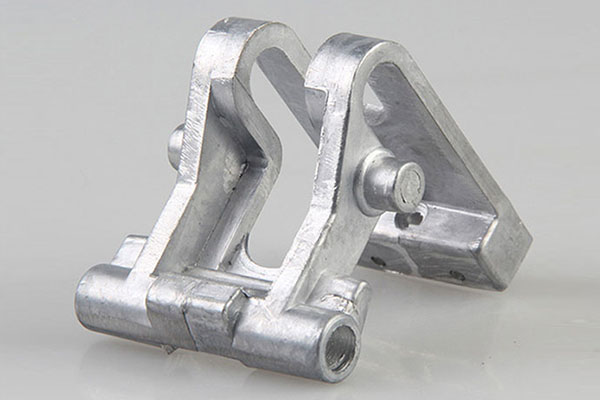
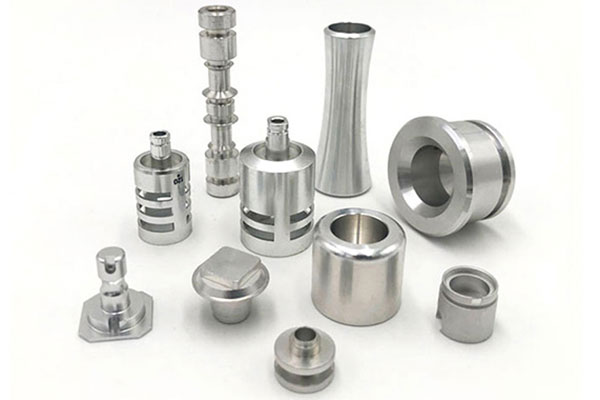
Aluminium Parts 3

Surface Treatment Laser Engraving: Precision, Speed, and Versatility for Modern Applications

In industries ranging from aerospace to jewelry, the need for precise, permanent, and versatile surface marking and engraving is constant. Manufacturers struggle with methods that either lack detail (like stamping), damage delicate materials (such as mechanical engraving), or fail to produce long-lasting results (like printing). A medical device might require a tiny, readable serial number

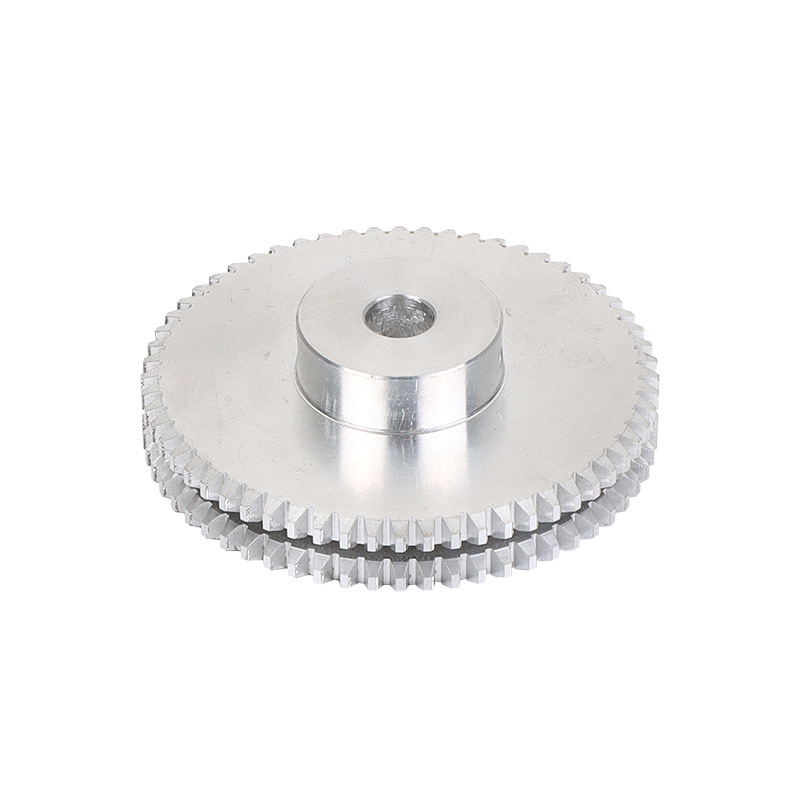
Aluminium Parts 2

Surface Treatment Chemical Etching: Precision Patterns for Industrial Applications

Manufacturers and designers often face a tough challenge: creating intricate patterns, microscale features, or precise textures on metal, glass, or plastic surfaces without damaging the material or sacrificing accuracy. A medical stent might need 0.1mm-wide channels for drug delivery, a sensor component could require ultra-fine etched lines for conductivity, or a decorative glass panel may

Hardware parts CNC machining stainless steel parts small batch rapid development 3D printing prototype manufacturer

Surface Treatment Etching & Engraving: Precision Patterns for Function and Design

From aerospace components needing microscale cooling channels to jewelry requiring intricate designs, industries demand surface treatments that combine precision, durability, and customization. Traditional methods like stamping or machining often fall short—they struggle with fine details, damage delicate materials, or can’t replicate complex patterns on curved surfaces. A medical device might need a serial number etched

Quick prototyping, 3D high-precision printing, plastic products, CNC CNC hardware, stainless steel processing parts and accessories

Surface Treatment Chemical Vapor Deposition (CVD): Precision Coatings for Extreme Environments

Industries ranging from aerospace to semiconductors demand coatings that can withstand extreme conditions—temperatures exceeding 1000°C, corrosive chemicals, or the need for atomic-level precision. A turbine blade might erode under high-temperature gas flow, a semiconductor wafer could fail due to uneven film layers, or a medical implant might corrode in the body. Physical coating methods like

Stainless steel turning and milling composite processing of small batch 3D printed plastic products CNC machining parts

Surface Treatment Vacuum Deposition: Advanced Coating Solutions for High-Performance Surfaces

Modern industries demand more from material surfaces than ever before. A cutting tool might wear out quickly under high-speed machining, a medical implant could corrode in the body, or a smartphone screen might scratch easily with daily use. Traditional coatings like paint or electroplating often fall short—they lack durability, can’t achieve precise thicknesses, or contain

3D printing high precision parts processing metal parts production hardware non standard stainless steel aluminum alloy

Surface Treatment Polishing (Mirror/Matte Finish): Elevating Surfaces Through Precision Refinement

Metal surfaces often fall short of expectations: a stainless steel appliance might have visible machining marks, a jewelry piece could lack the desired shine, or a medical instrument might reflect too much light during procedures. These flaws aren’t just cosmetic—rough surfaces can trap contaminants, uneven finishes can affect coating adhesion, and unwanted reflectivity can hinder

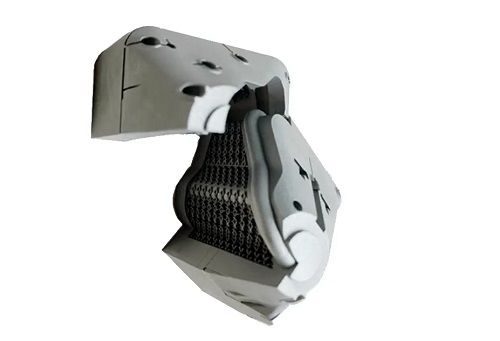
3D Printing Material - Aluminum

Surface Treatment Chemical Treatments: Performance Through Precision Chemistry

Manufacturers and engineers often battle a silent enemy: the natural degradation of surfaces. A steel bolt might rust in months, an aluminum part could corrode in humid conditions, or a medical instrument might fail to bond with a protective coating—all leading to costly failures, recalls, or shortened product lifespans. Traditional mechanical treatments (like sandblasting) offer

Scroll to Top