Surface Treatment

Discover essential surface treatment techniques in manufacturing. Learn about methods like plating, coating, and polishing. Explore benefits for durability, aesthetics, and functionality. Get expert tips to enhance product quality and performance.

Precision Components Tooling: A Guide for Manufacturers

Surface Treatment Sulfuric Acid Anodizing: The Versatile Solution for Customizable Metal Surfaces

Manufacturers and designers working with aluminum often face a tough balancing act: they need parts that resist corrosion in humid or salty environments, withstand daily wear without scratching, and look appealing enough for consumer-facing products—all without breaking the budget. A smartphone casing might corrode from sweat, a marine fitting could rust from saltwater, or a

High Precision Injection Molding

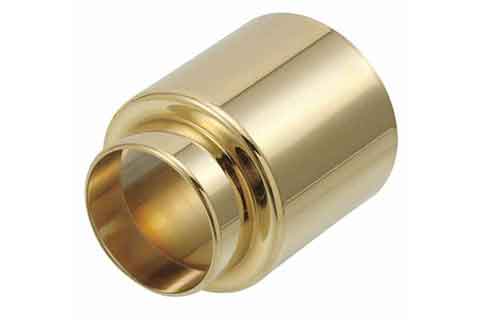
Surface Treatment Gold Plating: Combining Conductivity, Luxury for High-Performance Applications

Engineers and manufacturers in electronics, aerospace, and luxury goods face unique challenges: electrical connectors that degrade over time, components that corrode in harsh environments, or products that fail to meet aesthetic standards for high-end markets. A tarnished connector might disrupt a critical communication system, a corroded sensor could compromise medical equipment, or a dull finish

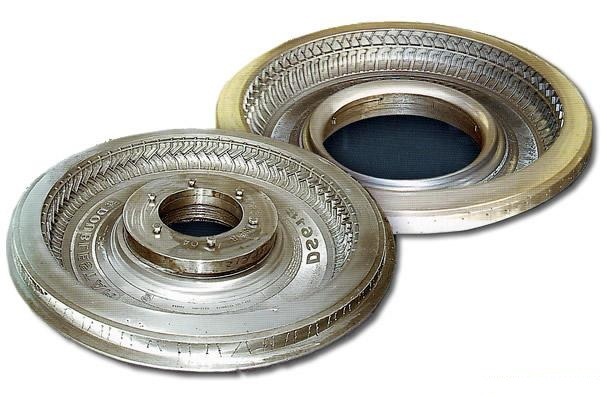
Mold classification and processing technology of vulcanized automobile tire

Surface Treatment Chrome Plating: Combining Durability, Lubricity, for High-Performance Surfaces

Manufacturers dealing with high-wear components—like hydraulic cylinders, tooling, or automotive parts—often face a frustrating cycle: parts wear out quickly, corrosion eats away at surfaces, and frequent replacements drive up costs. Even with other coatings, friction can cause overheating, while dull or uneven finishes hurt the appeal of consumer-facing products. This is where surface treatment chrome

Cracking the Code: Poisson's Ratio and Young's Modulus in Engineering

Understanding Young's Modulus Definition and Basics Young's Modulus, also known as the elastic modulus, is a fundamental mechanical property of materials. It is defined as the ratio of stress to strain within the elastic limit of a material. Mathematically, it can be expressed as the formula \(E=\frac{\sigma}{\epsilon}\), where \(E\) represents Young's Modulus, \(\sigma\) is the

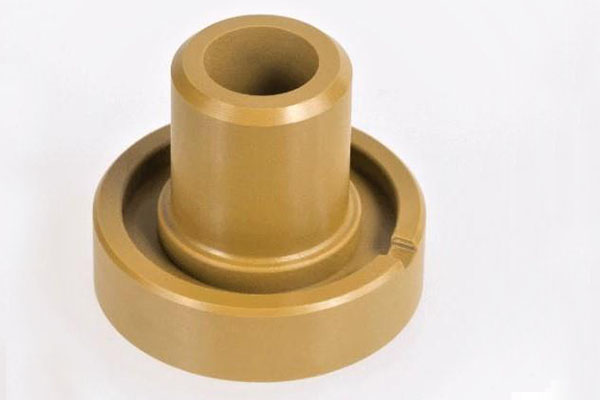
Polyimide plastic parts

Why Are Plastic Part Tolerance Standards Vital in Manufacturing?

Understanding Plastic Part Tolerance Definition and Basics In manufacturing, plastic part tolerance refers to the acceptable range of variation in the dimensions of a plastic component. Every plastic part is designed to have specific dimensions, but in the real - world manufacturing process, it's impossible to produce parts with exactly the same dimensions every time.

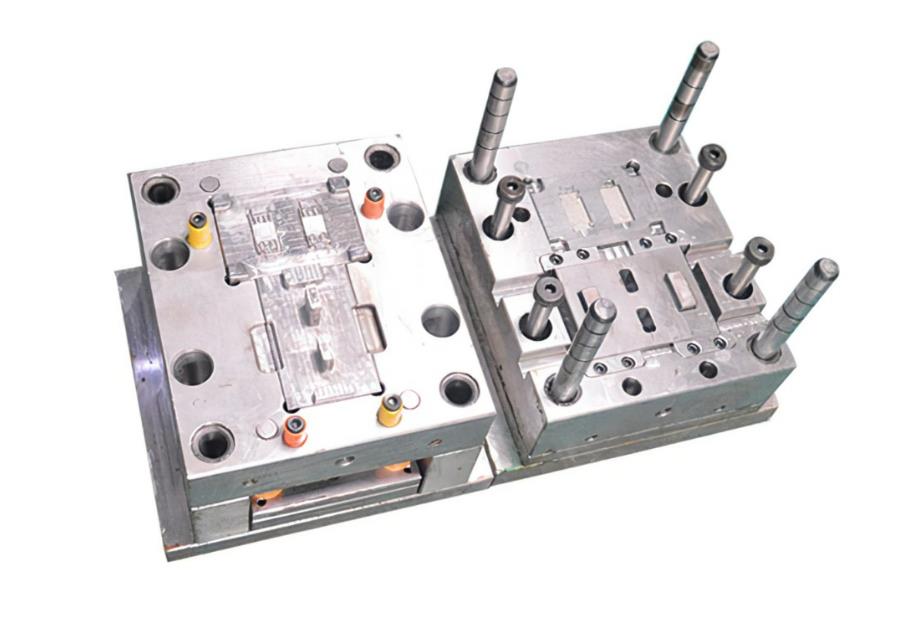
How to maintain the injection mould for producing plastic products

What is the Electrochemical Machining Process and How Does It Work?

In the world of advanced manufacturing, where complex geometries, ultra-hard materials, and pristine surface finishes are paramount, traditional cutting tools often fall short. This is where the electrochemical machining process shines as a unique, non-contact, and non-thermal solution. This guide delves into the intricacies of electrochemical machining, moving beyond textbook definitions to explore its practical

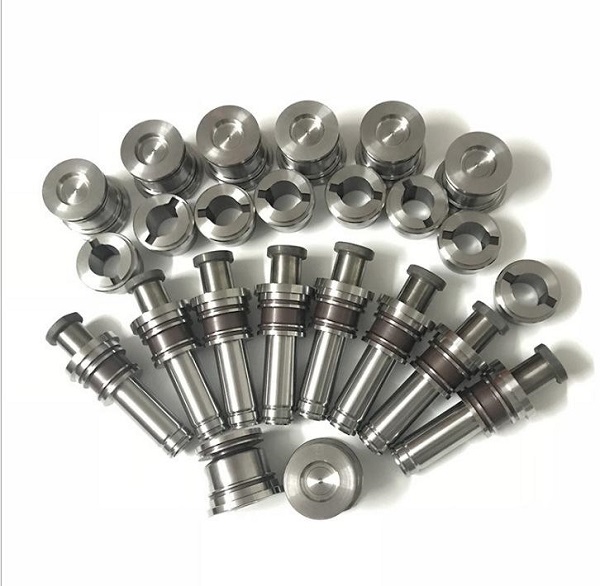
High volume production machining

How Does the ECM Machining Process Achieve Precision in Hard Materials?

The world of manufacturing constantly demands solutions for shaping incredibly tough, heat-resistant, and complex materials. Traditional cutting tools often fail or wear out rapidly when faced with these challenges, leading to high costs and limitations in design. This is where Electrochemical Machining (ECM) emerges as a transformative, non-conventional process. Unlike methods that rely on physical

Scroll to Top