
Plastic & Metal industry knowledge
Transfer the value information of rapid prototypes, mold and injection molding industry
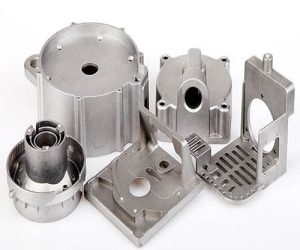
How Does Metal Stamping Aluminum Alloys Create Lightweight, High-Performance Parts?
Manufacturers today face a clear challenge. Products must be lighter to improve fuel efficiency and portability. But they cannot sacrifice strength or durability. Traditional materials like steel add weight and...
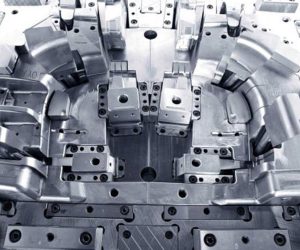
What Makes Cr12 (D3/SKD1) the Go-To Steel for Cold Work Tooling?
Introduction You’ve built a new set of stamping dies. They work well for a few thousand cycles. Then you see it—small chips along the cutting edge. Production slows. You pull...
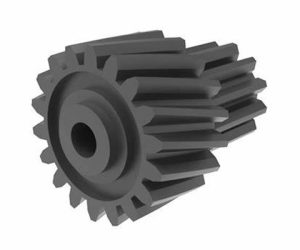
What Advantages Do Plastic Helical Gears Offer and What Materials Work Best?
Introduction You open your car window. A printer feeds paper. A power tool spins. Behind these everyday actions, helical gears are at work. Unlike spur gears with straight teeth, helical...
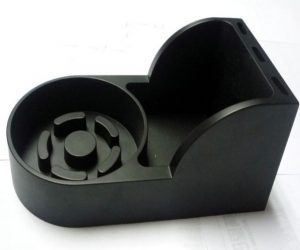
Principles Of Injection Moulding
you've got a brilliant idea for a plastic part. Maybe it's a component for your latest invention, a durable housing for electronics, or a consumer product ready for mass production....
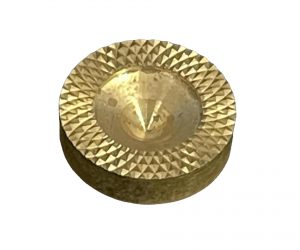
What Engineering Excellence Defines Precision Mechanical Components?
Introduction Precision mechanical components are the unsung heroes of modern industry. From the screws holding a high-end camera lens in perfect alignment to the gears transmitting power in a car’s...
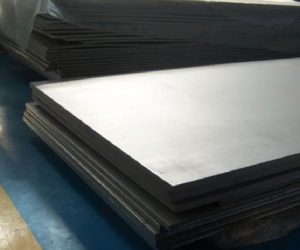
What Do You Need to Know About Custom Sheet Metal?
Introduction You have a design—a bracket, an enclosure, a panel—that off-the-shelf parts simply cannot fulfill. You need something made to your exact specifications. That is where custom sheet metal comes...
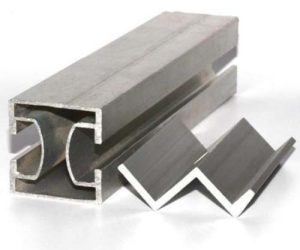
Is ZAMAK Die Casting the Best Choice for High-Precision Parts?
Introduction You chose ZAMAK because you need parts with consistent strength and smooth finishes. You expected sharp details and easy production. But now you face problems. Some castings crack under...
Is a Professional 3D Printing Service the Right Choice for Your Project?
Introduction You've got a design. Maybe it's a prototype for a new product, a custom part for specialized equipment, or a small batch for market testing. You need it printed....

How Does Micro Machining CNC Deliver Precision at the Micron Level for Advanced Manufacturing?
Introduction Imagine a medical device company trying to machine a 0.1 mm diameter hole in a stainless steel sensor, only to find that standard CNC equipment cannot achieve the required...

Is Bakelite Plastic Material Still the Right Fit for Your Projects?
Introduction Bakelite has a remarkable history. Invented in 1907, it was the world’s first synthetic plastic—a material that launched an entire industry. For decades, it was the go-to choice for...
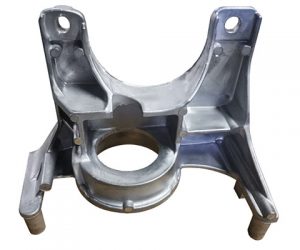
What Is the Role of Aluminum Extrusion Prototyping in Rapid Product Development?
Introduction You need a prototype that is strong, lightweight, and production-ready. 3D printed plastics may not have the structural integrity you require. Machined metal parts may take weeks and cost...
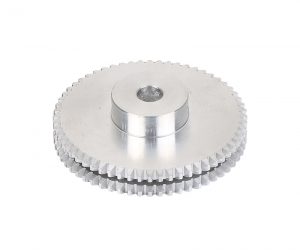
Can GD&T Position Tolerance Solve Your Precision Engineering Challenges?
Discover how geometric dimensioning and tolerancing ensures parts fit correctly, function reliably, and meet design intent every time. Introduction Engineers and manufacturers face a common frustration. Parts that should fit...
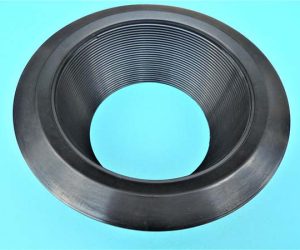
What You Need to Know About SLS 3D Printing Technology?
Introduction Imagine a 3D printer that can create strong, functional parts without any support structures—complex geometries, internal channels, moving assemblies, all printed in one piece. That is SLS 3D printing....
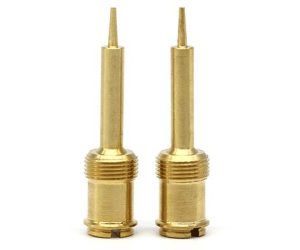
What Is Micro Machining and Why Is It Important in Modern Manufacturing?
Introduction Micro machining has revolutionized the way we create small, intricate, and precision-engineered components. This specialized manufacturing process involves removing minute amounts of material to achieve dimensions and tolerances at...
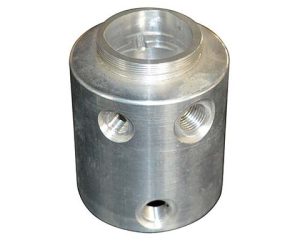
How Do You CNC Machine Nickel Alloy Monel 400 for Demanding Industrial Applications?
Introduction Monel 400 is a versatile nickel alloy celebrated for its exceptional corrosion resistance and balanced mechanical properties, making it a cornerstone material in marine, chemical, and oil and gas...
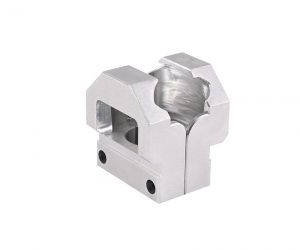
How Do You Overcome Challenges in Manufacturing Large Machined Parts?
Introduction When it comes to large machined parts, manufacturers and engineers face unique headaches. Imagine spending weeks on a massive steel component only to find it warps during final inspection,...
How Does the Metal 3D Printing Process Work?
Introduction Metal 3D printing—metal additive manufacturing—is transforming industries. It builds metal parts layer by layer from digital designs, enabling geometries and properties that traditional methods can't match. Unlike machining, which...

Plastic Injection Molding For Automotive Industry
For anyone in the automotive world—from engineers and procurement specialists to startup founders—understanding plastic injection molding is no longer optional; it's essential. This process is the invisible backbone of modern...
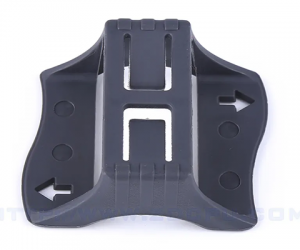
How Do You Successfully Injection Mold PTFE for Extreme Applications?
Introduction Imagine a plastic that nothing sticks to. One that withstands 260°C continuously. One that resists almost every chemical known—acids, bases, solvents, fuels. That’s PTFE —polytetrafluoroethylene. It’s the material behind...

Thermoset Molding Process: A Comprehensive Guide
What is the Thermoset Molding Process? The thermoset molding process, also known as thermoset plastic molding, is a manufacturing method that involves shaping thermosetting polymers into desired forms through the...