
Plastic & Metal industry knowledge
Transfer the value information of rapid prototypes, mold and injection molding industry
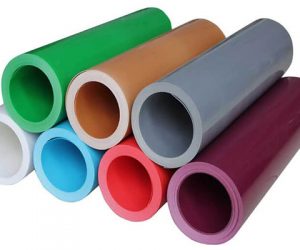
How to Master PP Plastic Injection Molding?
Introduction Polypropylene—PP —is one of the most widely used plastics in the world. It is in your car’s bumpers, your food containers, and your medical devices. Its combination of properties—chemical...
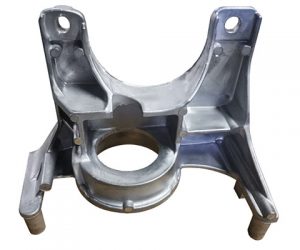
How Do Lathe Machining Parts Enhance Modern Manufacturing Precision and Efficiency?
Introduction Lathe machining parts are everywhere. They spin inside jet engines, transferring power through turbine blades machined to tolerances within microns. They form the backbone of automotive drivetrains, transmitting torque...
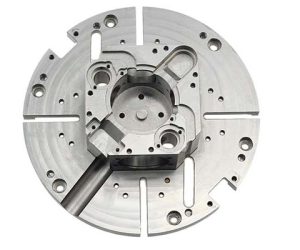
How Can You Master CNC Machining of 8620 Steel for Case-Hardened Components?
Introduction 8620 steel occupies a unique position among low-alloy steels. It offers an exceptional combination: a hard, wear-resistant surface after carburizing, paired with a tough, ductile core that resists impact...
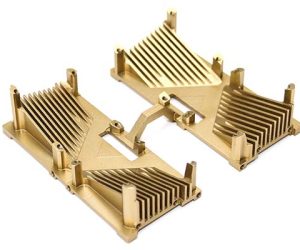
What Are the Key Benefits of Using Nylon in CNC Machining?
Introduction Nylon is everywhere in modern manufacturing. It spins inside automotive engines as timing gears. It supports heavy loads as conveyor rollers. It protects sensitive electronics as durable housings. Engineers...
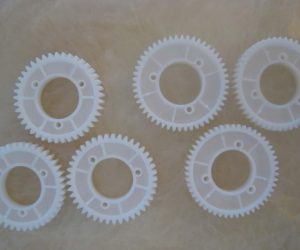
Can You 3D Print Glass-Filled Nylon for Strong Parts?
Introduction Glass-filled nylon sounds like exactly what you need. Stronger than regular nylon. Stiffer. More stable. Perfect for parts that actually have to work—gears, brackets, housings. But then you try...
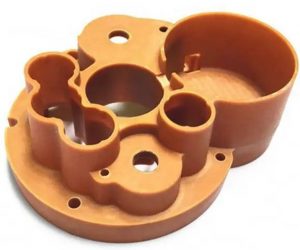
How Does Insert Molding Master Precision in Product Manufacturing?
Introduction Insert molding is a specialized manufacturing process that combines different materials into a single, integrated component. Pre-formed inserts—typically metal, but also ceramic or other plastics—are placed into a mold...
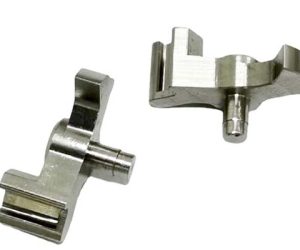
How Can You Master CNC Machining of Stainless Steel for Precision and Durability?
Introduction Stainless steel offers exceptional strength and corrosion resistance. But these advantages come with machining challenges. Work hardening increases cutting forces during operation. High cutting temperatures accelerate tool wear. And...
How Do You Master the Craft of Precise Component Machining Precision?
Introduction Precision is not just a specification. It is the difference between a component that performs reliably and one that fails. In aerospace, a turbine blade off by a fraction...
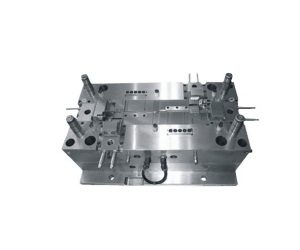
What Is Tungsten Carbide (YG8) and Why Is It Ideal for High-Wear Molding Applications?
Introduction Manufacturers working with abrasive materials face a persistent challenge. Glass-filled plastics, metal powders, and abrasive alloys wear down mold components quickly. Even high-strength steels struggle, with lifespans as short...
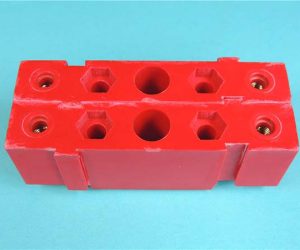
Who Is the Ultimate CNC Parts Supplier for Unmatched Precision?
Introduction In aerospace, a turbine blade must be machined to tolerances measured in microns. A deviation of 0.01 mm can reduce engine efficiency, increase fuel consumption, and compromise safety. In...
Can Hard Anodizing (Type III) Solve Your High-Wear Metal Component Challenges?
Engineers and manufacturers dealing with high-stress, high-friction applications know the struggle. Standard coatings scratch, wear down, or corrode too quickly. A hydraulic cylinder in heavy machinery might fail after 10,000...
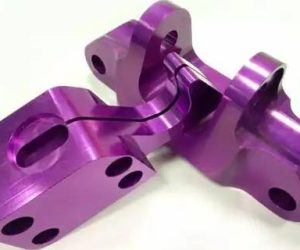
What Is Abrasive Water Jet Machining and Why Is It the "All-Round Cutting Tool"?
Introduction Hard materials that cannot be cut. Thin materials that deform easily. Precision parts damaged by heat. These are the challenges manufacturers face daily. Abrasive water jet machining solves them...
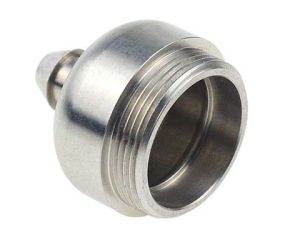
How to Select the Right Milling Manufacturer for Your Precision Needs?
Introduction The choice of a milling manufacturer directly impacts your product’s accuracy, cost, and market competitiveness. In automotive parts production, aerospace component processing, or medical device development, high-quality milling is...
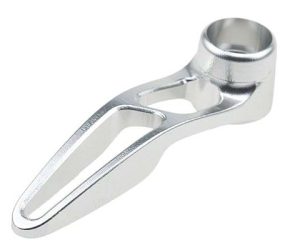
How Does Metal Stamping HSLA Steel Maximize Efficiency in Modern Manufacturing?
Manufacturers face a constant push. Parts must be stronger to meet safety standards. They must be lighter to improve fuel efficiency and reduce costs. And they must be affordable to...

How Does a Leading Plastic Fabrication Company Deliver Custom Manufacturing?
Introduction Custom plastic manufacturing is everywhere—yet most people never see it. The lightweight interior panels in your car, the biocompatible components in medical devices, the sleek casings of your smartphone—all...
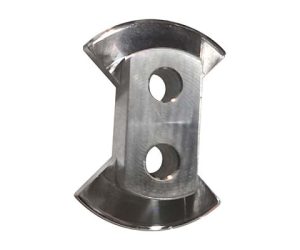
How Is Rapid Prototyping Revolutionizing Design in Mechanical Engineering?
Introduction Mechanical engineering has always been about turning ideas into physical reality. But the path from concept to component has traditionally been slow—weeks or months for a single prototype, costly...
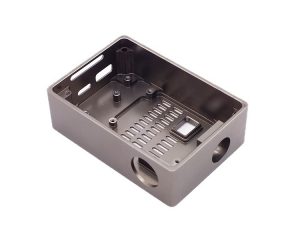
Which Insert CNC Turning Services Deliver Precision and Efficiency?
Introduction Every machined part starts with a cutting tool. In CNC turning, that tool is often an insert—a small, replaceable cutting edge that determines precision, surface finish, and productivity. Choose...
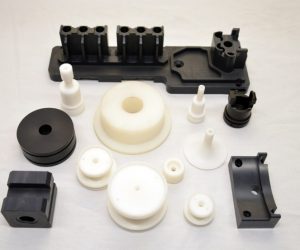
How Are Manufacturing Parts the Heartbeat of Industry?
Introduction Look around any industrial facility, and you’ll see the same story repeated: machines running, products moving, systems operating. But beneath the surface, it’s the manufacturing parts that make it...
How Is CNC Machining Mastering the Art of Precision with Titanium?
Introduction Titanium is often called a “miracle metal.” With a density of 4.51 g/cm³—about 60% that of steel—yet offering comparable strength, it provides a unique advantage where weight reduction is...
What Is Directed Energy Deposition 3D Printing and How Does It Work?
Introduction You have probably heard about 3D printing building parts layer by layer from powder beds. But what if you need to print something large—like a meter-long aerospace component? Or...