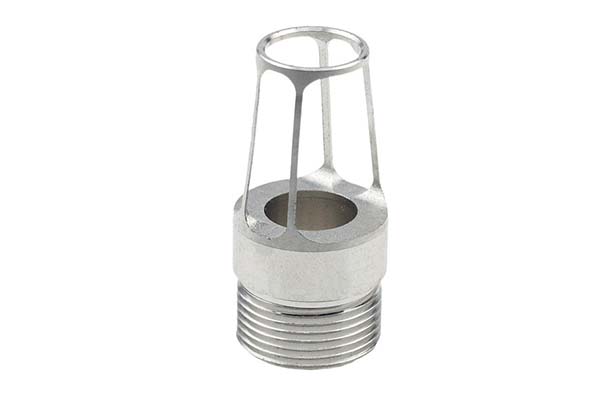
Machining fixtures are the unsung heroes of precision manufacturing, serving as critical work holding devices that secure workpieces during CNC milling, turning, grinding, and other machining operations. Their role in ensuring dimensional accuracy, operational efficiency, and workpiece stability cannot be overstated—whether you’re producing high-precision automotive components or large-scale industrial parts. This guide is designed for manufacturing engineers, CNC operators, and production managers who seek to master the fundamentals of machining fixtures, navigate the diverse types available, and make informed decisions about selection, design, and maintenance. We’ll dive into real-world case studies, actionable best practices, and expert insights to help you optimize your machining processes through effective fixture utilization.
What Are CNC Machining Fixtures, Exactly?
At its core, a machining fixture is a specialized workholding device used in manufacturing to locate, position, and secure a workpiece during machining operations. Unlike jigs (which guide cutting tools), fixtures focus solely on stabilizing the workpiece, ensuring it remains fixed relative to the machine tool’s cutting path. This stability is paramount for achieving consistent precision—even the most advanced CNC machine will fail to produce accurate parts if the workpiece shifts mid-operation.
Key Distinction: Fixtures vs. Jigs – A common point of confusion in machining is differentiating between fixtures and jigs. While both are workholding devices, jigs include built-in guides for cutting tools (e.g., drill jigs that align drill bits), whereas fixtures rely on the machine tool’s positioning system for tool guidance. For example, a milling fixture secures a workpiece during milling but does not guide the end mill—this is handled by the CNC program.
Why Are Machining Fixtures Critical in CNC Machining?
The importance of machining fixtures extends beyond basic workpiece stability; they are a cornerstone of efficient, high-quality manufacturing. Below are the core reasons fixtures are indispensable, supported by industry insights and data:
- Precision Assurance: According to a study by the Precision Machining Technology Association (PMTA), inadequate fixturing is responsible for 35% of dimensional errors in CNC parts. Fixtures ensure repeatable workpiece positioning, reducing tolerance deviations to as low as ±0.001 inches in high-precision applications.
- Operational Efficiency: Quick-change fixtures can reduce setup time by up to 60% compared to manual clamping methods (source: TiRapid Machining). This is especially critical in high-volume production, where setup time directly impacts throughput.
- Worker Safety: Unsecured workpieces pose a significant safety risk, as they can be dislodged by cutting forces. Fixtures eliminate this hazard by distributing clamping force evenly, keeping the workpiece stable even during high-torque operations like heavy milling.
- Cost Reduction: By minimizing scrap rates (due to improved precision) and reducing setup time, fixtures lower overall production costs. A case study by Michigan Manufacturing Technology Center found that implementing optimized fixturing reduced scrap rates from 8% to 2% for a automotive component manufacturer.
How Do Machining Fixtures Work?
The functionality of a machining fixture revolves around three core principles: location, clamping, and support. Here’s a step-by-step breakdown of their operation:
- Location: The fixture uses precision features (e.g., pins, slots, or surfaces) to position the workpiece in a fixed, known location relative to the machine tool’s coordinate system. This ensures that every workpiece is machined in the exact same position.
- Clamping: Once positioned, the fixture applies a controlled clamping force to secure the workpiece. The force must be strong enough to resist cutting forces but not so strong that it distorts the workpiece (a critical consideration for thin or delicate parts).
- Support: For large or irregularly shaped workpieces, the fixture provides additional support points to prevent deflection during machining. This is especially important for operations like deep-hole drilling or heavy milling, where cutting forces can cause workpiece movement.
- Machining: With the workpiece secured, the CNC machine executes the machining program. The fixture maintains the workpiece’s position throughout the operation, ensuring consistent accuracy across all parts.
Example: In a tombstone fixture (common in 5-axis CNC machining), the workpiece is mounted on a vertical "tombstone" structure. The fixture rotates the workpiece to allow access to multiple sides, eliminating the need for multiple setups. The location pins on the tombstone ensure the workpiece is aligned correctly, while hydraulic clamps secure it during rotation and machining.
Different Types of Machining Fixtures
Machining fixtures come in a wide range of designs, each tailored to specific machining operations, workpiece characteristics, and power sources. Below is a comprehensive classification of the most common types, organized by key categories:
Based on CNC Machining Operations
These fixtures are designed for use with specific machining processes, optimizing performance for the unique cutting forces and precision requirements of each operation:
| Fixture Type | Primary Use Case | Key Features | Example Application |
|---|---|---|---|
| Milling Fixtures | CNC milling operations (face milling, end milling) | High rigidity, multiple clamping points, compatible with 3-5 axis milling | Machining engine blocks |
| Turning Fixtures | CNC turning operations (lathe work) | Rotational stability, concentricity control, quick-change design | Manufacturing crankshafts |
| Grinding Fixtures | Precision grinding (surface grinding, cylindrical grinding) | Micron-level positioning accuracy, minimal workpiece distortion | Finishing bearing races |
| Drilling Fixtures | Precision hole drilling | Hole location guides, secure clamping for axial forces | Drilling bolt holes in flange plates |
| Boring Fixtures | Enlarging existing holes to precise diameters | Internal support for hole walls, concentricity control | Boring cylinder bores in hydraulic cylinders |
| Welding Fixtures | Securing workpieces during welding | Heat-resistant materials, adjustable positioning | Welding automotive frame components |
Based on Power Source
The power source of a fixture determines its clamping force, speed, and automation capability. The choice depends on production volume, workpiece size, and precision requirements:
- Manual Fixtures: Operated by hand (e.g., vice fixtures, clamp fixtures). Ideal for low-volume production or custom work. Advantages: Low cost, simple design, easy maintenance. Limitation: Slow setup time, inconsistent clamping force.
- Hydraulic Fixtures: Use hydraulic fluid to generate clamping force. Provide high, consistent force (up to 10,000 lbs) and fast actuation. Common in high-volume automotive manufacturing. Case Study: A tier-1 automotive supplier reduced setup time by 50% after switching from manual to hydraulic fixtures for engine component machining.
- Pneumatic Fixtures: Use compressed air for clamping. Faster than hydraulic fixtures but with lower force (up to 5,000 lbs). Suitable for light to medium-duty applications (e.g., electronics component machining).
- Electric Fixtures: Powered by electric motors or solenoids. Offer precise force control and compatibility with automated systems. Ideal for high-precision, high-volume production (e.g., medical device manufacturing).
- Magnetic Fixtures: Use permanent magnets or electromagnets to secure ferrous workpieces. No physical clamping points, making them ideal for thin parts or parts with complex geometries. Limitation: Only works with ferrous materials.
Based on Their Uses
These fixtures are categorized by their specific function or workpiece compatibility, addressing unique manufacturing challenges:
Key Note: Modular and custom fixtures are growing in popularity due to the rise of small-batch, custom manufacturing. Modular fixtures use interchangeable components to adapt to different workpieces, while custom fixtures are designed for one-of-a-kind or highly complex parts.
| Fixture Type | Unique Advantage | Best For |
|---|---|---|
| Vise Fixtures | Simple, versatile, easy to use | Small to medium-sized rectangular workpieces |
| Modular Fixtures | Interchangeable components, adaptable to multiple workpieces | Small-batch production, frequent workpiece changes |
| Vacuum Fixtures | No clamping marks, uniform pressure | Thin parts, delicate materials (e.g., aluminum sheets, plastic) |
| Tombstone Fixtures | Multi-sided access, reduces setup time | 5-axis CNC machining, high-volume production |
| Indexing Fixtures | Precise rotational positioning, repeatable angles | Parts requiring multiple angular features (e.g., gears, pulleys) |
| Custom Fixtures | Tailored to unique workpiece geometries | Complex parts, one-of-a-kind projects, high-precision requirements |
Main Components of a Machining Fixture
A well-designed machining fixture consists of several key components that work together to ensure location, clamping, and support. Understanding these components is critical for selecting, designing, and maintaining effective fixtures:
- Base Plate: The foundation of the fixture, mounted to the machine tool’s table. Provides rigidity and a reference surface for other components. Typically made from high-strength steel or cast iron for stability.
- Locating Elements: Features that position the workpiece (e.g., pins, pads, slots, or V-blocks). Must be precision-machined to ensure accurate workpiece alignment. For example, diamond pins are used to prevent over-location (restricting too many degrees of freedom).
- Clamping Elements: Devices that apply force to secure the workpiece (e.g., clamps, jaws, or hydraulic cylinders). The design must balance clamping force and workpiece integrity—too much force can distort thin parts, while too little can cause movement.
- Support Elements: Additional components (e.g., jackscrews, support blocks) that prevent workpiece deflection during machining. Critical for large or irregularly shaped workpieces.
- Guide Elements (if applicable): For fixtures that integrate jig functions (e.g., drill jigs), guide elements (e.g., bushings) ensure cutting tools are aligned correctly with the workpiece.
- Fastening Elements: Bolts, screws, and nuts that secure the fixture components together and attach the fixture to the machine tool. Must be high-strength to resist cutting forces.
How to Select the Right Machining Fixture
Selecting the correct machining fixture is a critical decision that impacts precision, efficiency, and cost. Below is a step-by-step framework to guide your selection process, along with key considerations and common pitfalls to avoid:
Step 1: Define Your Machining Requirements
Start by clarifying the core parameters of your machining operation:
- Machining Process: Are you milling, turning, grinding, or drilling? Different processes require fixtures optimized for their specific cutting forces.
- Workpiece Characteristics: Material (ferrous vs. non-ferrous, hard vs. soft), size (small vs. large), geometry (simple vs. complex), and thickness (thin vs. thick). For example, thin aluminum parts require vacuum fixtures to avoid distortion.
- Precision Requirements: What is the tolerance range? High-precision parts (±0.0005 inches) require fixtures with micron-level positioning accuracy.
- Production Volume: Low-volume (1-100 parts) may benefit from manual or modular fixtures, while high-volume (10,000+ parts) requires automated (hydraulic/pneumatic) fixtures to minimize setup time.
Step 2: Evaluate Custom vs. Standard Fixtures
The choice between custom and standard fixtures depends on your workpiece complexity and production needs:
| Factor | Standard Fixtures | Custom Fixtures |
|---|---|---|
| Cost | Lower upfront cost (readily available) | Higher upfront cost (design + manufacturing) |
| Lead Time | Short (in-stock, ready to use) | Long (2-6 weeks for design and production) |
| Compatibility | Limited to common workpiece geometries | Tailored to unique/complex workpieces |
| Efficiency | Adequate for simple parts | Higher efficiency for complex parts (reduced setup time, improved precision) |
| Best For | Low-volume, simple parts | High-volume, complex parts, custom projects |
Common Mistakes to Avoid in Fixture Selection
Even experienced manufacturers make mistakes when selecting machining fixtures. Below are the most common pitfalls and how to avoid them:
- Underestimating Cutting Forces: Choosing a fixture with insufficient clamping force leads to workpiece movement and scrap. Always calculate the maximum cutting force for your operation and select a fixture with a safety margin (typically 2x the calculated force).
- Ignoring Workpiece Distortion: Using clamping elements that apply uneven pressure can distort thin or soft parts. Opt for vacuum fixtures or low-profile clamps for these applications.
- Overlooking Machine Compatibility: Ensure the fixture fits the machine tool’s table size, T-slot spacing, and load capacity. A fixture that is too large or heavy can damage the machine or reduce stability.
- Choosing Cost Over Performance: While standard fixtures are cheaper upfront, they may increase long-term costs due to lower efficiency and higher scrap rates. For high-volume or high-precision applications, custom fixtures often provide a better return on investment.
Designing an Effective Machining Fixture
For complex or custom workpieces, designing a custom machining fixture may be necessary. The design process requires a combination of engineering expertise, manufacturing knowledge, and attention to detail. Below is a structured approach to fixture design:
Pre-Design Considerations
Before starting the design, gather all relevant information to ensure the fixture meets your needs:
- Workpiece Drawings: Review detailed CAD drawings to understand the workpiece’s geometry, dimensions, and tolerance requirements. Identify critical features that need to be located or protected.
- Machining Process Details: Determine the type of machining operation, cutting tools, and cutting parameters (speed, feed, depth of cut). This will help calculate the cutting forces and select appropriate clamping elements.
- Machine Tool Specifications: Verify the machine’s table size, T-slot dimensions, spindle speed, and load capacity. The fixture must be compatible with these specifications.
- Production Volume and Lead Time: High-volume production may require automated fixtures, while short lead times may favor modular designs that can be assembled quickly.
Design and Development Process
Follow these steps to design a functional, efficient fixture:
- Define Location Strategy: Determine the workpiece’s location points using the 3-2-1 principle (3 points on a primary surface, 2 on a secondary surface, 1 on a tertiary surface) to restrict all 6 degrees of freedom. Avoid over-location, which can cause workpiece distortion.
- Select Clamping Elements: Choose clamping elements that apply even pressure, avoid critical features, and resist cutting forces. For example, use edge clamps for parts with delicate surfaces or strap clamps for large, flat parts.
- Design the Base Plate: The base plate should be rigid enough to support the workpiece and clamping forces. Use ribbing or thick material to minimize deflection. Include mounting holes to attach the fixture to the machine table.
- Add Support Elements: For large or irregularly shaped workpieces, add support blocks or jackscrews to prevent deflection during machining. Ensure support points are placed under high-stress areas.
- Integrate Safety Features: Include safety guards or interlocks to prevent operator injury. Ensure the fixture has no sharp edges and is easy to load and unload.
- Validate with CAD Simulation: Use CAD software to simulate the fixture’s performance, checking for interference with the machine tool, cutting tools, and workpiece. Verify that the clamping force is sufficient to resist cutting forces.
Optimization and Implementation
Once the initial design is complete, optimize and test the fixture to ensure it meets your requirements:
- Prototype Testing: Build a prototype fixture and test it with a sample workpiece. Check for precision, workpiece stability, and ease of use. Make adjustments as needed.
- Optimize for Efficiency: Reduce setup time by adding quick-change components or automated clamping. Ensure the fixture is easy to clean and maintain.
- Cost Optimization: Evaluate material choices (e.g., using aluminum instead of steel for lightweight fixtures) and manufacturing processes (e.g., CNC machining vs. casting) to reduce costs without sacrificing performance.
Advanced Techniques in Machining Fixture Design
As manufacturing technology evolves, advanced techniques are emerging to improve the performance and efficiency of machining fixtures. Below are some cutting-edge approaches:
Design Automation
Design automation software (e.g., SolidWorks Fixture Design, Autodesk Fusion 360) streamlines the fixture design process by automating repetitive tasks. These tools can generate location points, select clamping elements, and validate designs in minutes, reducing design time by up to 40% (source: Taylor & Francis). For example, a manufacturer of aerospace components used design automation to reduce fixture design time from 2 weeks to 3 days.
Material Innovations
New materials are improving fixture performance: Composite Materials: Lightweight, high-rigidity composites (e.g., carbon fiber-reinforced polymers) are used for fixtures in high-speed machining, reducing machine tool load and improving acceleration.Heat-Resistant Alloys: For welding or high-temperature machining, heat-resistant alloys (e.g., Inconel) prevent fixture deformation.
Smart Fixturing
Smart fixtures integrate sensors (e.g., pressure sensors, position sensors) to monitor workpiece clamping force and position in real time. This data is fed back to the CNC machine, allowing for automatic adjustments to maintain precision. A case study by the International Journal of Advanced Manufacturing Technology found that smart fixturing reduced dimensional errors by 25% in high-volume automotive production.
Optimizing Fixtures for Different Workpiece Types
Different workpiece characteristics require specialized fixture solutions. Below are targeted strategies for common workpiece types:
Fixtures for High-Precision Components
High-precision parts (e.g., medical devices, aerospace components) require fixtures with micron-level accuracy: Use precision-ground locating elements (e.g., diamond pins, ceramic pads) to ensure consistent positioning.Opt for electric or hydraulic fixtures with precise force control to avoid workpiece distortion.Implement temperature compensation features, as temperature changes can affect fixture and workpiece dimensions.
Fixtures for Large Workpieces
Large workpieces (e.g., industrial machinery frames, wind turbine components) require fixtures with high rigidity and stability: Use large, thick base plates with ribbing to prevent deflection.Implement multiple clamping points and support elements to distribute weight and cutting forces.Consider modular fixtures for large parts, as they can be assembled on-site and adjusted to fit specific dimensions.
Fixtures for Complex Workpieces
Complex workpieces (e.g., irregularly shaped castings, 3D-printed parts) require custom or adaptable fixtures: Design custom locating elements that match the workpiece’s unique geometry.Use vacuum or magnetic fixtures to avoid clamping marks on complex surfaces.Implement indexing fixtures to access multiple sides of the workpiece without repositioning.
Fixtures for Thin Parts
Thin parts (e.g., aluminum sheets, plastic panels) are prone to distortion, requiring fixtures with gentle, uniform clamping: Use vacuum fixtures to apply uniform pressure across the workpiece surface.Opt for low-profile clamps with soft jaws to avoid indentation.Add support elements (e.g., honeycomb panels) to prevent deflection during machining.
Common Problems and Solutions with Machining Fixtures
Even well-designed machining fixtures can encounter problems during operation. Below are common issues, their root causes, and actionable solutions:
| Common Problem | Root Cause | Solution |
|---|---|---|
| Workpiece Movement | Insufficient clamping force, uneven pressure, or dirty locating surfaces | Increase clamping force (within safe limits), clean locating surfaces, add additional clamping points |
| Workpiece Distortion | Excessive clamping force, uneven pressure, or inadequate support | Reduce clamping force, use uniform pressure (e.g., vacuum fixtures), add support elements |
| Dimensional Errors | Inaccurate locating elements, fixture deflection, or temperature changes | Precision-grind locating elements, reinforce the fixture base, implement temperature compensation |
| Fixture Wear | Friction from repeated loading/unloading, cutting fluid corrosion | Apply wear-resistant coatings (e.g., nitride coating), use corrosion-resistant materials, regular maintenance |
| Long Setup Time | Manual clamping, complex locating setup | Switch to automated (hydraulic/pneumatic) clamping, use quick-change components, implement modular fixtures |
Maintaining and Caring for Machining Fixtures
Proper maintenance of machining fixtures is essential to ensure long-term performance, precision, and reliability. Below is a maintenance checklist and best practices:
Regular Maintenance Checklist
- Daily Maintenance: Clean locating surfaces, clamping elements, and the base plate to remove chips, cutting fluid, and debris. Inspect for loose fasteners and tighten as needed.
- Weekly Maintenance: Lubricate moving parts (e.g., clamping cylinders, indexing mechanisms) with the appropriate lubricant. Check for wear on locating elements and clamping jaws.
- Monthly Maintenance: Verify the fixture’s positioning accuracy using precision measuring tools (e.g., dial indicators, CMMs). Calibrate sensors for smart fixtures.
- Annual Maintenance: Disassemble the fixture for thorough cleaning and inspection. Replace worn components (e.g., bushings, seals, clamping jaws). Re-grind locating surfaces if necessary.
Maintenance Best Practices
- Use the Right Cutting Fluids: Choose cutting fluids that are compatible with the fixture’s materials to avoid corrosion. Regularly replace cutting fluids to prevent contamination.
- Store Fixtures Properly: When not in use, store fixtures in a clean, dry environment. Use protective covers to prevent dust, debris, and moisture buildup.
- Train Operators: Ensure operators are trained to handle fixtures correctly, including proper loading/unloading, cleaning, and lubrication. Avoid improper use (e.g., using the fixture as a workbench).
- Document Maintenance Activities: Keep a maintenance log to track inspections, repairs, and component replacements. This helps identify patterns and plan for future maintenance.
Alternative Workholding Devices to Machining Fixtures
While machining fixtures are the most common workholding solution, there are alternatives for specific applications. Below are some common alternatives and their best uses:
- Chucks: Used primarily in turning operations, chucks secure cylindrical workpieces by gripping the outer or inner diameter. Ideal for high-speed turning of round parts (e.g., shafts, pipes).
- Collets: Precision workholding devices that grip workpieces with a cylindrical or hexagonal cross-section. Offer high concentricity, making them ideal for high-precision turning and milling of small parts.
- Magnetic Workholding Plates: Similar to magnetic fixtures but are simpler in design. Used for ferrous workpieces in milling, grinding, or drilling operations. Best for flat parts with large surface areas.
- Vacuum Tables: Large vacuum workholding surfaces used for thin, flat parts (e.g., circuit boards, aluminum sheets). Provide uniform pressure across the entire workpiece surface.
- Jigs: As mentioned earlier, jigs guide cutting tools while securing the workpiece. Ideal for high-volume drilling, tapping, or reaming operations where tool alignment is critical.
FAQ About Machining Fixtures
Q1: What is the difference between a machining fixture and a jig? A1: A fixture secures and locates the workpiece during machining but does not guide the cutting tool. A jig, by contrast, includes built-in guides for cutting tools (e.g., drill bushings) to ensure precise tool alignment. Fixtures rely on the machine tool’s positioning system, while jigs are self-contained for tool guidance.
Q2: How do I choose between hydraulic and pneumatic machining fixtures? A2: Hydraulic fixtures provide higher clamping force (up to 10,000 lbs) and are ideal for heavy-duty applications (e.g., milling large steel parts) or high-volume production where consistent force is critical. Pneumatic fixtures are faster, lighter, and more cost-effective for light to medium-duty applications (e.g., machining electronics components) where lower force (up to 5,000 lbs) is sufficient.
Q3: Can I use the same fixture for multiple workpieces? A3: Yes, if the workpieces have similar geometries. Modular fixtures are designed for this purpose, using interchangeable components (e.g., locating pins, clamping jaws) to adapt to different workpieces. For workpieces with significantly different geometries, custom fixtures or multiple standard fixtures may be necessary.
Q4: What materials are best for machining fixtures? A4: The most common materials are high-strength steel (for rigidity and durability) and cast iron (for vibration damping). For lightweight applications, aluminum or composite materials (e.g., carbon fiber) are used. For high-temperature operations (e.g., welding), heat-resistant alloys (e.g., Inconel) are preferred.
Q5: How often should I calibrate my machining fixtures? A5: It depends on usage and precision requirements. For high-precision applications (±0.0005 inches), calibrate monthly. For standard applications, quarterly or semi-annually is sufficient. Always calibrate after a major repair, accidental damage, or if dimensional errors are detected.
Q6: Are custom machining fixtures worth the investment? A6: For high-volume production, complex workpieces, or high-precision requirements, yes. Custom fixtures reduce setup time, improve precision, and lower scrap rates, leading to long-term cost savings. For low-volume, simple parts, standard fixtures are typically more cost-effective.
Discuss Your Projects Needs with Yigu
At Yigu Technology, we understand that machining fixtures are critical to the success of your manufacturing projects. With over a decade of experience in precision machining and fixture design, our team of expert engineers specializes in delivering tailored workholding solutions that balance precision, efficiency, and cost-effectiveness.
Whether you need a standard vice fixture for low-volume production, a modular fixture for flexible manufacturing, or a custom fixture for complex, high-precision components, we work closely with you to understand your unique requirements. Our process includes detailed workpiece analysis, CAD simulation, prototype testing, and full-scale production—ensuring your fixture meets or exceeds your expectations.
We also offer comprehensive support, including fixture maintenance, calibration, and optimization services to keep your operations running smoothly. At Yigu Technology, we don’t just supply fixtures—we partner with you to optimize your machining processes and achieve better results.
Contact us today to discuss your project needs, and let our expertise in machining fixtures help you take your manufacturing to the next level.