Introduction
Plastic molding factories are the backbone of modern manufacturing. They transform raw plastic materials into the products that surround us—from the smartphone in your pocket to the dashboard in your car. The ability to produce high-quality parts at scale depends on three critical pillars: precision, efficiency, and innovation.
Precision ensures that every part meets exact specifications. Efficiency enables cost-effective production at volume. Innovation drives the development of new materials, processes, and designs that keep manufacturers competitive.
This guide explores how a plastic molding factory achieves these objectives. You will learn about advanced molding technologies, quality control systems, streamlined production processes, and the strategies that drive continuous improvement. Whether you are evaluating manufacturing partners or seeking to understand modern production methods, this guide provides valuable insights.
How Does a Factory Achieve Precision in Plastic Molding?
Precision is the foundation of quality. It ensures that parts fit together correctly, perform as intended, and meet customer expectations.
Advanced Molding Technologies
Different molding processes offer different precision capabilities. A factory equipped with multiple technologies can match the process to the application.
Injection Molding
Injection molding is the most common process for high-precision, complex parts. Molten plastic is injected into a steel mold cavity under high pressure.
Precision capabilities:
- Tolerances as tight as ±0.01 mm for precision components
- Consistent replication across millions of cycles
- Excellent surface finish (Ra < 0.8 µm)
Applications:
- Electronic connectors
- Medical device components
- Automotive sensors and housings
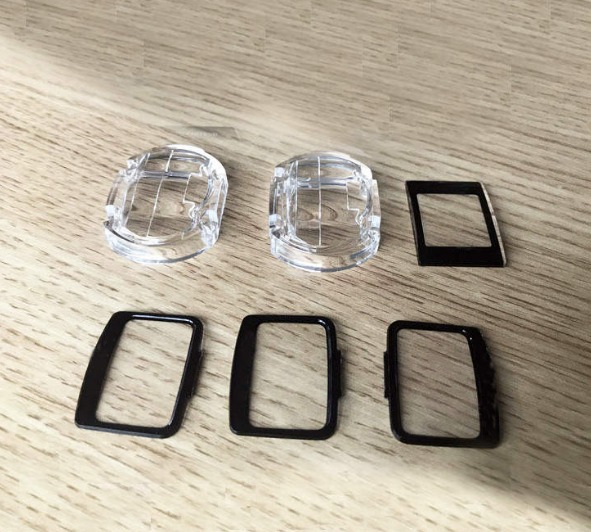
Real-world example: A factory producing smartphone camera rings uses injection molding to achieve tolerances of ±0.01 mm. The precision ensures the ring fits perfectly against the lens and maintains water resistance.
Blow Molding
Blow molding creates hollow plastic products like bottles and containers. A tube of molten plastic (parison) is inflated inside a mold cavity.
Precision capabilities:
- Wall thickness variation less than 0.1 mm
- Consistent neck finish for sealing
- Uniform material distribution
Applications:
- Beverage bottles
- Fuel tanks
- Industrial containers
Real-world example: A beverage company requires bottles with consistent wall thickness to withstand carbonation pressure. Advanced blow molding machines with precise air pressure control achieve wall thickness variation under 0.1 mm across millions of bottles.
Rotational Molding
Rotational molding produces large, hollow, seamless parts. Plastic powder is placed in a mold that rotates biaxially while heated, coating the interior evenly.
Precision capabilities:
- Uniform wall thickness throughout
- Seamless construction; no weld lines
- Consistent dimensions for large parts
Applications:
- Large storage tanks
- Kayaks and canoes
- Playground equipment
Precision-Oriented Quality Control
Precision requires rigorous quality control at every stage.
Raw Material Inspection
Every batch of incoming material is tested for critical properties:
| Property | Test Method | Why It Matters |
|---|---|---|
| Melt Flow Index (MFI) | Melt flow tester | Affects flow during molding; variation causes inconsistent fill |
| Density | Hydrometer or pycnometer | Impacts part weight and material usage |
| Moisture content | Moisture analyzer | Excess moisture causes voids and surface defects |
| Color | Spectrophotometer | Ensures batch-to-batch consistency |
Materials that do not meet specifications are rejected before they enter production.
In-Process Monitoring
Modern molding machines use sensors to monitor critical parameters on every cycle:
- Melt temperature – ±2°C control prevents degradation or poor flow
- Injection pressure – Monitored to detect fill issues
- Mold temperature – Uniform cooling prevents warpage
- Cycle time – Deviations indicate process drift
When parameters deviate from set limits, alarms trigger immediate operator action.
Final Product Inspection
Finished parts undergo comprehensive inspection:
| Inspection Method | What It Detects | Typical Standards |
|---|---|---|
| Automated Optical Inspection (AOI) | Surface defects, scratches, flash | No visible defects under controlled lighting |
| Coordinate Measuring Machine (CMM) | Dimensional accuracy | ±0.05 mm standard; ±0.01 mm for precision |
| Wall thickness measurement | Uniformity | ≤0.1 mm variation for blow molding |
| Mechanical testing | Tensile strength, impact resistance | Meets or exceeds material specifications |
How Does a Factory Maximize Efficiency?
Efficiency reduces costs, shortens lead times, and increases production capacity.
Streamlined Production Processes
Lean manufacturing principles eliminate waste in all forms.
Key Waste Categories:
| Waste Type | Description | Solution |
|---|---|---|
| Overproduction | Making more than needed | Pull-based production; build to order |
| Waiting | Idle machines or operators | Balanced workflows; quick changeovers |
| Transportation | Unnecessary movement of materials | Optimized facility layout |
| Inventory | Excess raw materials or finished goods | Just-in-time (JIT) delivery |
| Motion | Unnecessary operator movement | Ergonomic workstation design |
| Defects | Rework or scrap | In-process quality checks |
| Underutilized talent | Not leveraging employee expertise | Continuous improvement culture |
Real-world example: A factory implementing lean principles reduced production cycle time by 30% through:
- Reorganizing workstations to shorten material flow paths
- Implementing pull-based production based on customer orders
- Integrating quality inspection points directly into production lines
Before vs. After Optimization:
| Aspect | Before | After |
|---|---|---|
| Inventory | Large batches based on forecasts | Just-in-time; based on orders |
| Material flow | Long transport distances | Short, direct paths |
| Quality checks | Separate inspection area | In-line inspection |
| Defect detection | Late in process; rework required | Immediate; corrections at source |
High-Tech Equipment for Faster Output
Modern equipment delivers speed, automation, and energy efficiency.
High-Speed Injection Molding Machines
| Machine Type | Cycle Time | Output (per day) | Key Features |
|---|---|---|---|
| Traditional | 5–8 seconds | 10,000–15,000 | Hydraulic; moderate speed |
| High-speed | 2–3 seconds | 30,000–45,000 | Electric; precision control |
High-speed machines produce 3–4 times more parts per hour than traditional equipment.
Automation and Robotics
Automated systems improve consistency and reduce labor costs:
- Robotic part removal – Parts are extracted immediately after ejection
- Automated degating – Runners trimmed without manual labor
- Vision inspection – 100% quality checks at production speed
- Material handling – Automated feeding and drying
Robotic arms achieve placement tolerances of ±0.5 mm, ensuring consistent part handling.
Energy Efficiency
Modern machines incorporate energy-saving features:
| Feature | Energy Savings |
|---|---|
| Servo-driven hydraulics | 30–50% less energy than fixed-displacement pumps |
| All-electric machines | 50–70% less energy than hydraulic equivalents |
| Insulated barrels | Reduced heat loss; lower heating costs |
Lower energy consumption reduces both operating costs and environmental impact.
How Does Innovation Drive Factory Performance?
Innovation keeps factories competitive, enables new capabilities, and opens new markets.
Continuous Improvement Culture
Innovation is not a one-time event; it is a continuous process. Successful factories foster a culture where all employees contribute ideas.
Elements of an Innovative Culture:
- Employee suggestion programs – Front-line operators know where improvements are needed
- Cross-functional teams – Engineers, operators, and quality staff collaborate on solutions
- Experimentation – Test new processes; learn from failures
- Data-driven decisions – Use production data to identify improvement opportunities
New Materials and Processes
Innovation expands what is possible.
Material Innovations:
| Material Type | Innovation | Applications |
|---|---|---|
| Biodegradable plastics | PLA, PHA from renewable sources | Sustainable packaging; disposable products |
| High-performance composites | Carbon-fiber reinforced thermoplastics | Aerospace; automotive lightweighting |
| Conductive plastics | Polymers with conductive fillers | EMI shielding; printed electronics |
| Medical-grade materials | Biocompatible; sterilizable | Implants; surgical instruments |
Process Innovations:
| Process | Innovation | Benefit |
|---|---|---|
| Injection molding | Conformal cooling (3D-printed channels) | 20–40% cycle time reduction |
| Multi-shot molding | Two materials in one cycle | Eliminates assembly; integrated seals |
| Gas-assist molding | Nitrogen gas creates hollow sections | Reduced weight; eliminated sink marks |
| Micro molding | Parts with micron-level features | Medical implants; micro-optics |
Collaboration with Research Institutions
Leading factories partner with universities and research centers to access cutting-edge developments.
Benefits of Collaboration:
- Early access to new material formulations
- Expertise in advanced process simulation
- Access to specialized testing equipment
- Talent pipeline for recruitment
Market-Driven Customization
Innovation responds to market demands. Factories must be able to develop customized solutions quickly.
Examples of Market-Driven Innovation:
| Market Trend | Factory Response |
|---|---|
| Smaller electronics | Micro molding capabilities; tighter tolerances |
| Lightweight automotive | Glass-filled composites; thin-wall molding |
| Medical device growth | Cleanroom molding; biocompatible materials |
| Sustainability demands | Recycled content; biodegradable materials |
Real-world example: A consumer electronics manufacturer needed a thinner, lighter laptop housing with integrated structural reinforcement. The factory developed a gas-assist molding process with glass-filled polycarbonate, reducing weight by 25% while maintaining stiffness. The innovation enabled the product to meet its design targets.
What Are the Key Performance Indicators?
Factories measure success through specific metrics.
Precision Metrics
| Metric | Target | Measurement Method |
|---|---|---|
| Dimensional capability (Cpk) | >1.33 | Statistical analysis of dimensional data |
| First-pass yield | >98% | Parts passing all inspections on first attempt |
| Tolerance achievement | ±0.05 mm standard; ±0.01 mm precision | CMM measurements |
Efficiency Metrics
| Metric | Target | Measurement Method |
|---|---|---|
| Overall Equipment Effectiveness (OEE) | >85% | Availability × Performance × Quality |
| Cycle time | Optimized per part | Machine cycle counters |
| Scrap rate | <2% | Weight of scrap ÷ total material used |
| Changeover time | <30 minutes | Time from last good part to next good part |
Innovation Metrics
| Metric | Measurement |
|---|---|
| New products introduced | Number of new part numbers annually |
| Process improvements | Implemented changes with measurable impact |
| R&D investment | Percentage of revenue reinvested |
| Patents filed | Intellectual property generation |
What Role Does the Factory Play in Customer Success?
A well-run plastic molding factory is more than a supplier—it is a strategic partner.
Early Design Involvement
Factories with strong engineering capabilities contribute during the design phase:
- Design for manufacturability (DFM) reviews
- Material selection guidance
- Tolerance feasibility analysis
- Cost optimization suggestions
Supply Chain Reliability
- Consistent on-time delivery (target >99%)
- Safety stock for critical components
- Transparent communication on lead times
Continuous Cost Reduction
Factories invest in process improvements that benefit customers:
- Lower per-part costs through efficiency gains
- Reduced tooling amortization over longer production runs
- Material cost management through strategic sourcing
Conclusion
A world-class plastic molding factory achieves excellence through three interconnected pillars: precision, efficiency, and innovation.
Precision comes from advanced molding technologies, rigorous quality control, and in-process monitoring. Tolerances as tight as ±0.01 mm ensure parts meet exact specifications.
Efficiency results from lean production processes, high-speed equipment, and automation. Cycle time reductions of 30% and scrap rates below 2% drive cost-effectiveness.
Innovation emerges from continuous improvement culture, new materials and processes, collaboration with research institutions, and responsiveness to market demands.
Together, these capabilities enable factories to produce high-quality plastic parts at scale, meeting the diverse needs of automotive, medical, electronics, and consumer goods industries.
Frequently Asked Questions (FAQ)
How does a plastic molding factory ensure product precision?
Precision is ensured through advanced molding technologies (injection, blow, rotational molding), rigorous quality control including raw material inspection and in-process monitoring, and precision measurement equipment like CMMs and optical inspection systems. Tolerances as tight as ±0.01 mm are achievable for precision components.
What are the main factors affecting factory efficiency?
Key factors include process design (lean manufacturing, pull-based production), equipment capability (high-speed machines, automation), workforce skills (trained operators and technicians), and management systems (production scheduling, quality monitoring). Factories achieving high efficiency typically have OEE scores above 85%.
Why is innovation important for a plastic molding factory?
Innovation enables factories to stay competitive by developing new capabilities, meet evolving market demands for lighter, stronger, or more sustainable products, reduce costs through process improvements, and enter new markets with specialized offerings. Factories that innovate can differentiate themselves from competitors.
What certifications should a quality plastic molding factory have?
Key certifications include ISO 9001 (quality management), ISO 13485 (medical devices), IATF 16949 (automotive), and ISO 14001 (environmental management). Industry-specific certifications demonstrate commitment to quality and compliance.
How can I evaluate a plastic molding factory before partnering?
Evaluate facility cleanliness and organization, equipment condition and age, quality control processes (documentation and testing), certifications, engineering capabilities (DFM, mold design), production capacity (machine sizes and counts), and customer references. A factory visit is highly recommended to assess these factors firsthand.
Contact Yigu Technology for Custom Manufacturing
At Yigu Technology, we combine precision, efficiency, and innovation in every project. Our factory is equipped with advanced injection molding, blow molding, and rotational molding capabilities, supported by rigorous quality control systems.
Our strengths include:
- Precision molding – Tolerances as tight as ±0.01 mm
- High efficiency – Lean production; high-speed equipment; automation
- Innovation focus – Continuous improvement; new materials and processes
- Full service – Design support, mold making, production, finishing
- Quality certifications – ISO 9001; industry-specific standards
We serve automotive, medical, electronics, and consumer goods industries with custom plastic components. From prototypes to high-volume production, we deliver quality parts that meet your specifications.
Contact us today to discuss your project. Let our expertise help you achieve your manufacturing goals.