
Plastic & Metal industry knowledge
Transfer the value information of rapid prototypes, mold and injection molding industry
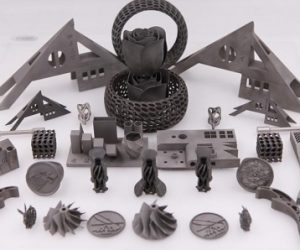
What Are the Key Advantages of Additive Manufacturing Technologies?
Introduction Manufacturing has always been about transformation—turning raw materials into useful objects. For centuries, that meant cutting away what wasn't needed (subtractive) or forcing material into molds (formative). Additive manufacturing—building...
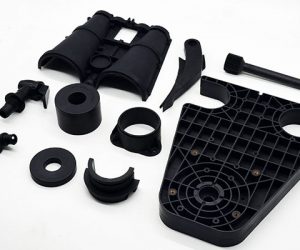
How Does Gas Injection Moulding Improve Plastic Part Quality?
Introduction Gas injection moulding is a specialized manufacturing process that solves problems traditional injection moulding struggles with. Sink marks, warpage, and excessive weight in thick sections—these common defects have a...
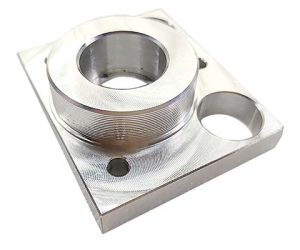
What Are the Different Types of Machining Products and Their Applications?
Introduction In modern manufacturing, machining products stand as the cornerstone, playing an indispensable role across a multitude of industries. Machining—a fundamental manufacturing process—involves removing material from a workpiece to achieve...
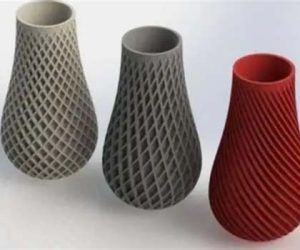
Can You Master 3D Printing ABS? A Guide to Taming This Versatile Thermoplastic
Introduction ABS (Acrylonitrile Butadiene Styrene) is everywhere. It's the plastic in LEGO bricks, car dashboards, power tool housings, and drone frames. It's strong, tough, and heat-resistant. But anyone who's tried...
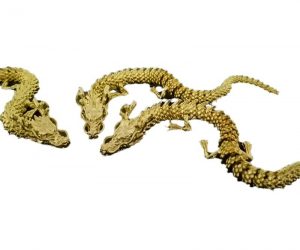
Can Mechanical Finishing Deliver the Precision and Durability Your Metal Parts Need?
Manufactured parts often leave the production line with flaws. Rough edges, uneven surfaces, and tiny burrs can compromise performance. A gear might wear prematurely due to surface friction. A medical...
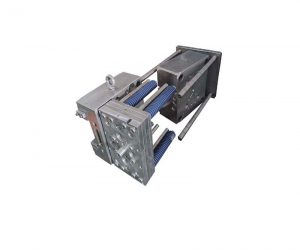
What Are the Best Plastic Mold Steels for Precision and Durability?
Introduction Every manufacturer knows the frustration. A mold scratches after a few hundred cycles. A tool corrodes from mold release agents. A surface finish fails to meet cosmetic standards. These...
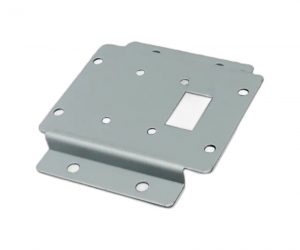
What Are the Key Factors for Ensuring Precision in Machined Parts?
Introduction Machined parts are components created through processes like milling, turning, drilling, and grinding. The primary goal is to transform raw materials—often metal or plastic—into components that meet specific, precise...
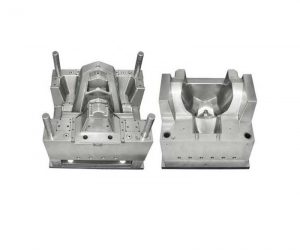
How Can 3D Printing Molds Transform the Way You Make Plastic Parts?
Introduction For decades, making injection molds meant one thing: CNC machining. Cut away metal from a solid block until the desired shape emerges. It works. It's precise. But it has...
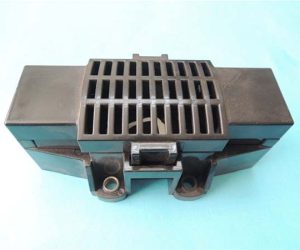
How Is Precision Prototyping Shaping Advanced Manufacturing?
Introduction In advanced manufacturing, the difference between success and failure often comes down to precision. A deviation of a fraction of a millimeter in an aerospace component can mean catastrophic...
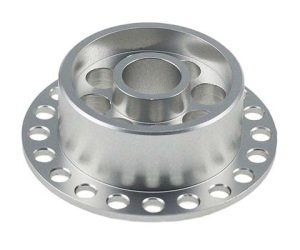
What Are the Benefits of Using Large CNC Milling Machines?
Introduction In modern manufacturing, large CNC milling machines have emerged as indispensable powerhouses. These advanced pieces of equipment are not just another tool in the factory—they are the linchpins that...
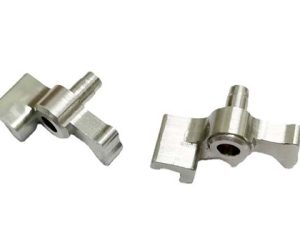
What Services Does a Precision Machining Company Offer?
Introduction In modern manufacturing, precision machining companies stand as indispensable pillars. They are the driving force behind high-quality, custom-engineered components that meet the most exacting standards. From aerospace to medical,...
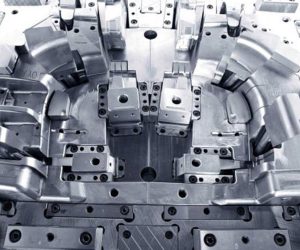
How Can Co-injection Molding Enhance Part Performance and Cost?
Co-injection Molding is an advanced manufacturing process that creates a single, multi-layered plastic part by injecting two different materials sequentially into the same mold cavity. This technique, also called sandwich...
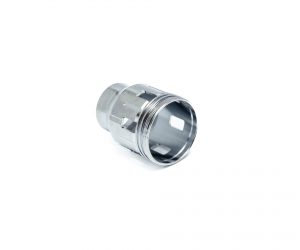
How Does Aluminum CNC Machining Unlock Precision for Modern Manufacturing?
Introduction Aluminum CNC (Computer Numerical Control) machining is a cutting-edge manufacturing method that employs computer-controlled machines to produce parts from aluminum. This technology allows manufacturers to craft components with exceptional...
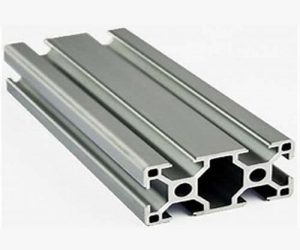
What Makes SUS430 Sheet Metal a Cost-Effective Choice?
Introduction You need stainless steel for a project. But the price of 304 or 316 stretches your budget. Is there a middle ground—a material that offers corrosion resistance without the...
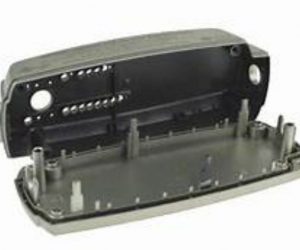
Burr Injection Molding: Causes, Effects and Solutions
Understanding Burr Injection Molding Definition and Basics Burr injection molding refers to an issue in the injection molding process where unwanted thin, sharp edges or protrusions, known as burrs, form...
How to CNC Machine PEEK for High-Performance Components?
Introduction Polyetheretherketone (PEEK) is a high-performance thermoplastic that combines exceptional mechanical strength, high-temperature resistance, and chemical stability. With continuous use temperatures up to 260°C and tensile strength of 90–100 MPa,...
Are 3D Printed Fasteners the Future of Assembly?
Introduction Fasteners are the unsung heroes of manufacturing. Screws, bolts, nuts, washers, rivets—they hold our world together. Every product, every machine, every structure depends on them. But what if you...
What Are Real Advantages and Disadvantages of Plastic Mold Injection Molding?
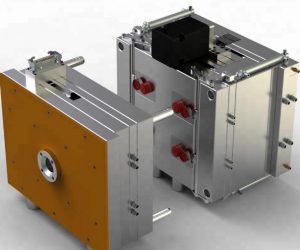
Plastic mold injection molding offers unmatched efficiency and design flexibility for high-volume production but requires significant upfront investment and design constraints that make it less suitable for low-volume applications. When...
What Is Jetting 3D Printing and Why Is It Revolutionary?
Introduction Imagine a 3D printer that works like an inkjet printer—but instead of depositing ink on paper, it deposits liquid plastic, wax, or even metal, building objects layer by layer...
How Is Injection Molded Plastic Revolutionizing Manufacturing?
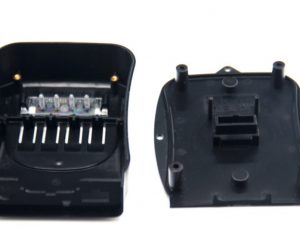
Introduction Look around you. The smartphone in your hand. The car you drive. The medical device at your doctor’s office. What do they have in common? They all rely on...