
Plastic & Metal industry knowledge
Transfer the value information of rapid prototypes, mold and injection molding industry
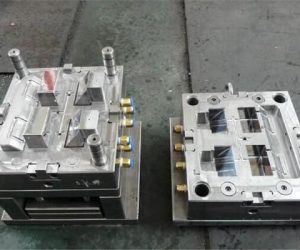
What Are the Advantages and Applications of Machined Plastic Parts?
Machined plastic parts offer unique advantages over metals, including lightweight construction, chemical resistance, electrical insulation, and design flexibility, making them ideal for demanding applications in medical, aerospace, and electronics industries....
What Is CNC PCB Milling and How Does It Work for Precision Circuit Boards?
Introduction Traditional PCB manufacturing methods, such as chemical etching, have long been a staple in the industry. Chemical etching involves using corrosive chemicals—ferric chloride or ammonium persulfate—to remove copper from...
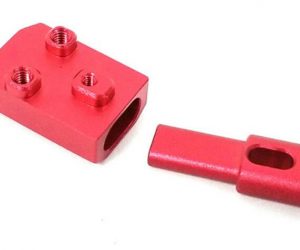
What Is Cryogenic Milling and How Does It Work?
Cryogenic milling is a precision machining process that transforms the way we handle challenging materials. By integrating extreme cold into the cutting operation, it solves problems of heat generation, tool...
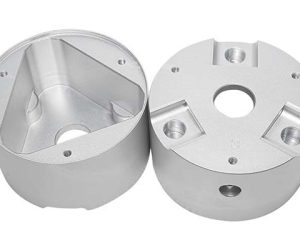
What Factors Affect Milling Tolerance?
Introduction In the intricate world of manufacturing, milling tolerance stands as a cornerstone concept. It is the allowable deviation from a specified dimension—the range within which a final product’s dimensions...
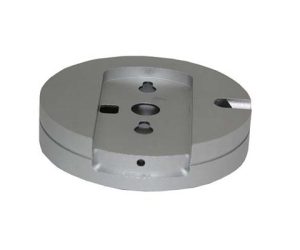
What Is Sheet Metal Stamping and How Does It Work for Your Project?
Making complex metal parts in large volumes requires efficient processes. Sheet metal stamping delivers high-quality components with speed and consistency. This guide explains how stamping works, what types exist, and...
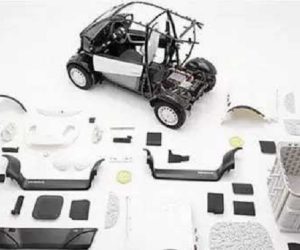
Can a 3D Printer Really Revolutionize Car Part Manufacturing?
Introduction The automotive industry has always been about efficiency, precision, and innovation. For over a century, car parts have been made the same way—casting, forging, machining. These methods work, but...
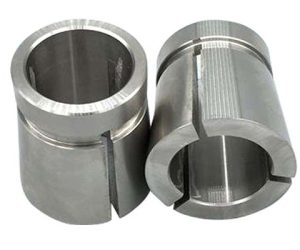
How Do You CNC Machine AL7050 T7451 for High-Strength Aerospace Components?
Introduction Manufacturers working with AL7050 aluminum alloy in the T7451 temper often face daunting challenges. Its exceptional strength—while a boon for high-performance applications—makes CNC machining notoriously tricky. Common pain points...
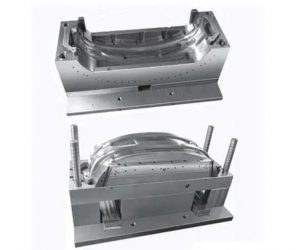
A Guide to Injection Moulding Process: Everything You Need to Know
What is the Injection Moulding Process? The injection moulding process is a widely used manufacturing method for producing plastic parts. It involves several key steps that transform raw plastic materials...
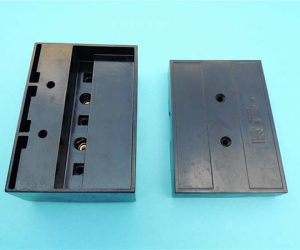
How to CNC Machine Nylon 20% GF for Balanced Strength and Machinability?
Introduction Nylon 20% GF (20% glass fiber reinforced nylon) strikes a unique balance between performance and processability. Compared to unfilled nylon, the glass fibers increase abrasiveness—leading to faster tool wear....
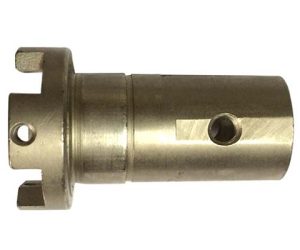
How Do You Master the Art of CNC Turning for Precision Machining?
Introduction CNC turning relies on a precise combination of G-codes (motion commands) and M-codes (auxiliary functions). Key G-codes include G00 (rapid positioning), G01 (linear interpolation), G02/G03 (clockwise/counterclockwise arcs), and G96...
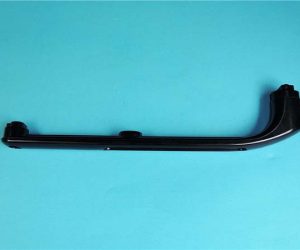
What Do You Need to Know About Rapid Prototype Manufacturing?
Introduction You have a design. You need a physical prototype—fast. But which method should you choose? How accurate will it be? What will it cost? Rapid prototype manufacturing encompasses a...
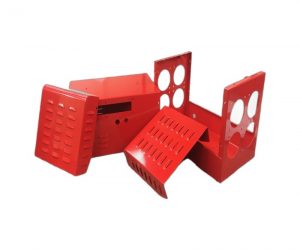
How Are Turned Components Revolutionizing Precision Parts?
Introduction In the intricate world of precision parts, turned components stand as the unsung heroes, forming the very foundation of countless mechanical and technological marvels. Crafted through the precision machining...
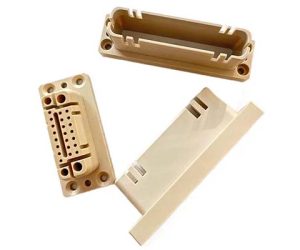
How Do You Select and Optimize Machining Processes for Precision Manufacturing?
Introduction As a core part of manufacturing, machining processes directly determine the precision, efficiency, and cost of products. Whether it is traditional lathe processing or cutting-edge additive manufacturing, choosing the...
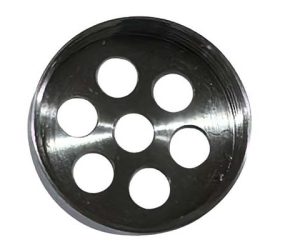
What Makes Lead-Based Alloys Valuable in Die Casting?
Introduction Lead-based alloys have been used in metal casting for decades. They offer unique properties that other materials cannot match. Low melting points make them easy to cast. High density...
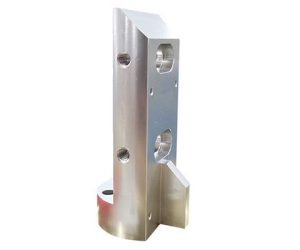
How Do You Overcome the Challenges of Titanium Machining for High-Performance Components?
Introduction Titanium machining is known for its difficulties, making it a tough nut to crack for many manufacturers. One of the biggest headaches is excessive tool wear—tools often lasting only...
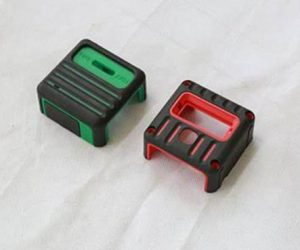
How Can Custom Machined Parts Accelerate Your Product Development?
Custom machined parts enable rapid, precise, and flexible product development by transforming digital designs into functional physical components without the delays or costs of traditional tooling. For engineers, designers, and...
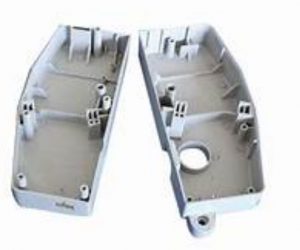
How Do Precision Parts Manufacturers Help You Stay Ahead of the Competition?
Introduction In today’s highly competitive business landscape, precision parts manufacturers play a pivotal role in helping companies gain a competitive edge. These manufacturers are the unsung heroes behind the scenes,...
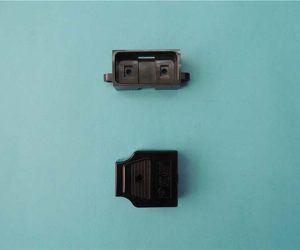
How Is Customized 3D Printing Shaping the Future of Manufacturing?
Introduction For centuries, manufacturing meant one thing: making the same thing over and over. Economies of scale demanded it. Tooling costs required it. If you wanted something unique, you paid...
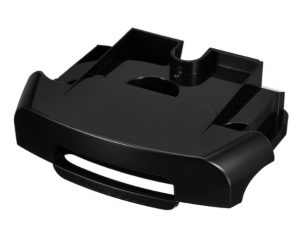
Molding Process in Manufacturing: A Comprehensive Guide
Introduction What is Molding Process? The Molding Process is a fundamental manufacturing technique that involves shaping materials by heating them and injecting or pressing them into a mold. Once the...
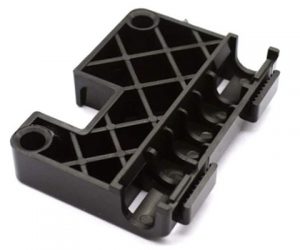
How Is CNC Metal Milling Shaping the Future of Precision Engineering?
Introduction In the fast-evolving landscape of modern manufacturing, precision stands as the bedrock upon which innovation thrives. Nowhere is this more evident than in industries where the tiniest deviation in...