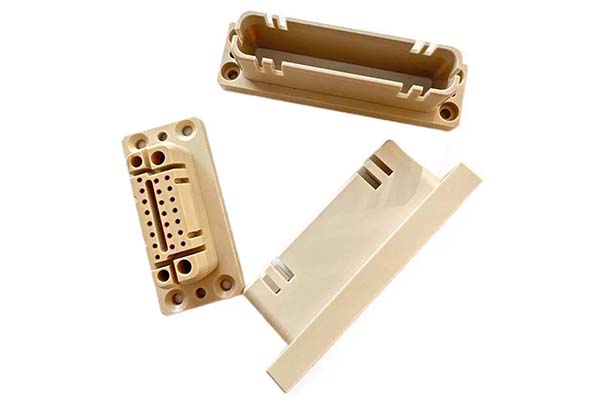
As a core part of manufacturing, machining processes directly determine the precision, efficiency, and cost of products. Whether it is traditional lathe processing or cutting-edge additive manufacturing, how to choose the appropriate process and optimize the parameter configuration according to the needs is the most concerned issue for engineers and production managers. This article will comprehensively dismantle the core logic and practical solutions of machining for you from basic technology to intelligent upgrades, combined with actual cases and data.
1. Traditional processing technology: how to choose the cornerstone of the manufacturing industry?
Traditional processing technology is still the mainstream choice for mass production due to its mature and reliable characteristics. The applicable scenarios and processing effects of different processes vary significantly, and precise selection is the first step to improve efficiency.
1. Turning: The "precision engraver" of rotating parts
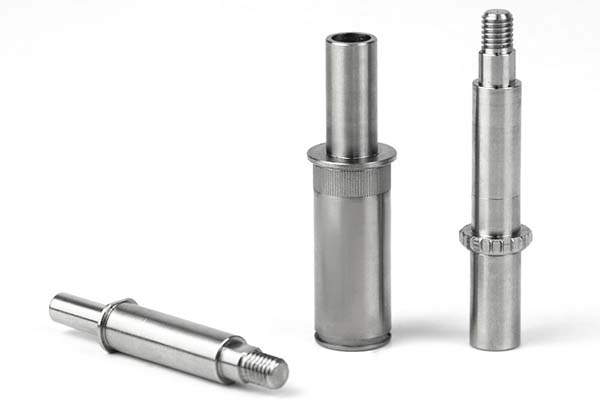
Turning is a process that realizes machining through the rotation of the workpiece and the linear feed of the tool, and the core advantage is the outer circle, inner hole and thread processing of shaft and disc parts. For example, in the production of auto parts, CNC turning is required for engine crankshaft machining, and the roundness tolerance of the φ50mm journal is ≤0.005mm and the surface roughness is Ra≤0.8μm through multi-tool holder linkage.
Applicable scenarios: shafts, sleeves, discs and other rotary body parts, the materials cover steel, aluminum, copper and other metal materials, the processing time of a single piece is usually 1-15 minutes, and the scrap rate can be controlled within 0.3% during mass production.
2. Milling: The "all-rounder" of complex structures
Milling uses the rotational motion of multi-flute tools to process complex structures such as planes, grooves, and tooth profiles, which are divided into vertical milling and horizontal milling. When processing the middle frame of a mobile phone, a precision mold factory uses a high-speed milling process, with a tool speed of 12000rpm and a feed rate of 500mm/min, and successfully realizes the special-shaped groove processing of the aluminum alloy middle frame, with a tolerance control of ±0.01mm.
Key advantages: Complex surfaces and polyhedra can be machined, multi-station continuous machining with fixtures is suitable for small to medium-volume production, and machinability has a significant impact on machining efficiency – for example, stainless steel has a milling efficiency of only 40% of that of aluminum alloys.
3. Drilling and Grinding: The "Last Mile" of Precision
Drilling focuses on round hole processing, commonly used drill bits with a diameter range of 0.1-100mm, which is indispensable in the assembly hole and oil circuit hole processing of mechanical parts. As a finishing process, grinding achieves micron-level accuracy through high-speed rotation of the grinding wheel, and is often used for the final processing of key components such as mold cavities and bearing rings, with a surface finish of Ra 0.025μm.
4. Other traditional crafts: "supporting roles" in their own duties
Sawing is used for cutting raw materials, with high efficiency but low precision; Planing is suitable for flat machining of large parts, with low cost per piece; broaching can process complex internal holes or tooth shapes at one time, suitable for mass production; shaping is customized for special curved surfaces through molds or special tools.
2. Advanced special processing: breaking through the traditional "black technology"
When traditional processes cannot meet the needs of high-precision, complex structures, or special material processing, advanced special processing technology becomes a solution, promoting the development of the manufacturing industry to a higher dimension.
1. CNC Machining: The Digital "Production Revolution"
CNC machining controls machine tool movements through computer programs to achieve automated, high-precision machining. Compared with traditional manual operation, CNC machining can achieve a repeat positioning accuracy of up to ±0.001mm, increasing production efficiency by 3-5 times. In the aerospace field, a company used five-axis linkage CNC machining technology to process complex curved surfaces of engine blades made of superalloy Inconel 718, successfully reducing the machining cycle from 48 hours to 12 hours, and increasing the pass rate from 85% to 99.2%.
Core equipment: CNC controller (numerical control controller) is the core brain, mainstream brands include Fanuc, Siemens, Mitsubishi, support complex programming and real-time monitoring.
2. EDM vs. Laser Cutting: The "Precision Engraving" of Energy
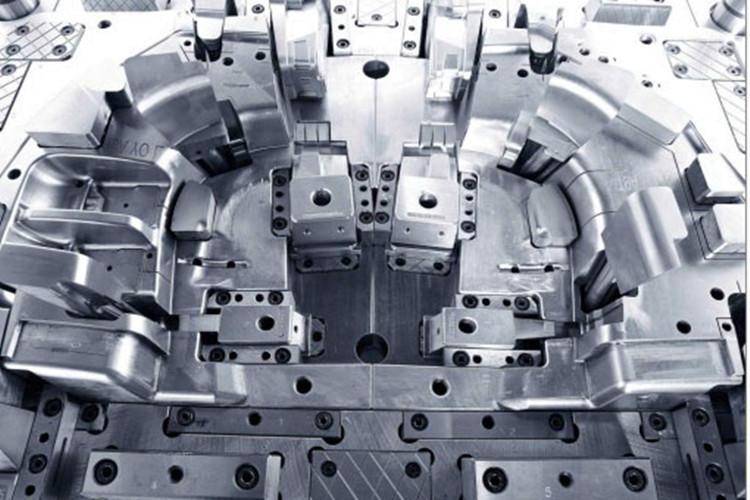
EDM (Electrical Discharge Machining) uses pulsed electrical discharge corrosion materials between the electrode and the workpiece, and is suitable for processing superhard materials with hardness exceeding HRC60, such as mold steel and carbide. A mold factory uses EDM to process the micro cavity of the injection mold, with a dimensional accuracy of ±0.002mm and a surface roughness of Ra 0.2μm, solving the problem that traditional tools cannot cut.
Laser cutting melts or vaporizes materials through high-energy laser beams, with a cutting speed of up to 10m/min and a cut width of only 0.1-0.3mm, making it suitable for high-precision cutting of stainless steel, carbon steel, acrylic, and other materials. Data shows that laser cutting has a material utilization rate of 15%-20% higher than traditional blanking processes, making it particularly suitable for small-batch, personalized product production.
3. Waterjet and additive manufacturing: an innovative "two-way breakthrough"
Waterjet cutting uses high-pressure water flow (pressure up to 400MPa) to achieve heat-free machining with mixed abrasives, suitable for heat-sensitive materials (such as titanium alloy, glass) and flammable and explosive materials, and the cutting process is deformed and burr-free. A medical device company used water jet to cut titanium alloy orthopedic implants, avoiding the impact of high temperature on material biocompatibility, and the product qualification rate increased to 99.5%.
Additive manufacturing, commonly known as 3D printing, revolutionizes the machining logic of complex structures by stacking materials layer by layer to form parts. In the aerospace field, NASA uses metal additive manufacturing technology to produce rocket engine combustion chambers, reducing the number of parts from more than 100 to one, reducing weight by 40% and cost by 30%. Currently, mainstream technologies include SLM (Selective Laser Melting) and EBM (Electron Beam Melting), which can process metal materials such as titanium alloys, aluminum alloys, and stainless steel.
4. Composite Machining: A "Double Upgrade" of Efficiency and Precision
Hybrid machining integrates a variety of machining processes, such as turning-milling and laser-milling compounding, to achieve "one-time clamping, full machining". An auto parts company used a turning-milling composite machining center to machine gear shafts, reducing the 8 processes of the traditional process to 2 steps, shortening the machining cycle from 60 minutes to 15 minutes, improving dimensional accuracy by 20%, and reducing tool wear by 30%.
3. Process parameters and quality control: How to balance efficiency and precision?
At its core, machining quality depends on the optimal configuration of process parameters, and quality control is key to ensuring product consistency. Mastering the following core points can effectively reduce the scrap rate and improve production efficiency.
1. The three elements of cutting: the balance of speed, feed and depth
Cutting speed, feed rate, and depth of cut are known as the "three elements of cutting", and their combination directly affects machining efficiency and tool life:
| Craftsmanship | Recommended cutting speed (m/min) | Feed rate (mm/r) | Depth of Cutting (mm) | Applicable materials: |
| Turning (steel) | 100-200 | 0.1-0.3 | 1-5 | 45# steel, Q235 |
| Milling (Aluminum) | 300-600 | 0.2-0.5 | 0.5-3 | 6061 Aluminum Alloy |
| Drilling (copper) | 200-400 | 0.05-0.2 | 1/3 of the diameter of the drill bit | Copper, brass |
Practical experience: When processing hard materials, "low speed, small feed, shallow depth" should be used; When processing soft materials, "high speed, large feed, large depth" can be used. For example, when machining stainless steel 304, the turning speed is recommended to be controlled at 80-120m/min, if the speed is too high, the tool wear will increase by more than 5 times.
2. Quality Control Core Indicators: From Finish to Precision
- Surface finish: affects the wear resistance and sealing of parts, the lower the Ra value, the better, precision parts usually require Ra ≤ 0.8μm, ultra-precision parts need to reach Ra ≤ 0.025μm.
- Tolerance: According to the product use, it is divided into IT01-IT18 levels, and IT7-IT11 levels are commonly used in machining, such as gear transmission tolerance needs to be controlled at IT7 level (±0.015mm).
- Machining accuracy: including dimensional accuracy, shape accuracy, and positional accuracy, the positional accuracy of five-axis CNC machining can reach ±0.005mm.
Case sharing: A precision instrument factory produces sensor housings, using "rough milling-finishing-grinding" three-stage processing, by controlling the tolerance accumulation of each process, the flatness of the housing is finally realized to ≤ 0.003mm, which meets the installation requirements of the sensor.
3. Tool wear and cutting fluids: the "guardians" of the machining process
Tool wear is a critical factor affecting machining quality and cost, with common forms of wear including front face wear, rear tool face wear, and boundary wear. Using coolant reduces cutting temperatures by 30%-50%, reduces tool wear by more than 40%, and improves surface finish.
Tool selection skills: Carbide tools are preferred for processing steel parts, ceramic tools are recommended for processing superalloys, and tool coating is recommended For example, TiN and TiAlN can extend the tool life by 2-3 times. For example, a machine shop used TiAlN-coated carbide tools to machine high-strength steel, extending tool life from 2 hours to 6 hours and reducing machining costs by 30%.
4. Processing system and automation: how to implement intelligence?
The core trend of modern processing systems is automation, flexibility and intelligence, through equipment upgrades and system integration, to achieve double improvement of production efficiency and competitiveness.
1. Core machining equipment: from lathes to machining centers
- Lathe: Traditional lathes are suitable for simple rotary body machining, while CNC lathes achieve automated production, with spindle speeds of up to 6000rpm, suitable for batch machining of shaft parts.
- Machining center: integrating milling, drilling, boring and other functions, divided into vertical, horizontal and gantry type, an electronic equipment factory uses a vertical machining center to process mobile phone holders, a single equipment daily production capacity of 5,000 pieces.
2. Automation and Flexible Manufacturing: Say goodbye to "crowd tactics"
Automation technology includes automatic loading and unloading, automatic inspection, and automatic tool change, and an auto parts company introduced a robotic loading and unloading system that reduced production line workers by 60%, increased production efficiency by 80%, and increased product consistency from 95% to 99.8%.
FMS (Flexible Manufacturing System) realizes the rapid switching of multi-mix and small-batch production through the integration of multiple processing equipment, robots, and logistics systems. For example, an FMS system in a machine shop can process eight different gear models at the same time, reducing changeover time from 2 hours to 15 minutes and increasing equipment utilization from 60% to 85%.
3. Intelligent upgrades: IoT and robot applications
Robotics in machining has been widely used in welding, assembly, loading and unloading, and collaborative robots can work together with humans, with high safety and flexibility. IoT monitoring technology collects equipment operation data (such as spindle temperature, tool vibration, and machining accuracy) in real time through sensors to achieve remote monitoring, fault warning, and predictive maintenance. A machine tool factory's IoT system can warn of tool failures three days in advance, avoiding losses caused by sudden downtime and increasing equipment overall effectiveness (OEE) by 15%.
5. Materials and Tools: The "Soul" and "Blade" of Machining
The characteristics of the workpiece material and the choice of tool directly determine the feasibility and efficiency of machining, and mastering the following points can achieve "adapting to the apparatus".
1. Workpiece Material: From metal to composite
Workpiece materials are divided into metallic materials (steel, aluminum, copper, titanium alloys, etc.) and non-metallic materials (plastics, ceramics, composites, etc.), and their machinability (machinability) is significant:
| Material type | Machinability grade | Recommended tool material | Processing difficulties |
| Aluminum alloy 6061 | Easy to process | High-speed steel, carbide | Easy to stick knives, need to control the cutting temperature |
| 45# steel | Medium processing | Carbide | The cutting force is large, and the tool is easy to wear |
| Stainless steel 304 | Difficult to process | Coated carbide | Poor thermal conductivity and severe work hardening |
| Titanium alloy Ti6Al4V | Extremely difficult to process | Ceramic, PCD cutters | High temperature strength and easy to stick to the knife |
| Carbon fiber composites | Special processing | Diamond cutters | Easy to stratify and collapse edges |
Case: An aviation company used ceramic tools and high-pressure cooling systems to process titanium alloy aircraft landing gear parts, increasing the cutting speed from 50m/min to 120m/min, increasing machining efficiency by 140%, and reducing tool costs by 50%.
2. Tool Innovation: Breakthroughs from materials to coatings
The development trend of tools is "high performance, long life, and versatility". Carbide tools occupy the mainstream of the market, accounting for more than 60%, and their hardness can reach more than HRC70, which is suitable for processing most metal materials; Ceramic tools have strong high temperature resistance (up to 1200°C), suitable for processing superalloys and superhard materials; Tool coating technology has been upgraded, and AlCrN coating is 3 times more resistant to wear than traditional TiN coatings, making it suitable for high-speed cutting.
Selection Recommendations: Choose tools based on materials and processes, such as diamond-coated tools for aluminum alloys, TiAlN-coated carbide tools for stainless steel, and specialized diamond tools for composite materials.
6. Yigu Technology's views
The development of machining technology has always revolved around the three core demands of "precision, efficiency and cost". From the optimization of traditional processes to the breakthrough of advanced technology, from manual operation to intelligent automation, the manufacturing industry is undergoing a profound transformation. In the future, the processing process will pay more attention to green environmental protection (such as dry cutting, energy-saving equipment), extreme precision (sub-micron machining) and digital twin (virtual simulation optimization). Enterprises should balance technological advancement and cost feasibility according to their own product needs, and enhance core competitiveness through process upgrades, equipment updates and talent training. For engineers, it is not only necessary to master the technical details of a single process, but also to have cross-process and cross-system integration capabilities in order to gain a foothold in the era of intelligent manufacturing.
7. FAQ
- Q: What is the core difference between turning and milling?
A: Turning is the rotation of the workpiece and the fixed feed of the tool, which is suitable for rotary body parts; milling is the rotation of the tool and the movement of the workpiece, which is suitable for complex flat and curved surface machining. The machining efficiency and precision of both have their own emphasis, and they need to be selected according to the part structure.
- Q: How to choose cutting fluid?
A: Emulsion can be used to process ferrous metals such as steel and cast iron (cooling and lubrication are taken into account); Recommended cutting oil (anti-stick knife) for processing aluminum alloy, copper and other non-ferrous metals; Synthetic cutting fluid (good cooling and high cleanliness) can be used for high-speed cutting or precision machining.
- Q: Can additive manufacturing completely replace traditional processing?
A: Not at the moment. Additive manufacturing is suitable for complex structures and small batch production, but the production efficiency is low and the surface accuracy is limited; Traditional processing is suitable for large quantities and high-precision simple parts, and the two are highly complementary, and a composite processing mode of "additive + subtractive" will be formed in the future.
- Q: How to reduce tool wear?
A: Optimize the three elements of cutting (avoid excessive speed and feed), select appropriate tool materials and coatings, use cutting fluid rationally, regularly detect tool wear and replace them in time, and avoid severely hardened materials.
- Q: Is there a big difference in cost between CNC machining and ordinary machining?
A: The initial investment of CNC equipment is 3-5 times higher than that of ordinary equipment, but when mass production, CNC machining has a lower unit cost (high efficiency and low scrap rate). Ordinary processing can be used for small batch production (≤ 100 pieces), and CNC machining is recommended for large batch production.