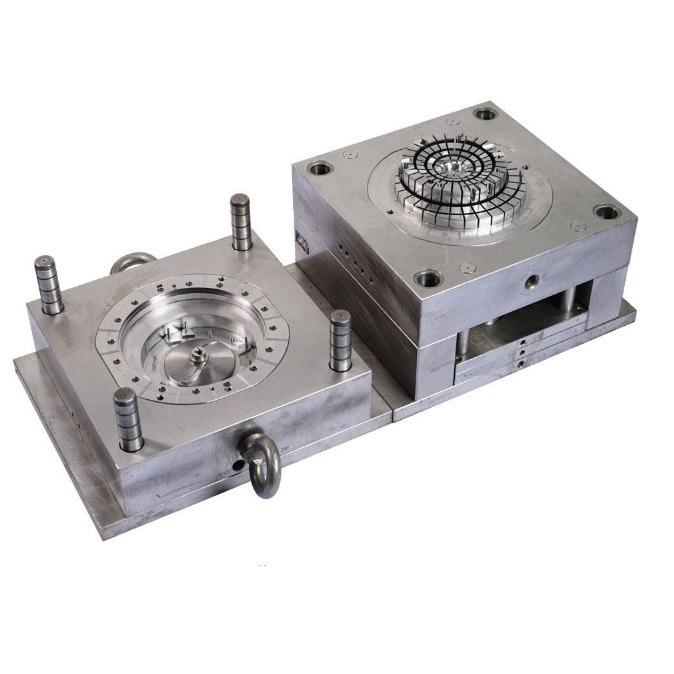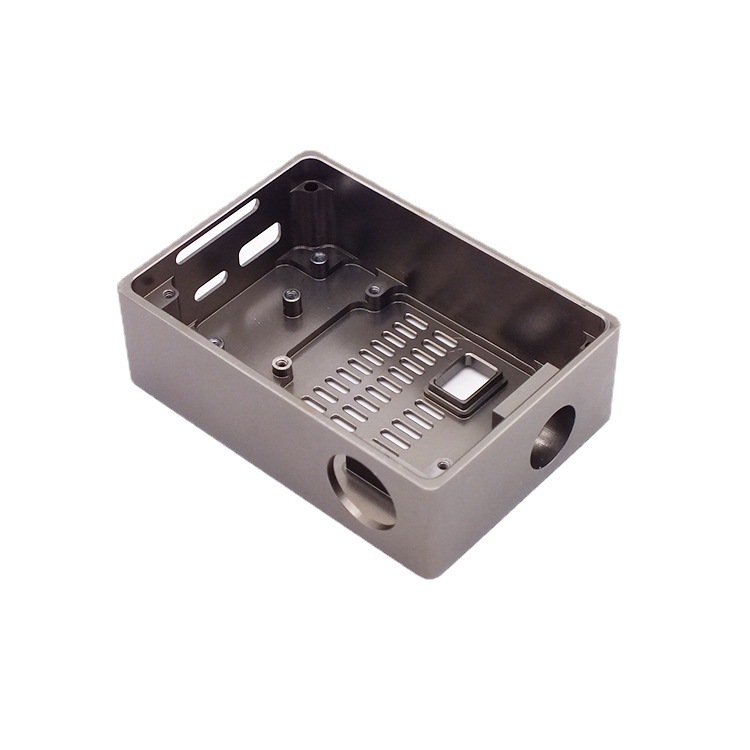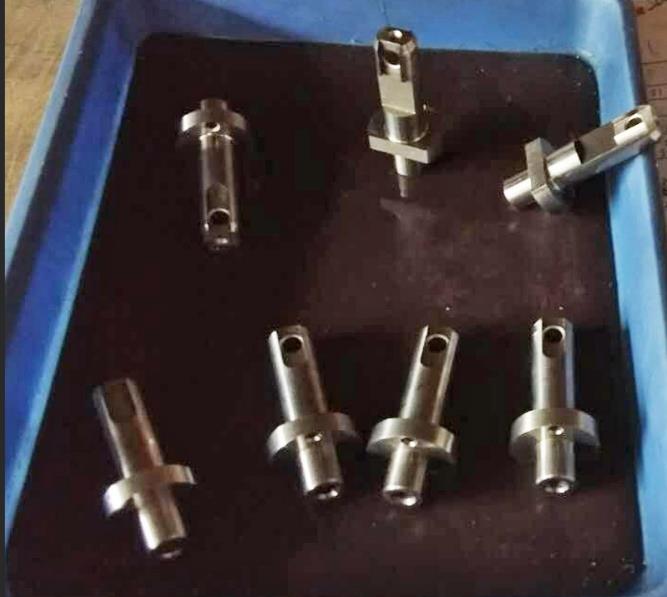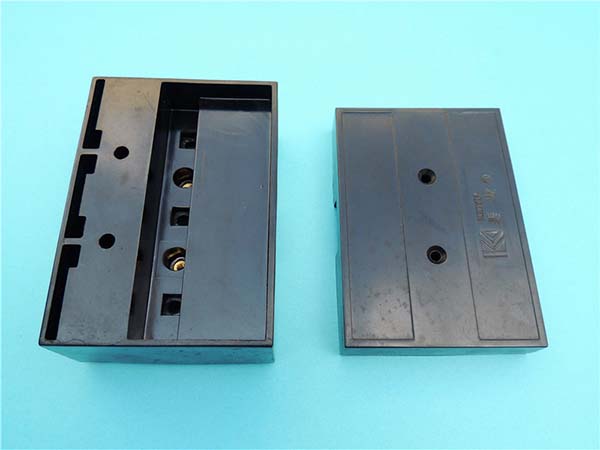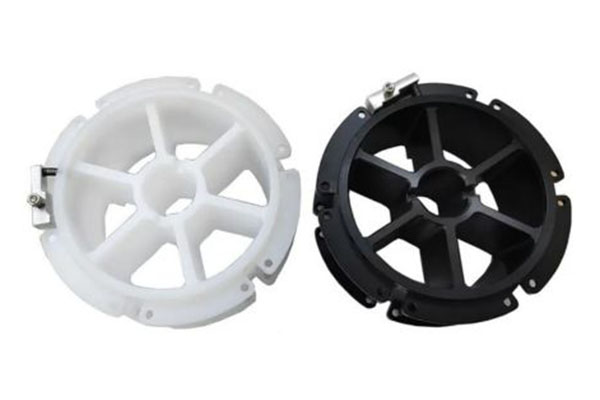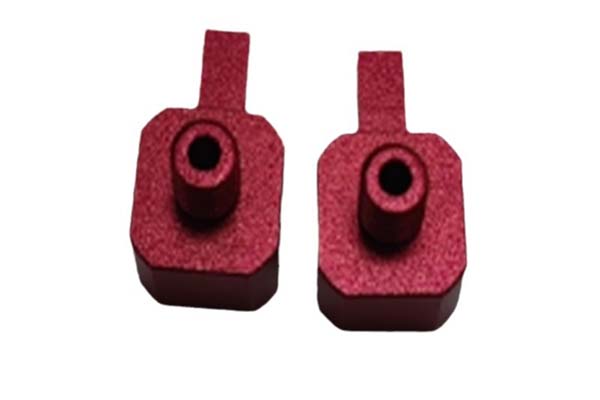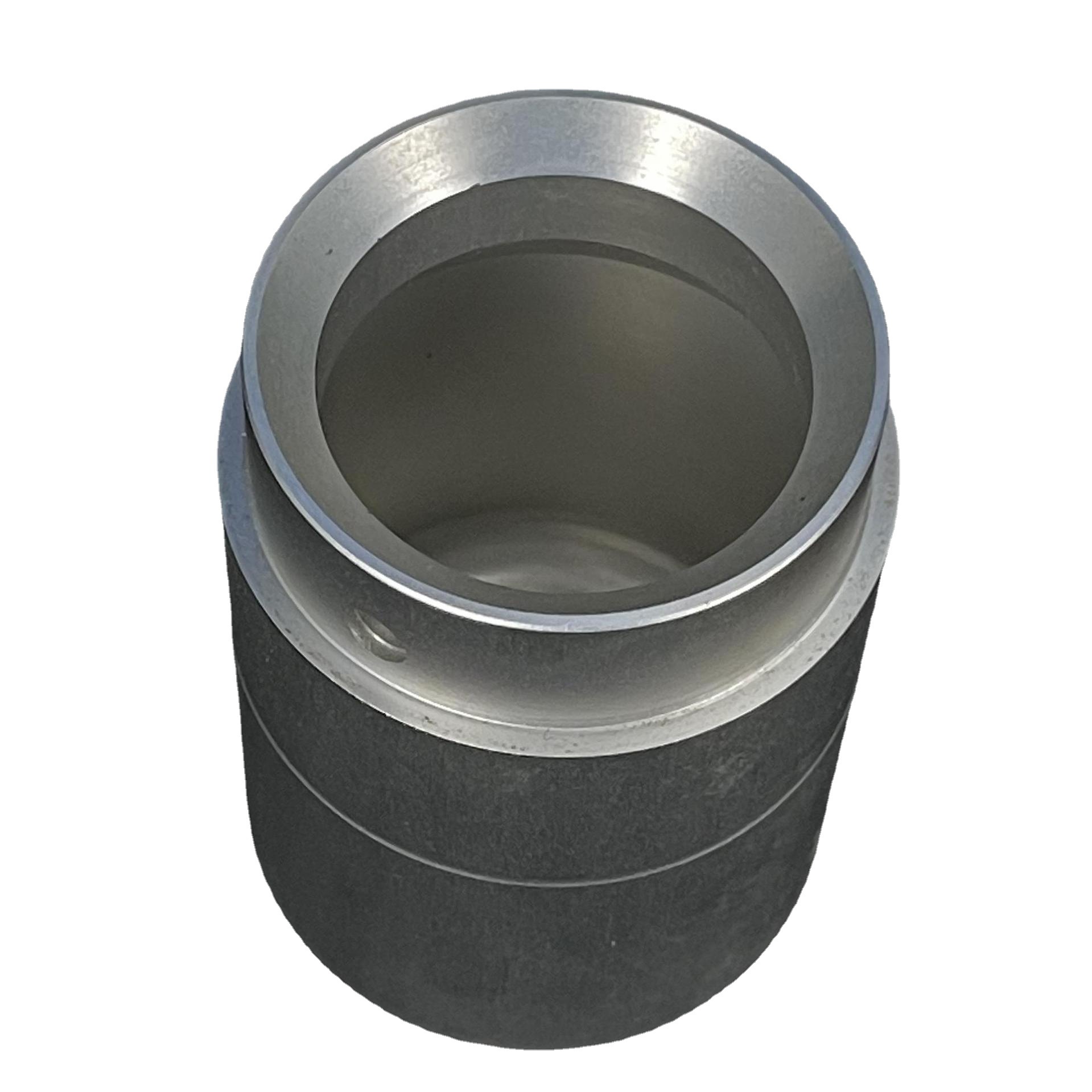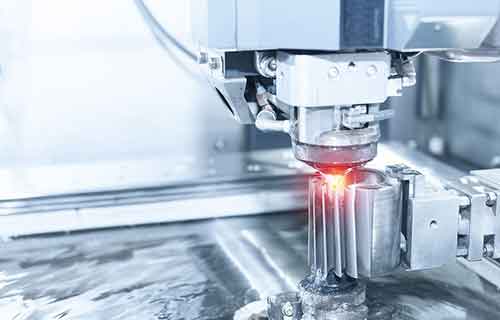
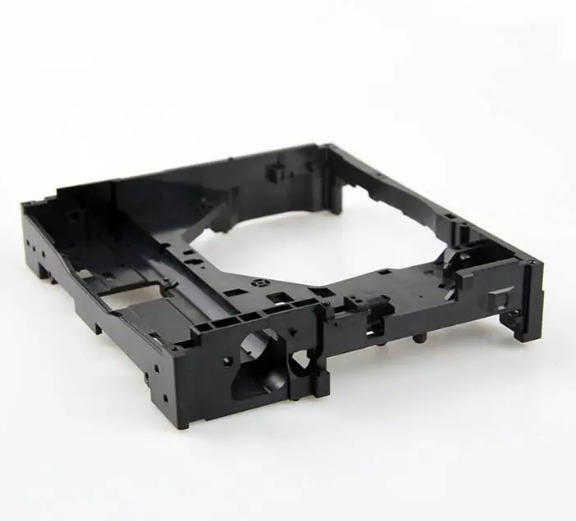
Nylon CNC machining is a cornerstone process for creating durable, high-performance components where the superior mechanical properties of nylon are required but injection molding tooling is impractical. As a versatile engineering thermoplastic, nylon (polyamide) offers an exceptional blend of strength, wear resistance, and chemical resilience. However, successfully machining it requires a nuanced understanding of its unique behaviors—hygroscopicity, thermal sensitivity, and chip formation. This guide is designed for engineers, machinists, and buyers who need to leverage nylon CNC machining effectively. We will explore the critical properties, optimal grades, precise tooling strategies, and common pitfalls to transform nylon stock into precise, functional parts for demanding applications.
What is Nylon CNC Machining?
Nylon CNC machining is the subtractive manufacturing process of using computer-controlled mills, lathes, or routers to cut, drill, and shape solid blocks (or "blanks") of nylon plastic into finished components. Unlike nylon injection molding, which is optimal for high-volume production of net-shape parts, CNC machining is the preferred method for:
- Prototypes and Low-Volume Production: Where the cost of a mold is prohibitive.
- Large, Thick Parts: Exceeding practical size limits for molding.
- Parts Requiring Ultra-Tight Tolerances or Complex Internal Features: Difficult to achieve with molding.
- Custom One-Offs and Replacement Parts.
Why Choose Nylon for CNC Machining Projects?
Nylon is selected for projects demanding a specific balance of properties that metals or other plastics cannot provide:
- High Strength-to-Weight Ratio: It offers remarkable tensile and impact strength while remaining lightweight.
- Excellent Wear and Abrasion Resistance: Ideal for gears, bushings, and sliding components, often outperforming metals in unlubricated service.
- Good Chemical Resistance: Withstands oils, fuels, and many solvents.
- Self-Lubricating Properties: Certain grades, especially those with MoS2 (molybdenum disulfide) fillers, have a low coefficient of friction.
- Electrical Insulation and High Service Temperature.
How Does Nylon Compare to Other Engineering Plastics?
Understanding nylon's position in the material landscape is key to proper selection.
| Property / Material | Nylon (PA 6/66) | Acetal (POM) | Polycarbonate (PC) | ABS |
|---|---|---|---|---|
| Tensile Strength | Very High | High | High | Moderate |
| Impact Toughness | High | Good | Excellent | Good |
| Wear/Abrasion Resistance | Excellent | Very Good | Fair | Fair |
| Moisture Absorption | High (a key challenge) | Very Low | Low | Low |
| Machinability | Good (with correct technique) | Excellent | Fair (can be gummy) | Good |
| Cost | Moderate | Moderate | Moderate | Lower |
Key Takeaway: Choose nylon over acetal when higher strength, better heat resistance, or superior wear performance is needed, and be prepared to manage its moisture sensitivity.
What are the Key Properties of Nylon that Affect Machining?
Two properties dominate the machining process:
- Hygroscopic Nature: Nylon absorbs moisture from the air. This causes dimensional instability—the part will swell as it absorbs water and shrink if it dries out during machining, leading to inaccurate final dimensions.
- Low Thermal Conductivity & High Melting Point: Nylon does not dissipate heat well from the cutting zone. While its melting point is high (~220°C for PA6), localized heat can cause the material to soften, melt, and re-weld to the tool (built-up edge), creating a poor surface finish.
Which Nylon Grades are Best for CNC Machining?
Not all nylons are created equal. Selecting the right grade simplifies machining and optimizes part performance.
- Cast Nylon (PA 6 Cast): Often sold as "Machining Stock." It is polymerized into large blanks or rods, resulting in a more homogeneous, stress-free structure with superior dimensional stability compared to extruded grades. It is the first choice for precision CNC machining.
- Extruded Nylon (PA 6 or PA 66): More common for standard rods and sheets. Can have internal stresses from extrusion, leading to potential warping during machining.
- Filled Nylons:
- Glass-Filled (e.g., PA 6/30% GF): Significantly increases stiffness, strength, and heat deflection temperature. However, it is highly abrasive on cutting tools.
- MoS2-Filled: Improves lubricity and wear resistance, slightly easier to machine than glass-filled.
- Recommendation: For most CNC projects, start with Cast Nylon 6. It machines cleanly, holds dimensions well, and is widely available.
Tool Selection and Cutting Parameters
Success hinges on sharp tools, high speeds, and adequate cooling.
- Tool Material: Sharp, uncoated or polished carbide end mills are ideal. Avoid coatings like TiAlN that can increase friction. High-speed steel (HSS) tools dull quickly.
- Tool Geometry: Use tools with high helix angles (45°-60°) and polished flutes for efficient chip evacuation. Sharp cutting edges are mandatory to shear the material cleanly rather than rubbing.
- Cutting Parameters:
- High Cutting Speed (SFM): 500-800 SFM for un-filled nylon. This creates a clean shear before heat builds up.
- High Feed Rate: Maintain a consistent and sufficiently high feed per tooth (0.005-0.015 inches). Slow feeds cause rubbing, heat buildup, and melting.
- Depth of Cut: Use moderate axial and radial depths. Flood coolant or compressed air is essential to remove chips and cool the cut.
- Workholding: Secure the material firmly but avoid excessive clamping pressure that can induce stress or distort the blank.
Common Machining Defects and How to Avoid Them
- Dimensional Inaccuracy/Warping:
- Cause: Moisture absorption/desorption or internal stress.
- Solution: Condition the stock before machining. Store nylon in a controlled, dry environment. For critical parts, machine oversized, then "normalize" the part by letting it re-equilibrate to ambient humidity for 24-48 hours before final finishing cuts.
- Poor Surface Finish (Fuzziness, Melting):
- Cause: Dull tools, too-slow feed rate, or inadequate chip evacuation.
- Solution: Use sharp tools, increase feed rate, and ensure robust coolant/air blast. For glass-filled nylon, this is a constant battle against abrasion.
- Burrs: Nylon can form tenacious burrs.
- Solution: Use sharp tools and proper feeds. Deburr with sharp blades, fine sanding, or tumbling. Avoid methods that generate excessive heat.
Applications and Industries Using Machined Nylon Parts
Machined nylon's properties make it indispensable across industries:
- Aerospace & Defense: Low-weight, high-strength bushings, cable guides, and insulation components.
- Automotive: Gears, bearing cages, thrust washers, and sensor housings.
- Industrial Machinery: Wear strips, conveyor components, pulley wheels, and custom seals and gaskets.
- Medical: Surgical instrument handles, guides, and prototypes for sterilizable devices.
- Food & Beverage: FDA-compliant grades for gears and wear parts in processing equipment.
Conclusion
Nylon CNC machining unlocks the potential of a material that combines metal-like durability with plastic's design flexibility. Mastering it requires respecting its quirks—primarily its thirst for moisture and sensitivity to heat. By selecting stable cast nylon stock, employing sharp, high-helix tools with aggressive feeds and speeds, and implementing meticulous moisture management, you can consistently produce nylon parts with excellent dimensional accuracy, surface finish, and mechanical integrity. Whether for a prototype gear or a low-volume run of critical bushings, a strategic approach to nylon CNC machining delivers reliable, high-performance results.
FAQ on Nylon CNC Machining
How do I prevent nylon from warping after machining?
Proper material conditioning is key. Machine the part from stabilized, cast nylon stock that has been stored in a controlled environment. For the highest precision, perform rough machining, let the part sit for 24-48 hours to relax and equilibrate, then take final finishing passes. This minimizes the effect of stress relief and moisture exchange.
Can you tap threads in nylon?
Yes, but it requires care. Nylon's elasticity can cause it to "spring back," making threads feel tight. Use sharp taps, slightly oversized tap drill sizes (e.g., 75% thread engagement instead of 100%), and coarse threads (UNC over UNF) for better strength. Consider thread-forming taps (which displace material) for stronger threads in ductile grades.
Is coolant necessary when machining nylon?
Yes, highly recommended. While you can machine dry with compressed air for chip removal, flood coolant is superior. It controls heat, prevents melting, improves surface finish, and helps wash away abrasive chips (especially critical with glass-filled grades). Use a standard water-soluble coolant.
What is the difference between PA6 and PA66 for machining?
PA66 has a slightly higher melting point and better mechanical properties at elevated temperatures but is often considered slightly more brittle and prone to warping during machining than PA6. For most machining applications, Cast PA6 offers the best balance of stability and performance.
How does glass-filled nylon change the machining approach?
It changes everything. Glass-filled nylon is extremely abrasive. You must:
- Use abrasion-resistant carbide tools (polycrystalline diamond/PCD for high volume).
- Expect significantly reduced tool life.
- Use higher feed rates to keep the cutting edge below the work-hardened surface.
- Be prepared for a rougher surface finish as the glass fibers are exposed.
Contact Yigu technology for custom manufacturing.
At Yigu Technology, we specialize in the precision machining of engineering plastics, with deep expertise in nylon CNC machining. We understand the critical importance of material conditioning, tool selection, and process parameters to ensure your nylon components meet exacting dimensional and performance specifications. From stable cast nylon blanks to challenging glass-filled grades, our experienced machinists and engineers deliver high-quality, reliable parts for prototypes and production.
If you have a project that requires the unique strengths of machined nylon, partner with us for a result-driven approach.
Contact Yigu Technology today for a consultation and quote on your nylon machining project.