What Are the Best Practices for Milling Metal to Achieve Quality, Efficiency, and Safety?
Contents Introduction What Key Elements Define Milling Metal? Material Selection Impact of Hardness and Toughness What Tool Choices Are Best for Milling Metal? Types of Cutters and End Mills Tool Material and Coatings What Best Practices Apply to Machine Setup and Calibration? How Do You Optimize Cutting Parameters? Spindle Speed Feed Rate Depth of Cut […]
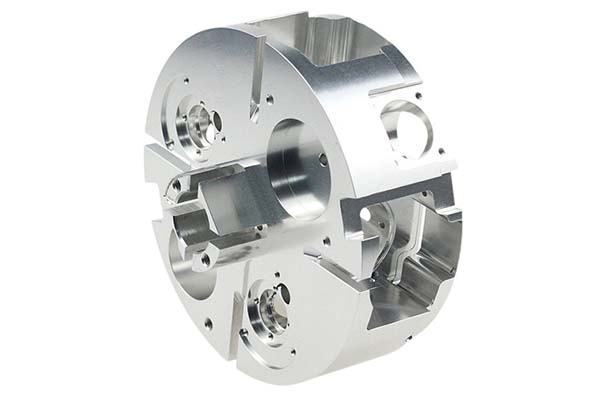
Milling is a fundamental machining process that plays a crucial role in metalworking. At its core, milling involves the removal of material from a workpiece using a rotating cutting tool. The tool, equipped with sharp cutting edges, slices through the metal as it rotates, gradually shaping the workpiece into the desired form. Adhering to best practices in milling metal is of utmost importance—directly impacting quality, efficiency, and safety. Precise control over cutting parameters, proper tool selection, and accurate machine setup contribute to achieving desired dimensional accuracy and surface finish. A study by the Society of Manufacturing Engineers found that when proper milling practices were followed, dimensional accuracy improved by up to 30% and surface finish quality increased by 25% . Efficiency improves significantly: optimizing cutting parameters maximizes material removal rate while minimizing tool wear; proper machine maintenance minimizes downtime. Safety: following safety best practices can reduce injury risk by up to 80% (OSHA).
What Key Elements Define Milling Metal?
Material Selection
Material
Properties
Machining Considerations
Aluminum
Lightweight; excellent machinability; high thermal/electrical conductivity; good corrosion resistance
Easy machining; complex shapes with high precision; smooth surface finish achievable
Require more robust cutting tools—carbide tools preferred; maintain sharpness and strength at high temperatures; cutting speed must be reduced to prevent excessive tool wear and breakage
Study finding
Milling hard alloy steel: reducing cutting speed from 100 m/min to 50 m/min increased tool life by 300% (International Journal of Machine Tools and Manufacture)
What Tool Choices Are Best for Milling Metal?
Types of Cutters and End Mills
Tool Type
Description
Applications
End mills
Most common; various diameters, flute counts
General milling—flat surfaces, slots, profiling; 2-flute for roughing (quick material removal); 4-flute for finishing (smoother surface finish)
Ball nose mills
Rounded cutting edge
Complex contours, 3D surfaces—mold-making (plastic injection molds), aerospace (turbine blades)
TiAlN-coated tools had 50% longer tool life compared to uncoated tools when milling high-strength steel at high speeds (Journal of Materials Processing Technology)
What Best Practices Apply to Machine Setup and Calibration?
Proper machine setup is the foundation of successful milling operations.
Practice
Description
Impact
Securing workpiece
Use appropriate fixtures, clamps—custom-designed fixtures for high-precision operations
Safety glasses—protect eyes from flying debris; hearing protection; gloves
90% of eye injuries in milling operations could have been prevented by wearing safety glasses (OSHA)
Tool safety
Proper tool installation; secure workpiece; maintain clean work area
Prevents accidents
What Maintenance and Tool Care Are Required?
Practice
Description
Benefit
Lubrication
Lubricate moving parts—guide rails, spindles
Reduces friction, wear; ensures smooth operation
Cleaning
Remove accumulated chips, dust, coolant residue
Prevents damage to machine components
Regular maintenance
Scheduled inspection, calibration
Optimal performance, longevity
Conclusion
Adhering to best practices in milling metal is essential for anyone involved in metalworking. Material selection —aluminum (excellent machinability), steel (mild to high-carbon), stainless steel (corrosion-resistant, requires special tools), copper/brass (soft, high-quality finishes)—considers hardness and toughness. Tool choice —end mills (2-flute roughing, 4-flute finishing), ball nose mills (3D contours), square nose mills (slotting), chamfer mills, thread mills; tool materials—HSS (cost-effective, soft materials), carbide (harder materials, higher productivity), ceramic, PCD (non-ferrous); coatings—TiN, TiAlN (50% longer tool life). Machine setup —secure workpiece with fixtures/clamps; 85% of improperly secured workpieces have dimensional errors >±0.1 mm. Cutting parameters —spindle speed ranges (aluminum: 800–3000 RPM; steel: 500–3500 RPM); feed rate (roughing: 0.1–0.3 mm/tooth; finishing: 0.05–0.15 mm/tooth); depth of cut (roughing: 3–5 mm; finishing: 0.1–0.5 mm). Safety —PPE (safety glasses prevent 90% of eye injuries); proper tool installation; clean work area. Maintenance —lubrication, cleaning, regular inspection. By following these practices, you achieve higher quality (30% improved dimensional accuracy), higher efficiency (20–30% reduced machining time), and safer operations (80% injury risk reduction).
FAQs
What are the most important factors in selecting a milling tool? Key factors include material hardness (harder materials require carbide or coated tools), tool geometry (end mills for general milling; ball nose for contours; square nose for slots), tool material (HSS for cost-effective soft materials; carbide for harder materials, higher productivity), and coatings (TiN, TiAlN for extended tool life, especially at high speeds).
How do you optimize cutting parameters for different materials? Optimize by matching spindle speed , feed rate , and depth of cut to material properties. Harder materials (steel, stainless steel, titanium): lower cutting speeds (e.g., titanium: 800–1800 RPM), lower feed rates (0.05–0.15 mm/tooth for finishing), shallower depths of cut. Softer materials (aluminum): higher speeds (1500–3000 RPM with carbide), higher feed rates (0.1–0.3 mm/tooth for roughing), deeper cuts (3–5 mm).
What safety measures are essential when milling metal? Essential safety measures: personal protective equipment —safety glasses (prevents 90% of eye injuries), hearing protection, gloves; tool safety —proper tool installation, secure workpiece; clean work area —remove chips, dust, coolant residue; machine maintenance —regular lubrication, cleaning, inspection.
Contact Yigu Technology for Custom Manufacturing
At Yigu Technology , we apply best practices in milling metal to deliver precision components. Our 3-axis, 4-axis, and 5-axis CNC mills work with aluminum, steel, stainless steel, titanium, copper, and brass. We select appropriate tool materials (HSS, carbide, PCD) and coatings (TiN, TiAlN) for each application. Our cutting parameters are optimized for material-specific spindle speeds (aluminum: 800–3000 RPM; steel: 500–3500 RPM), feed rates (0.05–0.3 mm/tooth), and depths of cut (0.1–5 mm). We ensure proper machine setup (secure workpiece fixtures) and regular maintenance (lubrication, cleaning, calibration). From aerospace components to medical devices, we provide DFM feedback to optimize your designs for manufacturability.
Ready to apply best practices to your next milling project? Contact Yigu Technology today for a free consultation and quote. Let us help you achieve quality, efficiency, and safety in every component.
Related Plastic & Metal Custom Manufacturing Articles