Introduction
Bakelite holds a unique place in materials history. As the first fully synthetic plastic—invented by Leo Baekeland in 1907—it launched the modern plastics era. More than a century later, bakelite products remain in use across industries. Why? Because bakelite combines properties that few other materials match: excellent electrical insulation, high heat resistance, chemical durability, and mechanical strength. This guide explores what makes bakelite special, how it is manufactured, and where it continues to outperform modern alternatives.
What Makes Bakelite Unique?
Key Properties Compared to Other Plastics
Bakelite is a thermosetting plastic. Unlike thermoplastics that soften when heated, bakelite undergoes a permanent chemical change during curing. Once set, it does not melt or deform under heat. This characteristic underpins most of its advantages.
| Property | Bakelite | Polyethylene | Polypropylene |
|---|---|---|---|
| Heat Resistance | High (150–200°C) | Low (softens at 100–120°C) | Moderate (softens at 160–170°C) |
| Electrical Insulation | Excellent | Good | Good |
| Chemical Resistance | Resists acids, alkalis | Fair | Fair |
| Mechanical Strength | High, rigid | Moderate, flexible | Moderate |
| Flammability | Self-extinguishing | Flammable | Flammable |
Bakelite withstands temperatures up to 200°C without significant degradation. It resists most acids and alkalis. It maintains dimensional stability under load. And it does not support combustion—a critical safety feature in electrical applications.
How Are Bakelite Products Manufactured?
The Compression Molding Process
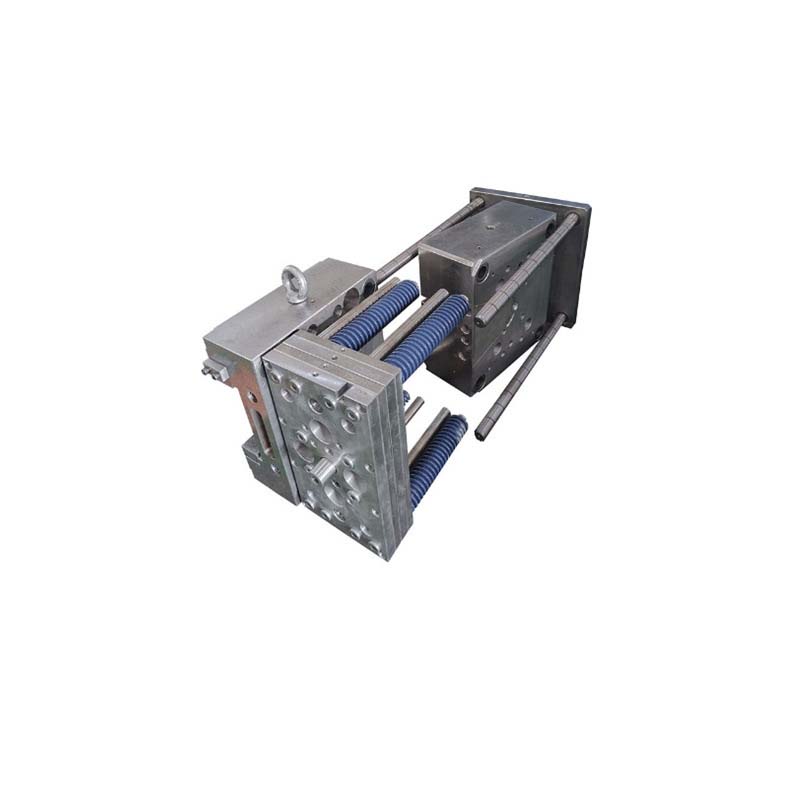
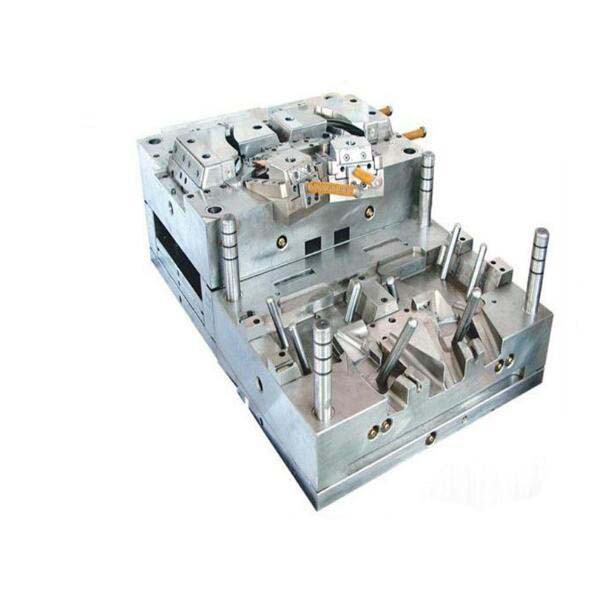
Most bakelite products are made through compression molding. This process consists of five key stages.
Step 1: Raw Material Preparation
Bakelite arrives as granules or powder. The specific grade depends on the application:
- General-purpose grades for standard electrical components
- High-heat grades for automotive or industrial use
- Impact-resistant grades for consumer goods
Precise measurement is critical. Too little material results in incomplete parts. Too much creates waste and flash.
Step 2: Mold Preparation
The mold must be clean—any residue affects surface quality. A releasing agent is then applied to prevent bakelite from sticking during curing. The choice of releasing agent depends on:
- The bakelite grade
- Mold complexity
- Desired surface finish
For high-gloss finishes, the releasing agent must leave no residue.
Step 3: Molding
The bakelite resin is placed into the mold cavity. The mold closes, and pressure (10–50 MPa) and heat (150–200°C) are applied.
Heat causes the resin to flow and fill the cavity. Simultaneously, it triggers cross-linking—the chemical reaction that transforms bakelite from a soft, flowable material into a rigid, permanent solid.
This step determines:
- Dimensional accuracy
- Surface detail
- Final mechanical properties
Step 4: Cooling and Demolding
The mold cools gradually. Rapid temperature changes can cause stress and cracking. Once cooled, the mold opens and the part is removed.
Flash—excess material that squeezed out during molding—is trimmed away. For precision components, this trimming is done carefully to maintain tolerances.
Step 5: Finishing
Additional processes enhance appearance or function:
- Polishing creates a smooth, shiny surface—common in jewelry and consumer goods
- Painting adds color and protection
- Electroplating deposits a metal layer for decorative or conductive purposes
Where Are Bakelite Products Used?
Electrical Insulation
Bakelite's excellent electrical insulation and self-extinguishing properties make it ideal for electrical applications. It does not conduct electricity, even under high voltage or heat.
| Application | Why Bakelite? |
|---|---|
| Electrical switches | Prevents current leakage; safe for household and industrial use |
| Sockets and plugs | Withstands heat from electrical resistance |
| Power distribution boards | Separates circuits; handles heat generation |
| Transformer components | Maintains insulation under high voltage |
Industry statistics show bakelite accounts for 20–30% of certain traditional switch types globally, particularly in industrial-grade and high-safety applications. A study by an electrical equipment research institute found that over 80% of medium-voltage power distribution boards in one region used bakelite for at least one insulating component.
Consumer Goods
Bakelite's heat resistance and durability make it a natural fit for kitchen and household items.
Kitchen utensils: Handles for pots, pans, and cutlery. When cooking, handles can reach high temperatures from the stove. Bakelite withstands this without melting or deforming. A survey of kitchenware users found over 70% reported satisfaction with bakelite-handled utensils for durability and heat resistance.
Appliance knobs: Ovens, stoves, and vintage radios. Bakelite can be molded into ergonomic, aesthetically pleasing shapes. Vintage radio knobs and casings—like those from the 1930s–1950s—remain collectible today for both their durability and charm.
Automotive Industry
Bakelite appears in several automotive components where heat and electrical demands meet.
| Component | Role of Bakelite |
|---|---|
| Distributor caps | Withstands engine heat; insulates electrical discharges |
| Electrical connectors | Resists heat, moisture, vibration |
| Brake pads (limited) | Contributes heat and wear resistance |
According to automotive component manufacturers, 15–20% of distributor caps in the aftermarket are made from bakelite, especially for older-model cars and classic restorations where original-style components are preferred.
Jewelry and Fashion Accessories
Bakelite jewelry—bangles, earrings, brooches—has a dedicated collector market. Why? Bakelite can be molded into intricate shapes and dyed in vibrant colors. It is also lightweight, making it comfortable to wear.
Vintage bakelite pieces from the 1920s–1940s are particularly valuable. A well-preserved bakelite brooch from this era can command high prices at antique auctions. Collectors prize the retro aesthetic and the craftsmanship of an era when bakelite represented modern design.
Industrial Components
Bakelite's mechanical properties make it suitable for load-bearing industrial parts.
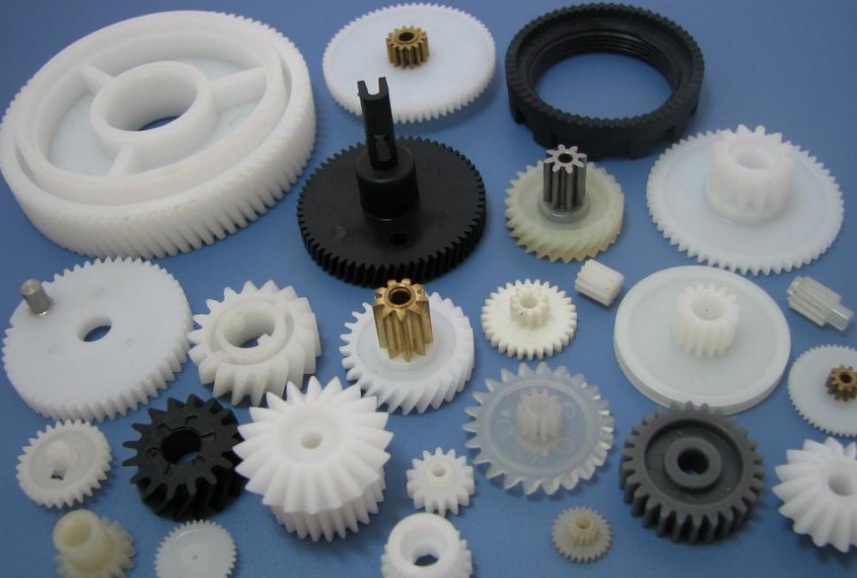
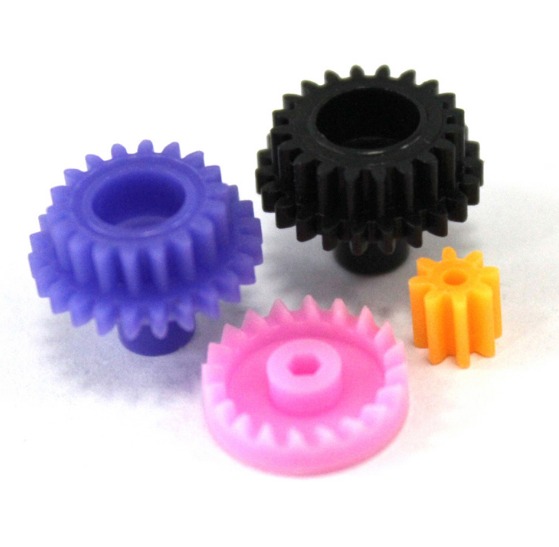
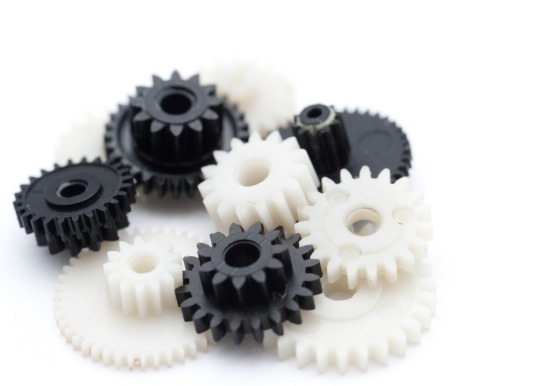
Gears: Bakelite gears operate more quietly than metal gears. Their self-lubricating properties reduce the need for external lubricants—an advantage in environments where lubricant leakage is problematic. Studies show bakelite gears can reduce noise by 10–15 decibels compared to metal equivalents in small-motor-driven appliances.
Bearings: Bakelite bearings withstand moderate loads and resist wear. In dusty or corrosive environments, they often outperform metal bearings.
Machine parts: Brackets, housings, and other structural components benefit from bakelite's dimensional stability and chemical resistance.
What Are the Key Advantages?
Heat Resistance
Bakelite maintains structural integrity up to 150–200°C. This makes it suitable for applications where other plastics would soften or deform. In automotive engine compartments or electrical enclosures, this heat tolerance is essential.
Electrical Insulation
Bakelite has low electrical conductivity and high dielectric strength. It does not track—meaning electrical arcs do not create conductive paths across its surface. This makes it a preferred material for high-voltage applications.
Chemical Resistance
Bakelite resists most acids, alkalis, and organic solvents. In chemical processing environments or industrial settings with harsh cleaning agents, bakelite components maintain their integrity.
Dimensional Stability
Once cured, bakelite does not creep or deform under load. It maintains its shape and size across temperature changes and prolonged stress.
Cost-Effectiveness
For medium to high volumes, compression molding is efficient. Tooling costs are amortized over thousands or millions of parts. The material itself is relatively inexpensive compared to high-performance engineering plastics.
What Are the Limitations?
Brittleness
Bakelite is rigid but brittle. It does not flex under impact. Thin sections can crack or chip if subjected to sudden force. This limits its use in applications requiring impact resistance or flexibility.
Limited Color Options
While bakelite can be dyed, the color range is narrower than modern thermoplastics. True transparent bakelite is rare; most bakelite is opaque or translucent.
Aging and UV Sensitivity
Prolonged UV exposure can cause bakelite to yellow or develop a surface crazing pattern. Vintage pieces often show this aging, which some collectors actually value as patina.
Yigu Technology's Perspective
At Yigu Technology, we recognize bakelite's enduring value. For applications demanding heat resistance, electrical insulation, and dimensional stability, bakelite remains a reliable choice—often outperforming modern alternatives in specific niches.
We recently worked with an industrial equipment manufacturer needing high-temperature electrical connectors for a furnace system. Thermoplastics would soften under the operating conditions. Metal connectors posed short-circuit risks. Custom-molded bakelite connectors solved both problems: they withstood the heat, provided reliable insulation, and maintained their dimensions over years of service.
For a vintage automotive restoration specialist, we reproduced distributor caps for classic cars. Modern materials did not match the original appearance or electrical properties. Using period-correct bakelite formulations, we delivered components that were both authentic and fully functional.
Conclusion
Bakelite products have stood the test of time for good reason. Heat resistance, electrical insulation, chemical durability, and dimensional stability—combined with efficient compression molding—make bakelite a valuable material across electrical, automotive, consumer, and industrial applications. While modern plastics offer greater flexibility and impact resistance, bakelite remains the superior choice where rigidity, heat tolerance, and electrical safety are paramount. Whether in a vintage radio knob or a high-voltage switchgear component, bakelite continues to deliver reliable performance more than a century after its invention.
FAQ About Bakelite Products
What products are made from bakelite?
Bakelite is used in electrical switches, sockets, plugs, and power distribution boards; kitchen utensil handles and appliance knobs; automotive distributor caps and electrical connectors; industrial gears, bearings, and machine housings; and jewelry such as bangles, earrings, and brooches.
What are five uses of bakelite?
- Electrical insulation in switches and sockets
- Heat-resistant handles for kitchen utensils
- Distributor caps in automotive ignition systems
- Jewelry and fashion accessories
- Industrial gears and bearings requiring self-lubrication
Is bakelite still used today?
Yes. While replaced by modern plastics in some applications, bakelite remains in use where heat resistance, electrical insulation, and dimensional stability are critical—including electrical components, automotive parts, and industrial machinery.
Can bakelite be recycled?
Bakelite is a thermosetting plastic. It cannot be melted and remolded like thermoplastics. However, it can be ground into filler material for new compression-molded products.
Contact Yigu Technology for Custom Manufacturing
Need bakelite components for your application? Yigu Technology specializes in custom compression molding of bakelite and other engineered materials. From electrical insulators to industrial parts and consumer goods, we help you select the right material and produce components that meet your performance requirements. Contact us today to discuss your project.