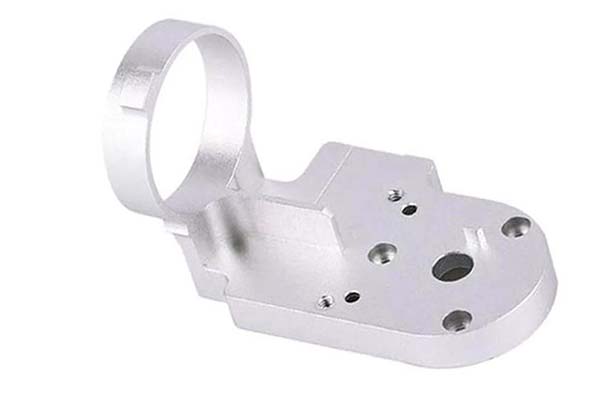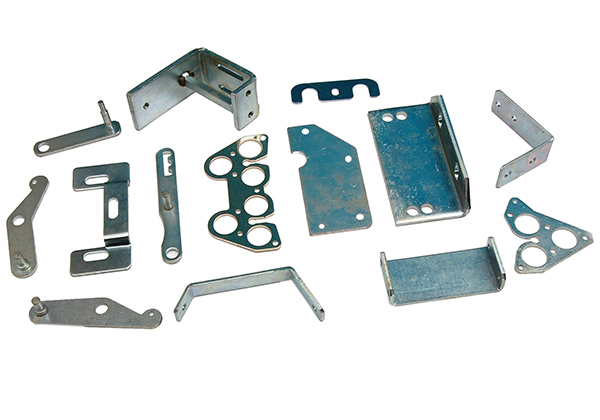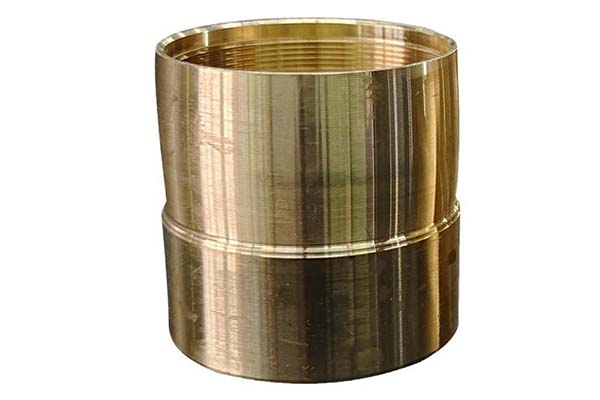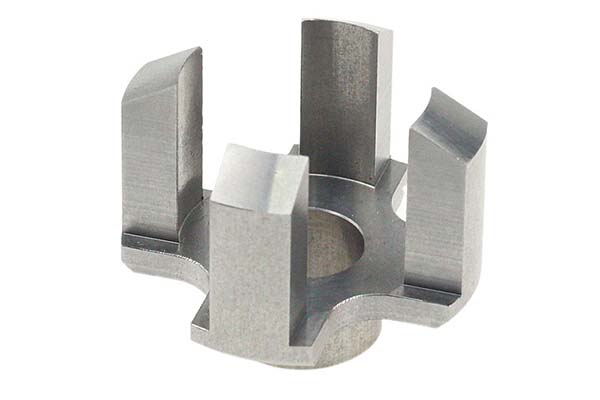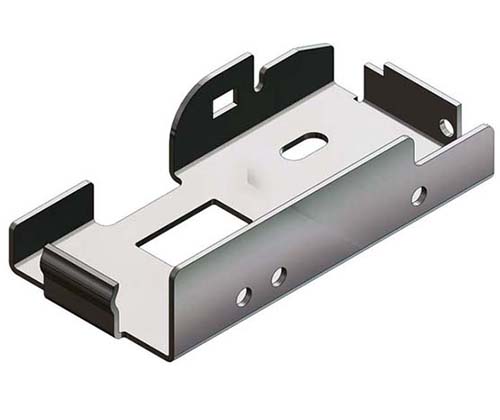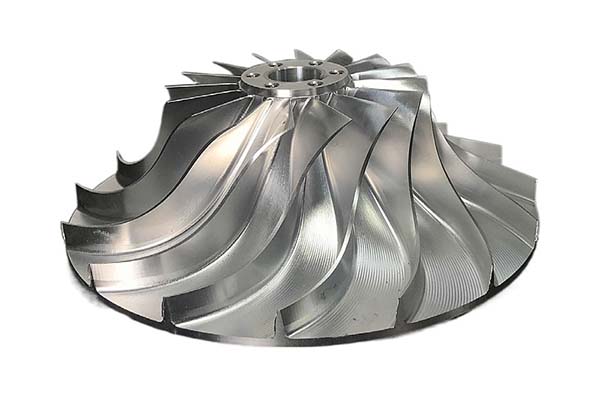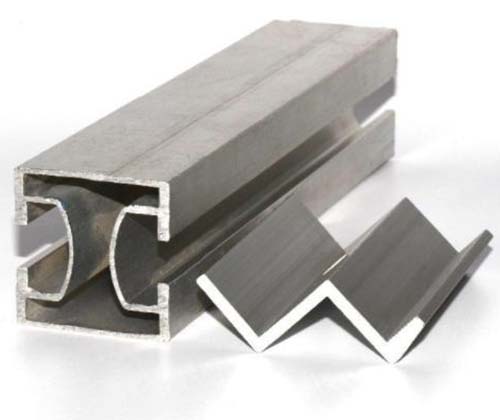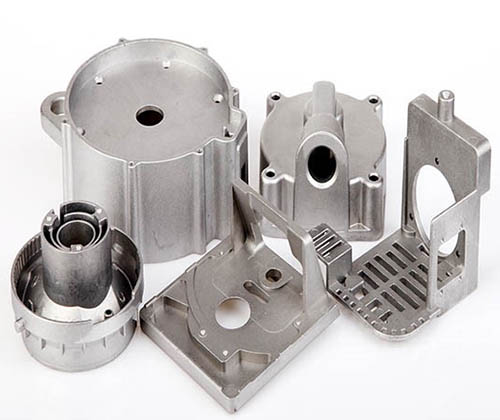
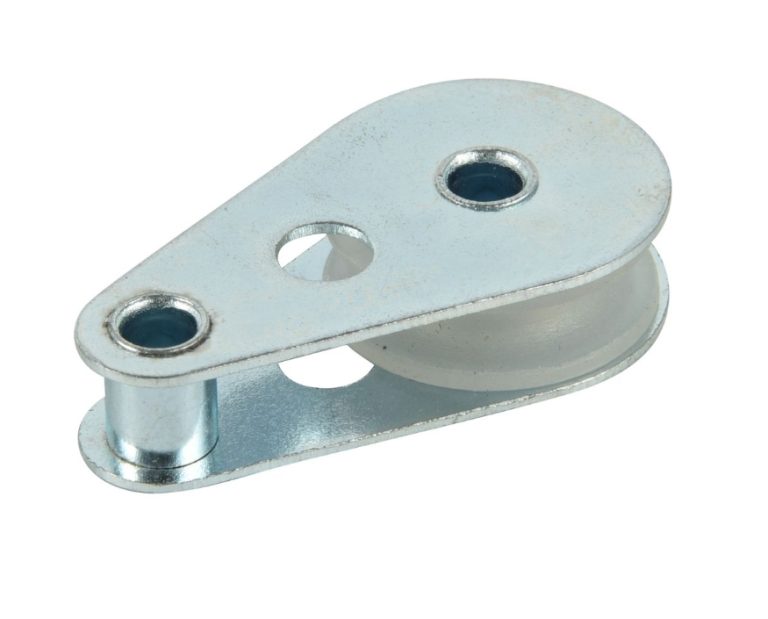
If you need metal components with tight tolerances and consistent quality, you have likely encountered the term precision stamping. But what exactly does it mean, and why is it so widely used across industries? Precision stamping is a metalworking process that uses specialized dies and presses to shape, cut, or form metal sheets into specific components. It achieves extremely tight tolerances with minimal material waste. This guide covers the fundamentals, key benefits, and diverse applications of precision stamping in modern manufacturing.
What Is Precision Stamping?
Definition and Basic Principles
Precision stamping is a manufacturing process that transforms flat metal sheets into finished parts using dies and presses. Unlike traditional metalworking, it can produce complex geometries with high repeatability.
The process relies on three core principles:
- Force: A press applies controlled pressure to the metal sheet.
- Material Deformation: The metal flows or fractures according to the die shape.
- Tool Design: The accuracy of the die determines the final part’s precision.
A Brief History
Precision stamping emerged in the early 20th century as industrial demand for mass-produced metal components grew. Advances in tooling, materials science, and automation have since expanded its capabilities. Today, computer-aided design (CAD) and servo-driven presses allow for even greater accuracy and complexity.
How Does the Precision Stamping Process Work?
Types of Stamping Machines
Different presses suit different applications.
| Press Type | Mechanism | Best For |
|---|---|---|
| Mechanical Press | Flywheel and clutch system | High-speed, high-volume production |
| Hydraulic Press | Fluid pressure | Deep drawing, consistent force applications |
| Servo-Driven Press | Electric motor with programmable control | Complex stamping with precise speed and force control |
Material Selection
The choice of material affects formability, strength, and cost.
- Steel: High strength and durability. Common for automotive and structural parts.
- Aluminum: Lightweight and corrosion-resistant. Used in electronics and aerospace.
- Copper Alloys: Excellent conductivity. Used in electrical connectors.
- Specialty Alloys: Stainless steel, titanium, and spring steel for demanding applications.
Tool and Die Design
Dies are the heart of precision stamping. They must be engineered to achieve the desired part geometry while maintaining durability. Modern design uses CAD software to simulate the stamping process and optimize tool geometry. Common die materials include tool steel and carbide for hardness and wear resistance.
Stamping Operations
Precision stamping combines several operations to produce finished parts.
- Punching: Creates holes or openings.
- Blanking: Cuts the desired shape from the metal sheet.
- Bending: Forms angles or curves.
- Drawing: Creates deep, recessed shapes like enclosures.
- Coining: Uses high pressure to create flat surfaces or embossed features.
- Piercing: Cuts internal features.
What Are the Key Benefits?
High Accuracy and Precision
Precision stamping achieves tolerances as tight as ±0.01 mm. This level of accuracy is essential for industries like aerospace and medical devices, where even minor deviations can have significant consequences.
Cost-Effectiveness
The process is highly efficient for high volumes. It minimizes material waste—often using over 90% of the starting material—and reduces labor costs through automation. Complex parts can be produced in a single operation, eliminating multiple processing steps.
Scalability and Efficiency
Precision stamping works for both prototyping and high-volume production. Tooling can be scaled to meet changing demand. Automated presses run at high speeds, with some producing hundreds of parts per minute.
Material Savings
Because the process cuts and forms the exact shape needed, material waste is minimal. This is especially important for expensive materials like copper, titanium, and specialty alloys.
Where Is Precision Stamping Used?
Applications Across Industries
| Industry | Typical Components | Why Precision Stamping Works |
|---|---|---|
| Automotive | Engine brackets, transmission parts, body panels, safety system housings | High volume; tight tolerances for safety and performance |
| Electronics | Connectors, contacts, shielding, heat sinks | Small, intricate parts with consistent quality |
| Aerospace | Structural components, engine parts, avionics enclosures | Extreme precision; materials that meet strict standards |
| Medical Devices | Surgical instruments, implants, diagnostic equipment parts | High accuracy; biocompatible materials; repeatability |
| Telecommunications | 5G infrastructure components, antenna brackets, housing enclosures | Precision for signal integrity; durability |
| Consumer Products | Appliance components, hardware, packaging | Cost-effective production of high-quality parts |
Automotive Industry
Precision stamping produces everything from engine brackets to body panels. Parts must meet stringent safety and performance standards. High-speed mechanical presses deliver the volume automakers require.
Electronics and Telecommunications
Connectors, contacts, and shielding require consistent quality and tight tolerances. The ability to produce small, intricate parts with minimal waste makes precision stamping ideal for these sectors.
Aerospace and Defense
Critical components like structural brackets and engine parts must meet AS9100 standards. Precision stamping ensures reliability in extreme conditions.
Medical Devices
Surgical instruments, implants, and diagnostic equipment demand high accuracy and repeatability. Precision stamping delivers components that meet strict regulatory requirements.
Conclusion
Precision stamping is a cornerstone of modern manufacturing. It transforms metal sheets into complex components with tight tolerances, minimal waste, and high repeatability. The process relies on advanced presses, precision dies, and careful material selection. Key benefits include accuracy, cost-effectiveness for high volumes, scalability, and material savings. Applications span automotive, electronics, aerospace, medical devices, telecommunications, and consumer products. By understanding the fundamentals, manufacturers can leverage precision stamping to produce high-quality parts efficiently.
FAQ
What is the difference between precision stamping and traditional stamping?
Precision stamping uses advanced tooling, tighter tolerances (often ±0.01 mm), and more controlled processes. Traditional stamping may have looser tolerances and is used for less critical components. Precision stamping also emphasizes repeatability and consistency across high volumes.
What materials can be used in precision stamping?
Common materials include steel, stainless steel, aluminum, copper, brass, phosphor bronze, beryllium copper, and specialty alloys like titanium and Inconel. Material selection depends on strength, conductivity, corrosion resistance, and formability requirements.
What tolerances can precision stamping achieve?
Precision stamping can achieve tolerances as tight as ±0.01 mm for critical dimensions. Typical tolerances range from ±0.05 mm to ±0.01 mm, depending on material thickness, part complexity, and the stamping operation.
Is precision stamping suitable for low-volume production?
Yes. While precision stamping is cost-effective for high volumes, many companies offer prototyping and low-volume services using simplified tooling or flexible processes. This allows design validation before committing to high-volume tooling.
What industries benefit most from precision stamping?
Industries that require high accuracy, repeatability, and cost-effective production benefit most. These include automotive, aerospace, medical devices, electronics, telecommunications, and consumer goods. Each sector relies on precision-stamped components for critical functions.
Contact Yigu Technology for Custom Manufacturing
Precision stamping requires expertise in tooling, material selection, and process control. At Yigu Technology, we specialize in custom precision stamping for automotive, aerospace, medical, electronics, and industrial clients. We work with a wide range of materials—from aluminum and steel to copper alloys and specialty metals—and maintain tight tolerances to meet your specifications.
Our quality system ensures consistency and reliability across every production run. Whether you need prototypes or high-volume components, we deliver results that fit your application.
Contact Yigu Technology today to discuss your precision stamping project.