Introduction
You have a design ready. You need parts quickly—maybe for a prototype, a tight production deadline, or a custom order. Traditional sheet metal fabrication can take weeks. Tooling needs to be made, setups take time, and changes are expensive.
Rapid sheet metal changes this. It combines modern equipment, digital workflows, and smart processes to deliver parts in days, not weeks. Without sacrificing quality, it gets your products to market faster.
This guide explains what rapid sheet metal is, how it works, and why it has become essential for industries ranging from electronics to aerospace. You will learn the advantages, how to choose a provider, and whether this approach fits your next project.
What Is Rapid Sheet Metal?
Definition and Core Concept
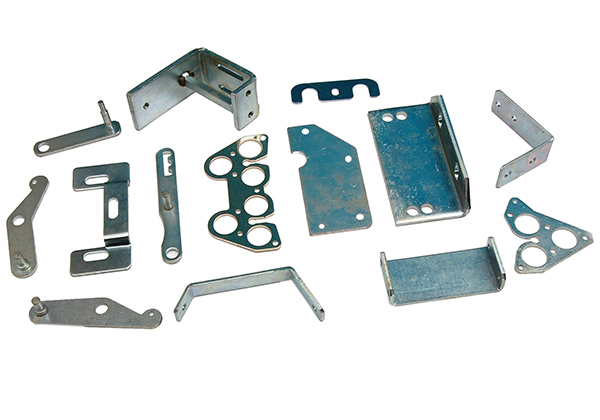
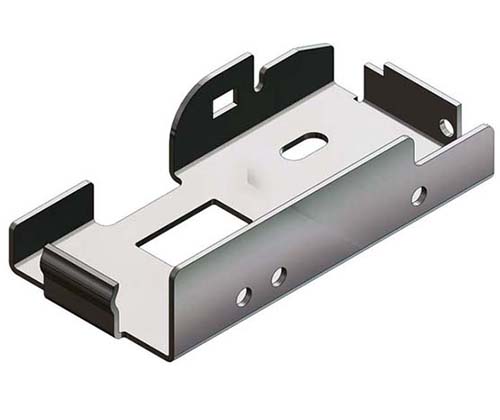
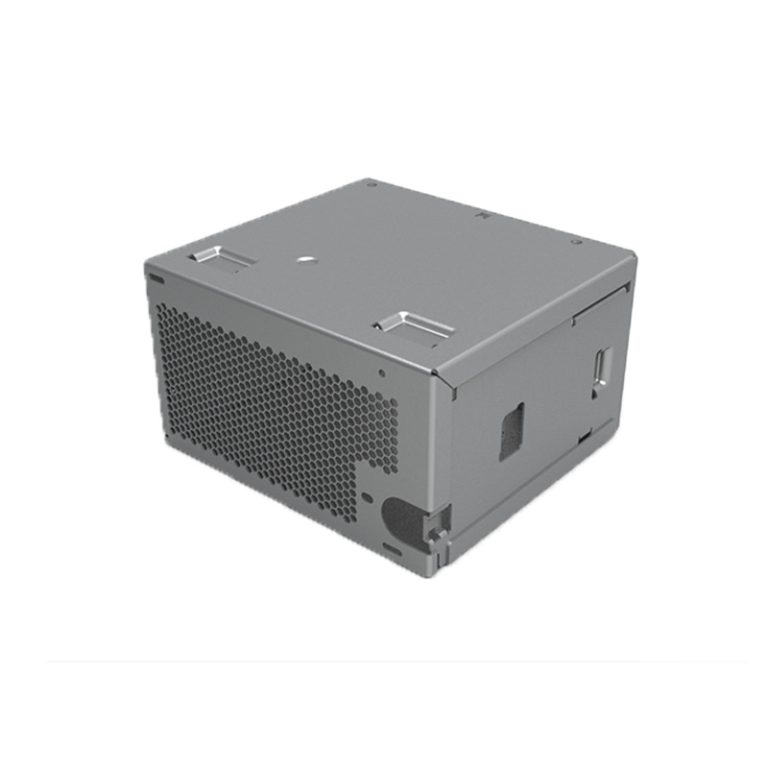
Rapid sheet metal is a manufacturing approach focused on speed and flexibility. It uses modern equipment—laser cutters, CNC press brakes, and automated punching machines—to turn flat metal sheets into finished parts quickly.
Unlike traditional mass production, which relies on dedicated tooling and long setup times, rapid sheet metal emphasizes:
- Digital workflows from design to production
- Minimal tooling (often none beyond standard tooling)
- Fast turnaround on prototypes and small-to-medium volumes
Common materials include steel, stainless steel, aluminum, and copper. Thicknesses typically range from thin foil up to several millimeters, with 18 gauge (1.2 mm) being a popular choice for many applications.
How It Works
The rapid sheet metal process follows a streamlined digital path:
- Design: Create a 3D model in CAD software.
- Preparation: Use CAM software to generate machine instructions and optimize part layout (nesting) to minimize material waste.
- Cutting: Laser cutting or water jet cutting shapes the flat sheet with high precision.
- Forming: CNC press brakes bend the cut parts to final shape.
- Finishing: Deburring, welding, or surface treatment as needed.
Because the entire process is software-driven, design changes can be implemented in hours rather than weeks. There is no waiting for custom dies or lengthy machine retooling.
Real-World Example: A medical device company needed 50 stainless steel enclosures for a new patient monitor. Traditional fabrication quotes were 4–6 weeks due to die setup. A rapid sheet metal provider delivered the first samples in 5 days and all 50 units in 12 days. The company met their product launch deadline.
What Are the Key Advantages?
Cost-Effectiveness: Saving Money
Rapid sheet metal reduces costs in two main ways.
Lower Tooling Costs: Traditional stamping requires custom dies that can cost $10,000 to $100,000 or more. These costs only make sense for high volumes (thousands of parts). Rapid sheet metal uses laser cutting and CNC bending with standard tooling. There are no custom die costs. For small to medium volumes (1–500 parts), this can reduce upfront investment by 80% or more.
Reduced Material Waste: CAM software uses nesting algorithms to arrange parts on a sheet for maximum material utilization. Studies show rapid sheet metal processes can reduce material waste by up to 30% compared to traditional methods. Less waste means lower material costs and less environmental impact.
| Volume | Traditional Tooling Cost | Rapid Sheet Metal Tooling |
|---|---|---|
| 10 units | $10,000+ (if new die needed) | $0 (standard tooling) |
| 50 units | $10,000+ | $0 |
| 500 units | Amortized over volume | $0 |
High Efficiency: Faster Delivery
Speed is the defining characteristic of rapid sheet metal.
Faster Setup Times: Traditional stamping presses may take 2–4 hours to change dies for a new part. A laser cutter or CNC press brake can be reprogrammed in 15–30 minutes. This means smaller batches become economical.
Quicker Production Cycles: A high-power laser cutter can cut 1 mm steel at speeds up to 10 meters per minute. Complex parts that would require multiple punching operations can be cut in a single pass.
The table below compares typical lead times for a simple steel enclosure:
| Production Volume | Traditional Processing | Rapid Sheet Metal |
|---|---|---|
| 10 units | 5 days | 2 days |
| 50 units | 10 days | 3 days |
| 100 units | 15 days | 4 days |
Case Study: An automotive supplier needed 200 brackets for a prototype vehicle. Traditional stamping required a 6-week die fabrication lead time. Using rapid sheet metal with laser cutting and CNC bending, the supplier received all 200 brackets in 10 days. The prototype program stayed on schedule.
Design Flexibility: Adapting Quickly
Rapid sheet metal excels when designs change.
Easy Design Modifications: In traditional manufacturing, changing a design often means reworking or scrapping expensive tooling. With rapid sheet metal, you modify the CAD file, regenerate the CAM instructions, and produce the updated part—often within 24 hours.
Customization for Diverse Applications: Different industries have unique requirements:
- Aerospace: Complex, lightweight components in titanium or aluminum
- Medical: Precision surgical instruments and device enclosures in stainless steel
- Electronics: Compact, shielded enclosures with tight tolerances
- Automotive: Prototype brackets, panels, and custom components
Rapid sheet metal handles these diverse needs without requiring different production lines or extensive retooling.
What Applications Benefit Most?
Prototyping and Product Development
Rapid sheet metal is ideal for prototyping. Engineers can test form, fit, and function before committing to high-volume production. Design iterations that once took weeks now take days.
Custom and Low-Volume Production
For products that sell in moderate quantities—specialized equipment, medical devices, custom machinery—rapid sheet metal provides economical production without the overhead of mass-production tooling.
Replacement and Repair Parts
When equipment breaks, waiting weeks for replacement parts is not an option. Rapid sheet metal can produce one-off or small-batch replacement parts quickly, minimizing downtime.
Real-World Example: A manufacturing plant had a conveyor system fail. The damaged bracket was a custom design with no stock available. Using a 3D scan and rapid sheet metal fabrication, a replacement bracket was cut, bent, and installed within 3 days. Traditional sourcing would have taken 3–4 weeks.
How Do You Choose a Reliable Provider?
Experience and Reputation
Look for providers with a proven track record. Companies with 10+ years of experience have likely encountered a wide range of materials, complexities, and challenges. Ask for references or case studies similar to your project.
Equipment and Technology
Modern equipment matters. High-quality fiber lasers cut faster and cleaner than older CO2 lasers. CNC press brakes with precision backgauges ensure consistent bends. A provider that invests in current technology is more likely to deliver consistent results.
Key equipment to look for:
- Laser cutters with power suitable for your materials
- Press brakes with sufficient tonnage and length
- Quality control tools like coordinate measuring machines (CMM)
Quality Control Systems
A reliable provider should have documented quality processes. ISO 9001 certification indicates a commitment to consistent quality management.
Quality control should cover:
- Raw material inspection: Verifying thickness, grade, and condition
- In-process checks: Monitoring dimensions during production
- Final inspection: Dimensional verification, surface finish, and functional testing where applicable
Communication and Support
Choose a provider that communicates clearly. They should ask questions about your design, materials, and requirements. They should provide clear quotes with itemized costs and realistic lead times.
Conclusion
Rapid sheet metal solves manufacturing dilemmas by combining speed, flexibility, and cost-effectiveness. It eliminates expensive tooling, reduces material waste, and delivers parts in days rather than weeks. Design changes are easy to implement, making it ideal for prototypes, custom components, and low-to-medium volume production.
From automotive to aerospace, electronics to medical devices, rapid sheet metal helps companies bring products to market faster and adapt to changing requirements. As technology continues to advance, its capabilities will only grow.
If your next project requires sheet metal components—whether a single prototype or a production run—rapid sheet metal is worth serious consideration.
FAQs
What is the typical turnaround time for rapid sheet metal parts?
For simple parts, 1–3 days is common. Complex assemblies may take 5–10 days. This compares to traditional methods that often take 3–6 weeks due to tooling and setup times. Lead times vary by provider, complexity, and current workload, so always confirm with your chosen supplier.
How does rapid sheet metal compare to 3D printing for metal parts?
Rapid sheet metal is best for parts that start as flat sheets—enclosures, brackets, panels. It is faster and more cost-effective for these geometries. 3D printing (additive manufacturing) is better for complex internal structures, organic shapes, and parts that cannot be formed from sheet. The two methods are complementary; many projects use both.
Can rapid sheet metal handle high-volume production?
Rapid sheet metal is optimized for low to medium volumes (1–1,000 parts). For very high volumes (10,000+), traditional stamping with dedicated tooling becomes more cost-effective per unit. However, rapid sheet metal can still be used for pilot runs before committing to high-volume tooling.
What materials work best with rapid sheet metal?
Common materials include carbon steel, stainless steel (304, 316), aluminum (5052, 6061), and copper. Material selection depends on strength, corrosion resistance, weight, and conductivity requirements. Most providers can work with a wide range of metals and thicknesses.
Contact Yigu Technology for Custom Manufacturing
At Yigu Technology, rapid sheet metal fabrication is at the core of what we do. We combine fiber laser cutting, CNC bending, and skilled finishing to deliver parts quickly—without compromising quality. Our digital workflow means design changes are easy and lead times are short. Whether you need a single prototype or a production run, we help you move from design to finished part faster. Contact us to discuss your project—we will help you solve your manufacturing challenges.