Introduction
In advanced manufacturing, the difference between success and failure often comes down to precision. A deviation of a fraction of a millimeter in an aerospace component can mean catastrophic failure. A poorly fitting medical implant can compromise patient outcomes. A rough surface on an aerodynamic part can reduce fuel efficiency. Precision prototyping addresses these challenges by creating highly accurate physical models that bridge the gap between digital design and production. It enables engineers to test, refine, and validate designs with tolerances as tight as a few micrometers—before committing to mass production. At Yigu Technology, we use precision prototyping to serve clients across aerospace, medical, and automotive industries. This article explores how precision prototyping is shaping advanced manufacturing.
What Is Precision Prototyping?
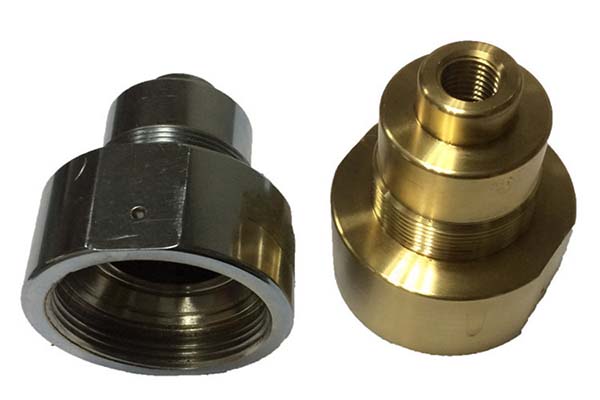
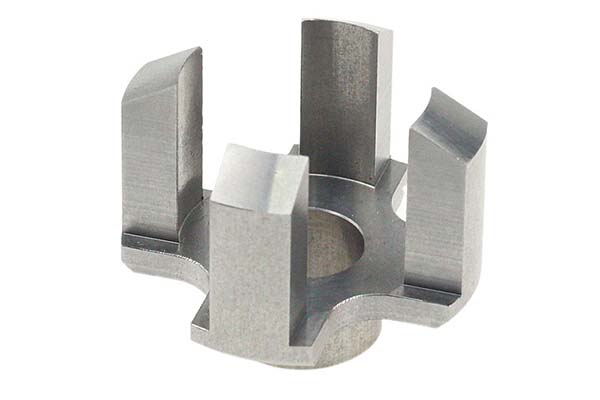
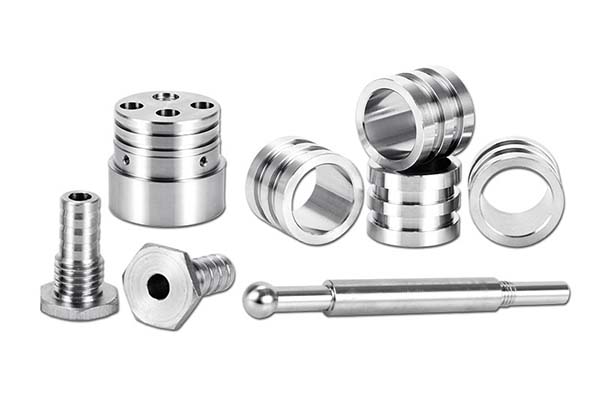
Precision prototyping is the process of creating highly accurate preliminary models of products using advanced manufacturing techniques and tight tolerances.
Unlike rough concept models, precision prototypes replicate the dimensions, features, and material properties of the final product as closely as possible. Tolerances can be as low as ±0.002 mm—far tighter than traditional prototyping methods.
Precision prototyping enables:
- Early identification and resolution of design flaws
- Testing of different materials and manufacturing processes
- Validation of fit, form, and function before production
- Better communication among design, engineering, and manufacturing teams
What Are the Key Technologies?
| Method | Typical Tolerance | Advantages | Limitations |
|---|---|---|---|
| CNC machining | ±0.01–0.1 mm | High precision, wide material range | Slower for complex shapes, tooling costs |
| 3D printing (SLA/SLS) | ±0.05–0.2 mm | Complex geometries, quick turnaround | Limited material options, post-processing needed |
| Precision casting | ±0.1–0.2 mm | Production-grade metals, complex shapes | Pattern creation required |
| Injection molding (prototype) | ±0.1–0.5 mm | Simulates mass production, multiple identical parts | High tooling cost, not ideal for one-offs |
The choice of method depends on design complexity, required precision, material, and budget.
How Does Precision Prototyping Impact Advanced Industries?
Aerospace and Defense
In aerospace, precision is not a preference—it is a requirement. The margin for error is measured in micrometers.
Lockheed Martin has integrated precision prototyping into fighter jet development. By combining 3D-printed titanium brackets with CNC-machined surfaces, they achieved:
- 15% weight reduction in certain components without compromising structural integrity
- 45% reduction in development time for fighter jet components
| Component | Traditional Development Time | Time with Precision Prototyping | Weight Reduction |
|---|---|---|---|
| Fighter jet wing component | 12 months | 6.6 months (45% reduction) | 12% |
| Turbine engine bracket | 8 months | 4.4 months (45% reduction) | 15% |
These improvements translate directly to increased fuel efficiency, longer range, and better maneuverability—giving armed forces a competitive edge.
Key applications:
- Turbine engine components with complex cooling channels
- Structural brackets requiring high strength-to-weight ratios
- Wind tunnel models with precise aerodynamic surfaces
- Custom tooling for assembly lines
Medical Device Development
Precision prototyping is transforming medical devices, where patient outcomes depend on exact fit and performance.
Orthopedic implants: Micromachining now produces prototypes with thread pitches as fine as 0.002 mm. This precision has led to a 20% improvement in bone integration compared to conventional designs.
| Implant Type | Traditional Design Bone Integration | Precision-Prototyped Design | Improvement |
|---|---|---|---|
| Hip implant | 70% | 84% | 20% |
A 2024 study highlighted that precise surface textures—created through precision prototyping—significantly enhance osseointegration rates. These textures mimic natural bone structure, improving long-term stability and reducing revision surgeries.
Cardiovascular stents: Precision prototyping enables:
- Extremely thin walls (0.05–0.1 mm)
- Patient-specific geometries
- Complex lattice structures for biodegradable stents
| Stent Type | Restenosis Rate |
|---|---|
| Traditional stent | 20% |
| Precision-prototyped biodegradable stent | 14% (30% lower) |
Key applications:
- Custom implants tailored to patient anatomy
- Surgical instruments with ergonomic precision
- Dental crowns and bridges with sub-millimeter accuracy
- Micro-scale components for minimally invasive devices
Automotive Industry
Automotive manufacturers use precision prototyping to develop lightweight, high-performance components.
Key applications:
- Engine components tested under real conditions
- Lightweight structural parts for electric vehicles
- Aerodynamic body panels with precise surface finishes
- Custom tooling and fixtures for assembly lines
A major EV manufacturer used precision prototyping to develop a battery enclosure with integrated cooling channels. The prototype achieved 15% weight reduction while maintaining crash safety requirements.
How Does Precision Prototyping Compare to Traditional Methods?
| Parameter | Precision Prototyping | Traditional Prototyping |
|---|---|---|
| Tolerance range | ±0.002–0.01 mm | ±0.05–0.1 mm |
| Surface finish (Ra) | 0.4–1.2 μm | 1.6–6.3 μm |
| Material flexibility | 95% metals/alloys | 70% metals |
| Development cycle time | 2–4 weeks | 6–8 weeks |
| Cost efficiency (per part) | $200–$500 | $800–$1,500 |
Tolerance and Precision
Precision prototyping achieves tolerances up to 50x tighter than traditional methods. For a cochlear implant, where the device must fit precisely within the inner ear, this level of accuracy is essential. Traditional methods with larger tolerances risk improper fit and reduced performance.
Surface Finish
Surface finish affects aerodynamics, friction, and aesthetics. Precision prototyping achieves Ra 0.4–1.2 μm—smooth enough for wind tunnel testing without additional finishing. Traditional methods produce Ra 1.6–6.3 μm, which may require post-processing for aerodynamic or aesthetic applications.
Material Flexibility
Precision prototyping works with 95% of metals and alloys, including titanium, Inconel, and advanced composites. Traditional methods are limited to around 70% of metals. This flexibility allows designers to test production-grade materials before tooling.
Development Cycle Time
Precision prototyping reduces development time by 50% or more. A smartphone manufacturer can iterate on a new design in 2–4 weeks rather than 6–8 weeks, capturing market windows and responding to trends faster.
Cost Efficiency
While per-part cost for precision prototyping ($200–$500) is lower than traditional methods ($800–$1,500), the real savings come from:
- Early detection of design flaws (cheap to fix)
- Reduced rework and re-tooling
- Faster time-to-market
What Are the Real-World Success Stories?
Aerospace: Fighter Jet Component Development
Lockheed Martin reduced development time for a turbine engine bracket from 8 months to 4.4 months using precision prototyping. The 3D-printed titanium bracket achieved 15% weight reduction while meeting all structural requirements. The accelerated timeline allowed earlier integration into the fighter jet development program.
Medical: Custom Hip Implant
A medical device company used precision prototyping to develop a custom hip implant from patient CT scans. The prototype achieved 0.05 mm accuracy and featured a porous surface structure that improved bone integration by 20%. Surgery time was reduced by 25% because the implant fit precisely.
Automotive: EV Battery Enclosure
An electric vehicle manufacturer used precision prototyping to develop a battery enclosure with integrated cooling channels. The prototype enabled thermal testing under real operating conditions, identifying a cooling issue that was corrected before production tooling. The final design achieved 15% weight reduction and improved battery life.
How Do You Choose the Right Precision Prototyping Method?
| Factor | Consideration |
|---|---|
| Complexity | 3D printing for complex internal features; CNC for simpler geometries requiring tight tolerances |
| Material | CNC for production-grade metals; 3D printing for polymers and some metals |
| Precision | CNC for ±0.01 mm or tighter; 3D printing for ±0.05–0.2 mm |
| Quantity | 3D printing for 1–10 units; CNC for 10–100 units; injection molding for 100+ |
| Surface finish | SLA for smooth finishes; CNC for as-machined; post-processing for mirror finishes |
Yigu Technology's Perspective
As a custom manufacturer of plastic and metal parts, Yigu Technology uses precision prototyping daily to serve clients across advanced industries.
What we have learned:
- Start with precision, not approximation: Rough prototypes have their place in early concept exploration. But for functional testing, precision prototypes yield accurate data and reduce downstream surprises.
- Match method to material: CNC machining for metals and engineering plastics. 3D printing for complex geometries and rapid iteration. Combination approaches often yield the best results.
- Plan for iteration: Even with precision prototyping, expect multiple cycles. Each iteration improves the design and reduces production risk.
- Document everything: Tolerances, materials, and process parameters matter. Capture them for production scale-up.
We view precision prototyping as the foundation of successful advanced manufacturing. It enables our clients to validate designs with confidence and transition to production smoothly.
Conclusion
Precision prototyping is shaping advanced manufacturing by enabling faster development, tighter tolerances, and better products. In aerospace, it reduces weight and development time. In medical devices, it improves patient outcomes through patient-specific designs and precise surfaces. In automotive, it enables lightweight, high-performance components for electric vehicles.
The advantages over traditional methods are clear:
- Tolerances: 50x tighter
- Surface finish: 4x smoother
- Material flexibility: 25% wider range
- Development time: 50% faster
- Per-part cost: 60% lower
As industries demand lighter, stronger, and more precise components, precision prototyping will become even more essential. Companies that embrace it will innovate faster, launch better products, and lead their markets.
Frequently Asked Questions
How do I choose between 3D printing and CNC machining for precision prototyping?
Use 3D printing for complex geometries, internal features, and rapid iterations. Use CNC machining for high-precision metal parts requiring tight tolerances (±0.01 mm or better) and production-grade materials. Many projects combine both—3D printing for complex shapes, CNC for precision features and finishing.
Which industries benefit the most from precision prototyping?
Aerospace, medical, and automotive sectors gain the most significant advantages due to their demands for lightweight, high-strength components with tight tolerances. Aerospace requires precision for safety and performance. Medical requires it for patient outcomes. Automotive requires it for efficiency and durability.
Is precision prototyping cost-effective for small-scale production?
Yes. For low to medium volumes (1–1,000 units), precision prototyping is often more cost-effective than traditional manufacturing due to eliminated tooling costs. Modular tooling and cloud-based CAM systems have reduced entry costs, making precision prototyping viable even for small businesses and startups.
What is the typical lead time for precision prototyping?
Lead times range from 2–4 weeks for most projects. Simple 3D-printed prototypes may be ready in 2–5 days. Complex CNC-machined metal parts may take 2–3 weeks. Post-processing, inspection, and finishing add to the timeline.
How precise can precision prototyping be?
Precision prototyping can achieve tolerances as tight as ±0.002 mm for specialized applications (e.g., micromachining). Typical tolerances are ±0.01–0.05 mm for CNC machining and ±0.05–0.2 mm for advanced 3D printing. The achievable precision depends on the method, material, and part geometry.
Contact Yigu Technology for Custom Manufacturing
At Yigu Technology, we specialize in precision prototyping and custom manufacturing. Our capabilities include CNC machining, 3D printing (SLA, SLS, FDM), precision casting, and finishing. We serve aerospace, medical, automotive, and consumer goods industries.
If you are developing a product that demands precision, contact our engineering team. Let us help you validate your design with prototypes that match production-grade accuracy.