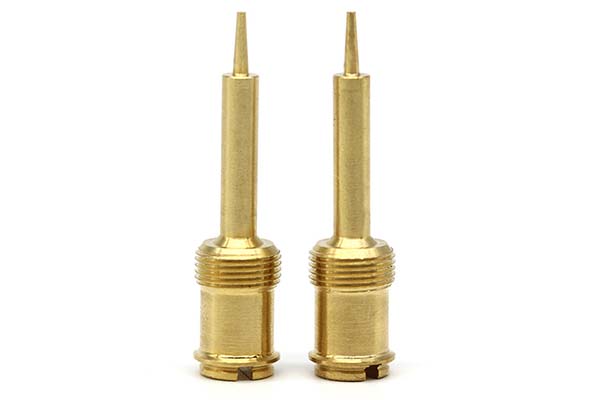
Introduction
Micro machining has revolutionized the way we create small, intricate, and precision-engineered components. This specialized manufacturing process involves removing minute amounts of material to achieve dimensions and tolerances at the micrometer level—often measured in microns (µm), where 1 µm equals 0.001 mm.
As technology advances, demand for smaller, more complex components has increased exponentially. Industries such as electronics, medical devices, and aerospace require components that are not only small but also highly precise. Micro machining enables manufacturers to produce these components with high accuracy and repeatability, ensuring consistent quality and performance.
This guide explores the definition, techniques, equipment, applications, advantages, and challenges of micro machining.
What Micro Machining Techniques Exist?
Mechanical Micro Machining
Mechanical micro machining uses small cutting tools—micro end mills and micro drills—to remove material. Tools are made from high-strength materials like carbide or diamond to withstand high cutting forces and wear.
| Application | Capability |
|---|---|
| Small holes, slots, intricate features | Metals, ceramics |
Laser Micro Machining
Laser micro machining uses focused laser beams to remove material. The laser beam can be precisely controlled to achieve extremely high accuracy.
| Advantage | Capability |
|---|---|
| Non-contact—no physical force; reduces deformation risk | Complex geometries; features difficult with mechanical tools |
Chemical Micro Machining
Chemical micro machining uses chemical etchants to selectively remove material. Etchants are chosen based on material and desired etch rate.
| Application | Capability |
|---|---|
| Intricate patterns; microstructures | Silicon, semiconductor materials—electronics industry |
Plasma Micro Machining
Plasma micro machining uses ionized gas (plasma) to remove material at the atomic level. Plasma is generated by applying an electric field to a gas, creating a highly reactive environment.
| Application | Capability |
|---|---|
| Very fine features; microstructures | MEMS (micro-electromechanical systems); high-precision components |
What Equipment Is Used in Micro Machining?
Ultra-Precision Lathes
| Feature | Capability |
|---|---|
| High-precision spindles; tool holders | Extremely tight tolerances; surface finishes measured in nanometers |
| Applications | Optical components—lenses, mirrors |
Micro Milling Machines
| Feature | Capability |
|---|---|
| Small milling cutters | Complex geometries; intricate features |
| Advanced control systems | Precise tool path programming; real-time monitoring |
Laser Micro Machining Systems
| Feature | Capability |
|---|---|
| Advanced optics; control systems | Precise beam position, intensity, duration |
| Applications | Micro drilling; surface texturing—electronics, medical, aerospace |
Chemical Etching Equipment
| Feature | Capability |
|---|---|
| Controlled environment | Chemical etchants; precise etch rate and pattern |
| Applications | Microstructures in silicon—semiconductor industry |
Where Is Micro Machining Applied?
Electronics Industry
| Component | Role of Micro Machining |
|---|---|
| Microchips, sensors, MEMS | Tiny transistors; interconnects—enables faster, more efficient devices |
Medical Devices
| Component | Role of Micro Machining |
|---|---|
| Implants, surgical instruments, diagnostic equipment | Tiny features for perfect fit; microfluidic devices for precise fluid control |
Aerospace Industry
| Component | Role of Micro Machining |
|---|---|
| Micro turbines, fuel injectors, sensors | Lightweight; strong; high reliability; stringent quality standards |
Other Industries
| Industry | Applications |
|---|---|
| Automotive | Fuel injectors, sensors |
| Optical | Lenses, mirrors—high surface quality |
What Are the Advantages and Challenges?
Advantages
| Advantage | Impact |
|---|---|
| High accuracy and precision | Dimensions in micrometer range; consistent quality |
| Complex geometries | Intricate features impossible with conventional methods |
| Miniaturization | Enables smaller, more powerful products |
Challenges
| Challenge | Impact |
|---|---|
| Low material removal rates | Slower than conventional machining |
| High tool wear | Increased tool replacement costs; downtime |
| High equipment cost | Ultra-precision lathes; laser systems; chemical etching—expensive to purchase and maintain |
| Skilled workforce required | Highly trained technicians and engineers needed |
Conclusion
Micro machining is a critical manufacturing process enabling the production of small, intricate, high-precision components across industries:
- Techniques: Mechanical, laser, chemical, plasma—each suited to specific materials and features
- Equipment: Ultra-precision lathes (nanometer finishes); micro milling machines (complex geometries); laser systems (non-contact precision); chemical etching (microstructures)
- Applications: Electronics (microchips, sensors), medical (implants, microfluidics), aerospace (micro turbines, fuel injectors), automotive, optical
- Advantages: Micrometer-level precision; complex geometries; miniaturization
- Challenges: Low material removal rates; high tool wear; high equipment cost; skilled workforce required
As technology advances, demand for smaller, more complex components continues to grow. Micro machining will remain essential—enabling innovation in electronics, medical devices, aerospace, and beyond.
FAQs
What are the most common applications of micro machining?
Micro machining is widely used in electronics (microchips, sensors, MEMS), medical devices (implants, surgical instruments, microfluidic devices), and aerospace (micro turbines, fuel injectors, sensors). It is also used in automotive and optical industries for high-precision components.
What are the primary challenges associated with micro machining?
Main challenges include low material removal rates (slower than conventional machining), high tool wear (increased replacement costs, downtime), and high equipment cost (ultra-precision lathes, laser systems, chemical etching equipment). Operation requires highly skilled technicians and engineers.
How does micro machining differ from conventional machining?
Micro machining operates at a much smaller scale—removing minute amounts of material to achieve micrometer-level precision. It uses specialized tools and machines capable of very high speeds and exceptional control. Conventional machining deals with larger workpieces and coarser tolerances.
What materials can be micro machined?
Micro machining works with a wide range of materials:
- Metals: Aluminum, steel, stainless steel, titanium
- Ceramics: High hardness; mechanical or laser micro machining
- Semiconductors: Silicon—chemical micro machining
- Plastics: Laser micro machining
Is micro machining cost-effective for high-volume production?
Micro machining can be cost-effective for high-value, high-precision components where accuracy and performance justify equipment costs. However, low material removal rates and high tool wear make it less suitable for large volumes of simple parts. For high-volume production, alternative methods (injection molding, stamping) may be more cost-effective.
Contact Yigu Technology for Custom Manufacturing
At Yigu Technology, we specialize in micro machining for electronics, medical, aerospace, and industrial applications. With 15 years of experience, advanced laser micro machining, micro milling, and ISO 9001 certification, we deliver precision components with micrometer-level tolerances.
Our capabilities include mechanical, laser, and chemical micro machining for metals, ceramics, and semiconductors. Contact us today to discuss your micro machining project.