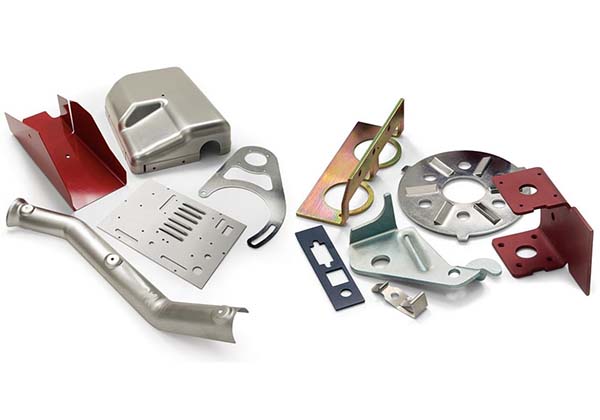
Getting metal parts made with precision matters. Traditional methods like sawing or plasma cutting often fall short on accuracy. Custom metal laser cutting offers a different approach. This guide explains how it works, what materials suit it best, and how to choose the right service.
Introduction
Custom metal laser cutting uses a high-powered laser beam to cut, engrave, or shape metal according to your design. It works for prototypes and large production runs alike. The technology delivers accuracy and flexibility that older methods cannot match.
Whether you work in automotive, aerospace, electronics, or even art, laser cutting brings custom metal parts to life. This guide walks you through the process from start to finish.
How Laser Cutting Works
Breaking Down the Process
Laser cutting relies on three main components: a laser generator, a beam delivery system, and a CNC (computer numerical control) system. Here is how the workflow unfolds:
Design Preparation: You provide a digital design file. Common formats include DXF, DWG, or AI. A technician reviews and optimizes the file for laser cutting. They account for material thickness and laser focal length.
Material Setup: The metal sheet sits on a cutting bed. Clamps hold it firmly in place to prevent movement during cutting.
Laser Calibration: The CNC system adjusts power, speed, and focus based on material type and thickness. Thicker stainless steel requires higher power and slower speeds.
Cutting Process: The laser generator emits a concentrated beam. Mirrors and a lens direct it to the workpiece. The beam heats metal to extreme temperatures—up to 5,000°C for some metals. The material vaporizes or melts along the cut path. A jet of gas blows away molten metal, leaving a smooth edge.
Finishing: After cutting, the part comes off the bed. Additional steps like deburring or polishing may follow.
A Real-World Example
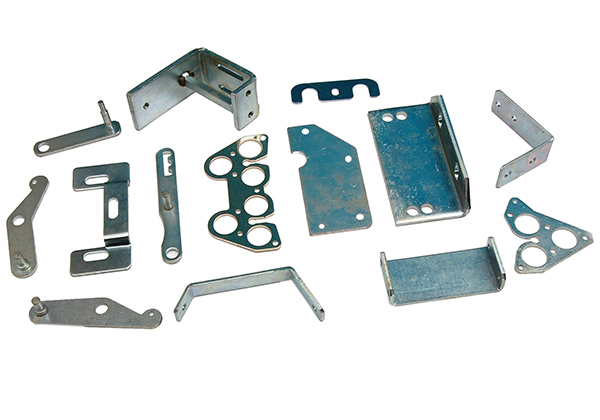
A local automotive parts manufacturer needed custom aluminum brackets for an electric vehicle. Their design required 12 small holes—each 3mm in diameter—and a complex curved edge. Traditional stamping would have struggled.
Using a fiber laser optimized for metals, we calibrated to 2,000W power and 150mm/s speed for the 2mm-thick aluminum sheets. The result: 500 brackets in 8 hours with zero defects. Hole accuracy reached ±0.02mm—far better than the required ±0.1mm.
Materials That Work Best
Compatibility by Metal Type
Not all metals cut the same way. The process depends on thermal conductivity, melting point, and reflectivity. Here is a breakdown:
| Material | Compatibility | Ideal Thickness | Key Advantages |
|---|---|---|---|
| Carbon Steel | Excellent | 0.5mm – 20mm | Low reflectivity, clean cuts, low cost |
| Stainless Steel | Very Good | 0.3mm – 15mm | Corrosion-resistant, precise edges |
| Aluminum | Good | 0.2mm – 10mm | Lightweight, but reflective (needs higher power) |
| Copper & Brass | Fair | 0.1mm – 5mm | High reflectivity; slower cutting |
| Titanium | Very Good | 0.1mm – 8mm | High strength; works well with fiber lasers |
Thickness Trade-Offs
Thicker materials require more power and cut more slowly. A 1kW fiber laser cuts 1mm stainless steel at 500mm/s. That same machine cuts 10mm stainless steel at just 50mm/s.
If your project uses metal thicker than 10mm, choose a higher-power laser—2kW or more. Otherwise, expect rough edges or incomplete cuts.
Key Advantages Over Traditional Methods
Precision and Consistency
Laser cutting achieves tolerances as tight as ±0.01mm for thin metals. That is 5 to 10 times more accurate than plasma cutting, which typically manages ±0.1mm.
In aerospace, even tiny deviations matter. A medical device client needed titanium surgical tools with 0.5mm notches. Laser cutting delivered 100% consistency across 200 units. Their previous plasma cutter produced 15% defective parts.
Minimal Material Waste
Traditional methods leave large amounts of scrap because they require wide kerfs (cut widths). Laser cutting has a kerf as narrow as 0.1mm for thin metals.
For a project using 1m x 1m steel sheets, this can yield 10–15% more parts per sheet compared to waterjet cutting (which has a 0.5mm+ kerf). Over 1,000 sheets, that saves 100–150 sheets. For stainless steel, that is roughly $5,000–$7,500 in material savings.
Flexibility for Complex Designs
Stamping requires expensive molds. Sawing is limited to straight lines. Laser cutting handles intricate designs—curved edges, small holes, detailed engravings—without extra tooling.
A furniture designer needed steel frames with floral cutouts. We adjusted the design file three times during the project. Each change took minutes. No new tools were required.
Faster Turnaround Times
Setup for laser cutting takes 30–60 minutes. Stamping can take days to create and test molds.
For prototypes, this means getting a physical part in 1–2 days instead of 1–2 weeks. A startup developing an IoT device tested three iterations of a custom aluminum enclosure. First prototype arrived in 24 hours. Design tweaks took another day. Final version was ready in 48 hours total.
Choosing the Right Service
Verify Equipment and Capabilities
Ask about laser types. Fiber lasers work best for metals. Check power range—1kW to 4kW handles most metal projects. Confirm maximum workpiece size. If you need large sheets—say 4m x 2m—make sure the cutting bed accommodates them.
One client came to us after another service failed to cut their 3m-long steel beams. That provider’s bed was only 2m wide.
Review Portfolios and References
Look for examples similar to your project. A service focused on automotive parts may not excel at delicate jewelry engravings. Read reviews for feedback on on-time delivery and defect rates.
Ask for case studies. Reputable services share photos of finished parts and client quotes.
Check Quality Control Processes
A reliable service inspects during production, not just at the end. Do they use calipers or coordinate measuring machines (CMMs) ? Do they verify accuracy throughout the run?
We inspect 10% of parts mid-production and 100% at the end. Inspection reports go to clients for transparency.
Get a Detailed Quote
A good quote includes:
- Material costs
- Cutting time
- Finishing (deburring, polishing)
- Shipping
Avoid vague estimates. Some services add fees later for “design adjustments” or “material waste.” We provide itemized quotes within 24 hours and do not charge for minor design tweaks.
Common Mistakes to Avoid
Submitting Poor Design Files
Blurry or incomplete files cause miscuts. Overlapping lines or missing dimensions create problems. Always provide high-resolution vector files. DXF or DWG formats are preferred.
If unsure, ask the service to review your file first. We offer free design checks. Last month, we caught a missing radius on a steel bracket design. That radius would have left sharp edges that could injure workers.
Ignoring Material Thickness Limits
Confirm the service’s thickness limits for your material. Specifying a 15mm aluminum sheet for a machine that handles only 10mm leads to rough or incomplete cuts.
Skipping the Prototype Stage
Jumping straight to full production risks costly mistakes. A prototype lets you test fit, form, and function before committing to large runs.
One client ordered 500 brass electrical connectors without a prototype. The holes were too small for their wires. Re-cutting all 500 added a week and $2,000 to the project cost.
Yigu Technology’s Perspective
At Yigu Technology, we see laser cutting as more than a manufacturing process. It empowers innovation. Over the past decade, we have helped small businesses and large enterprises turn complex ideas into tangible products.
We have also noticed a shift toward sustainable manufacturing. Laser cutting produces less waste and uses energy more efficiently than plasma or waterjet cutting. A renewable energy client recently used our service for custom steel frames for solar panels. Reducing material waste by 12% lowered their carbon footprint and saved $3,000 on a 1,000-unit order.
Our advice: collaborate closely with your service provider. Optimize your design for the process. Ask questions about materials and finishing options. With the right partnership, laser cutting turns ambitious ideas into reality.
Conclusion
Custom metal laser cutting delivers precision, flexibility, and efficiency that traditional methods cannot match. It handles complex designs with tight tolerances. It minimizes waste and speeds up production.
Success depends on choosing the right materials and the right service partner. Verify equipment. Review portfolios. Get detailed quotes. And always prototype before full production.
When done right, laser cutting transforms your metal components from concept to finished product with consistency and quality.
FAQ
How much does custom metal laser cutting cost?
Costs vary by material, thickness, complexity, and volume. Small prototypes—like a 100mm x 100mm steel part—typically cost $20–$50. Large production runs—1,000 aluminum brackets—drop to $5–$15 per part. Always request an itemized quote.
What is the maximum part size for laser cutting?
Most services handle parts up to 4m x 2m, which matches standard metal sheet sizes. Larger beds exist for specialized projects. For oversized parts, ask about nesting or joining multiple pieces.
Can laser cutting engrave metal?
Yes. Many laser cutters engrave text, logos, and designs onto metal surfaces. Engraving depth depends on laser power. Fiber lasers can engrave up to 0.5mm deep on steel—ideal for branding or part numbering.
How long does a laser cutting project take?
Prototypes typically take 1–3 days, including design review. Large production runs (1,000+ parts) take 5–10 days, depending on capacity. Confirm timelines upfront, especially for tight deadlines.
Is laser cutting safe for food-grade or medical applications?
Yes, with proper materials and cleaning. 304 stainless steel works for food applications. Titanium suits medical uses. Laser cutting leaves no residue, and smooth edges prevent bacterial growth—making it suitable for kitchen equipment and surgical tools.
Contact Yigu Technology for Custom Manufacturing
Need precision metal parts for your next project? Yigu Technology offers custom metal laser cutting with rigorous quality control. From prototypes to full production runs, we deliver accuracy and consistency. [Contact us] to discuss your requirements and get a detailed quote.