Introduction
You have a design in mind—maybe a custom enclosure for electronics, a prototype part for a new product, or a specialized bracket for industrial equipment. Traditional manufacturing often meant calling local shops, driving across town, and waiting weeks for a quote. But today, custom sheet metal fabrication online has changed the game.
You can now upload a design file, select materials, and receive a quote within hours. Parts ship directly to your door. But how does the process actually work? What should you watch out for? And how do you ensure you get quality parts without surprises?
This guide walks you through the entire journey—from design to delivery. Whether you are a first-time buyer or looking to move your sourcing online, you will learn exactly what to expect and how to succeed.
What Is Custom Sheet Metal Fabrication?
The Basic Idea
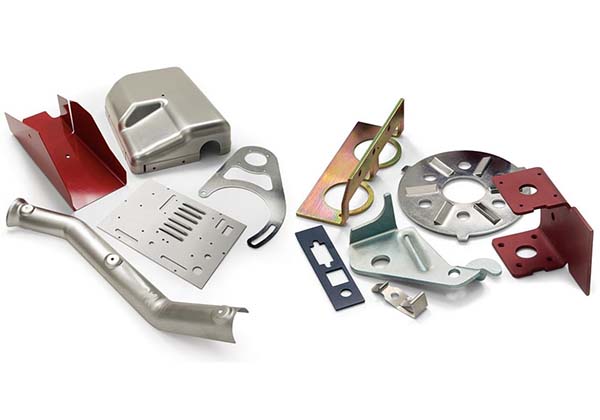
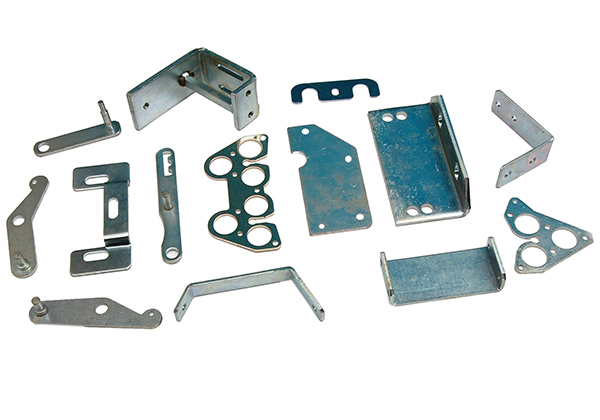
Custom sheet metal fabrication is the process of turning flat metal sheets into parts that match your specific design. It starts with raw material—steel, aluminum, stainless steel, or copper—in thicknesses ranging from thin foil to heavy plate. Skilled fabricators then cut, bend, weld, and finish the metal to create your component.
Unlike mass-produced parts, custom fabrication means every piece is made to your exact specifications. This flexibility allows for prototypes, low-volume runs, and highly specialized components that you simply cannot buy off the shelf.
The Digital Shift
Online fabrication platforms have streamlined what used to be a complicated process. Instead of calling multiple shops and explaining your project repeatedly, you upload a 3D model or 2D drawing. The platform analyzes your design, checks for manufacturability, and returns a price—often in 24 hours or less.
Real-World Example: A startup needed 25 aluminum enclosures for a medical device. Traditional local shops quoted $180 each with a 3-week lead time. An online fabrication service quoted $112 each with a 10-day lead time, including laser cutting, bending, and powder coating. The startup saved 38% and launched on schedule.
What Happens During the Process?
Design: Where It All Starts
Every fabrication job begins with a design. You provide a CAD file—common formats include STEP, IGES, or DXF. If you do not have a design, many online shops offer design assistance or connect you with freelance engineers.
The design phase determines everything that follows. A well-designed part is easier to fabricate, costs less, and performs better. Key considerations include:
- Bend radii: Sharp inside corners can cause cracking.
- Hole placement: Holes too close to edges may distort during bending.
- Tolerances: Tighter tolerances increase cost and lead time.
Cutting: Shaping the Flat Sheet
Cutting is usually the first physical step. The method chosen affects precision, speed, and cost.
- Laser cutting: Uses a focused laser beam to melt through metal. Precision reaches ±0.1 mm. Edges are clean, and complex shapes are possible. It works well for most metals and thicknesses up to about 25 mm for mild steel.
- Plasma cutting: Uses a high-temperature plasma arc (up to 30,000°F) to melt and blow away metal. Faster than laser for thick materials (up to 100 mm) and cost-effective for large parts. Edge finish is slightly rougher, with typical tolerance around ±0.5 mm.
- Shearing: Uses mechanical force to cut straight lines. Fast and economical for simple shapes and high volumes, but limited to straight cuts only.
Bending: Adding the Third Dimension
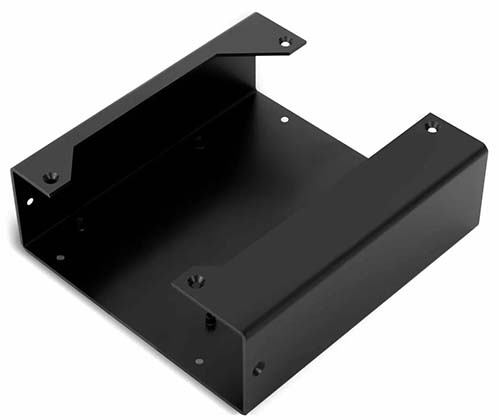
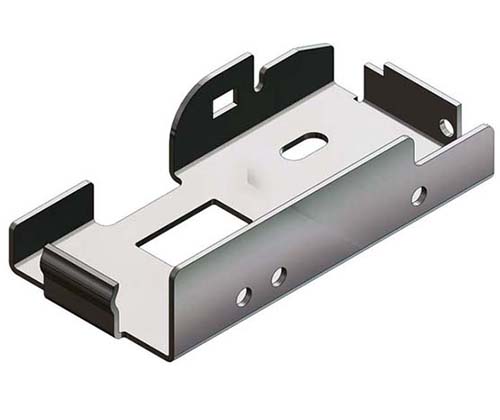
Flat sheets become three-dimensional parts through bending. Press brakes apply force to fold the metal at specific angles.
The bending process requires careful planning. Metals have a spring-back effect—they tend to return slightly to their original shape after bending. Skilled operators compensate by over-bending slightly or using post-bend annealing to relieve stress.
Pro Tip: When designing for bending, specify bend radii that match standard tooling. Non-standard radii may require custom dies, increasing cost and lead time.
Welding: Joining Pieces Together
When a part consists of multiple pieces, welding creates a permanent bond. Different techniques suit different metals and applications.
| Welding Method | Best For | Advantages | Considerations |
|---|---|---|---|
| MIG Welding | Carbon steel, stainless, aluminum | Fast, high deposition rate, good for thicker materials | Slightly rougher finish |
| TIG Welding | Stainless steel, aluminum, thin materials | Clean, precise welds; excellent appearance | Slower, requires skilled operators |
| Spot Welding | Thin sheets, automotive panels | Fast, no filler material | Limited to overlapping joints |
Finishing: Protection and Appearance
After cutting, bending, and welding, the part receives a surface finish. This step protects against corrosion, improves appearance, and can add functionality.
- Powder coating: A dry powder applied electrostatically and cured with heat. Creates a thick, durable finish resistant to chips and scratches. Available in many colors.
- Anodizing: Used for aluminum. Creates a hard, corrosion-resistant oxide layer. Can be dyed in various colors while retaining a metallic appearance.
- Galvanizing: Applies a zinc coating to steel. Excellent for outdoor applications where rust is a concern.
- Painting: Traditional liquid paint. Offers flexibility but generally less durable than powder coating.
What Materials Can You Choose?
Selecting the right material is one of the most important decisions in custom sheet metal fabrication online. The table below summarizes common options.
| Material | Key Properties | Common Applications | Cost Factor |
|---|---|---|---|
| Low-Carbon Steel | Strong, formable, weldable | Enclosures, brackets, machinery parts | Low |
| Stainless Steel 304 | Corrosion-resistant, hygienic | Food equipment, architectural trim | Medium |
| Stainless Steel 316 | Superior chloride resistance | Marine components, chemical processing | High |
| Aluminum 5052 | Excellent formability, corrosion-resistant | Fuel tanks, marine parts, deep-drawn shapes | Medium |
| Aluminum 6061 | High strength-to-weight, machinable | Aerospace, automotive, structural parts | Medium |
| Copper | High conductivity, malleable | Electrical components, heat exchangers | High |
Case Study: A customer designing outdoor electrical enclosures initially selected stainless steel 304. After discussing the environment—near a coastal saltwater zone—Yigu Technology recommended 316 stainless. The material cost increased by 25%, but the enclosures survived five years without corrosion. The original choice would have required replacement after two years.
How Do You Ensure Quality When Ordering Online?
Check Supplier Credentials
When ordering custom sheet metal fabrication online, you cannot walk the shop floor. Instead, look for certifications and transparency. ISO 9001 certification indicates documented quality management systems. Reputable suppliers also publish their equipment lists and material sourcing details.
Request Material Certifications
For critical applications, ask for mill test reports (MTRs) . These documents verify the material's chemical composition and mechanical properties. They provide traceability and assurance that you received what you paid for.
Define Clear Acceptance Criteria
Before ordering, specify your quality requirements. Include:
- Dimensional tolerances (e.g., ±0.5 mm for cut edges, ±1° for bends)
- Surface finish requirements (e.g., no sharp burrs, specific roughness)
- Weld quality standards (e.g., full penetration, no porosity)
A good supplier will confirm these requirements and provide inspection reports with your order.
Consider a First Article Inspection
For larger production runs, request a first article inspection (FAI) . The supplier produces one part and sends it for your approval before running the full order. This step catches any issues early and prevents costly rework.
What About Design Changes and Timing?
Changing Your Design After Ordering
If you need to modify your design after placing an order, act immediately. Contact the supplier as soon as you recognize the change.
- Minor changes (hole size adjustments, small dimension tweaks) may be accommodated without significant cost or delay.
- Major changes (new geometry, different material) may require re-quoting and can reset the production timeline.
Most online fabrication platforms have a cutoff point after which changes are not possible without canceling and reordering. Know that window before you place your order.
Typical Lead Times
Production time varies based on complexity and quantity.
| Order Type | Typical Lead Time |
|---|---|
| Simple parts, small quantity (1–50) | 3–7 business days |
| Moderate complexity, medium quantity (50–500) | 7–15 business days |
| Complex parts, high quantity (500+) | 15–30 business days |
Shipping adds additional time. Domestic ground shipping typically takes 1–5 days. International air freight takes 3–7 days; sea freight takes 1–3 weeks.
Conclusion
Custom sheet metal fabrication online has made it easier than ever to turn designs into physical parts. The process follows a clear flow: design, cutting, bending, welding, and finishing. Material selection drives cost and performance. Quality depends on choosing reputable suppliers, defining clear requirements, and verifying certifications.
For first-time buyers, the key is to start with a clear design and realistic expectations. Use the quoting process to ask questions. Request samples if possible. And remember that the lowest price is not always the best value—reliability, quality, and communication matter just as much.
With the right approach, online fabrication delivers high-quality parts faster and often at lower cost than traditional methods. Your next project is just an upload away.
FAQs
How do I ensure the quality of custom sheet metal products ordered online?
Check supplier certifications like ISO 9001. Request material certifications (mill test reports) . Define clear acceptance criteria in your order. For larger runs, ask for a first article inspection before full production. Reputable suppliers provide inspection reports and maintain transparent communication throughout the process.
What if I need to make changes to my design after placing the order?
Contact the supplier immediately. Minor changes may be accommodated without major disruption. Major changes may require re-quoting and can extend lead time. Most platforms have a cutoff point after which changes are not possible. Discuss this window with your supplier before finalizing your order.
How long does it usually take to receive custom sheet metal products?
Simple, small-batch orders typically take 3–7 business days for production. Complex or high-volume orders can take 15–30 days. Shipping adds 1–5 days for domestic ground, 3–7 days for international air, or 1–3 weeks for sea freight. Always confirm lead times with your supplier before ordering.
What file format should I provide for an online quote?
Most online fabrication services accept STEP (.stp), IGES (.igs), or DXF files. STEP is preferred because it preserves 3D geometry accurately. For simple parts, a detailed PDF drawing with dimensions may be sufficient, but a 3D model reduces miscommunication.
Contact Yigu Technology for Custom Manufacturing
At Yigu Technology, we specialize in custom sheet metal fabrication with a focus on quality and reliability. Our services include laser cutting, CNC bending, TIG and MIG welding, powder coating, anodizing, and assembly. We work with carbon steel, stainless steel, aluminum, and copper across prototype to production volumes. Upload your design, and we will provide a detailed quote with clear lead times. Contact us to discuss your project—we will help you bring your ideas to life.