Introduction
In today’s fast-moving manufacturing world, speed matters. Companies need to turn ideas into physical products quickly—without sacrificing quality. Sheet metal rapid prototyping makes this possible. It bridges the gap between a digital design and a functional part. In the past, creating a prototype meant waiting weeks for molds and tooling. Now, advanced machinery can produce a working prototype in days or even hours. In this guide, we will explore how this technology works, what materials to use, and how it delivers both speed and precision.
What Is Sheet Metal Rapid Prototyping?
Definition and Basics
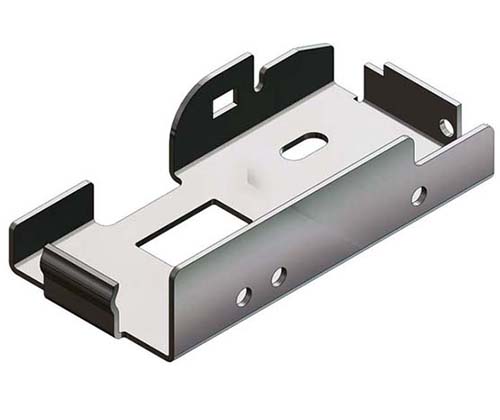
Sheet metal rapid prototyping is a manufacturing technique that uses computer-aided design (CAD) software and advanced machinery to create functional prototypes from sheet metal quickly.
The process starts with a 3D model. Designers create a detailed digital version of the part using CAD software. This model controls every detail—dimensions, shapes, tolerances, and features.
Once the model is ready, it goes to the manufacturing equipment. Common tools include:
- Laser cutters for precise cutting
- CNC machines for drilling, milling, and bending
- Waterjet cutters for thick materials without heat distortion
Example: A smartphone case design requires precise curves for grip and exact cutouts for buttons. Using CAD, the designer defines these features. The laser cutter then shapes the sheet metal to match the model with high accuracy.
What Technologies Enable Rapid Prototyping?
Laser Cutting
Laser cutting uses a high-energy beam to cut sheet metal with extreme precision.
- Accuracy: Up to ±0.05 mm
- Best for: Intricate shapes and thin to medium thicknesses
- Advantages: Clean edges, minimal material waste
Case study: A medical device company needed a prototype for a surgical instrument housing. Using laser cutting on 0.8 mm stainless steel, they achieved tight tolerances and a smooth edge finish. The prototype was ready in three days, compared to the three weeks traditional methods would have taken.
CNC Machining
CNC (Computer Numerical Control) machines perform multiple operations.
- Capabilities: Bending, drilling, milling, and punching
- Advantages: High repeatability, versatile
- Accuracy: Angle precision up to ±0.1 degree
CNC machines are ideal for creating parts that require multiple fabrication steps in one setup.
Waterjet Cutting
Waterjet cutting uses high-pressure water mixed with abrasive particles.
- Advantages: No heat-affected zone, no material distortion
- Best for: Thick materials, heat-sensitive metals
- Thickness range: Up to several inches
For materials like titanium or thick aluminum, waterjet cutting preserves the metal’s original properties.
3D Printing (Additive Integration)
While less common for sheet metal, 3D printing can complement rapid prototyping. It creates complex geometries or add-on features that integrate with sheet metal components.
How Does Material Selection Impact Prototyping?
Common Sheet Metal Materials
Each material brings different properties to the prototype.
| Material | Key Properties | Common Applications |
|---|---|---|
| Aluminum | Lightweight, corrosion-resistant, easy to machine | Aerospace, automotive, electronics enclosures |
| Stainless Steel | High strength, excellent corrosion resistance | Medical devices, food equipment, marine parts |
| Copper | Exceptional electrical and thermal conductivity | Electronics, heat exchangers, wiring |
| Titanium | Excellent strength-to-weight ratio, biocompatible | Aerospace, medical implants, high-performance parts |
Example: An aerospace company prototyping a new bracket chose aluminum for its light weight. The prototype weighed one-third of a steel equivalent, meeting strict weight targets.
Factors in Material Selection
Choosing the right material means balancing several factors.
Strength and Durability
Does the part need to withstand heavy loads or repeated use? Stainless steel and titanium offer high strength. For lighter duty, aluminum often suffices.
Weight
In aerospace and automotive, every gram counts. Aluminum and titanium deliver strength without the weight of steel.
Cost
Aluminum is generally more cost-effective than titanium. Stainless steel falls in the middle range. Balancing budget with performance is key.
Workability
How easily can the material be cut, bent, and welded? Aluminum and copper are relatively easy to form. High-strength stainless steel requires more powerful equipment and careful techniques.
Corrosion Resistance
For outdoor, marine, or chemical environments, stainless steel or coated aluminum are essential.
How Material Properties Affect Prototyping
Material properties shape the prototyping process itself.
- Mechanical properties: High-strength materials like titanium require more force to bend. Ductile materials like aluminum form easily without cracking.
- Thermal properties: Copper’s high thermal conductivity makes it ideal for heat sinks, but it also dissipates heat quickly during welding, requiring skill.
- Electrical properties: For electronic prototypes, copper ensures efficient signal transmission.
- Corrosion resistance: In saltwater testing, 316 stainless steel withstands over 5,000 hours of salt spray without rusting. That makes it the choice for marine prototypes.
How Does Design Affect Prototyping Speed?
Design for Manufacturability
Good design speeds up prototyping. Design for manufacturability (DFM) principles ensure that a part can be made efficiently.
Key DFM tips for sheet metal:
- Use standard bend radii when possible
- Avoid overly tight tolerances unless necessary
- Design features that work with available tooling
- Consider material grain direction during bending
Real-world example: A client designed a bracket with a very tight bend radius. The original design risked cracking during forming. Our team suggested a slightly larger radius. The change added no cost but eliminated the risk of failure.
Iterative Testing
Rapid prototyping allows quick iterations. Designers can test multiple versions in the time it once took to make one.
A consumer electronics company developed a new device enclosure. They created five design iterations in two weeks, testing each for fit, strength, and heat dissipation. The final design was optimized and ready for production in record time.
Case Studies: Real-World Success
Automotive Industry
An automotive manufacturer needed to develop a new body panel with improved aerodynamics. Traditional methods would have required expensive molds and months of lead time.
Using sheet metal rapid prototyping, the team:
- Created a CAD model of the new panel
- Used laser cutting and CNC bending to form the prototype
- Completed the first prototype in two weeks
The result: 50% reduction in development time. The manufacturer could test and refine the design quickly, bringing the new vehicle to market ahead of competitors.
Aerospace Applications
An aerospace company was designing a new wing section. The goal was to improve fuel efficiency by reducing drag.
They used rapid prototyping to:
- Create a highly detailed 3D model
- Produce physical prototypes for wind tunnel testing
- Identify a turbulence issue early in the cycle
By catching the flaw early, they avoided costly changes later. The redesigned wing achieved a 4% improvement in fuel efficiency.
What Are the Benefits of Rapid Prototyping?
Faster Time to Market
Speed is the most obvious benefit. Prototypes that once took months now take days or weeks. A study found that companies using rapid prototyping reduced development time by 40–60% on average.
Cost Savings
Finding design flaws early saves money. Rework during mass production is expensive. Correcting a flaw at the prototype stage can cost 10 times less than fixing it during production.
Better Design Accuracy
Advanced cutting and forming technologies achieve high precision. The prototype closely matches the digital model, giving engineers confidence before moving to production.
Quick Iteration
Designers can test multiple variations. They learn what works and what does not—fast. This leads to better-optimized products and fewer surprises later.
Yigu Technology’s Perspective
At Yigu Technology, we use sheet metal rapid prototyping to help clients move from concept to reality faster. Our equipment includes:
- Laser cutters with ±0.05 mm accuracy
- CNC bending machines with ±0.1 degree angle precision
- Waterjet cutters for thick or heat-sensitive materials
We work with a range of materials—aluminum, stainless steel, copper, and titanium. Our engineers apply DFM principles to optimize designs before cutting begins.
Example: A robotics startup needed custom brackets for a new prototype. We produced the first set in five days. After testing, they requested a design change. The revised parts were ready in three more days. The startup met its funding deadline with a working prototype in hand.
Conclusion
Sheet metal rapid prototyping transforms how products are developed. It combines digital design with advanced machinery to deliver functional prototypes quickly and accurately. The benefits are clear: faster time to market, lower costs, and better design quality. By choosing the right material and applying sound design principles, manufacturers can move from idea to physical part in record time. Whether you are in automotive, aerospace, electronics, or medical devices, rapid prototyping gives you the speed and precision needed to stay competitive.
FAQ
What are the primary benefits of sheet metal rapid prototyping?
The main benefits are faster development time, cost savings, and improved design accuracy. Companies using rapid prototyping often cut development time by 40–60% and reduce production costs by 30–40% by catching design flaws early.
How can I ensure material compatibility during prototyping?
Test the material with your intended processes before full production. Check for cracking during bending, weld quality, and surface finish. Work with an experienced fabricator who understands material behavior.
What software is best for designing sheet metal prototypes?
SolidWorks is widely used for 3D sheet metal design. It includes specialized features for bends, flanges, and hems. AutoCAD works well for 2D drawings. Fusion 360 offers cloud-based design and collaboration tools.
How thick can sheet metal be for rapid prototyping?
Typical thickness ranges from 0.3 mm to 10 mm. Laser cutting works well up to about 8 mm for steel. Waterjet cutting can handle thicker materials, up to several inches, depending on the material.
Is rapid prototyping suitable for high-strength materials like titanium?
Yes. Laser cutting, waterjet cutting, and CNC machining all work with titanium. However, titanium requires more powerful equipment and careful process control. It is well worth the effort for applications demanding high strength and low weight.
Contact Yigu Technology for Custom Manufacturing
At Yigu Technology, we specialize in sheet metal rapid prototyping and custom fabrication. From initial design to finished prototype, our experienced team delivers quality and speed. [Contact us today] to discuss your project and get a fast, accurate quote.