Introduction
Sheet metal is everywhere—from the car you drive to the electronics you use daily. But turning a flat, thin piece of metal into a precisely crafted component takes more than just tools. It takes specialized skills, deep material knowledge, and a commitment to quality. In this article, we’ll explore how sheet metal specialists bring precision to life. You’ll learn about the materials they work with, the techniques they use, and how they ensure every part meets exact standards. Whether you’re new to manufacturing or looking to improve your own projects, this guide will give you a clear picture of what precision craftsmanship really means.
What Is Sheet Metal?
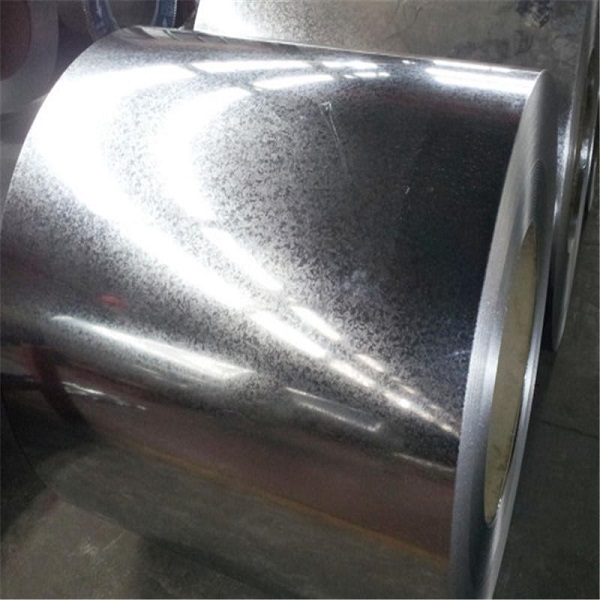
Sheet metal is simply metal formed into thin, flat pieces. Manufacturers produce it by rolling large slabs of metal until they reach the desired thickness. This process makes the material easy to cut, bend, and shape into countless products.
What makes sheet metal so useful? Its malleability. You can form it into complex shapes without losing strength. It also welds easily, so you can join multiple pieces to build larger structures. These qualities make sheet metal a top choice for industries like automotive, aerospace, electronics, and construction.
Common Types of Sheet Metal
Different projects call for different metals. Each type has unique properties that affect how it performs. Below is a quick overview.
| Metal Type | Key Properties | Common Uses |
|---|---|---|
| Steel | High strength, good ductility, magnetic | Car bodies, machinery parts, appliances |
| Aluminum | Lightweight, corrosion resistant, non-magnetic | Aerospace parts, electronics enclosures, building facades |
| Copper | Excellent conductivity, soft, antimicrobial | Electrical wiring, heat exchangers, plumbing |
| Brass | Attractive finish, corrosion resistant, easy to machine | Musical instruments, decorative hardware, fittings |
| Stainless Steel | Exceptional corrosion resistance, heat resistant | Medical devices, kitchen equipment, food machinery |
Choosing the right metal is critical. For example, a specialist working on an aircraft part will likely choose aluminum for its light weight. But if the project requires high strength and resistance to rust, stainless steel may be the better option.
What Skills Do Sheet Metal Specialists Need?
How Do They Cut with Precision?
Cutting is the first step in shaping sheet metal. Specialists use several methods depending on the material and design.
- Laser cutting: Offers extreme accuracy, with tolerances as tight as ±0.05mm. Ideal for complex shapes.
- Water jet cutting: Uses high-pressure water mixed with abrasive particles. It cuts without heat, so the material’s properties stay intact.
- Shearing: A cost-effective method for straight cuts on large sheets.
In one automotive project, specialists used laser cutting to shape steel panels for a luxury car. The precision allowed each panel to fit perfectly during assembly, saving time and reducing waste.
How Do They Master Bending?
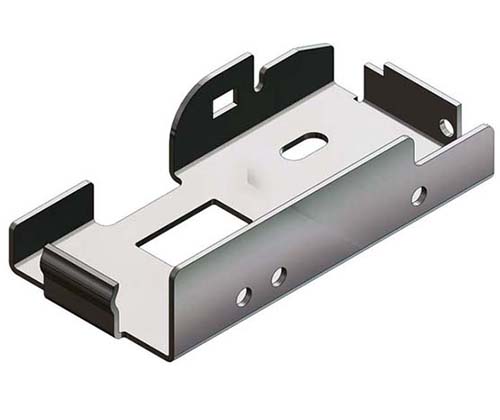
Bending turns flat sheets into three-dimensional parts. Specialists use press brakes to apply controlled force, creating precise angles and radii.
Getting the bend right matters. For HVAC ducts, even a small error can cause air leaks and reduce system efficiency. In a recent project, technicians bent aluminum sheets for a custom ventilation system. By carefully setting the machine parameters, they achieved consistent angles across hundreds of parts.
Why Is Welding So Important?
Welding joins sheet metal pieces into final assemblies. Specialists choose from techniques like:
- TIG welding: Produces clean, strong welds. Ideal for visible joints on stainless steel or aluminum.
- MIG welding: Faster and great for thicker materials.
- Spot welding: Common in automotive manufacturing for joining overlapping sheets.
For electronics enclosures, TIG welding ensures a smooth finish and structural integrity. In high-volume production, robotic MIG welding maintains consistency and speed.
How Do Specialists Choose the Right Material?
Material selection goes beyond picking a metal type. Specialists consider:
- Strength requirements: Will the part bear heavy loads?
- Corrosion resistance: Will it face moisture or chemicals?
- Weight constraints: Is weight reduction a priority?
- Conductivity: Does the part need to carry electricity or heat?
- Cost: What fits the budget without compromising quality?
Take steel, for example. It comes in grades like mild steel, high-strength steel, and stainless steel. Mild steel is affordable and easy to form. High-strength steel handles heavy loads in bridges or machinery. Stainless steel resists corrosion, making it perfect for food processing equipment.
Aluminum offers a great strength-to-weight ratio. That’s why aerospace engineers love it. But if conductivity matters most, copper is the clear winner—it’s used in wiring and heat exchangers.
The Process of Achieving Precision Craftsmanship
What Happens During Design and Planning?
Every precision part starts with a solid plan. Specialists work closely with clients to turn ideas into detailed 2D and 3D drawings. Every curve, hole, and edge gets specified.
But design is only half the story. Process planning determines how to make the part. This includes:
- Choosing cutting methods
- Deciding bending sequences
- Selecting welding techniques
- Estimating costs
In one large-scale project for industrial equipment housings, the design team spent weeks on 3D modeling. They identified potential fit issues early and adjusted the design. By choosing water jet cutting for thick sections and robotic MIG welding for high-volume joins, they delivered a product that met both quality and budget goals.
How Is Manufacturing Executed?
Once the design is set, manufacturing begins. This stage requires constant attention to detail.
First, cutting machines shape the raw sheets. Laser cutters handle intricate patterns. Shears process large sections quickly. Then, press brakes form the parts. Operators carefully control bending force and angle to match the design.
Welding follows for assemblies. For high-end stainless steel furniture, TIG welding creates seamless joints. After welding, surface treatments like powder coating or electroplating add protection and visual appeal.
Consider automotive body panels. High-strength steel is cut, formed in presses, and welded by robots. Each step is monitored to ensure the final product meets strict safety and quality standards.
How Is Quality Controlled?
Quality control is not a one-time check. It runs through the entire process.
- Dimensional inspection: Specialists use calipers, micrometers, and coordinate measuring machines (CMMs) to verify measurements. For medical equipment parts, tolerances can be as tight as ±0.01mm.
- Visual inspection: They examine surfaces for scratches, dents, or uneven finishes. For consumer electronics, appearance matters greatly.
- Performance testing: Depending on the use, parts may undergo fatigue tests, conductivity tests, or corrosion tests.
A telecommunications component maker, for instance, inspects incoming material, checks during production, and performs final EMC tests. This rigorous system builds trust and ensures reliability.
Case Studies: Precision in Action
Automotive Industry
Car body panels demand both beauty and function. Specialists use high-strength steel or aluminum. Laser cutting achieves tolerances within ±0.1mm. Computer-controlled press brakes shape complex curves.
In a recent sports car project, specialists created a unique body shape that improved aerodynamics. The new design cut the drag coefficient by 10% compared to the previous model.
Welding also plays a big role. Laser welding increased torsional rigidity by 20% in one study, improving handling and safety. Customer feedback showed over 90% satisfaction among owners of cars built with such precision.
FAQ
What are the most common mistakes to avoid when working with sheet metal?
Inaccurate cutting is a frequent issue. A deviation of just 0.5mm can cause parts to misalign. Always calibrate tools and double-check measurements. Welding defects like incomplete penetration can reduce joint strength by up to 50%. Proper training and equipment maintenance help avoid this. Improper bending also causes problems. Follow the correct sequence and use well-maintained machines.
How can I choose the right sheet metal for my project?
Start by defining your needs. For lightweight applications, aluminum works well. Its density is about 2.7 g/cm³, far lower than steel’s 7.85 g/cm³. If corrosion resistance is key, stainless steel is a strong choice. For electrical needs, copper offers high conductivity at 59.6×10⁶ S/m. Also factor in cost. Steel is generally more budget-friendly for large runs.
What is the typical cost range for sheet metal fabrication services?
Costs vary based on material, complexity, and volume. Mild steel may cost $200–$500 per ton, while aluminum can range from $1,500–$3,000 per ton. A simple enclosure might cost $50–$200 per unit in small batches. Complex parts with tight tolerances can reach $500–$1,500 per unit. Larger volumes lower the per-unit cost significantly.
Conclusion
Sheet metal specialists bring together skill, knowledge, and attention to detail. They choose the right materials, use advanced cutting and bending techniques, and apply strict quality control. From automotive panels to medical enclosures, their work ensures precision at every step. Understanding this process helps you make better decisions for your own projects—whether you’re designing a new product or improving an existing one.
Contact Yigu Technology for Custom Manufacturing
At Yigu Technology, we combine deep industry expertise with a commitment to quality. Our team of skilled specialists handles everything from design to final finishing. Whether you need complex enclosures, structural components, or custom prototypes, we deliver precision you can count on. [Contact us today] to discuss your project and get a tailored solution.