Introduction
You have a product design. Now you need to choose the material for your prototype. The decision is critical. The right material allows accurate testing of form, fit, and function. The wrong one leads to misleading results, wasted time, and unnecessary cost. Prototyping materials range from plastics to metals to silicone rubber—each with unique properties. This guide explains the types of materials available, their advantages and disadvantages, and how to select the right one for your project based on cost, durability, functionality, and manufacturing method.
What Are the Main Categories of Prototyping Materials?
Prototyping materials fall into three main categories: plastics, metals, and silicone rubber. Each serves different applications.
Plastics
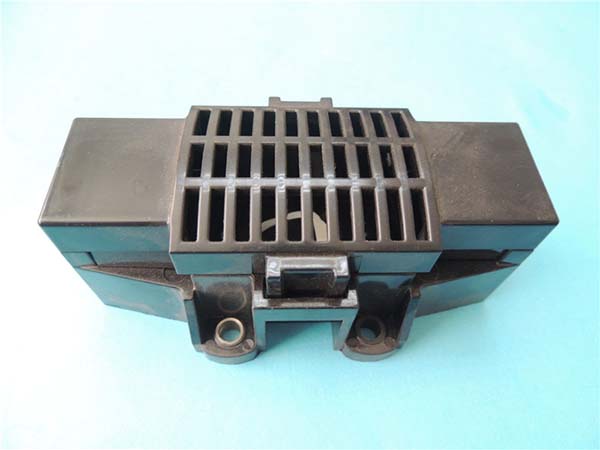
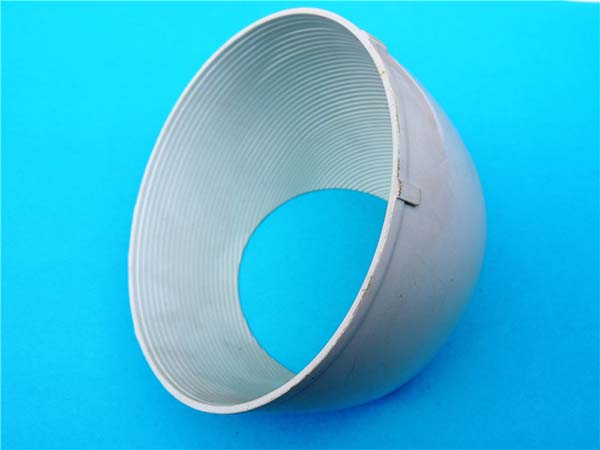
Plastics are the most commonly used prototyping materials due to their versatility, affordability, and ease of processing.
Common Plastic Materials
| Material | Key Properties | Applications |
|---|---|---|
| ABS | Strong, durable, heat and impact resistant | Toys, appliances, automotive parts |
| Polycarbonate (PC) | High strength, durability, transparency | Automotive parts, electronic components, safety equipment |
| Polypropylene (PP) | Lightweight, flexible, chemical and fatigue resistant | Packaging, containers, automotive interior components |
| Polyethylene (PE) | Durable, flexible, chemical and impact resistant | Packaging, containers, pipelines |
| POM (Acetal/Delrin) | High stiffness, low friction, dimensional stability | Gears, bearings, automotive parts |
| Nylon (PA) | High strength, durability, wear resistance | Gears, bearings, automotive parts, textiles |
| PET | Strong, stiff, tough | Electrical components, packaging, appliances |
| PMMA (Acrylic) | Transparent, lightweight, UV resistant | Signs, displays, protective materials |
| PTFE (Teflon) | Thermal stability, chemical resistance, nonstick surface | High-temperature applications, electrical components |
| PEEK | Excellent mechanical properties, high strength, tough | Medical implants, automotive components, aerospace parts |
Advantages of Plastics
- Versatility: Molded into various shapes and sizes; ideal for complex geometries
- Durability: Many plastics resist temperature and moisture
- Low cost: Generally less expensive than metals
- Lightweight: Beneficial where weight is a concern
- Availability: Widely available from suppliers
Disadvantages of Plastics
- Environmental impact: Most plastics are not biodegradable
- Limited strength: Not as strong as metals for high-stress applications
- Limited heat resistance: Can melt or deform at high temperatures
- Limited dimensional stability: May warp or change shape over time
- Limited chemical resistance: Some plastics are sensitive to certain chemicals
Metals
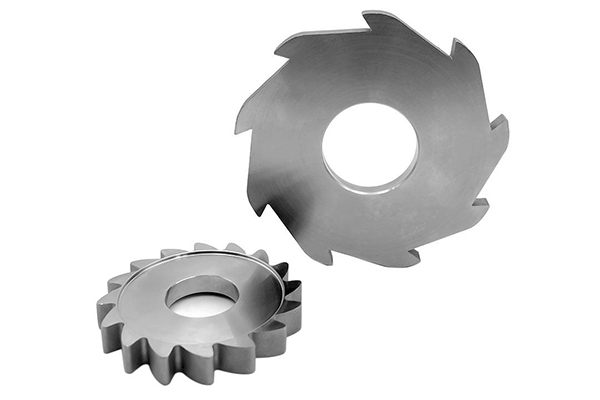
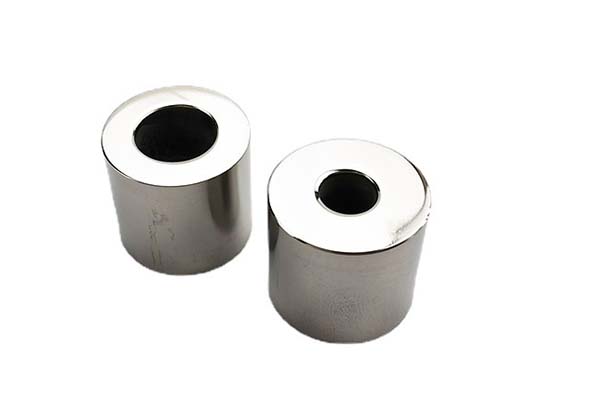
Metals are known for their strength, durability, and high melting points—ideal for functional prototypes requiring mechanical performance.
Common Metal Materials
| Material | Key Properties | Applications |
|---|---|---|
| Alloy Steel | Corrosion-resistant, weldable, heat-resistant, ductile | Industrial applications, appliances, automobiles |
| Mild Steel | High weldability, machinability, low cost | Consumer goods, cost-sensitive applications |
| Tool Steel | Hardness, wear resistance, maintains edge at high temperatures | Hand tools, machine dies, molds |
| Stainless Steel | Highly corrosion-resistant | Consumer goods, industrial applications, surgical equipment |
| Copper | Corrosion resistance, high thermal and electrical conductivity | Building parts, electrical connectors, musical instruments |
| Brass | Durable, machinable, corrosion-resistant, low friction | Plumbing, electrical, artistic applications |
| Aluminum | Lightweight, corrosion-resistant, good thermal conductivity | Aircraft, transportation, food handling |
| Titanium | High strength, toughness, corrosion resistance, lightweight | Aircraft, spacecraft, medical devices, sports equipment |
Advantages of Metals
- Strength and durability: Suitable for long-term stability and reliability
- Heat resistance: High melting points; suitable for high-temperature applications
- Conductivity: Excellent thermal and electrical conductivity
- Machinability: Generally easy to machine into complex geometries
- Corrosion resistance: Stainless steel, aluminum, titanium resist harsh environments
Disadvantages of Metals
- Cost: More expensive than plastics
- Weight: Heavier than plastics—disadvantage where lightweight is critical
- Conductivity: Can be a disadvantage where electrical insulation is required
- Machinability: Some metals (titanium) require specialized equipment
- Corrosion: Some metals (copper) are prone to corrosion
Silicone Rubber
Silicone rubber is a versatile elastomer used across industries from consumer goods to medical devices.
Advantages of Silicone Rubber
- Flexibility: Easily molded into complex shapes
- Heat resistance: Excellent for high-temperature applications
- Chemical resistance: Highly resistant to caustic substances
- Biocompatibility: Suitable for medical and healthcare applications
- Electrical insulation: Good insulator for electronic components
Disadvantages of Silicone Rubber
- Cost: More expensive than plastics or some metals
- Durability: Less durable than metals for high-wear applications
- Shrinkage: Can shrink during curing, affecting dimensions
- Surface finish: May have rough surface requiring post-processing
- Contamination sensitivity: Properties affected by contamination
What Factors Should You Consider When Choosing Materials?
Several factors impact material selection.
Cost
Cost varies widely by material and manufacturing process. Plastics are generally more affordable. ABS plastic is relatively inexpensive. Aluminum and other metals cost more. Consider both material cost and processing cost.
Durability
Consider intended use and environmental conditions. High-stress applications (engine components) require durable materials like alloy steel or titanium. Alloy steel withstands high temperatures and mechanical stress. Titanium offers high strength-to-weight ratio and corrosion resistance.
Functionality
Material must perform required functions of the final product.
- Electrical conductivity: Copper or aluminum for electrical components
- Electrical insulation: Plastics or silicone rubber for insulators
- Transparency: Polycarbonate or acrylic for lenses, displays
- Flexibility: Silicone rubber for flexible parts
- Heat resistance: Metals or PEEK for high-temperature applications
Manufacturing Method
Different materials suit different manufacturing processes.
| Process | Suitable Materials |
|---|---|
| 3D Printing (FDM) | PLA, ABS, nylon, PETG |
| 3D Printing (SLA) | Photopolymer resins |
| 3D Printing (SLS) | Nylon, metal powders |
| CNC Machining | Metals (aluminum, steel, brass), plastics (PC, acetal) |
| Injection Molding | Polyethylene, polypropylene, polystyrene, ABS |
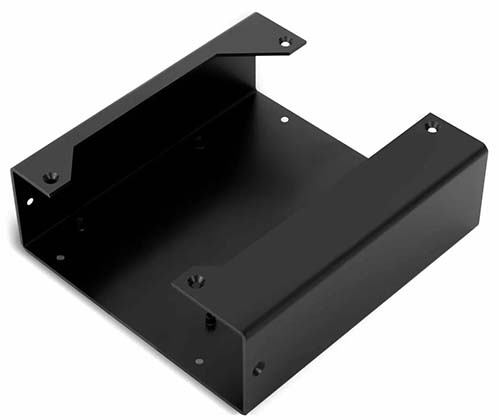
| Sheet Metal Fabrication | Steel, aluminum, copper sheets |
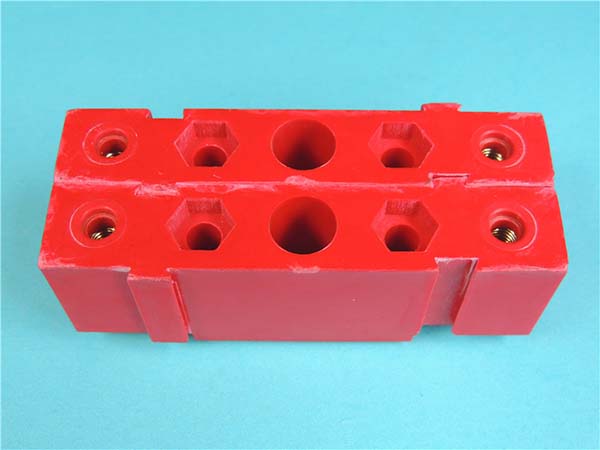
| Urethane Casting | Polyurethane resins (flexible, rigid) |
How Do Prototyping Processes Influence Material Choice?
3D Printing
FDM: Uses PLA, ABS, nylon. PLA is easy to print, suitable for detailed models; ABS is durable for functional prototypes.
SLA: Uses liquid photopolymer resins—highly detailed, smooth finishes; suitable for jewelry, dental models. Resins are more expensive; parts may be brittle.
SLS: Uses nylon or metal powders—high strength, flexible; suitable for functional prototypes like gears, hinges.
CNC Machining
CNC machining offers high precision and the ability to produce complex geometries.
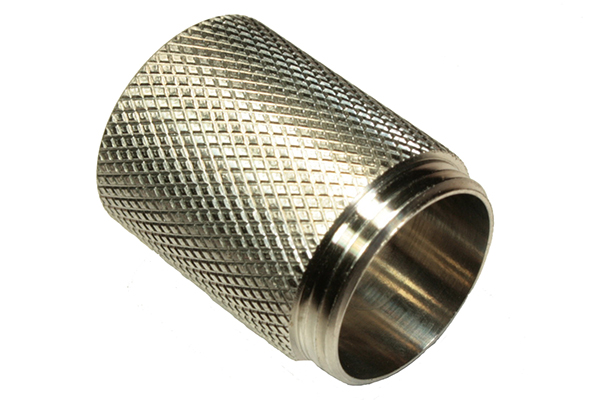
Metals: Aluminum (lightweight, high strength-to-weight, good machinability), steel (alloy, stainless—strength, corrosion resistance), copper and brass (conductivity, easy machining).
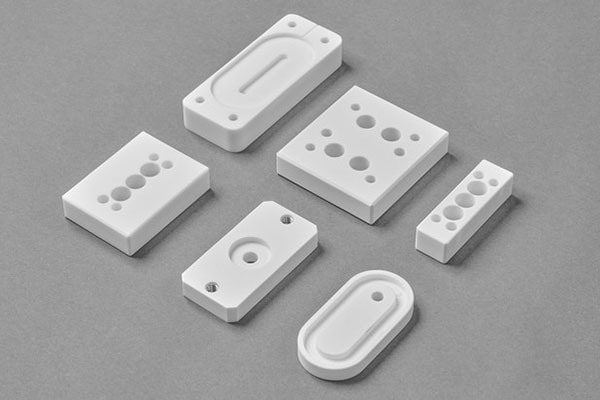
Plastics: Polycarbonate (tough, durable, high impact resistance), Acetal/POM (rigid, dimensionally stable, low friction).
Sheet Metal Fabrication
Common materials include steel sheets (mild steel—low cost, high strength; stainless steel—corrosion resistance) and aluminum sheets (lightweight, corrosion resistant, good thermal conductivity).
Injection Molding
Common materials include polyethylene (LDPE flexible, HDPE rigid), polypropylene (excellent chemical resistance, fatigue resistance), and polystyrene (transparent, brittle, good dimensional stability).
Making the Right Choice
Choosing the right prototyping material requires evaluating project requirements against material properties and manufacturing capabilities.
| Priority | Consider |
|---|---|
| Low cost, early concept | PLA, ABS (3D printing) |
| Strength, functional testing | Nylon, aluminum, steel (CNC, SLS) |
| Flexibility, soft-touch | Silicone rubber, TPU |
| Transparency | Polycarbonate, acrylic |
| High-temperature applications | PEEK, tool steel, titanium |
| Electrical conductivity | Copper, aluminum |
| Biocompatibility | Silicone, PEEK, titanium |
How Does Yigu Technology Approach Material Selection?
As a non-standard plastic and metal products custom supplier, Yigu Technology guides clients through material selection based on their specific requirements.
We Match Material to Function
We help you select materials that perform required functions—strength, flexibility, conductivity, insulation, transparency, or biocompatibility.
We Consider Manufacturing Process
We recommend materials compatible with the optimal manufacturing process—3D printing for complex geometries, CNC machining for precision, injection molding for volume.
We Balance Cost and Performance
We help you find the right balance—cost-effective plastics for early concepts, high-performance metals for functional testing.
Conclusion
Choosing the right prototyping material is critical to project success. Plastics offer versatility and low cost; metals provide strength and durability; silicone rubber offers flexibility and biocompatibility. Consider cost, durability, functionality, and manufacturing method. By understanding material properties and matching them to project requirements, you ensure prototypes accurately represent final products—setting the stage for successful product launch.
Frequently Asked Questions
What is the most common prototyping material?
ABS plastic is one of the most common—strong, durable, heat and impact resistant, easy to process via 3D printing or injection molding. PLA is also common for low-cost, easy-to-print concept models.
What material should I choose for a functional prototype requiring strength?
For functional prototypes requiring strength, consider nylon (3D printing SLS), aluminum (CNC machining), or steel (CNC machining). These materials withstand mechanical stress and provide durability for testing.
What material is best for transparent prototypes?
Polycarbonate (PC) or acrylic (PMMA) offer transparency, durability, and impact resistance. Suitable for lenses, displays, and enclosures where visibility is important.
What material is suitable for flexible prototypes?
Silicone rubber or TPU (thermoplastic polyurethane) offer flexibility, elasticity, and soft-touch properties. Suitable for gaskets, seals, wearable devices, and soft-touch surfaces.
How does manufacturing method affect material choice?
Different methods suit different materials. 3D printing works with plastics and some metals. CNC machining works with metals and engineering plastics. Injection molding is best for high-volume plastic parts. Sheet metal fabrication works with steel and aluminum. Choose materials compatible with your chosen process.
Contact Yigu Technology for Custom Manufacturing
Ready to choose the right prototyping material for your project? Yigu Technology offers expertise in plastics, metals, and silicone rubber prototyping. Our engineers help you select materials and processes that match your requirements. Contact us today to discuss your project.