Introduction
Choosing the right precision machining service is not just about finding someone who can cut metal. It is about finding a partner who understands your industry, your tolerances, your timeline, and your quality requirements. The wrong choice leads to rejected parts, missed deadlines, and wasted budget. The right choice delivers components that meet specifications consistently and reliably.
This guide helps you navigate the selection process. You will learn about core processes, key capabilities to evaluate, industry applications, and practical criteria for choosing a provider. By the end, you will have a clear framework for selecting the precision machining service that fits your project needs.
What Is Precision Machining Service?
Core Definition
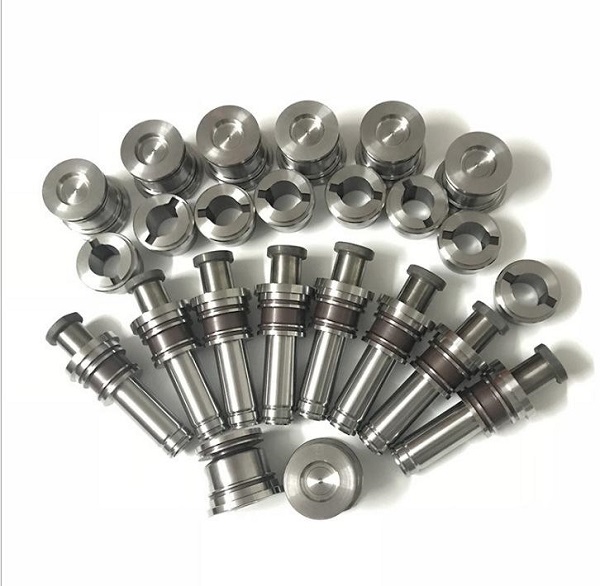
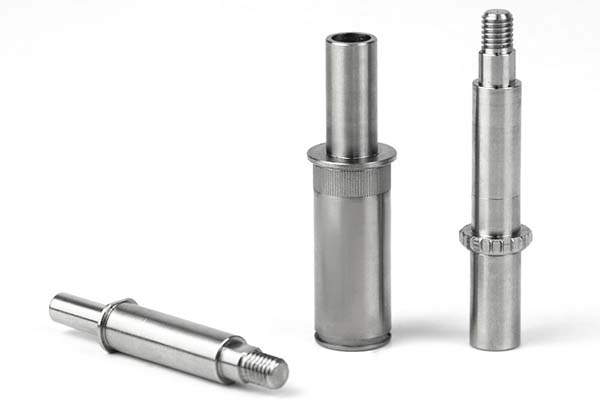
A precision machining service uses computer-controlled or manually operated machines to remove material from a workpiece with exceptional accuracy. Achievable dimensional tolerances can be as tight as ±0.0001 inches (approximately ±0.0025 mm). Surface finishes meet demanding requirements across industries.
Unlike conventional machining, precision machining relies on advanced technologies and rigorous process control to ensure consistency across:
- Small-batch prototypes
- Medium-volume production
- High-volume manufacturing runs
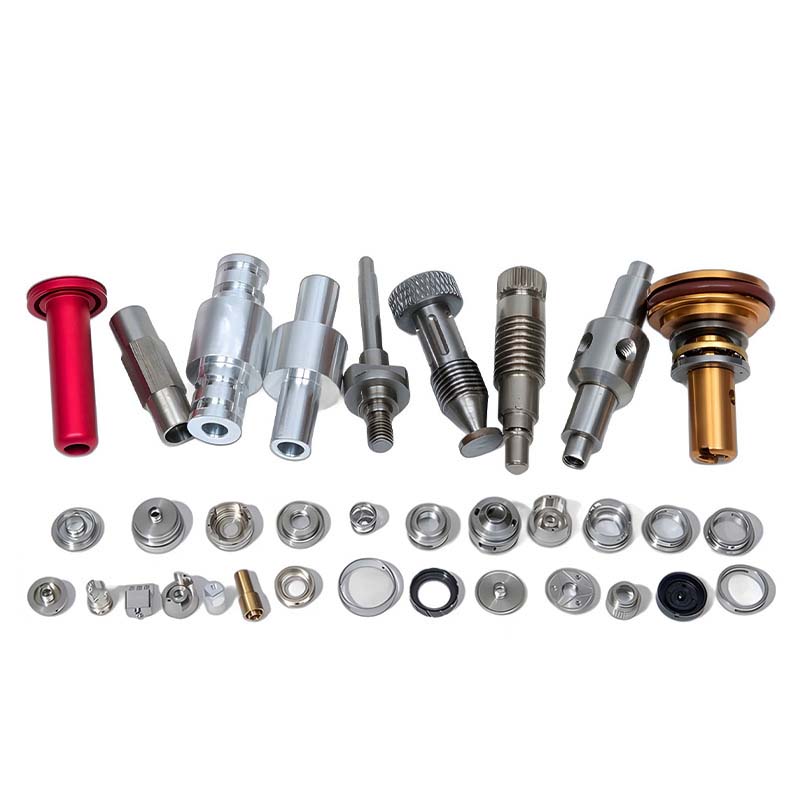
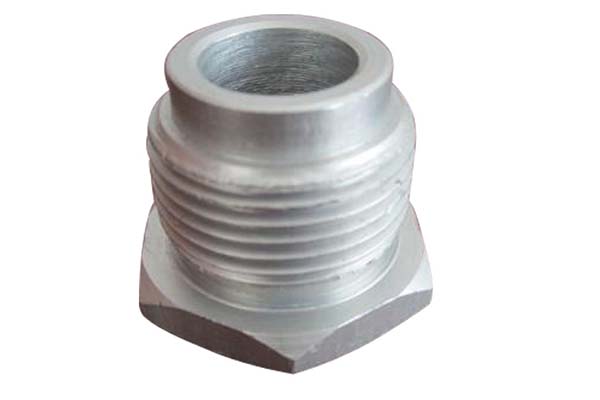
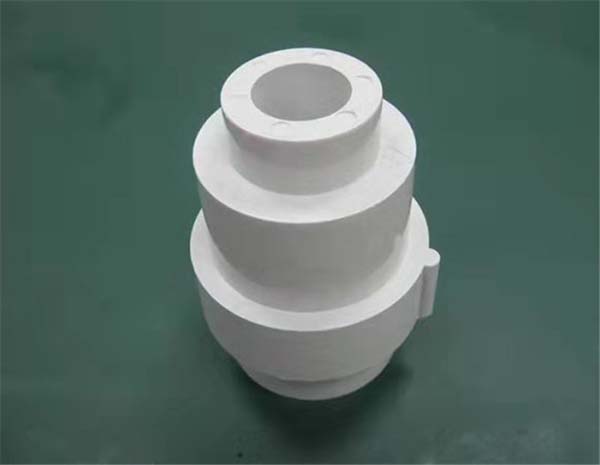
The goal is to transform raw materials—metals, plastics, composites—into functional, high-precision components that meet strict industry standards and customer specifications.
Key Processes in Precision Machining
Top-tier precision machining service providers offer a comprehensive suite of processes:
| Process | Description | Best For |
|---|---|---|
| CNC Milling | Rotating cutting tools remove material from stationary workpiece. 3-axis, 4-axis, and 5-axis capabilities. | Flat surfaces, slots, holes, complex 3D geometries |
| CNC Turning | Workpiece rotates while cutting tool shapes it. Swiss-style turning for small, high-precision parts. | Cylindrical components: shafts, bolts, bushings |
| EDM Machining | Electrical discharge cuts or shapes hard materials without physical contact. Wire, sinker, and hole-drilling variants. | Hard materials (tungsten, carbide), complex shapes, thin walls |
| Precision Grinding | Abrasive wheels achieve ultra-smooth finishes and tight tolerances. | Final finishing of bearings, gears, medical implants |
Industry Insight
According to a 2026 report by Grand View Research, the global precision machining service market is projected to reach $328.4 billion by 2030 , growing at a CAGR of 6.3%. Demand is driven by electric vehicles (EVs), medical devices, and aerospace. CNC-based precision machining accounts for 78% of the market share.
What Core Capabilities Should You Look For?
Advanced Machining Equipment and Technology
A reliable provider invests in state-of-the-art equipment:
- 5-axis CNC milling machines – Complex geometries in one setup
- Swiss-style CNC lathes – High-precision small parts
- High-precision EDM machines – Hard materials, fine details
- Computerized grinding machines – Ultra-smooth finishes
- Advanced CAD/CAM software – SolidWorks, Mastercam for design, programming, simulation
Simulation capabilities reduce errors by allowing toolpaths to be tested virtually before cutting material.
Material Expertise
A versatile provider processes a wide range of materials:
| Category | Examples | Industries |
|---|---|---|
| Metals | Aluminum, steel, stainless steel, titanium, Inconel, brass, copper, exotic alloys | Aerospace, medical, energy |
| Plastics | ABS, PVC, PEEK, nylon, polycarbonate, Teflon | Electronics, medical, consumer goods |
| Composites | Carbon fiber, fiberglass, Kevlar | Aerospace, automotive lightweighting |
Material expertise matters. Machining titanium requires specialized tools and coolants to prevent work hardening. A skilled provider navigates these challenges effectively.
Prototyping and Production Flexibility
The best providers offer flexibility across the product lifecycle:
| Phase | Capability |
|---|---|
| Rapid prototyping | Fast turnaround of functional prototypes to validate designs |
| Rapid tooling | Quick production of custom tools for low-to-medium volume runs |
| End-use production | Scalable processes for high-volume runs with consistent quality |
Case Study: A medical device startup needed a custom surgical instrument prototype. The provider delivered the first prototype in 5 days , incorporated design feedback, and scaled to 10,000 units/month using automated CNC turning. Consistent tolerances of ±0.0005 inches and FDA compliance were maintained throughout.
Quality Control and Inspection
Quality control is non-negotiable. Leading providers implement:
| Method | Purpose |
|---|---|
| CMM (Coordinate Measuring Machines) | Accurate dimensional analysis |
| Optical comparators | Profile verification |
| Surface roughness testers | Finish quality measurement |
| X-ray inspection | Internal defect detection |
| SPC (Statistical Process Control) | Real-time monitoring to catch variations before they affect quality |
Compliance certifications include:
- ISO 9001 – General quality management
- AS9100 – Aerospace standards
- ISO 13485 – Medical devices
- FDA compliance – Medical device components
Value-Added Services
Top providers streamline workflows with value-added services:
| Service | Benefit |
|---|---|
| Finishing | Anodizing, electroplating, powder coating, polishing, bead blasting, black oxide |
| Assembly | Integration of machined components into sub-assemblies or finished products |
| DFM support | Design optimization to reduce costs and improve production efficiency |
What Advantages Come from Partnering with a Professional Service?
| Advantage | Explanation | Industry Impact |
|---|---|---|
| Superior precision and quality | Advanced equipment and expertise achieve tolerances in-house machining may not match | Critical for medical implants, aerospace turbine blades |
| Cost savings | Eliminates equipment purchases, maintenance, and skilled labor costs | SMEs save 30–50% on production costs |
| Faster turnaround | Optimized processes and dedicated equipment reduce lead times | Faster time-to-market in electronics, consumer goods |
| Scalability | Scale from prototypes to high-volume runs without additional investment | Ideal for fluctuating demand (e.g., EV production ramp-ups) |
| Access to specialized expertise | Teams with material science, process, and regulatory knowledge | Critical for FDA, AS9100 compliance |
| Reduced risk | Provider assumes responsibility for quality control and compliance | Minimizes liability in high-risk sectors |
Where Is Precision Machining Service Applied?
Automotive Industry
| Component | Requirements | Provider Contribution |
|---|---|---|
| EV motor shafts | ±0.0005 inches, reduced vibration | 5-axis CNC turning |
| ADAS sensor housings | High accuracy for proper functionality | Precision milling |
| Transmission gears | Tight tolerances for durability | CNC turning and grinding |
Case Study: An automotive manufacturer partnered with a precision machining service to produce EV motor shafts. The provider used 5-axis CNC turning to achieve tolerances of ±0.0003 inches , reducing vibration by 25% and improving motor efficiency by 10% . Production scaled to 50,000 units/month .
Medical Industry
| Component | Materials | Requirements |
|---|---|---|
| Implants (hip, knee, dental) | Titanium, PEEK | Biocompatibility, exact fit |
| Surgical instruments | Stainless steel | Ultra-precision for tissue manipulation |
| Diagnostic equipment components | Various | High accuracy for diagnostic reliability |
Providers serving medical must comply with FDA regulations and ISO 13485 , ensuring parts are free from contaminants and meet exact specifications.
Electronics Industry
| Component | Requirements |
|---|---|
| Smartphone casings, laptop frames | Lightweight materials, precise fitting |
| USB ports, HDMI connectors, battery terminals | Tight tolerances for reliable electrical contact |
| Heat sinks | Precise fins and channels for thermal performance |
Automation and Robotics
| Component | Requirements |
|---|---|
| Robot arms: joints, gears, actuators | High precision for smooth, accurate movement |
| Conveyor systems: rollers, bearings, guides | Durability, precision for high-speed automation |
| Sensors and encoders | Ultra-precision for accurate feedback |
Energy Industry
| Sector | Components | Requirements |
|---|---|---|
| Wind energy | Turbine blades, gearboxes, shafts | High strength, precision to withstand harsh conditions |
| Solar energy | Mounting brackets, inverter components | Corrosion resistance, precise fitting |
| Oil and gas | Drill bits, valves, wellhead components | Durability, precision for high pressure and temperature |
How Do You Select the Right Provider: 8 Key Criteria
1. Technical Capabilities and Equipment
Ask:
- Do they offer the specific processes you need (5-axis milling, wire EDM)?
- Do they have equipment to achieve your tolerances and surface finish requirements?
- Can they process your required materials (titanium, PEEK, composites)?
2. Quality Certifications and Compliance
Prioritize providers with:
- ISO 9001 – General quality management
- AS9100 – Aerospace (if applicable)
- ISO 13485 – Medical (if applicable)
- Documented quality control processes and audit track record
3. Industry Experience and Expertise
Look for:
- Case studies or references from your industry
- Team expertise in your specific material and regulatory requirements
- Portfolio demonstrating similar complex, high-precision components
4. Production Capacity and Lead Times
Assess:
- Ability to scale from prototyping to high-volume production
- Typical lead times for your project type
- Expedited service availability
- Contingency plans for production disruptions
5. Cost Competitiveness
Evaluate:
- Transparent pricing with no hidden fees
- Detailed quotes explaining cost drivers (material, labor, tooling, finishing)
- Willingness to optimize designs for manufacturability to reduce costs
6. Communication and Customer Service
Look for:
- Dedicated account manager or project engineer
- Regular production updates (weekly reports, online portals)
- Prompt responses (within 24 hours)
- Collaborative approach to design optimization and problem-solving
7. Value-Added Services
Prioritize providers offering:
- Finishing (anodizing, electroplating, powder coating)
- Assembly
- DFM support
These services reduce the number of suppliers you manage and lower overall production costs.
8. Location and Supply Chain Resilience
Consider:
- Proximity reduces shipping costs, lead times, and carbon footprint
- Diversified supply chain for raw materials
- Ethical sourcing and sustainability standards (ISO 14001)
What Best Practices Optimize Your Partnership?
Provide Clear and Detailed Specifications
Supply detailed drawings, 3D models, and specifications:
- Tolerances
- Surface finish requirements
- Material specifications
- Application details
Use industry-standard file formats (STEP, IGES). Clearly mark critical features. Detailed specifications reduce misunderstandings and rework.
Engage Early in Design for Manufacturability (DFM)
Involve the provider’s engineering team early in the design process. A DFM review can:
- Identify unnecessary tight tolerances
- Flag difficult-to-machine geometries
- Suggest modifications to reduce costs and improve production efficiency
A DFM review might simplify a complex contour, reducing machining time by 30% .
Establish Clear Quality Requirements and Inspection Criteria
Define upfront:
- Acceptance criteria for first-article inspection (FAI)
- In-process inspection requirements
- Regular quality reports
Consider periodic audits to verify quality control processes.
Maintain Open and Regular Communication
Schedule regular check-ins (weekly or biweekly). Use shared project management tools to document decisions and track action items. Prompt communication prevents small issues from becoming large problems.
Plan for Long-Term Collaboration
Building a long-term relationship leads to:
- Better service
- Improved quality
- Cost savings over time
A trusted partner gains deeper understanding of your business needs, enabling proactive suggestions for improvements. Consider long-term contracts for recurring projects to secure preferential pricing and lead times.
Conclusion
Selecting the right precision machining service is a strategic decision that impacts product quality, timeline, and cost. Evaluate providers on technical capabilities, quality certifications, industry experience, production capacity, and communication. Look for value-added services like finishing, assembly, and DFM support that streamline your supply chain.
Engage early in the design process. Provide clear specifications. Establish quality requirements upfront. Maintain open communication throughout the project. Build long-term relationships with trusted partners.
With the right partner, precision machining service delivers components that meet the tightest tolerances, achieve superior surface finishes, and perform reliably in demanding applications across automotive, medical, electronics, and energy industries.
FAQ
What is a precision machining service?
A precision machining service uses advanced machines (CNC milling, turning, EDM) to remove material with exceptional accuracy, achieving tolerances as tight as ±0.0001 inches . It produces high-precision components for industries like automotive, medical, electronics, and energy, including prototyping, production, and value-added finishing.
What are the key processes offered by a precision machining service provider?
Key processes include CNC machining services (milling, turning), EDM machining service (wire, sinker, hole-drilling), and precision grinding. Top providers also offer value-added services like anodizing, electroplating, assembly, and DFM support.
What materials can a precision machining service process?
Providers process a wide range of materials: metals (aluminum, steel, titanium, Inconel), plastics (ABS, PEEK, nylon), and composites (carbon fiber, fiberglass). The best providers have expertise in selecting the right tools and processes for each material.
How do precision machining service providers ensure quality?
Quality is ensured through advanced inspection equipment (CMMs, optical comparators), Statistical Process Control (SPC) for real-time monitoring, and compliance with industry certifications (ISO 9001, AS9100, ISO 13485). First-article inspections (FAI) and in-process inspections verify part accuracy.
What industries benefit from precision machining service?
Key industries include automotive (EV components, ADAS parts), medical (implants, surgical instruments), electronics (device enclosures, connectors), automation and robotics (robot arms, sensors), and energy (wind turbine components, oil and gas parts). Any industry requiring high-precision components benefits.
Contact Yigu Technology for Custom Manufacturing
At Yigu Technology, we are a leading precision machining service provider with over a decade of experience delivering high-accuracy components. Our capabilities include 5-axis CNC milling, Swiss-style CNC turning, wire EDM, sinker EDM, precision grinding, and comprehensive value-added services.
We achieve tolerances as tight as ±0.0001 inches . Our material expertise spans metals, plastics, and composites. We support projects from rapid prototyping to high-volume production. Our quality systems comply with ISO 9001, AS9100, and ISO 13485 standards.
Contact us today to discuss your precision machining project. Let our expertise help you optimize your component design, reduce production costs, and bring high-quality products to market successfully.