Introduction
You have an idea. It exists in your mind, on paper, or in a digital file. But is it real? Does it work? Will users embrace it? Prototype technologies answer these questions. They transform abstract concepts into tangible models that can be tested, evaluated, and refined. Whether physical, digital, or hybrid, prototypes serve as the critical bridge between imagination and reality. This guide explores what prototype technologies are, how they work across industries, and how they unlock innovation while solving development challenges.
What Are Prototype Technologies?
At their core, prototype technologies involve the creation of an initial model or sample of a product, system, or concept. This prototype serves as a tangible representation that allows testing, evaluation, and refinement before full-scale development or production.
A prototype is a blueprint made physical. In the automotive industry, before a new car model is mass-produced, engineers build a prototype—not with all the final features, but with essential components: chassis, engine mock-up, basic body structure. This allows testing of aerodynamics, ergonomics, and part interactions.
In software development, a prototype might be a basic version of an application with core user interface elements and limited functions. A banking app prototype might include a login screen, account balance view, and basic money transfer. This enables early feedback on usability, functionality, and technical feasibility.
Prototype technologies are fundamental to successful product development. They provide a practical way to test, learn, and improve—setting the stage for efficient, effective development.
What Types of Prototypes Exist?
Prototypes fall into three main categories.
Physical Prototypes
Physical prototypes are tangible, three-dimensional representations made of physical materials. They can be touched, manipulated, and observed.
Advantages:
- Appearance: Excellent for demonstrating visual aspects. A furniture manufacturer can create a physical prototype of a new chair—showing color, texture, and style in real lighting.
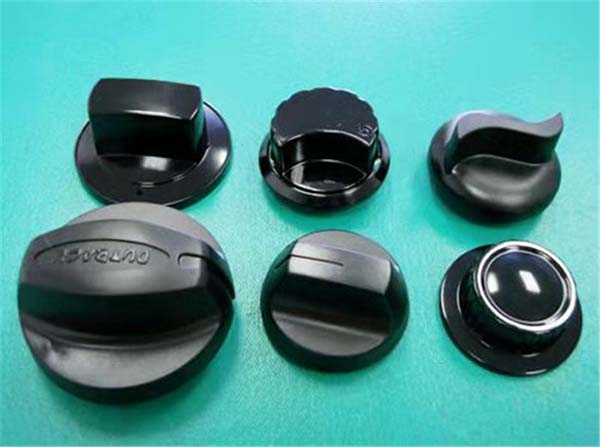
- Function: Useful for testing basic functionality. A kitchen appliance prototype allows testing of buttons, assembly, and motor operation—revealing issues not apparent in digital models.
Digital Prototypes
Digital prototypes are virtual representations created in software. They can be rotated, zoomed, and simulated without physical materials.
Advantages:
- Cost-effective: No material waste; changes are instantaneous
- Efficient: Thousands of scenarios simulated quickly
- Deep analysis: Stress, thermal, and fluid dynamics simulations possible
Hybrid Prototypes
Hybrid prototypes combine physical and digital elements. A physical model might have embedded sensors connected to digital simulation software. This enables comprehensive testing where digital and physical data interact.
How Are Prototype Technologies Applied Across Industries?
The applications span automotive, healthcare, and consumer electronics.
Automotive Industry
Prototype technologies are pivotal in vehicle development. Tesla exemplifies this integration.
Design Phase:
Physical prototypes are created early using rapid prototyping like 3D printing. Body panels may be 3D-printed to test aerodynamic shape. Adjustments to curves and angles reduce wind resistance—a 10% reduction in aerodynamic drag can increase vehicle range by 5–7% (Society of Automotive Engineers).
Digital prototypes in CAD software simulate interior layout, ergonomics, and component placement. Engineers virtually test driver reach and comfort.
Performance Testing:
Physical prototypes undergo track tests for acceleration, braking, and handling. Sensors collect data on torque, speed, and performance.
Digital prototypes simulate thousands of scenarios—battery performance under extreme temperatures, high-speed driving—providing insights faster than physical testing alone.
Safety Evaluation:
Physical prototypes are crash-tested into barriers at different speeds and angles. Data on structural integrity and safety features informs improvements.
Digital prototypes simulate complex crash scenarios—multi-vehicle collisions, rollovers—identifying weak points before mass production. NHTSA data shows that safety features developed through comprehensive prototyping have significantly reduced automotive fatalities.
Healthcare Industry
Prototype technologies advance medical devices, drug research, and surgical simulation.
Medical Device Development:
Physical prototypes of a pacemaker test fit and comfort in mock-up anatomy. Basic functionality—electrical signals—is verified.
Digital prototypes simulate behavior under different cardiac conditions. Engineers optimize algorithms for accurate performance. A study in the Journal of Medical Devices found that digital prototypes reduce time-to-market by up to 30% and lower development costs by 20–40%.
Drug Research:
Digital prototypes—computer-based molecular models—simulate how potential drug molecules interact with target proteins. Thousands of candidates are screened virtually, narrowing to promising candidates.
Physical prototypes—cell cultures, animal models—test effectiveness, safety, and pharmacokinetics. This combination has increased drug development success rates, though the process remains challenging.
Surgical Simulation:
Physical anatomical models mimic tissue texture for practicing incisions and suturing. Liver-like models allow practice of liver resection surgeries.
Digital prototypes—virtual reality (VR) and augmented reality (AR) simulations—enable risk-free practice. Surgeons interact with virtual organs, receiving real-time feedback. AR projects information onto the patient’s body during actual surgery. A meta-analysis found that surgeons trained with simulation prototypes had a 23% lower error rate in actual surgeries.
Consumer Electronics Industry
Companies like Apple rely heavily on prototype technologies.
Product Appearance Design:
Physical prototypes test different shapes, sizes, and materials. Designers evaluate aesthetics, feel, and ergonomics—how comfortable the phone is to hold, how materials look and feel.
Digital prototypes in 3D modeling software allow rapid iteration of color, shape, and texture before committing to physical prototypes.
Function Testing:
Physical prototypes test camera performance, touchscreen responsiveness, and audio quality. Engineers make calls, send messages, run applications to verify functionality.
Digital prototypes simulate internal component performance—processor loads, battery life under heavy usage—optimizing performance before production.
User Experience Optimization:
User testing with physical prototypes gathers feedback on features, difficulties, and preferences. This feedback drives design improvements.
Digital prototypes—VR or AR experiences—allow users to preview new interfaces, providing feedback on intuitiveness and ease of use. A survey found that 85% of Apple users were satisfied with user experience—attributed in part to extensive prototyping.
What Are the Key Benefits of Prototype Technologies?
Across industries, prototypes deliver consistent advantages.
Concept Validation
Prototypes answer the fundamental question: does this idea work? A simple cardboard prototype of a smartphone case reveals ergonomic issues before any machining. A software prototype tests user flow before coding begins.
Risk Mitigation
Finding flaws early is cheap. A design change during prototyping might cost hundreds. The same change after production could cost thousands in rework, scrap, and delayed launches.
User Feedback
Tangible prototypes enable real user interaction. Observing how people use a prototype reveals what they actually need—not what you assumed they needed.
Cost Efficiency
Digital prototypes simulate thousands of scenarios without material waste. Physical prototypes catch issues before tooling. Both reduce expensive late-stage changes.
Faster Time to Market
Rapid iteration cycles compress development timelines. Companies using integrated prototyping methods report significantly shorter time-to-market for new products.
How Does Yigu Technology Approach Prototyping?
As a non-standard plastic and metal products custom supplier, Yigu Technology integrates prototyping into every client project.
We Start with Your Concept
We discuss what you need to learn—form, fit, function, or all three. This guides technology and material selection.
We Offer Multiple Methods
- 3D printing: Rapid iteration, complex geometries
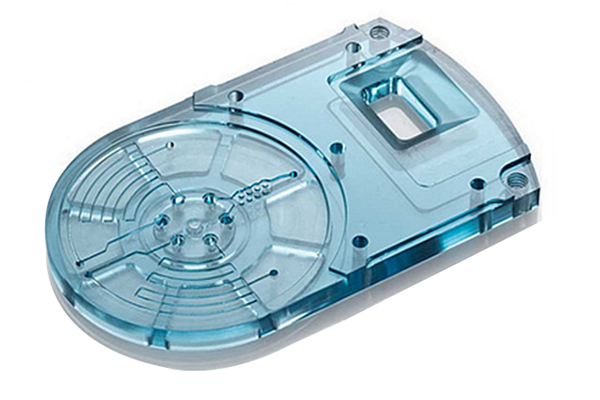
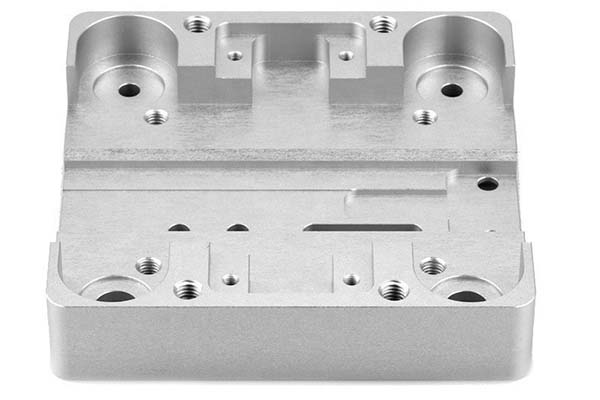
- CNC machining: Precision metal and plastic parts for functional testing
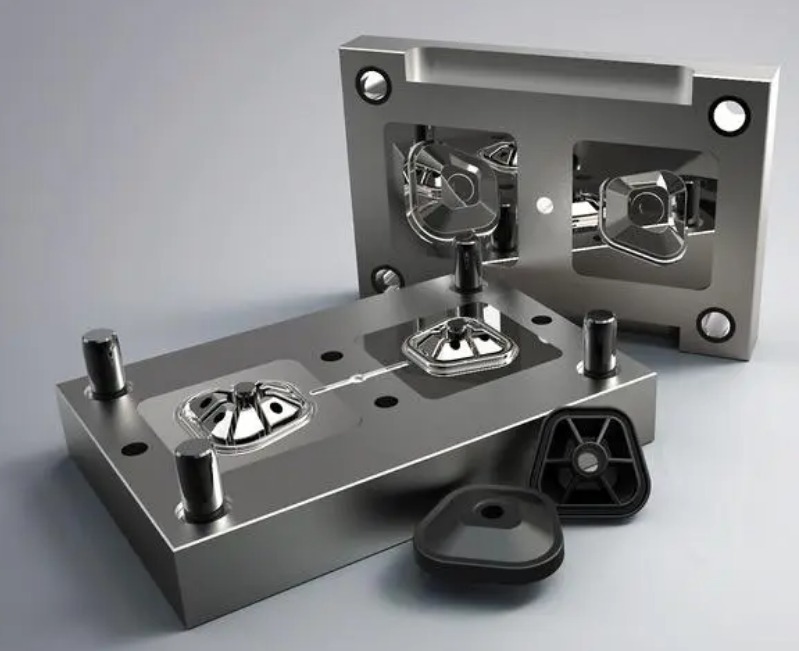
- Rapid tooling: Injection-molded prototypes for production validation
We Provide DFM Feedback
Our engineers review designs for manufacturability, identifying issues—thin walls, sharp corners, tolerance mismatches—before production. This upfront work saves time and cost.
We Iterate with You
Prototyping is collaborative. We work through multiple iterations until your design is validated and ready for production.
Conclusion
Prototype technologies are essential tools for innovation. They transform concepts into testable models, enabling validation, risk reduction, and user feedback. Physical prototypes offer tangible evaluation. Digital prototypes provide efficient, cost-effective simulation. Hybrid approaches combine the best of both.
From automotive performance testing to medical device development to consumer electronics user experience, prototypes drive better products, faster. By integrating prototyping into your development process, you unlock innovation and solve challenges before they become costly problems.
Frequently Asked Questions
What is the difference between a physical prototype and a digital prototype?
A physical prototype is a tangible, three-dimensional model made from materials—used for appearance evaluation, ergonomic testing, and hands-on function testing. A digital prototype is a virtual model created in software—used for cost-effective simulation, rapid iteration, and analysis of performance under thousands of scenarios.
How do prototype technologies reduce development risk?
Prototypes enable early detection of design flaws, functional issues, and usability problems—when fixes are cheap. A change during prototyping might cost hundreds; the same change after production could cost thousands in rework, scrap, and delayed launches. Early user feedback also ensures the product meets actual needs.
What industries benefit most from prototype technologies?
Automotive: Aerodynamics, performance testing, safety evaluation. Healthcare: Medical devices, drug research, surgical simulation. Consumer electronics: Appearance design, function testing, user experience optimization. Any industry developing physical or digital products benefits from prototyping.
How long does it take to create a prototype?
Timelines vary by complexity and method. Simple 3D-printed parts: hours to days. CNC-machined metal parts: days to a week. Complex systems with multiple iterations: weeks to months. The investment is small compared to the cost of developing a product that fails in the market.
What is a hybrid prototype?
A hybrid prototype combines physical and digital elements. A physical model may have embedded sensors connected to simulation software, enabling real-time data collection and analysis. This approach is used for complex systems where digital simulation alone is insufficient and physical testing alone is too costly or time-consuming.
Contact Yigu Technology for Custom Manufacturing
Ready to unlock innovation with professional prototyping? Yigu Technology offers 3D printing, CNC machining, and rapid tooling services for plastic and metal parts. Our engineers help you select the right technologies and materials for your project. Contact us today to discuss your design and get started.