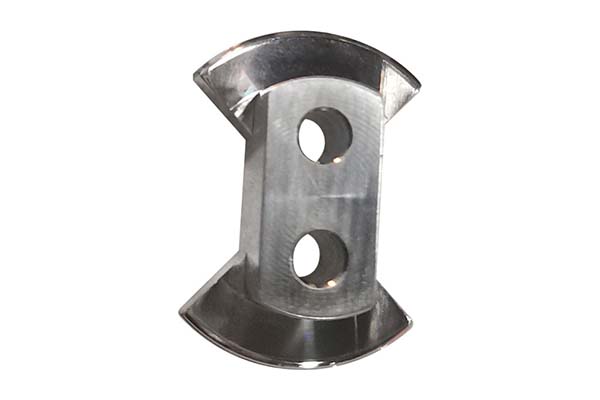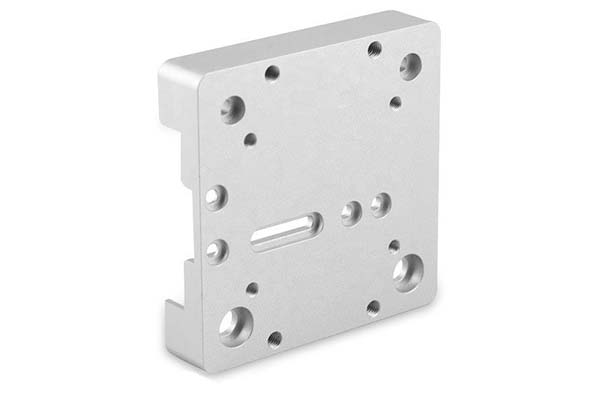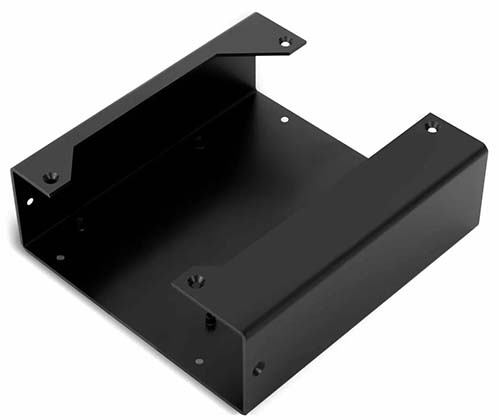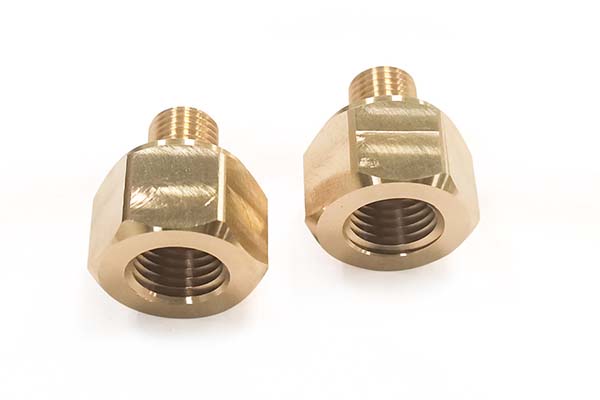
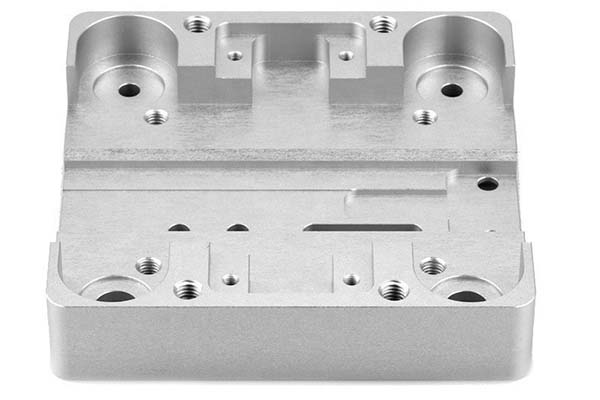
Manufacturers across industries face a common challenge. They need parts that are light, strong, and consistent. Traditional machining can be slow and wasteful. Casting may not offer the precision required. Precision aluminum stamping solves these problems. It transforms aluminum sheets into complex, high-accuracy parts using dies and punches. The process is fast, repeatable, and cost-effective at scale. Aluminum itself brings unique advantages. It is light, resists corrosion, and conducts heat well. This combination makes precision aluminum stamping a go-to solution for automotive, aerospace, electronics, and medical applications. In this guide, we will walk through the materials, processes, and applications that define this manufacturing method.
What Aluminum Materials Are Used in Precision Stamping?
Not all aluminum alloys stamp the same way. Each alloy has a specific balance of strength, formability, and corrosion resistance. Choosing the right one depends on your application.
| Alloy | Key Properties | Typical Applications |
|---|---|---|
| 1050, 1100 | Excellent formability, high corrosion resistance | Deep-drawn parts, chemical equipment |
| 3003 | Good strength, good formability, corrosion-resistant | General stamping, cooking utensils |
| 5052 | Higher strength, excellent corrosion resistance | Marine parts, automotive panels |
| 6061 | Balanced strength and formability, weldable | Structural components, frames |
| 7075 | Very high strength, excellent fatigue resistance | Aerospace, high-performance parts |
A manufacturer building a marine enclosure might choose 5052 for its saltwater resistance. An aerospace company making wing ribs would lean toward 7075 for its strength-to-weight ratio. A consumer electronics brand stamping laptop cases often uses 3003 or 5052 for a balance of formability and durability.
How Does the Precision Aluminum Stamping Process Work?
The process looks simple from the outside. A press pushes a sheet of aluminum into a die, and a part comes out. But the details matter. Every step affects the final product’s accuracy and consistency.
Die Design and Tooling
Dies are the heart of the process. They are custom-made tools that shape the aluminum. A well-designed die determines whether a part meets its tolerances or ends up as scrap.
Die design starts with CAD/CAM software. Engineers create detailed 3D models of the part and the tooling that will form it. They simulate the stamping process to catch potential issues before cutting any steel.
Die fabrication uses precision machining. Milling removes material to create basic shapes. Grinding achieves fine surface finishes. Electrical discharge machining (EDM) cuts complex features that standard tools cannot reach. Dies are typically made from hardened tool steel or carbide to withstand the repeated impact of production runs.
Press Operation
The stamping press applies the force that forms the part. Presses range from small manual units for prototyping to high-speed automated presses that run thousands of parts per hour.
Modern presses use servo drives or hydraulic systems to control speed and force precisely. This control is critical for aluminum. Unlike steel, aluminum has a narrower window between forming and tearing. Too much force too fast, and the part cracks. Too little, and it does not hold its shape.
Automation plays a growing role. Feeders position the aluminum sheet accurately. Sensors monitor the process and flag deviations. Robots unload finished parts and remove scrap. This automation not only boosts speed but also improves consistency. A human operator might vary slightly from cycle to cycle. A well-tuned press does not.
Quality Control and Inspection
Stamping produces parts fast. That speed means defects can multiply quickly if something goes wrong. Rigorous inspection catches problems early.
Coordinate measuring machines (CMMs) verify dimensions against the original design. They measure critical features with accuracy down to ±0.01 mm or better. Optical inspection systems use cameras to scan parts for surface defects, burrs, or scratches. Non-destructive testing (NDT) methods like X-ray or ultrasonic inspection check for internal flaws in critical components.
A real-world example shows why this matters. An automotive supplier stamping battery tray components for electric vehicles found that a worn die was producing parts with slightly rounded edges. The rounding was within spec but affected how the trays stacked in assembly. Optical inspection caught the trend early. The die was replaced, and thousands of bad parts were avoided.
Where Is Precision Aluminum Stamping Applied?
Automotive Industry
Aluminum stamping helps automakers meet two conflicting goals: make vehicles lighter for better fuel economy, but keep them strong for safety.
Common automotive applications include:
- Engine components: Pistons, connecting rods, cylinder heads
- Body panels: Doors, hoods, fenders
- Chassis parts: Suspension components, subframes
- Safety systems: Brake components, airbag housings
- Battery enclosures: For electric vehicles
A typical electric vehicle uses hundreds of stamped aluminum parts. The battery enclosure alone is often a large, complex stamping that must be both light enough to preserve range and strong enough to protect the battery pack in a crash.
Aerospace and Defense
In aerospace, every gram counts. Aluminum stamping delivers high-strength, lightweight components that meet strict safety standards.
Key applications include:
- Structural components: Wing spars, fuselage frames, ribs
- Engine parts: Turbine blades, housings
- Avionics enclosures: Cases for flight control systems
- Landing gear components: Brackets and support structures
7075 aluminum is a common choice here. It offers strength comparable to some steels but at about one-third the weight. A stamped 7075 bracket might replace a machined steel part, saving weight without sacrificing strength.
Electronics and Telecommunications
Electronic devices need enclosures that are light, durable, and good at managing heat. Aluminum stamping delivers all three.
Typical applications:
- Device enclosures: Smartphone cases, laptop chassis
- Heat sinks: For processors and power electronics
- Shielding: EMI/RFI shielding for sensitive components
- 5G infrastructure: Antenna mounts, filter housings
Aluminum’s thermal conductivity is a major advantage here. A stamped aluminum heat sink can pull heat away from a processor efficiently, keeping the device cool. Its electrical conductivity also makes it useful for grounding applications.
Medical Devices
Medical applications demand materials that are safe, reliable, and easy to sterilize. Aluminum fits the bill.
Common medical uses:
- Surgical instruments: Handles, clamps, forceps
- Diagnostic equipment: Components for MRI and X-ray machines
- Implantable devices: Orthopedic implants, dental components
- Hospital furniture: Bed frames, equipment carts
Aluminum’s biocompatibility means it does not react with body tissue, making it suitable for implants. Its corrosion resistance ensures surgical tools remain sterile after repeated autoclaving. A stamped aluminum surgical instrument is lighter than a stainless steel equivalent, reducing hand fatigue during long procedures.
What Are the Key Advantages of Precision Aluminum Stamping?
| Advantage | Why It Matters |
|---|---|
| High accuracy | Tolerances as tight as ±0.01 mm for precision parts |
| Repeatability | Thousands of parts identical to the first |
| Speed | High-speed presses produce parts in seconds |
| Cost-effectiveness | Low per-unit cost at scale |
| Material efficiency | Minimal scrap compared to machining |
| Design flexibility | Complex shapes possible in one operation |
What Challenges Come with Stamping Aluminum?
Aluminum is not as forgiving as steel. It has a narrower forming window. Push it too far, and it cracks. Do not push it far enough, and it springs back to its original shape.
Springback is a particular challenge. Aluminum’s elastic recovery is significant. A part that looks correct in the die may relax to a different shape once removed. Die designers compensate by over-bending—making the die shape more extreme than the final part. When the aluminum springs back, it lands at the intended angle.
Galling is another issue. Aluminum can stick to the die surface, especially under high pressure. This creates rough spots on the part and wears the tool faster. Proper lubrication and die coatings like titanium nitride (TiN) or diamond-like carbon (DLC) help prevent galling.
What Does the Future Hold for Precision Aluminum Stamping?
Several trends are shaping the industry.
Lighter vehicles drive demand. Electric vehicles in particular need lightweight structures to maximize range. Stamped aluminum battery enclosures, chassis components, and body panels will only grow in importance.
Advanced alloys expand possibilities. New aluminum alloys offer higher strength or better formability. Some are designed specifically for high-speed stamping. Others incorporate recycled content to reduce environmental impact.
Automation and Industry 4.0 are transforming stamping lines. Sensors monitor die wear in real time. Data analytics predict when tools need maintenance. Machine vision systems inspect parts at full production speed. These technologies reduce downtime and improve quality.
Sustainability matters more than ever. Aluminum is highly recyclable. Stamped parts produce less scrap than machined parts. And the energy needed to produce recycled aluminum is 95% less than primary aluminum. For manufacturers with sustainability goals, aluminum stamping is a strong choice.
Conclusion
Precision aluminum stamping sits at the intersection of material science and manufacturing efficiency. It takes advantage of aluminum’s natural strengths—light weight, corrosion resistance, thermal conductivity—and shapes them into complex, high-accuracy parts. The process is fast, repeatable, and cost-effective at scale. It serves industries from automotive to aerospace, electronics to medical devices.
Success depends on getting the details right. Choosing the right alloy. Designing dies that account for springback. Running presses with the right speed and force. Inspecting parts with precision. When all these elements come together, the result is components that meet tight tolerances, perform reliably, and do so at a cost that makes sense for high-volume production.
As vehicles get lighter, electronics get smaller, and medical devices get more sophisticated, precision aluminum stamping will remain essential. It is a process that turns a flat sheet of metal into something far greater.
FAQ About Precision Aluminum Stamping
Why is aluminum preferred over steel in precision stamping?
Aluminum offers a better strength-to-weight ratio. It weighs about one-third as much as steel. It also resists corrosion without needing coatings. For applications where weight matters—like automotive, aerospace, and portable electronics—aluminum is often the better choice.
What tolerances can precision aluminum stamping achieve?
With well-designed tooling and proper press control, tolerances of ±0.01 mm to ±0.05 mm are achievable. The exact tolerance depends on part geometry, material thickness, and alloy.
Is aluminum stamping cost-effective for small runs?
Tooling costs for stamping are significant. Dies can cost $5,000 to $50,000 or more, depending on complexity. For small runs, the per-part cost may be high. However, for medium to high volumes, stamping is usually more cost-effective than machining or fabrication.
Can aluminum be stamped into complex shapes?
Yes. Precision stamping can produce complex geometries with features like ribs, dimples, and embossed details. Progressive dies can perform multiple operations—cutting, bending, forming—in one pass, creating finished parts in seconds.
What is the difference between precision stamping and traditional stamping?
Precision stamping emphasizes tighter tolerances, more complex geometries, and higher consistency. It often uses advanced die design, high-quality tooling, and automated inspection to achieve results that standard stamping cannot.
Contact Yigu Technology for Custom Manufacturing
Precision aluminum stamping requires more than just a press. It takes deep material knowledge, careful die design, and rigorous quality control. At Yigu Technology, we specialize in custom aluminum stamping for automotive, aerospace, electronics, and medical clients. Our team helps you select the right alloy for your application. We design and fabricate dies that account for springback and galling. We run parts on modern presses with automated inspection to ensure every piece meets your specifications. Whether you need high-volume production or a complex prototype, we have the capabilities to deliver. Contact us today to discuss your project.