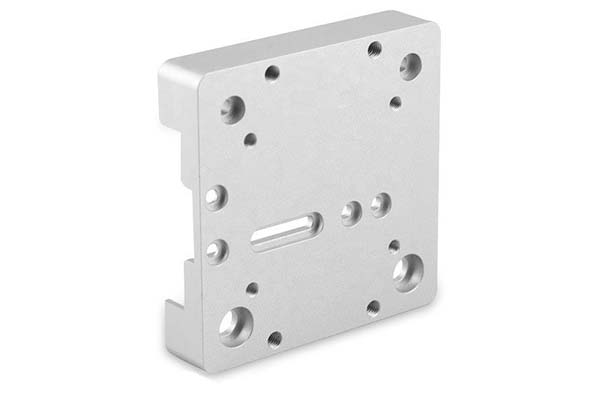
If you manufacture stamped metal parts, you know that the quality of your final product depends entirely on the tools that shape it. Tooling stamping is the specialized process of designing and producing these essential tools—dies, punches, and related components. These tools are the foundation of metal stamping operations. Their quality, precision, and durability directly determine the accuracy, consistency, and efficiency of every part you produce. This guide covers the types of tooling, how it is designed and manufactured, and its critical role across industries.
What Types of Tooling Are Used in Stamping?
Dies: The Heart of the Process
Dies are custom-made tools that define the shape and dimensions of the stamped part. They are typically made from high-strength steel, tool steel, or carbide to withstand repeated pressures.
| Die Type | How It Works | Best For |
|---|---|---|
| Progressive Die | A single strip moves through multiple stations; each station performs a different operation | High-volume, complex parts |
| Transfer Die | Workpiece is transferred between separate dies for each operation | Larger parts, lower volumes |
| Compound Die | Performs multiple operations (e.g., blanking and piercing) in one stroke | Simple parts, high accuracy |
Punches: Cutting and Shaping
Punches work in conjunction with dies to cut or shape metal. They apply force to the workpiece, matching the geometry of the die. Punches range from simple round shapes to complex profiles, depending on the part requirements.
Ancillary Tooling Components
Additional components ensure smooth, accurate stamping.
- Blank Holders: Prevent metal from wrinkling or buckling during forming.
- Draw Beads: Control material flow, ensuring consistent part quality.
- Pilots: Align the workpiece accurately within the die.
- Strippers: Remove the stamped part from the punch after each stroke.
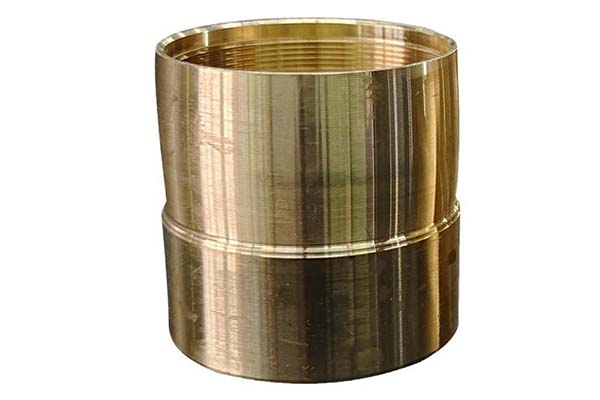
- Guides and Bushings: Ensure precise alignment and smooth operation of moving components.
How Is Stamping Tooling Designed and Engineered?
Material Selection and Heat Treatment
The choice of material directly impacts tool durability, strength, and wear resistance.
| Material | Key Properties | Common Use |
|---|---|---|
| Tool Steel | High strength, wear resistance | Dies, punches for general stamping |
| High-Speed Steel (HSS) | Excellent cutting performance | Punches for high-volume runs |
| Tungsten Carbide | Superior wear resistance, hardness | High-precision tooling, long-run applications |
Heat treatment processes like hardening and tempering enhance material properties. Hardening increases wear resistance. Tempering reduces brittleness, balancing strength and toughness.
Tool Geometry and Precision
Tool geometry must match part specifications exactly. Engineers use CAD/CAM software to create detailed 3D models and simulate tool performance before manufacturing.
Key design considerations include:
- Tolerances: Tooling must achieve ±0.005 mm or tighter to produce high-quality parts.
- Clearances: Proper clearance between die and punch prevents material deformation and ensures clean cuts.
- Wear Resistance: Coatings like titanium nitride (TiN) extend tool life and reduce maintenance.
How Is Stamping Tooling Manufactured?
Machining and Grinding
Traditional machining creates the basic shape and dimensions of tooling components.
- Milling: Removes material to create profiles and cavities.
- Grinding: Achieves fine surface finishes and tight tolerances.
These processes are often automated with CNC controls for consistent quality.
Electrical Discharge Machining (EDM)
EDM uses electrical discharges to erode material from the workpiece. It is ideal for creating complex shapes in hard materials like tool steel. Wire EDM (WEDM) uses a thin wire electrode guided by computer control to cut narrow slots and intricate contours with high precision.
Additive Manufacturing and 3D Printing
Additive manufacturing is increasingly used in tooling stamping. It allows for:
- Rapid prototyping: Test tool designs quickly before committing to production.
- Complex geometries: Create conformal cooling channels or intricate features not possible with traditional machining.
- Reduced lead times: Produce custom tooling in days instead of weeks.
Where Is Tooling Stamping Applied?
Automotive Industry
The automotive sector relies on high-precision tooling for critical components.
- Engine Parts: Pistons, connecting rods, cylinder heads
- Body Panels: Doors, hoods, fenders
- Transmission Components: Gears, housings
- Safety Systems: Brake components, airbag housings
Tooling precision ensures parts meet stringent quality standards for safety and performance.
Aerospace and Defense
Aerospace demands tooling that produces components with extreme precision and reliability.
- Structural Components: Wing spars, fuselage frames, landing gear parts
- Engine Parts: Turbine blades, combustion chamber components
- Avionics Housings: Enclosures for sensitive electronic systems
Tooling must work with advanced materials like titanium and high-strength alloys.
Electronics and Telecommunications
Electronics manufacturing requires tooling that produces miniature, high-precision components.
- Enclosures: Cases for smartphones, laptops, and devices
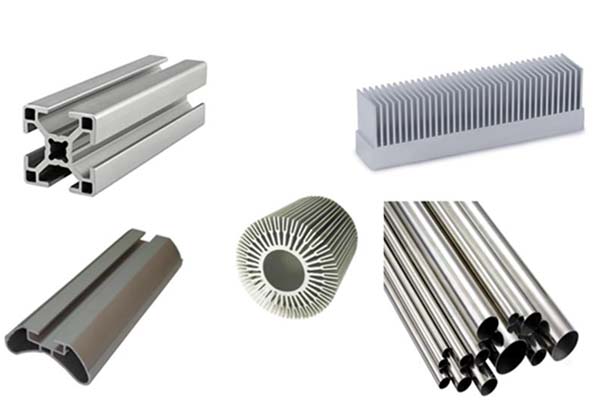
- Heat Sinks: Thermal management components
- Connectors and Shielding: For 5G infrastructure and networking equipment
Tight tolerances are essential for reliable electrical connections and proper fit.
Medical Devices and Equipment
Medical applications demand tooling that produces components with biocompatibility and precision.
- Surgical Instruments: Scalpels, forceps, clamps
- Implants: Orthopedic and dental components
- Diagnostic Equipment: Parts for MRI machines and X-ray equipment
Tooling must meet ISO 13485 standards and produce parts with consistent quality.
Conclusion
Tooling stamping is the foundation of precision metal stamping. It encompasses the design and manufacture of dies, punches, and ancillary components that shape metal into finished parts. Key tooling types include progressive dies for high-volume complex parts, transfer dies for larger components, and compound dies for simple parts. Materials range from tool steel and high-speed steel to tungsten carbide, often with heat treatment and wear-resistant coatings. Manufacturing processes include CNC machining, EDM, and increasingly additive manufacturing for rapid prototyping. Tooling stamping serves critical roles in automotive, aerospace, electronics, and medical industries—where part precision and reliability are non-negotiable.
FAQ
What is the primary role of tooling in metal stamping?
Tooling—dies, punches, and ancillary components—shapes, cuts, and forms metal sheets into precise parts. The quality and precision of the tooling directly determine the accuracy, consistency, and efficiency of the final stamped products.
How does tooling stamping contribute to manufacturing efficiency?
High-precision tooling reduces defects, minimizes downtime, and enables consistent quality across high-volume production. Well-designed tooling also extends press life and reduces maintenance requirements.
What materials are used for stamping tooling?
Common materials include tool steel (for general stamping), high-speed steel (HSS) (for cutting performance), and tungsten carbide (for superior wear resistance in high-precision, long-run applications). Heat treatment enhances durability.
What is the difference between progressive dies and transfer dies?
Progressive dies perform multiple operations in one press as a metal strip moves through stations. They are ideal for high-volume, complex parts. Transfer dies move individual workpieces between separate presses or die stations, making them better for larger parts or lower volumes.
How is additive manufacturing changing tooling stamping?
Additive manufacturing enables rapid prototyping of tooling, reducing lead times from weeks to days. It also allows complex geometries—like conformal cooling channels—that improve tool performance and extend life. For custom or low-volume tooling, additive methods are increasingly cost-effective.
Contact Yigu Technology for Custom Manufacturing
Tooling stamping requires expertise in material selection, precision machining, and die design. At Yigu Technology, we specialize in designing and manufacturing high-quality stamping tooling for automotive, aerospace, medical, and electronics clients. Our capabilities include CNC machining, EDM, and advanced heat treatment to produce durable, precise dies and punches.
We work with tool steel, high-speed steel, and carbide to match your production needs. Whether you need progressive dies for high-volume runs or custom tooling for prototypes, we deliver solutions that ensure consistent part quality and efficient manufacturing.
Contact Yigu Technology today to discuss your tooling stamping requirements.