Introduction
Product development is full of uncertainty. You have an idea, but you are not sure if it will work. You need to invest time, money, and talent—but what if the idea fails? This is the dilemma facing business leaders every day. Rapid prototype models solve this problem. They are quick, minimal versions of a product built specifically to test viability and reduce risk. Instead of committing to full development upfront, you build just enough to learn. This approach saves money, speeds up decision-making, and helps you launch better products. This guide explains what rapid prototype models are, how they work, and how to use them effectively.
What Is a Rapid Prototype Model?
A rapid prototype model is a minimal version of a product built quickly during the development process. Its purpose is to demonstrate viability and potential—not to be a finished product.
Unlike a production-ready application, a rapid prototype focuses on answering specific questions:
- Does the concept solve a real problem?
- Are the key features technically feasible?
- Will users engage with the interface?
- Is the product worth further investment?
By building a basic version early, decision-makers get tangible insights. They can evaluate user interface concepts, test key features, and gauge market appeal before committing significant resources.
A startup developing a mobile fitness app might build a rapid prototype with just two features: workout tracking and user profile setup. This minimal version allows them to test user engagement and gather feedback without spending months on a fully featured app.
How Does It Reduce Risk?
The value of rapid prototyping lies in risk reduction. Instead of betting on an unknown outcome, you test assumptions early.
A Healthcare Example
A healthcare technology startup was developing a patient management system. A critical feature was integration with multiple hospital information systems to access medical records in real time. The team was unsure if this integration was technically feasible.
They built a proof-of-concept rapid prototype focused solely on integration. Using Python and relevant API libraries, they established connections with three major hospital systems. The prototype retrieved basic patient data—demographics, medical history, test results—and displayed it on a simple dashboard.
Before the prototype, the startup estimated a 40% chance of failure in achieving integration within budget and timeline constraints. After the prototype demonstrated feasibility, the risk dropped to 10%.
The prototype took 4 weeks and cost $30,000. If the integration had failed during full development, the cost of re-evaluation, finding a new solution, and restarting would have been at least $200,000.
What Types of Rapid Prototype Models Exist?
Different projects require different types of prototypes.
Mockup Prototypes
A mockup prototype focuses on user interface and user experience. It shows how the product will look and feel, but may have limited or no backend functionality.
- Best for: Testing visual design, navigation flow, and user interactions
- When to use: When the main uncertainty is whether users will find the interface intuitive and engaging
- Example: A travel agency building a new booking platform might create a mockup to test how easily customers can search for flights, hotels, and tours
Proof-of-Concept Prototypes
A proof-of-concept prototype focuses on technical feasibility. It demonstrates that a specific function or integration can work, often with minimal attention to user interface.
- Best for: Testing technical risks, integrations, or complex algorithms
- When to use: When the main uncertainty is whether something can be built at all
- Example: An e-commerce company testing a new payment gateway integration would build a proof-of-concept to verify connectivity and transaction handling
Functional Prototypes
A functional prototype combines interface and backend functionality at a basic level. It allows users to perform key tasks from start to finish.
- Best for: Testing complete workflows and gathering user feedback on real functionality
- When to use: When you need to validate both usability and technical feasibility
- Example: A food delivery app prototype that lets users browse restaurants, place orders, and track delivery—even if the restaurant network is limited
How Do You Use Rapid Prototype Models Effectively?
A structured approach ensures you get maximum value from the prototype.
Step 1: Determine Goals and Audience
Start by clarifying what you want to learn. What problem does the product solve? What are the critical uncertainties?
For a food delivery application, goals might include:
- Reduce average delivery time by 20%
- Increase user satisfaction by 30%
Next, identify the target audience. Is it young professionals who value speed? Families looking for convenience? Understanding the audience helps tailor the prototype to the right users.
Step 2: Choose the Right Type
Select the prototype type based on your primary uncertainty.
| If your main uncertainty is… | Choose… |
|---|---|
| User interface and experience | Mockup prototype |
| Technical feasibility | Proof-of-concept prototype |
| Both usability and feasibility | Functional prototype |
Step 3: Build Quickly
The goal is speed. Use tools and frameworks that allow rapid development. For software prototypes, this might mean using low-code platforms, pre-built components, or simplified backend services. For physical products, it might mean 3D printing or basic electronics.
Limit scope to the minimum needed to answer your questions. Additional features can wait.
Step 4: Collect Feedback
Once the prototype is ready, gather feedback from multiple sources:
- End users: Test usability and desirability. Do they understand the interface? Would they use the product?
- Internal teams: Marketing can assess brand alignment. Sales can evaluate market positioning. Engineering can estimate full development effort.
- Stakeholders: Investors or executives can gauge confidence in moving forward.
Step 5: Decide
Use the insights to make an informed decision:
- Proceed: The concept is viable. Move to full development.
- Iterate: The concept has potential but needs refinement. Build another prototype.
- Pivot: The concept is not working. Adjust direction based on learnings.
- Stop: The concept is not viable. Cut losses and move to other opportunities.
What Are the Business Benefits?
Rapid prototype models deliver several measurable advantages.
Faster Decision-Making
Instead of months of analysis and debate, you have a tangible product to evaluate in weeks. Decision-makers can see, touch, and test the concept. This clarity accelerates approval cycles.
Lower Investment Risk
You invest a small amount upfront to test the biggest risks. If the concept fails, you lose weeks and thousands—not months and hundreds of thousands.
Better Market Fit
User feedback from real prototypes reveals what customers actually want, not what you assumed they wanted. This reduces the risk of launching a product that misses the market.
Improved Stakeholder Alignment
A working prototype communicates the vision more effectively than slides or documents. Investors, partners, and internal teams all see the same thing, reducing misunderstandings.
How Does Yigu Technology Approach Rapid Prototyping?
At Yigu Technology, we apply rapid prototyping principles to physical product development. Our approach mirrors the software model: build quickly, test assumptions, and learn before committing to full production.
We Start with Your Goals
Before any manufacturing begins, we discuss what you need to learn. Are you testing form and fit? Material performance? User interaction? The answers shape the prototype we build.
We Match Method to Purpose
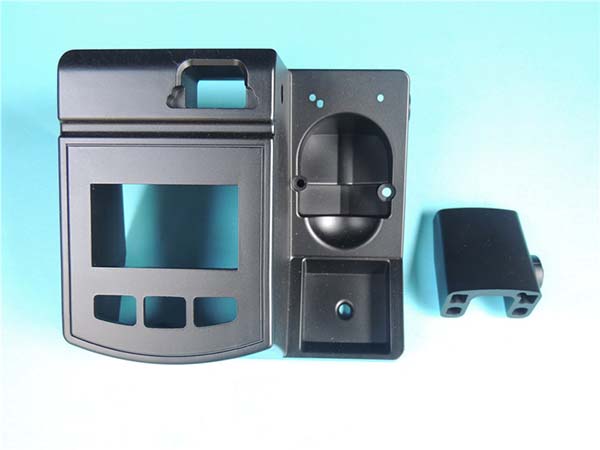
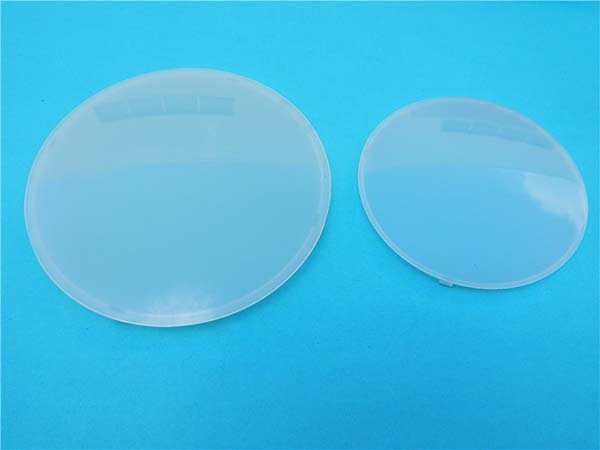
- For ergonomic testing, we use 3D printing to produce quick, low-cost models
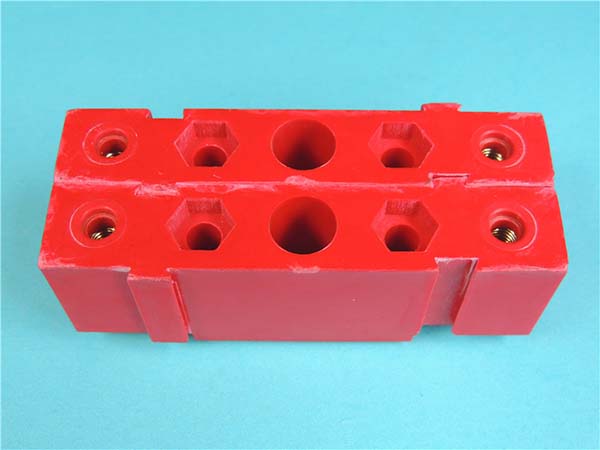
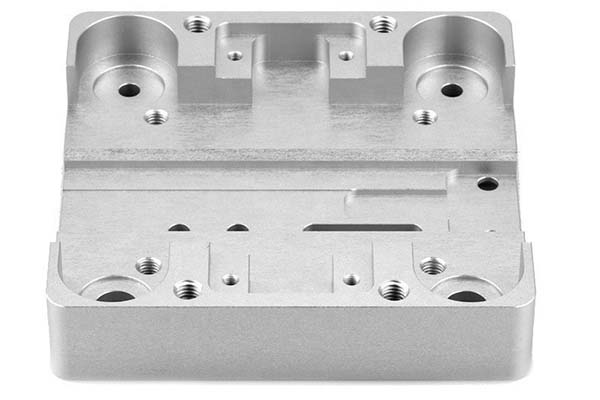
- For functional validation, we use CNC machining to create parts in final materials
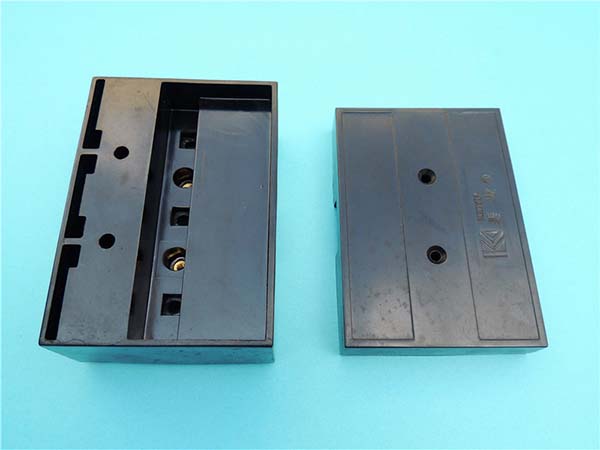
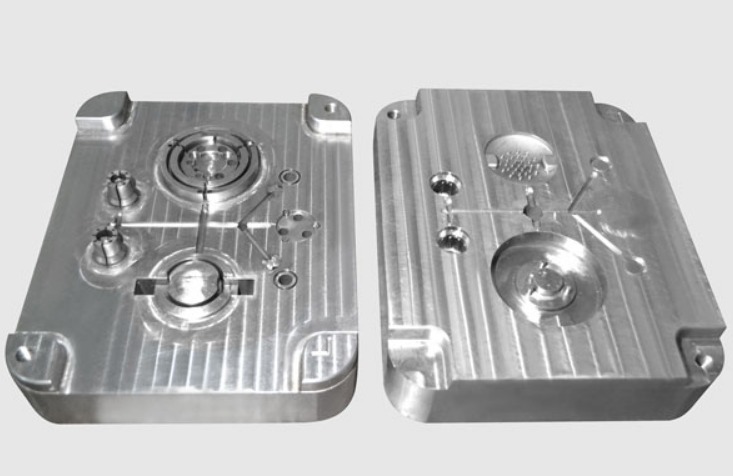
- For market trials, we use rapid tooling to produce small batches of injection-molded parts
We Provide Feedback Early
Our engineers review designs for manufacturability before production. We flag potential issues—thin walls, sharp corners, tolerance mismatches—so you can adjust before committing to tooling.
A Physical Product Example
A startup developing a handheld medical device needed to test ergonomics with surgeons. Instead of building production-ready molds, we produced SLA-printed models in one week. Surgeons tested the grip, button placement, and weight distribution. Feedback led to design changes. A second round of printed prototypes confirmed the improvements. Only then did the team invest in rapid tooling for functional testing.
The approach saved $15,000 in tooling changes that would have been needed if the design had gone straight to production molds.
Conclusion
A rapid prototype model is a tool for reducing uncertainty. It allows you to test assumptions, validate concepts, and make informed decisions with minimal investment. Whether you are developing software, electronics, or physical products, the principle is the same: build quickly, learn, and iterate.
By focusing on the biggest risks first, you avoid the cost and delay of full development on concepts that may not work. The result is faster time to market, better product-market fit, and more efficient use of resources.
Frequently Asked Questions
How long does it usually take to build a rapid prototype?
Timelines vary based on complexity. A simple mockup prototype for a mobile application may take 1–2 weeks. A proof-of-concept for a complex integration may take 3–6 weeks. For physical products, a 3D-printed prototype can be ready in 2–5 days, while a functional CNC-machined prototype may take 1–2 weeks.
What is the difference between a mockup and a proof-of-concept prototype?
A mockup prototype focuses on user interface and experience—how the product looks and feels. A proof-of-concept prototype focuses on technical feasibility—whether a specific function or integration can work. Choose based on your primary uncertainty.
How much does a rapid prototype cost?
Costs vary widely. A simple software mockup may cost $2,000–$10,000. A proof-of-concept with complex integration may cost $20,000–$50,000. For physical products, a 3D-printed prototype may cost $100–$500, while a CNC-machined metal prototype may cost $1,000–$5,000.
Can I use a rapid prototype to raise funding?
Yes. A functional prototype is often more persuasive to investors than slides or business plans. It demonstrates that you have moved beyond concept and can execute. Many successful startups have raised seed funding based on working prototypes.
What happens after the prototype is validated?
If the prototype confirms viability, you move to full development. For software, this means building the production-ready application. For physical products, this may mean transitioning to rapid tooling or production tooling for larger volumes. The prototype serves as a specification for the next phase.
Contact Yigu Technology for Custom Manufacturing
Ready to turn your product concept into a rapid prototype? Yigu Technology offers fast-turn prototyping for plastic and metal parts. Our engineers help you define your testing goals, select the right materials and processes, and deliver prototypes that provide real insights. Contact us today to discuss your project.