Construction has changed little in centuries. Workers lay bricks. Crews pour concrete. Projects take months or years. Then came 3D printing companies with a different vision. They print walls. They print entire buildings. They complete in days what traditional methods take months to build. This guide explores how these companies are transforming construction—the technologies they use, the materials they develop, and the projects that prove this revolution is already underway.
What Is Digital Construction?
Digital construction uses digital design tools and automated fabrication methods to build structures. At its core is 3D printing, also known as additive manufacturing. Instead of manual labor constructing walls piece by piece, a printer extrudes material layer by layer, following a digital blueprint.
The shift is fundamental. Traditional construction is labor-intensive, waste-prone, and constrained by manual skill. Digital construction is automated, material-efficient, and freed from traditional geometric limits.
How Does 3D Printing Technology Work for Construction?
The principles are the same as desktop 3D printing, scaled up dramatically.
Basic Workflow
- Digital design: Architects create a 3D model in CAD software (Revit, Rhino, AutoCAD)
- Slicing: Software divides the model into layers and generates toolpaths
- Printing: A gantry or robotic arm extrudes material layer by layer
- Post-processing: Finishing, curing, and assembly as needed
Key Technologies Used in Construction
| Technology | Process | Materials | Scale |
|---|---|---|---|
| Concrete Extrusion | Pump pushes concrete through nozzle, building walls layer by layer | Concrete, mortar, geopolymers | Full buildings, up to multi-story |
| FDM (Large Format) | Extrudes thermoplastics or composites | ABS, PLA, carbon fiber nylon | Formwork, molds, architectural features |
| SLS (Selective Laser Sintering) | Laser fuses powder materials | Nylon, glass-filled nylon, metals | Complex components, connections |
| Metal DMLS/SLM | Laser melts metal powder | Titanium, stainless steel, aluminum | Structural connectors, high-strength elements |
What Materials Are Used in 3D Printed Construction?
Material science drives the revolution. Traditional construction materials have been adapted for printing.
Concrete and Mortar
3D printed concrete is the most common material for full-scale buildings. Specialized mixes include:
- Cement, aggregates, and additives for workability and strength
- Fiber reinforcement to prevent cracking
- Accelerators to set quickly between layers
Compressive strengths of 30–60 MPa are typical—comparable to traditional concrete.
Plastics
Large-format FDM printers use thermoplastics for:
- Formwork: Molds for casting concrete
- Architectural features: Ornamental elements, facades
- Prototypes: Scale models and mockups
Materials include ABS, PLA, PETG, and carbon fiber composites.
Metals
Metal 3D printing produces high-strength components:
- Stainless steel for structural connectors
- Titanium for high-performance architectural elements
- Aluminum for lightweight structures
Ceramics
Ceramic printing creates:
- Custom bricks and tiles
- Architectural cladding
- Artistic elements with complex textures
What Advantages Does 3D Printing Offer Construction?
The benefits go beyond speed. 3D printing changes the economics and possibilities of building.
Speed
A traditional house takes 6–12 months. A 3D printed house can be printed in 24–48 hours. A 250-square-meter office building printed in 17 days—a process that would take months conventionally.
Labor Reduction
Construction faces labor shortages worldwide. 3D printing reduces on-site labor by 50–70%. A small crew operates the printer; fewer skilled trades are needed.
Material Efficiency
Traditional construction wastes 10–30% of materials. 3D printing uses only the material that becomes the structure. Waste drops to 5% or less. For concrete, this means significant cost and environmental savings.
Design Freedom
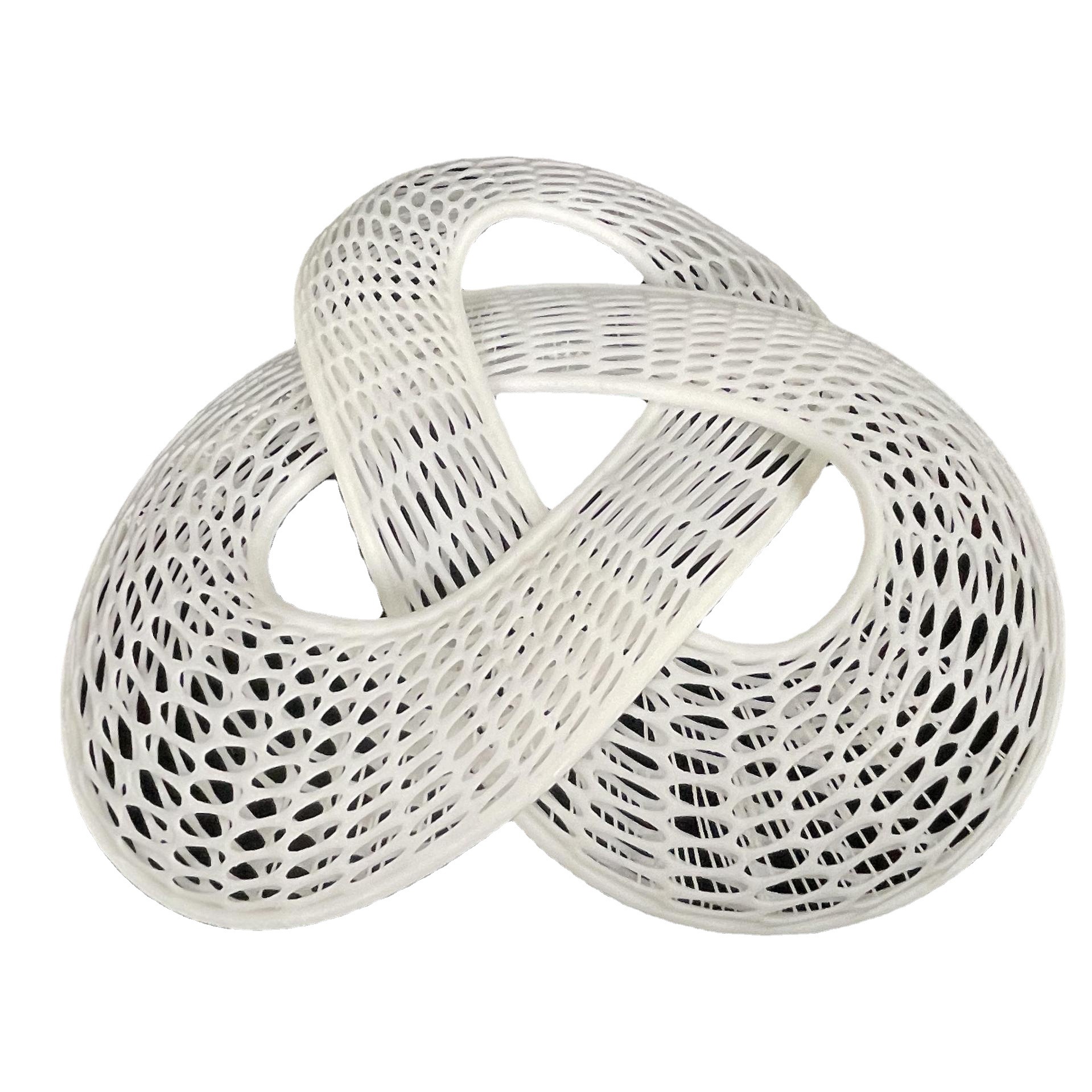
Curved walls, organic forms, and complex geometries print as easily as straight lines. Architects are no longer limited by formwork or manual construction constraints.
Sustainability
- Less waste: Reduced material consumption
- Lower carbon: Less transportation of materials
- Recyclable materials: Some printed materials can be recycled
- Local production: Print on-site, reducing shipping
Data point: According to industry reports, 3D printed buildings can reduce material waste by up to 30% and construction time by 50–70% compared to traditional methods.
What Are the Limitations and Challenges?
Despite progress, 3D printed construction faces hurdles.
Scale
Most 3D printed buildings are single-story or low-rise. Printing multi-story structures requires larger gantries or hybrid approaches (printing walls, adding traditional floors).
Reinforcement
Concrete alone has high compressive strength but low tensile strength. Reinforcement—steel rebar or fiber—must be added. Some printers incorporate reinforcement during printing; others require post-installation.
Regulatory and Standards
Building codes were written for traditional construction. Certification for printed buildings varies by region. Each project may require special approvals, adding time and cost.
Speed vs. Traditional Methods
While printing is fast, site preparation, foundation work, and finishing still take time. A printed shell in 48 hours still requires weeks for windows, electrical, plumbing, and finishes.
Material Limitations
Not all materials print well. High-strength concrete mixes require precise formulation. Some architectural materials lack printable formulations.
Which Companies Are Leading the Revolution?
Several companies have emerged as pioneers in 3D printed construction.
Company A: Large-Scale Public Structures
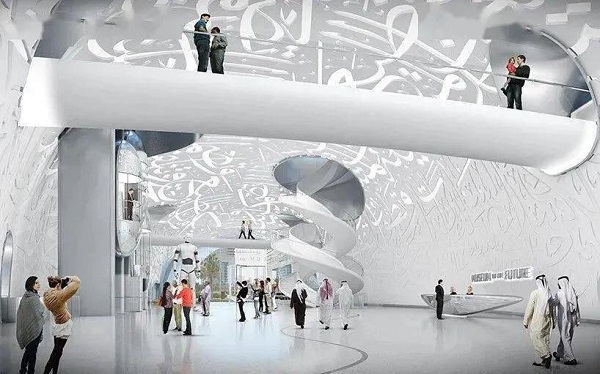
This company printed a large-scale public pavilion with complex organic shapes inspired by nature. The structure printed in weeks—months faster than traditional methods. The curved surfaces optimized stress distribution, reducing the need for internal supports.
Impact: The project demonstrated that 3D printing could build large, aesthetically complex structures efficiently. It attracted international attention and accelerated adoption in the construction sector.
Company B: Advanced Materials and Processes
This company developed a composite material combining the strength of traditional construction with the flexibility of polymers. The material has high tensile strength, is lightweight, and prints reliably.
They also developed a new printing algorithm that optimizes print head movement, reducing print time and improving accuracy.
Impact: Market share grew significantly. Competitors were forced to innovate. The company’s advancements accelerated the broader adoption of 3D printing in construction.
Company C: Affordable Housing
This company focuses on affordable housing. Using a mobile printer, they print homes in 24 hours at costs 30–50% lower than traditional construction. Their projects include disaster-relief housing, low-income communities, and speculative homes.
Impact: They demonstrated that 3D printing is not just for high-end architecture—it can address global housing shortages.
What Real-World Projects Exist?
3D printed construction has moved from concept to reality.
Houses
- ICON (USA): Printed homes in Austin, Texas, in 24–48 hours. The Vulcan II printer produces 1,700-square-foot homes with curved walls and integrated insulation.
- Project Milestone (Netherlands): The first 3D printed houses in Europe—a row of five homes designed to meet traditional building codes.
Offices and Public Buildings
- Dubai Future Foundation (UAE): The first 3D printed office building—250 square meters, printed in 17 days.
- Public pavilions: Various projects worldwide demonstrate architectural potential.
Bridges
- The first 3D printed steel bridge (Amsterdam): A 12-meter pedestrian bridge printed by robotic arms, opened in 2021.
Disaster Relief
- Housing in crisis zones: Organizations are deploying mobile printers to create emergency shelter quickly after natural disasters.
Real example: In a disaster zone, a mobile 3D printer arrived on-site, printed four emergency shelters in 72 hours, and moved to the next location. Traditional methods would have taken weeks and required skilled labor that was not available.
How Does 3D Printing Compare to Traditional Construction?
| Aspect | Traditional Construction | 3D Printed Construction |
|---|---|---|
| Speed | Months to years | Days to weeks |
| Labor | High (multiple trades) | Low (small crew) |
| Material Waste | 10–30% | <5% |
| Design Flexibility | Limited by formwork | Unlimited geometric freedom |
| Cost (Low Volume) | High due to labor | Moderate to low |
| Regulatory | Well-established | Emerging, varies by region |
| Scale | Unlimited (multi-story) | Currently limited to low-rise |
What Is the Future of Digital Construction?
The revolution is just beginning. Several trends will shape the coming decade.
Multi-Story Printing
Companies are developing printers capable of multi-story buildings. Gantry systems taller than two stories and robotic arms with extended reach will enable taller structures.
Hybrid Construction
The most efficient approach combines 3D printing with traditional methods. Print walls; add traditional floors, roofs, and finishes. This hybrid model balances speed with established practices.
New Materials
Research continues on:
- Bio-based materials: Hempcrete, mycelium composites
- Recycled materials: Concrete with recycled aggregate
- Self-healing concrete: Bacteria-based materials that repair cracks
On-Site Mobile Printers
Printers that fit on truck beds enable printing anywhere. Disaster zones, remote locations, and developing regions gain access to rapid construction.
Integration with BIM
Building Information Modeling (BIM) integrates with printing software, creating a seamless digital workflow from design to fabrication.
Yigu Technology’s Perspective
As a custom manufacturer, Yigu Technology sees 3D printed construction as a transformative opportunity. We work with construction companies to develop:
- Custom concrete mixes optimized for printing
- Metal components for structural connections
- Architectural elements printed in plastics or composites
- Formwork and molds for traditional construction
We believe the future is hybrid. 3D printing will not replace all construction, but it will take the roles where it excels: complex geometries, rapid deployment, and material efficiency.
Conclusion
3D printing companies are leading a digital construction revolution. They print houses in days, not months. They build curved walls that traditional methods cannot create. They reduce waste, cut labor costs, and enable designs that were once impossible.
Challenges remain—scale, reinforcement, and regulation. But the trajectory is clear. 3D printing is moving from novelty to necessity. It will not replace all construction, but it will transform how we build homes, offices, and infrastructure. The companies pioneering this technology are not just building structures—they are building the future of construction.
FAQ
What are the most common materials used in 3D printing for construction?
Concrete and mortar are most common for full-scale buildings. Plastics (ABS, PLA, carbon fiber) are used for formwork and architectural features. Metals (stainless steel, titanium, aluminum) are used for structural connectors. Ceramics are used for tiles and cladding.
How does 3D printing in construction reduce costs?
3D printing reduces labor costs by automating the building process (50–70% fewer workers). It minimizes material waste (from 10–30% to under 5%). It eliminates formwork costs for complex shapes. On-site printing reduces transportation and handling costs.
What are the main challenges facing 3D printing in the construction industry?
Key challenges include: scale (currently limited to low-rise), reinforcement (concrete needs tensile strength), regulatory (building codes not yet standardized), material limitations (not all materials printable), and market acceptance (traditional builders hesitant).
Can 3D printing be used for multi-story buildings?
Yes, but it is still emerging. Large gantry systems and robotic arms can print multi-story walls. Most current projects are single-story or low-rise. Hybrid approaches—printing walls with traditional floors—are more common for multi-story.
Is 3D printed construction sustainable?
Generally, yes. 3D printing reduces material waste significantly. On-site printing reduces transportation emissions. Some printed materials are recyclable. However, concrete printing still has a carbon footprint. Research continues on low-carbon printable materials.
Contact Yigu Technology for Custom Manufacturing
Yigu Technology specializes in non-standard plastic and metal custom manufacturing for the construction industry. We provide 3D printed concrete mixes, metal components, architectural elements, and formwork. Whether you are a construction company exploring digital construction or an architect pushing design boundaries, our engineering team delivers solutions. Contact us today to discuss your project.