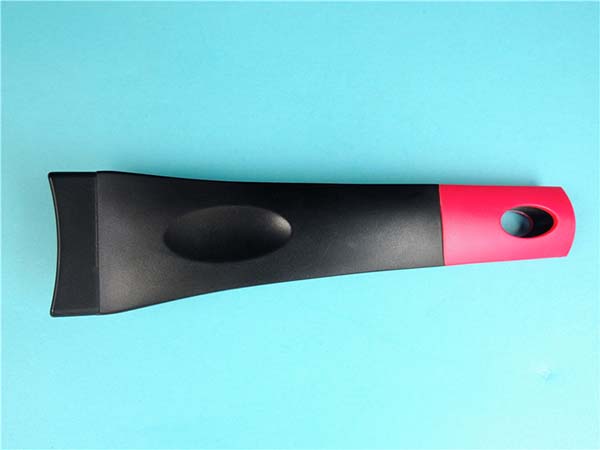
3D printing technologies are transforming manufacturing by enabling complex designs, faster prototyping, and cost-effective small-batch production. This article explores how different 3D printing methods work and how industries use them today.
Introduction: The Emergence of 3D Printing in Manufacturing
In modern manufacturing, 3D printing technologies have emerged as a revolutionary force. They transform how products are designed, prototyped, and produced. What once seemed like science fiction is now an integral part of the manufacturing ecosystem, driving innovation across industries.
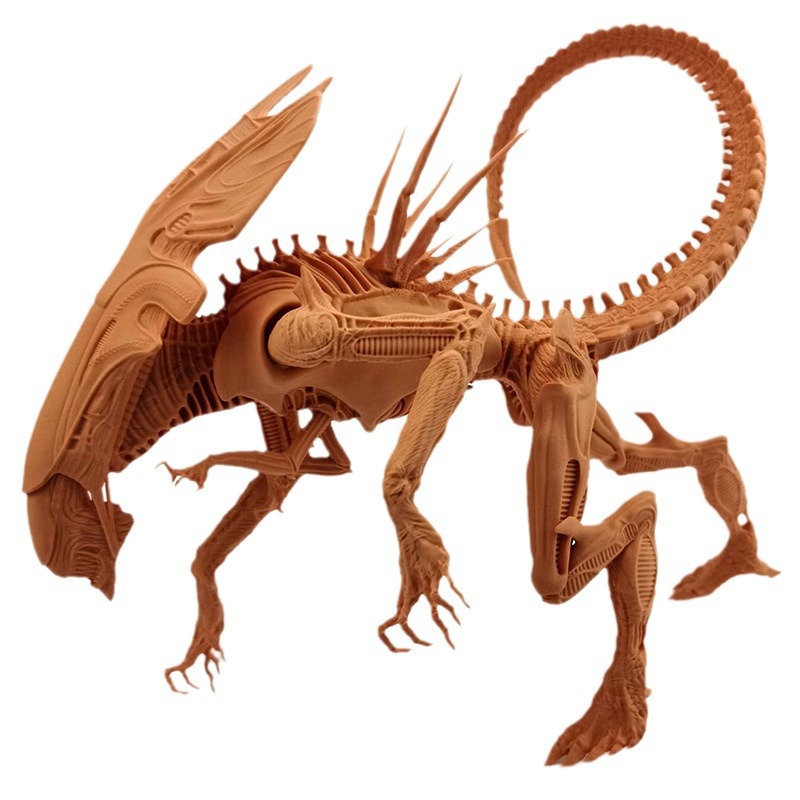
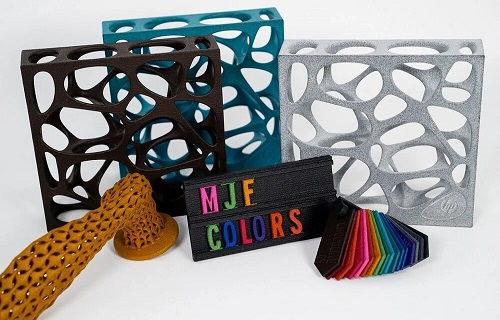
Over the past few decades, 3D printing capabilities have expanded exponentially. Technological advances have created a diverse range of techniques—Fused Deposition Modeling (FDM) , Stereolithography (SLA) , Selective Laser Sintering (SLS) , and many others. Alongside printing methods, printable materials have exploded. Today we print with plastics, metals, ceramics, composites, and even biological materials, opening new possibilities in healthcare and construction.
As the technology matured, 3D printing transitioned from a niche prototyping tool to a viable manufacturing solution for end-use products. Small manufacturers and entrepreneurs embrace it to bring innovative products to market quickly, without large-scale facilities or expensive tooling. Larger enterprises integrate 3D printing into traditional processes, enabling mass customization, on-demand production, and complex geometries previously impossible to achieve.
How Do 3D Printing Technologies Actually Work?
What are the fundamental steps in 3D printing?
3D printing, also called additive manufacturing, builds objects by layering materials based on a digital model. The journey from concept to physical object involves four key steps.
Step 1: 3D Modeling
The process begins with 3D modeling. Designers use computer-aided design (CAD) software to create a virtual representation of the object. This digital model serves as the blueprint. CAD software offers tools for creating complex geometries—from simple shapes to highly intricate organic forms.
For example, in product design, a designer creates a prototype of a new smartphone case using CAD, specifying all details like port cut-outs, edge shapes, and decorative elements. Alternatively, 3D scanners can capture the shape of existing physical objects, converting them to digital models. This helps in reverse engineering, where an existing product is scanned for analysis or modification.
Step 2: Slicing the Model
Once the 3D model is ready, it needs preparation for the printer. Slicing software takes the 3D model and divides it into hundreds or even thousands of thin horizontal layers. Each layer is a two-dimensional cross-section of the final object.
The slicing software also generates G-code—instructions telling the printer how to move, where to deposit material, and at what speed. During slicing, you can adjust parameters like layer thickness, infill density, and print speed. Thinner layers generally give smoother surfaces but increase print time. For a detailed figurine, choose small layer thickness to capture fine details. For a large structural component, thicker layers speed up printing.
Step 3: Physical Transformation—Printing
In the printing phase, the printer reads G-code instructions and starts depositing materials layer by layer. The deposition method depends on the technology.
For example, in Fused Deposition Modeling (FDM) , a thermoplastic filament heats and extrudes through a nozzle. The nozzle moves in X, Y, and Z directions, depositing melted plastic in precise patterns. As layers stack, the object takes shape.
In Stereolithography (SLA) , a laser cures liquid photopolymer resin. The laser traces each layer's pattern on the resin surface, solidifying it and building the object layer by layer.
Step 4: Post-Processing
After printing, the object often needs post-processing to achieve desired final properties. This includes several operations.
If the object had support structures during printing (necessary for overhanging parts), these need removal. Supports can be removed by hand, with tools, or through chemical means. In SLA-printed objects, you carefully cut supports away with a sharp blade.
Surface finishing is another important step. This can involve sanding to smooth rough surfaces, polishing for high-gloss finish, or painting to add color and protection. In some cases, heat treatment improves mechanical properties like strength or hardness.
What are the major types of 3D printing technologies?
Several major 3D printing technologies exist, each with unique characteristics. Understanding these differences helps you choose the right technology for your project.
| Technology | Working Mechanism | Suitable Materials | Applications | Advantages | Disadvantages |
|---|---|---|---|---|---|
| FDM | Melts and extrudes thermoplastic filament | PLA, ABS, Nylon, TPU | Education, prototyping, functional parts | Low cost, wide material choice, easy to use | Rough surface finish, slow speed, limited strength |
| SLA | Laser cures liquid photopolymer resin | Photopolymer resins | Jewelry, medical models, high-precision parts | High precision, excellent finish, complex geometries | Limited materials, resin costly, post-processing needed |
| SLS | Laser sinters powdered materials | Nylon, metal powders, ceramic powders | Automotive, aerospace, tooling | No supports needed, good mechanical properties | High equipment cost, long print times, rough finish |
| EBM | Electron beam melts metal powder in vacuum | Titanium, nickel alloys, cobalt-chrome | Aerospace, orthopedic implants | High-strength parts, complex geometries | Very high cost, complex process, limited availability |
How Are Industries Using 3D Printing Today?
Aerospace: How does 3D printing create lighter, stronger aircraft?
The aerospace industry leads in adopting 3D printing. The demand for high-performance, lightweight components drives this adoption. Every kilogram saved in an aircraft means significant fuel savings over its operational life.
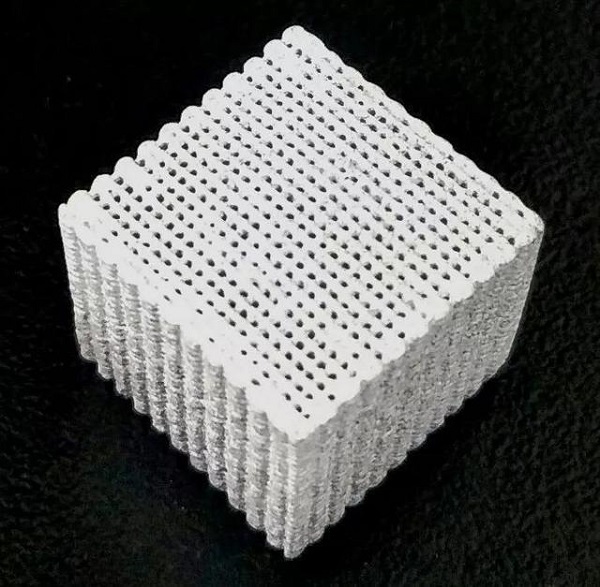
Lightweight components are a primary application. Traditional methods struggle to create complex, lightweight structures. But techniques like Selective Laser Melting (SLM) and Electron Beam Melting (EBM) produce parts with intricate lattice and honeycomb structures. These structures dramatically reduce weight while maintaining structural integrity.
For example, Airbus uses 3D printing to produce aircraft components including brackets and engine parts. By using 3D-printed lattice-structured brackets, Airbus achieves weight savings up to 50% compared to traditionally manufactured counterparts. This improves fuel efficiency and reduces emissions.
Complex engine components represent another significant application. Jet engines rank among the most complex machines ever created, with thousands of parts working under extreme conditions. 3D printing allows production of components with complex internal geometries impossible to manufacture traditionally.
GE Aviation manufactures fuel nozzles for jet engines using 3D printing. The printed fuel nozzles feature more intricate internal structures enabling better fuel atomization and more efficient combustion. This leads to improved engine performance, reduced fuel consumption, and lower emissions.
Rapid prototyping also benefits aerospace. Designers quickly create physical models of new components using 3D printers. This enables faster design iterations and more efficient testing. Instead of spending months creating prototypes traditionally, 3D printing reduces prototyping time to days or weeks. This speeds development and saves costs.
Jewelry: How does 3D printing enable intricate designs?
In the jewelry industry, 3D printing has become a game-changer. It enables creation of unique, intricate designs previously difficult to achieve.
Jewelry designers use 3D modeling software to create highly detailed digital designs. These print on 3D printers, allowing production of one-of-a-kind pieces with complex patterns, filigree work, and custom settings.
For example, a luxury jewelry brand used 3D printing to create a limited-edition necklace collection with intricate floral patterns. The printed pieces achieved detail and precision impossible to replicate with traditional casting methods. Additionally, 3D printing reduces waste compared to traditional jewelry manufacturing, using only the exact material required for each piece.
Consumer Goods: How does 3D printing enable personalization?
In the consumer goods industry, 3D printing enables production of personalized products. From custom phone cases to personalized home decor, consumers now get products tailored to their specific tastes.
For instance, a consumer goods company offers 3D-printed phone cases where customers upload their own designs or choose from pre-designed patterns. The company prints cases on-demand, enabling quick turnaround and high customization.
Another example involves home decor items like lampshades and wall art. 3D-printed home decor can match a customer's unique style and color scheme, providing personalized interior spaces.
Food: Can 3D printing create customized edibles?
In the food industry, 3D printing emerges as a new way to create customized food products. Some companies use 3D printers to create personalized chocolates, candies, and even pasta.
For example, a food startup offers 3D-printed chocolates with custom-designed shapes, flavors, and fillings. Customers order chocolates with their own logo, personalized message, or unique shape—adding special touches to gifts or events. 3D-printed food can also meet specific dietary requirements like gluten-free or sugar-free options, opening possibilities for consumers with special dietary needs.
What Impact Is 3D Printing Having on Manufacturing?
From a cost perspective, 3D printing offers significant advantages, especially for small-batch production and custom products. By eliminating expensive molds and tooling in many cases, it reduces upfront capital investment. For custom jewelry, 3D printing enables unique pieces without high casting costs. This cost-effectiveness extends to replacement parts, where on-demand printing saves both time and money compared to maintaining large spare parts inventories.
The design flexibility enabled by 3D printing is remarkable. Designers face fewer constraints from traditional manufacturing limitations. They create complex geometries, lattice structures, and organic shapes previously unfeasible. In aerospace, this leads to lightweight components with intricate internal structures, improving fuel efficiency and performance. The lattice-structured brackets printed for Airbus aircraft reduce weight while enhancing structural integrity.
In terms of production speed, 3D printing accelerates product development cycles. Rapid prototyping enables quick design iterations, getting products to market faster. In automotive, manufacturers use 3D-printed prototypes to test new designs in a fraction of traditional time. This speeds innovation and gives companies competitive edge.
Applications span diverse industries. In healthcare, 3D printing transforms production of custom implants and prosthetics, improving patient outcomes. In aerospace and automotive, it manufactures high-performance components. Even in consumer goods and food, 3D printing enables personalized products and customized edibles.
Conclusion
3D printing technologies have undeniably emerged as a revolutionary force in manufacturing, bringing profound changes across multiple dimensions. From cost savings in small-batch production to unprecedented design freedom, from faster prototyping to personalized end-products—the impact touches every industry. As technology continues advancing, with faster printers, better materials, and lower costs, 3D printing's role in manufacturing will only grow. Whether you're designing aircraft components or custom jewelry, understanding these technologies helps you leverage their power for your next project.
FAQ
Q1: What is the most cost-effective 3D printing technology for small-scale production?
A: Fused Deposition Modeling (FDM) is often most cost-effective for small-scale production. FDM printers are relatively inexpensive, materials like PLA and ABS are affordable, and post-processing requires minimal equipment.
Q2: Can 3D printing be used for mass production?
A: While 3D printing currently suits small-batch production better, it's making inroads into mass production. Automotive and aerospace industries use it for select components in larger quantities. However, slow speeds and material costs remain challenges for widespread mass production adoption.
Q3: What are the main challenges in using 3D printing for metal parts?
A: Key challenges include high cost of metal powders and specialized equipment (SLM or EBM machines). Printing can be time-consuming for large or complex parts. Ensuring quality and consistency is also challenging—metal printing can result in porosity or inconsistent mechanical properties requiring careful process control.
Q4: How accurate is 3D printing compared to traditional manufacturing?
A: Accuracy varies by technology. SLA achieves ±0.05-0.1mm precision, matching or exceeding many traditional methods. FDM is less accurate (±0.1-0.3mm). For metal parts, EBM and SLM achieve precision suitable for aerospace and medical applications, often with minimal post-processing.
Q5: What materials can you 3D print with?
A: Today's materials include thermoplastics (PLA, ABS, nylon), photopolymer resins, metals (titanium, stainless steel, aluminum, Inconel), ceramics, composites, and even biological materials for research applications.
Q6: How long does 3D printing take?
A: Print time depends on part size, layer thickness, and technology. Small parts may take 1-2 hours; complex large parts can take 24 hours or more. Thinner layers improve quality but increase time. Some technologies like binder jetting print faster than others like SLS or EBM.
Contact Yigu technology for custom manufacturing
Ready to explore how 3D printing can transform your next project? At Yigu technology, we combine deep expertise with state-of-the-art additive manufacturing capabilities. Whether you need aerospace components, medical devices, custom jewelry, or precision engineering parts, our team delivers quality results tailored to your specifications. Contact us today for a consultation—let's turn your designs into reality with the power of 3D printing.