Introduction
In today’s competitive global market, speed is everything. The faster you can produce a product, the faster you capture market share, reduce costs, and meet customer demands. Rapid manufacturing—also known as additive manufacturing or 3D printing—is transforming how products are made. Unlike traditional subtractive methods that remove material from a larger block, rapid manufacturing builds objects layer by layer directly from digital models. This approach reduces waste, enables complex geometries, and accelerates production timelines. This guide explores how rapid manufacturing works, the technologies involved, and its impact across industries.
What Is Rapid Manufacturing?
Rapid manufacturing is a suite of advanced processes that use digital design data to produce parts and products quickly. It builds objects layer by layer directly from digital models—contrasting with traditional subtractive methods that cut away material from a larger block.
Traditional manufacturing of a complex mechanical part involves cutting, drilling, and shaping—time-consuming and wasteful. Rapid manufacturing deposits material precisely where needed, reducing waste and enabling intricate geometries impossible with traditional techniques.
Why Is Accelerating Production So Important?
Accelerating production provides significant advantages.
Competitive Edge
In industries where new products are constantly introduced, faster production captures larger market share. Consumer electronics companies that quickly launch new smartphones or wearables attract early adopters and gain sales head starts.
Cost Savings
Reducing production time decreases labor costs associated with long cycles. On-demand production minimizes inventory holding costs. A McKinsey study found that companies adopting rapid manufacturing for small-scale production saw 30–40% reduction in inventory costs.
Meeting Customer Demands
Customers expect quick turnarounds and personalized products. Rapid manufacturing enables prompt responses. Custom-fit prosthetics can be manufactured in days—not weeks or months—improving patient quality of life.
What Technologies Enable Rapid Manufacturing?
Several technologies drive rapid manufacturing.
3D Printing Technologies
| Technology | Process | Key Features | Production Impact |
|---|---|---|---|
| SLA | Laser cures liquid resin | High precision (0.1 mm) | Dental implants, jewelry—weeks to days |
| SLS | Laser sinters powdered material | Complex geometries, no supports | Aerospace components—one-piece production, reduced assembly |
| FDM | Extrudes melted thermoplastic | Cost-effective, moderate accuracy | Prototyping, simple parts |
| DLP | Cures entire layers at once | Faster than SLA | Good for high-detail, small parts |
CNC Machining and Laser Cutting
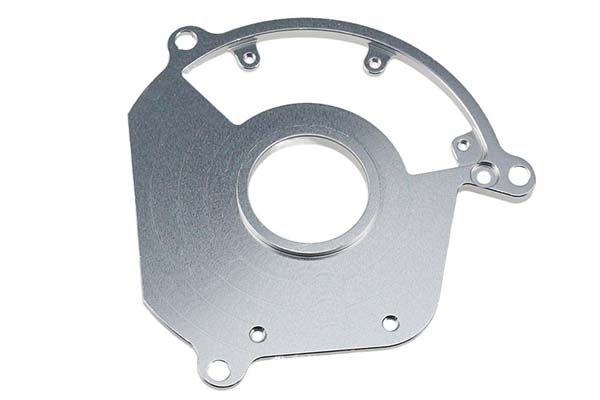
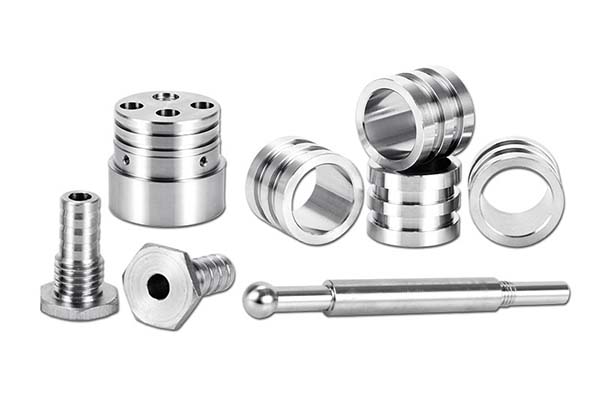
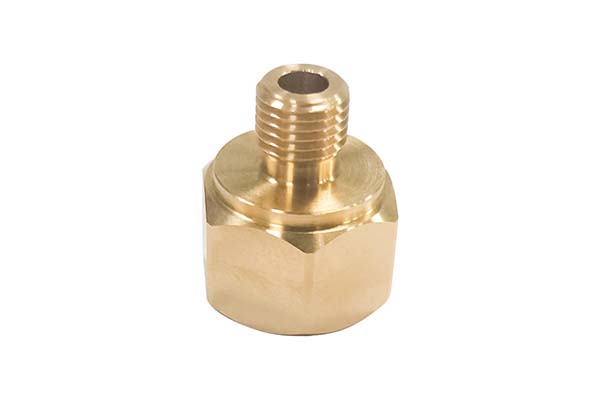
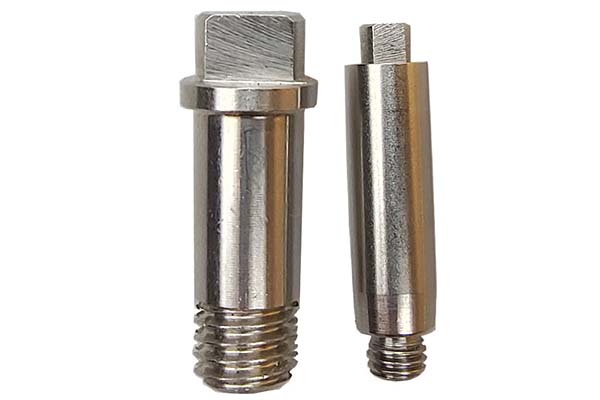
CNC machining uses computer-controlled machines to precisely cut metals, plastics, and composites. It offers high versatility for prototyping and production runs. In automotive, CNC machines shape engine components with consistent quality. Manufacturers can quickly switch between designs—reducing setup time and accelerating production.
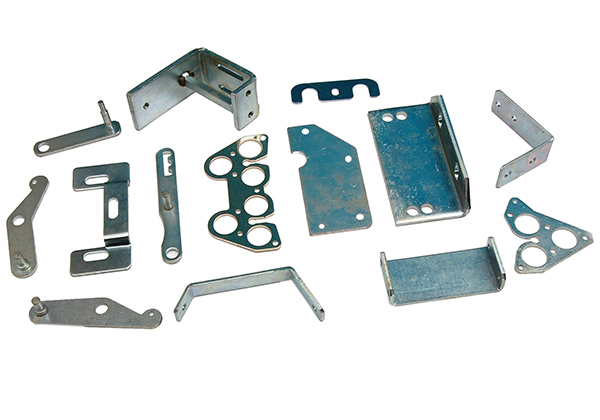
Laser cutting employs a focused laser beam to cut materials with high precision. Suitable for metals, plastics, wood. In sheet-metal fabrication, laser cutting creates intricate cuts quickly. Integrated into automated production lines, cut parts move immediately to next stages—bending, welding—without delays.
Injection Molding Advancements
Traditional injection molding has been enhanced for rapid manufacturing.
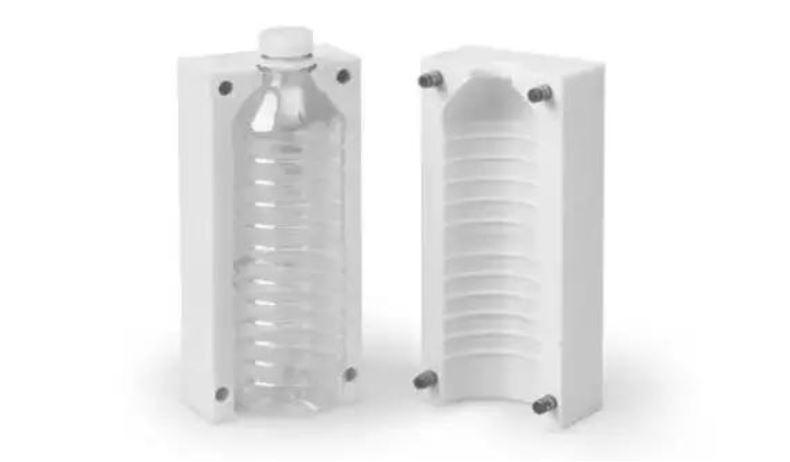
Rapid tooling: 3D-printed molds produced in days (vs. weeks or months for traditional molds). Once molds are ready, injection molding starts immediately.
Faster machines: Modern injection-molding machines have faster injection speeds and precise control systems—producing high numbers of consistent parts per hour. For plastic toys, high-speed machines fill molds quickly, reducing defective parts.
How Is Rapid Manufacturing Applied Across Industries?
Applications span aerospace, automotive, consumer products, and healthcare.
Aerospace and Defense
Rapid manufacturing enables lightweight, high-performance components with speed and precision.
Boeing uses 3D printing for 787 Dreamliner components—wing rib components produced layer by layer with complex internal structures optimizing strength-to-weight ratios. Fuel efficiency improved; production time decreased by up to 50% .
Defense: UAV components (frames, propellers) quickly manufactured. If mission requirements change, designs are digitally modified and rapidly produced. SLS 3D printing produces reconnaissance UAV components in days—compared to weeks with traditional methods.
Automotive and Transportation
Rapid manufacturing impacts prototyping and custom parts.
Tesla used 3D printing for Model Y rear-end chassis parts—testing design iterations rapidly. Traditional prototype mold-making took weeks or months; 3D printing produces prototype parts in days.
Custom parts: Luxury manufacturers (Bentley Motors) use CNC machining and 3D printing for custom interior trim pieces—designed to customer preferences, produced quickly.
Transportation: Bus interior panels and seating components produced on-demand using 3D printing—reducing inventory costs.
Consumer Products and Electronics
Rapid manufacturing enables innovation and speed-to-market.
Customized smartphone cases: Companies like Casetify use 3D printing—custom designs printed and shipped within 1–2 days.
Electronics: Small-scale startups developing wearable devices use 3D printing for prototypes—testing form factor and functionality quickly. Design changes made easily; iterative process completed faster than traditional methods.
Limited-edition products: Toy companies produce small batches without large-scale facilities or expensive molds—testing market demand before scaling.
What Are the Key Benefits of Rapid Manufacturing?
Reduced Lead Times
Prototyping time cut by 40–60% . Aerospace components reduced from months to weeks; consumer electronics molds from 8–10 weeks to 4–5 weeks. Some cases see 50%+ reduction from concept to market.
Cost-Effectiveness
For small-scale production and prototyping, rapid manufacturing eliminates expensive tooling. Material waste minimized. Startups, SMEs, and large corporations benefit from lower upfront costs.
Design Flexibility
Complex geometries—internal channels, lattice structures—produced easily. Designers iterate quickly without costly mold modifications.
Customization
Personalized products—custom-fit prosthetics, custom smartphone cases, unique automotive interior components—produced efficiently, opening new markets and business models.
Can Rapid Manufacturing Replace Traditional Mass Production?
Rapid manufacturing is unlikely to completely replace traditional mass production. For high-volume production of simple, standardized products, injection molding remains more cost-effective. However, rapid manufacturing excels at:
- Small-scale production
- Custom-made products
- Complex geometries
- Prototyping and iteration
The future likely combines both: rapid manufacturing for prototyping, customization, and small batches; traditional methods for large-scale, high-volume production.
How Does Rapid Manufacturing Impact the Supply Chain?
Rapid manufacturing transforms supply chains:
- On-demand production: Reduces need for large finished goods and component inventories
- Shorter lead times: Lower inventory-holding costs
- Decentralized production: Local facilities produce parts closer to end-users—reducing transportation reliance and increasing supply chain resilience
How Does Yigu Technology Approach Rapid Manufacturing?
As a non-standard plastic and metal products custom supplier, Yigu Technology leverages rapid manufacturing to serve clients efficiently.
We Offer Multiple Technologies
- 3D printing (FDM, SLA, SLS) for complex geometries and rapid iteration
- CNC machining for precision metal and plastic parts
- Laser cutting for sheet-metal fabrication
- Injection molding with rapid tooling for larger batches
We Provide End-to-End Support
From design optimization to post-processing, we help clients select the right technologies and materials for their applications.
We Deliver Speed and Quality
Advanced equipment, skilled technicians, and rigorous quality control ensure rapid turnaround without compromising quality.
Conclusion
Rapid manufacturing is accelerating production across industries. By leveraging 3D printing, CNC machining, laser cutting, and advanced injection molding, it reduces lead times, cuts costs, enables complex geometries, and supports customization. From aerospace components to custom smartphone cases, rapid manufacturing transforms how products are designed and produced.
The benefits are clear: faster time-to-market, lower inventory costs, and greater responsiveness to customer demands. As technology advances, rapid manufacturing will play an increasingly vital role—not replacing traditional methods but complementing them to create more agile, efficient production systems.
Frequently Asked Questions
What are the most common materials used in rapid manufacturing for consumer products?
Common materials include thermoplastics like ABS and PLA. ABS offers strength and durability—suitable for smartphone cases, small appliances. PLA is eco-friendly, often used for decorative objects and some food-contact products due to biocompatibility.
Can rapid manufacturing replace traditional mass-production methods completely?
Rapid manufacturing is unlikely to completely replace traditional mass production. For high-volume, simple, standardized products, injection molding remains more cost-effective. However, rapid manufacturing excels at small-scale production, custom products, complex geometries, and prototyping. A combination of both methods is likely—rapid manufacturing for prototyping, customization, and small batches; traditional methods for large-scale, high-volume production.
How does rapid manufacturing impact the supply chain?
Rapid manufacturing enables on-demand production—reducing large inventories of finished goods and components. This leads to shorter lead times and lower inventory-holding costs. It can decentralize production—local facilities produce parts closer to end-users, reducing transportation reliance and increasing supply chain resilience.
What is the difference between rapid manufacturing and rapid prototyping?
Rapid prototyping focuses on creating models for testing and validation—typically small quantities. Rapid manufacturing encompasses production of end-use parts and products—scaling from prototyping to production volumes. Both use similar technologies (3D printing, CNC machining), but rapid manufacturing emphasizes production-ready quality, repeatability, and scalability.
How much time can rapid manufacturing save?
Rapid manufacturing can reduce production time by 40–60% in prototyping stages. Aerospace components reduced from months to weeks; consumer electronics molds from 8–10 weeks to 4–5 weeks. Some cases see 50%+ reduction from concept to market.
Contact Yigu Technology for Custom Manufacturing
Ready to accelerate your production with rapid manufacturing? Yigu Technology offers 3D printing, CNC machining, laser cutting, and injection molding services. Our engineers help you select the right technologies and materials for your application. Contact us today to discuss your project.