Introduction
In product development, prototyping is the cornerstone for transforming ideas into market-ready solutions. Strategic prototyping mitigates risks, reduces costs, and accelerates time-to-market. This guide explores the critical role of prototyping, key stages, technologies, and actionable insights to help you make informed decisions—whether you are developing consumer electronics, medical devices, or industrial components.
Why Is Prototyping Critical in Product Development?
Prototyping is far more than creating a physical model. It is an iterative process that allows designers and engineers to validate assumptions, gather feedback, and refine designs before committing to full-scale production. Real-world feedback is invaluable. Prototyping enables testing of form, fit, and function—ensuring products meet customer expectations.
Black Diamond Equipment used 3D printing to prototype an avalanche shovel. By leveraging rapid prototyping, they reduced development time from 7 days to 8 hours and cut costs from $1,000 to $45 —demonstrating the transformative power of prototyping.
What Are the Key Stages of Prototyping?
Prototyping typically evolves through several stages, each serving a distinct purpose.
Proof-of-Concept (PoC) Prototypes
Basic models used to validate feasibility of an idea. Focus on core functionality, often built using off-the-shelf components. A charging stand PoC might be a simple 3D-printed enclosure with a USB cable.
Looks-Like Prototypes
Emphasize aesthetics and user experience. Test ergonomics, user interfaces, and overall design appeal. Materials and finishes mimic the final product, allowing stakeholders to visualize the end result.
Works-Like Prototypes
Focus on technical performance. Engineers test mechanical, electrical, and thermal systems—often in isolated subsystems to simplify troubleshooting. These prototypes may not look like the final product but are critical for ensuring functionality.
Engineering Prototypes
High-fidelity models bridging design and manufacturing. Used for rigorous testing—stress and durability assessments—and designed with manufacturability in mind.
What Prototyping Technologies Are Available?
Selecting the right technology is crucial for balancing cost, speed, and quality.
| Technology | Resolution | Materials | Applications | Cost Range |
|---|---|---|---|---|
| FDM | Moderate | PLA, ABS, composites | Simple parts, PoC models | $200–$25,000 |
| SLA | High | Resins (rigid, flexible, heat-resistant) | High-fidelity models, functional prototypes | $200–$25,000 |
| SLS | High | Nylon, composites | Complex geometries, functional testing | $30,000+ |
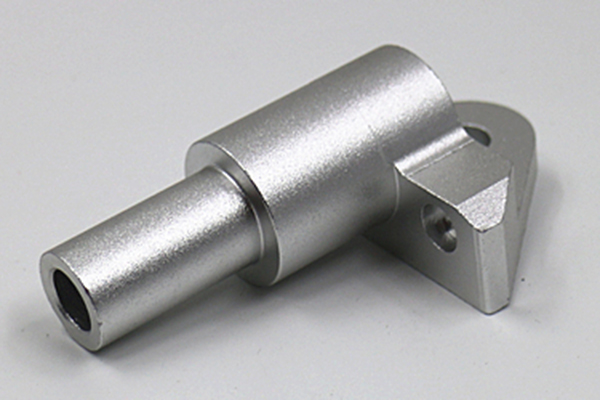
| CNC Machining | Very High | Metals, plastics, wood | Structural parts, metal components | $2,000–$20,000+ |
Fused Deposition Modeling (FDM)
Ideal for quick, low-cost prototypes. Lacks precision needed for intricate designs. Affordable, accessible—suitable for early concept validation.
Stereolithography (SLA)
Offers superior resolution and surface finish—suitable for both visual and functional prototypes. Particularly effective for detailed parts requiring tight tolerances. High precision, smooth surfaces.
Selective Laser Sintering (SLS)
Excels at producing durable, functional prototypes with complex internal structures. Top choice for engineering testing. No support structures needed; wide material range; good mechanical properties.
CNC Machining
Provides high precision—suitable for metal parts or structural components. Slower and more expensive for small batches. Very high accuracy; wide material range; excellent surface finish.
How Do You Choose the Right Prototyping Method?
Decision factors include:
Design Complexity
Intricate geometries or internal features are best suited for SLA or SLS. FDM for simple shapes.
Material Requirements
For metal parts, CNC machining is the go-to. For flexible or heat-resistant materials, SLA resins or SLS nylon may be preferred.
Budget and Time Constraints
FDM is most cost-effective for simple prototypes. SLA offers balance of speed and quality. SLS and CNC are more expensive but deliver functional, high-precision parts.
Testing Needs
Functional testing often requires SLS or CNC for material properties and durability. Visual validation leans toward SLA for aesthetics and surface finish.
Should You Prototype In-House or Outsource?
In-House Prototyping
Pros: Faster turnaround, greater control over iterations, cost-effective for high-volume needs.
Cons: Requires upfront investment in equipment and expertise.
Outsourced Prototyping
Pros: Access to specialized technologies and materials, no need for in-house infrastructure.
Cons: Higher costs, longer lead times, potential communication challenges.
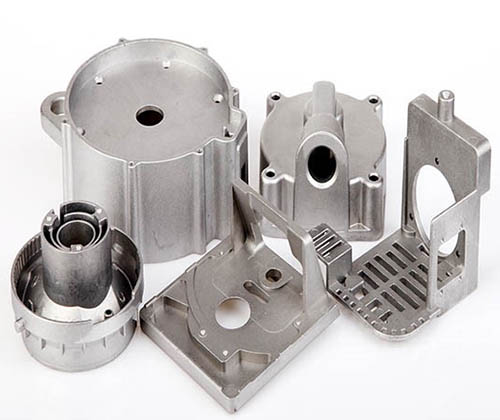
A hybrid approach often works best—leveraging in-house 3D printing for rapid iterations and partnering with trusted suppliers for specialized processes like CNC machining or metal casting.
What Are Advanced Prototyping Trends?
The field of prototyping is constantly evolving.
Multi-Material Printing
New 3D printers combine different materials in a single print—enabling more realistic prototypes with varying properties (rigid cores, flexible exteriors).
AI-Driven Design Optimization
Software tools use AI to optimize designs for manufacturability and performance—reducing material waste, improving strength-to-weight ratios.
Sustainable Materials
Eco-friendly resins and recycled filaments are gaining traction—aligning with global sustainability goals while maintaining performance.
What Does a Successful Prototyping Case Look Like?
A medical device manufacturer needed a custom plastic component for a diagnostic tool. Using SLA 3D printing, a high-precision prototype was created to test fit and functionality quickly. After several iterations, the design transitioned to CNC machining for the final product—ensuring durability and compliance with medical standards.
Result: 40% reduction in development time and 25% cost savings compared to traditional methods.
How Does Yigu Technology Approach Prototyping?
As a non-standard plastic and metal products custom supplier, Yigu Technology combines cutting-edge prototyping capabilities with deep engineering expertise.
We Offer Multiple Technologies
- FDM: Quick, low-cost concept validation
- SLA: High-precision, smooth surface prototypes for detailed models
- SLS: Functional prototypes with complex geometries
- CNC machining: Precision metal and plastic parts for structural components
We Provide Comprehensive Support
Our engineers guide technology selection based on design complexity, material requirements, budget, and testing needs. We optimize designs for manufacturability—ensuring seamless transition from prototype to production.
We Deliver Results
From proof-of-concept to engineering prototypes, we help clients reduce development time and costs while ensuring quality and performance.
Conclusion
Prototyping is a vital investment in product success. Understanding the different stages—proof-of-concept, looks-like, works-like, engineering—enables strategic progression. Selecting the right technology—FDM for low-cost concepts, SLA for high-fidelity models, SLS for functional testing, CNC for precision metal parts—balances cost, speed, and quality. Whether in-house or outsourced, effective prototyping reduces risks, accelerates time-to-market, and delivers superior products.
Frequently Asked Questions
How do I choose the right prototyping technology for my project?
Consider design complexity—intricate geometries suit SLA/SLS; simple shapes suit FDM. Material requirements—metal parts require CNC; flexible/heat-resistant materials suit SLA resins or SLS nylon. Budget and time—FDM most cost-effective for simple prototypes; SLA offers balance; SLS/CNC for functional testing. Testing needs—functional testing requires SLS/CNC; visual validation leans toward SLA.
Is in-house prototyping worth the investment?
Yes, if you anticipate frequent prototyping needs. In-house capabilities offer faster iterations and cost savings over time. However, outsourcing remains viable for specialized projects—access to advanced technologies without capital investment.
How can prototyping reduce costs in the long run?
By identifying and addressing design flaws early—when fixes are cheap—prototyping minimizes expensive revisions during mass production. It also validates market demand before scaling up, avoiding costly production of products that don’t meet customer needs. A medical device manufacturer reduced development time by 40% and costs by 25% through effective prototyping.
What is the difference between looks-like and works-like prototypes?
Looks-like prototypes emphasize aesthetics and user experience—testing ergonomics, user interfaces, design appeal. Materials and finishes mimic final products. Works-like prototypes focus on technical performance—testing mechanical, electrical, thermal systems. They may not look like final products but are critical for ensuring functionality.
What are the emerging trends in prototyping?
Multi-material printing—combining different materials in single prints for realistic prototypes. AI-driven design optimization—software optimizing designs for manufacturability and performance. Sustainable materials—eco-friendly resins and recycled filaments aligning with sustainability goals.
Contact Yigu Technology for Custom Manufacturing
Ready to optimize your product development with effective prototyping? Yigu Technology offers FDM, SLA, SLS, and CNC machining services for plastic and metal components. Our engineers guide you through technology selection, material choice, and design optimization. Contact us today to discuss your project.