Introduction
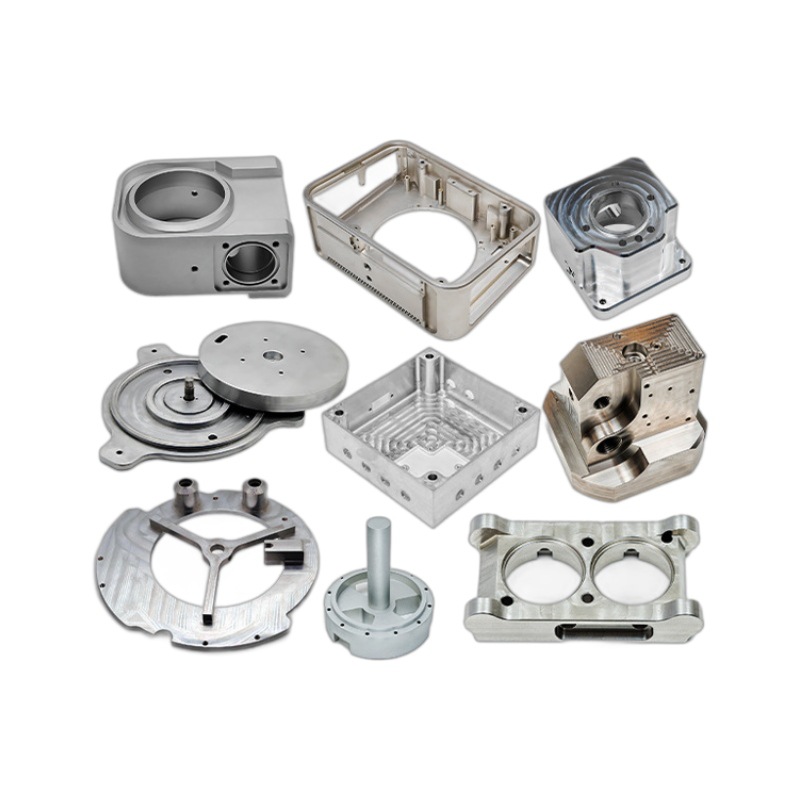
Turning machining is one of the oldest and most fundamental manufacturing processes. A workpiece rotates while a cutting tool removes material to create cylindrical shapes—shafts, bushings, threaded components, and complex contours. From the engine in your car to the turbine in a jet engine, turning is everywhere. Modern turning has evolved far beyond manual lathes. Today, CNC turning centers achieve tolerances measured in microns, produce complex geometries in single setups, and handle materials from soft plastics to superalloys. This guide explores the benefits—precision, cost-effectiveness, versatility—and the applications that make turning indispensable across automotive, aerospace, medical, and industrial sectors.
What Is Turning Machining?
Definition and Overview
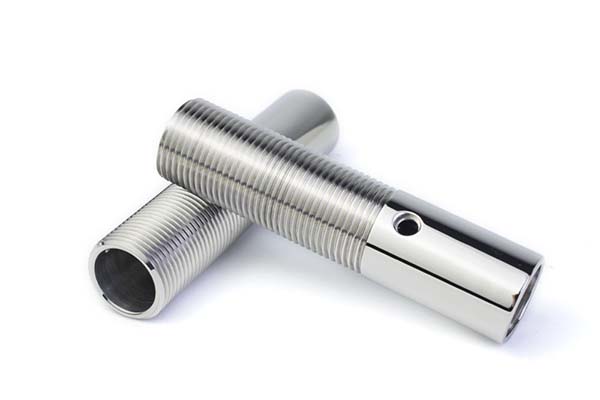
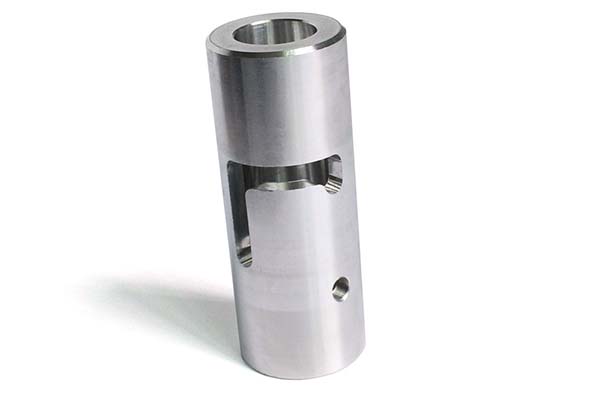
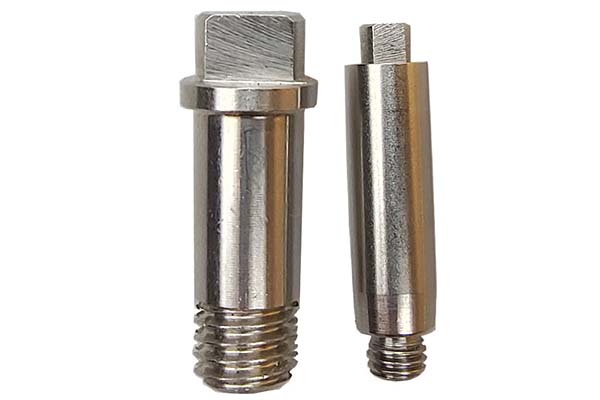
Turning is a subtractive manufacturing process where a cylindrical workpiece rotates on a lathe while a stationary cutting tool removes material to achieve the desired shape and size. The primary machine used is the lathe—which has evolved from manual operation to advanced computer-controlled systems.
What turning produces:
- Cylindrical surfaces (outer diameters)
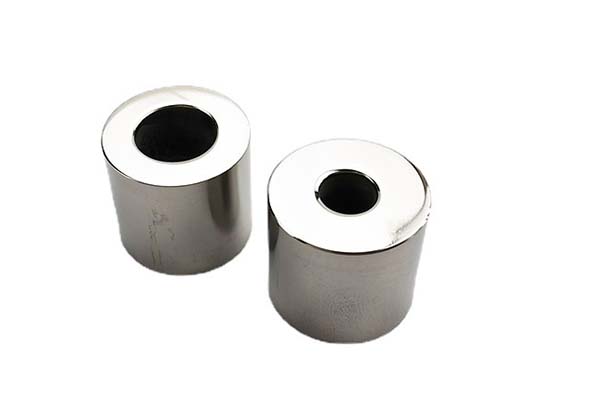
- Internal bores and holes
- Tapers, threads, and grooves
- Contoured and curved surfaces
- Faced ends
Why Turning Matters in Manufacturing
Turning holds a pivotal position because it produces components that are the backbone of mechanical systems. Over 60% of mechanical parts require some form of turning during production. Its precision and repeatability ensure components meet stringent specifications—contributing directly to the reliability and performance of final products.
What Materials Can Be Turned?
Common Materials
Turning handles a wide range of materials, each with unique machinability characteristics.
| Material Category | Examples | Typical Applications |
|---|---|---|
| Metals | Steel, stainless steel, aluminum, brass, copper, titanium | Automotive, aerospace, industrial components |
| Plastics | Acrylic, nylon, polycarbonate, PEEK, acetal | Medical devices, electronics, consumer products |
| Composites | Carbon fiber, fiberglass | Aerospace, high-performance parts |
How Material Properties Affect Turning
Material properties determine machining parameters and tool selection:
| Property | Impact on Turning |
|---|---|
| Hardness | Harder materials (stainless steel, titanium) require slower speeds, more rigid setups, and wear-resistant tools (carbide, ceramic) |
| Toughness | Tough materials (some alloys) generate higher cutting forces; require positive rake angles to reduce pressure |
| Thermal conductivity | Low conductivity materials (titanium, some plastics) trap heat; require high-pressure coolant to prevent tool overheating |
| Softness | Soft materials (aluminum, brass) can be machined at higher speeds; require sharp tools to prevent surface deformation |
Example: Machining stainless steel requires slower speeds and carbide tools. Machining aluminum allows higher speeds and produces excellent surface finishes.
What Are the Key Benefits of Turning?
High Precision and Accuracy
Modern turning achieves precision that manual methods cannot match. CNC lathes produce components with tolerances as tight as ±0.001 mm —critical in industries where component performance and reliability are paramount.
Aerospace example: Turbine shafts require tolerances of ±0.002 mm. CNC turning maintains this consistently across production runs. A deviation beyond tolerance could affect engine balance, efficiency, and safety.
Cost-Effectiveness
Turning is cost-effective for cylindrical components. Key cost advantages:
- Automation: CNC lathes reduce labor costs. One operator manages multiple machines.
- Standard tooling: Turning uses standardized cutting tools—no expensive custom tooling for most applications.
- Material efficiency: Turning produces minimal waste compared to other processes.
Comparison: For a batch of 500 steel shafts, CNC turning costs 30–50% less than traditional manual turning when labor, setup, and scrap are factored in.
Versatility in Design and Applications
Turning adapts to a wide range of design requirements:
| Feature | Turning Capability |
|---|---|
| Simple cylinders | Basic outer diameter turning |
| Tapers | Taper turning for conical surfaces |
| Threads | Internal and external threading |
| Grooves | Grooving and parting operations |
| Contours | Complex curved surfaces via CNC programming |
| Multiple diameters | Step turning for stepped shafts |
Flexibility: The same CNC lathe produces a simple shaft in the morning and a complex contoured component in the afternoon—with only a program change.
High Repeatability
Once a CNC program is verified, the machine produces identical parts—whether the batch size is 10 or 10,000. No operator fatigue, no variation between parts.
Good Surface Finish
Modern turning achieves surface finishes as low as Ra 0.2–0.8 μm with proper tool selection and parameters. This often eliminates secondary finishing operations.
Where Is Turning Machining Applied?
Automotive Industry
Turning is extensively used to manufacture engine and drivetrain components:
| Component | Precision Requirement | Why Turning |
|---|---|---|
| Crankshafts | ±0.005 mm on bearing surfaces | High loads, rotating balance |
| Camshafts | ±0.005 mm on lobes | Valve timing precision |
| Connecting rods | ±0.01 mm on bores | Engine durability |
| Transmission shafts | ±0.01 mm on diameters | Smooth shifting |
| Brake components | ±0.02 mm | Safety-critical fit |
Example: A crankshaft’s bearing surfaces must be perfectly concentric. Turning achieves the required roundness and surface finish for reliable engine operation.
Aerospace Industry
Aerospace demands components with extreme precision and reliability:
| Component | Precision Requirement | Why Turning |
|---|---|---|
| Turbine shafts | ±0.002 mm | High-speed rotation, balance |
| Landing gear components | ±0.005 mm | Safety-critical, high loads |
| Engine mounts | ±0.01 mm | Structural integrity |
| Hydraulic fittings | ±0.005 mm | Leak-free connections |
Example: Turbine shafts must withstand high temperatures and rotational speeds. Turning achieves the tight tolerances and smooth finishes required for reliable performance.
Medical Industry
Medical devices and implants require precision, biocompatibility, and smooth surfaces:
| Component | Precision Requirement | Why Turning |
|---|---|---|
| Orthopedic implants (hip, knee) | ±0.005–0.01 mm | Proper fit, reduced wear |
| Surgical instruments | ±0.01 mm, Ra 0.4 μm | Precision handling, sterilization |
| Dental implants | ±0.005 mm | Osseointegration, fit |
| Bone screws | ±0.01 mm thread profile | Secure fixation |
Example: A hip implant requires precise dimensions and smooth surfaces (Ra <0.4 μm) to minimize wear and ensure proper fit within the human body. Turning achieves both.
Industrial Machinery
Pump shafts, hydraulic cylinders, valve stems, and power transmission components rely on turning for their cylindrical precision.
What Turning Techniques and Equipment Exist?
Types of Turning Machines
| Machine Type | Best For | Precision Capability |
|---|---|---|
| Manual lathe | Prototyping, small batches, simple parts | ±0.05–0.1 mm (operator dependent) |
| CNC lathe | Production runs, complex parts, high precision | ±0.001–0.005 mm |
| Multi-axis lathe | Complex geometries, live tooling (milling, drilling) | ±0.002–0.005 mm |
| Swiss-type lathe | Small, intricate parts; long slender components | ±0.001–0.002 mm |
Cutting Tools and Accessories
Tool materials:
- Carbide: Standard for production turning. High durability, good wear resistance.
- High-speed steel (HSS): Lower cost, suitable for low-volume work.
- Ceramic: High-speed turning of hardened materials.
- CBN (cubic boron nitride): Finishing hardened steels.
- PCD (polycrystalline diamond): Non-ferrous metals, plastics.
Essential accessories:
- Chucks and collets: Secure workpiece holding
- Tool holders: Rigid mounting for cutting tools
- Live centers: Support long workpieces
- Coolant systems: Heat dissipation, chip evacuation
How Does Material Choice Affect Turning?
| Material | Machinability | Key Turning Considerations |
|---|---|---|
| Aluminum | Excellent | High speeds, sharp tools, good surface finish |
| Steel (mild) | Good | Moderate speeds, carbide tools |
| Stainless steel | Moderate | Lower speeds, rigid setups, coolant essential |
| Titanium | Difficult | Very low speeds, high-pressure coolant, wear-resistant tools |
| Brass | Excellent | High speeds, excellent surface finish |
| Plastics (acetal, nylon) | Good | Sharp tools, air blast cooling to prevent melting |
A Real-World Turning Success
A medical device manufacturer needed 1,000 titanium bone screws with:
- ±0.005 mm thread profile tolerance
- Ra 0.4 μm surface finish
- 4-week delivery
Approach:
- Swiss-type CNC lathe for small-diameter precision
- Carbide inserts with TiAlN coating for titanium
- High-pressure coolant (70 bar) for heat management
- In-process probing to verify thread dimensions
Results:
- All screws met tolerance requirements
- Surface finish consistently Ra 0.3–0.4 μm
- Delivered in 3 weeks
- Zero returns in field use
Conclusion
Turning machining delivers high precision—tolerances as tight as ±0.001 mm—that manual methods cannot match. It is cost-effective, with automation reducing labor costs and standard tooling eliminating custom expenses. It is versatile, handling materials from aluminum to titanium, plastics to composites, and producing geometries from simple cylinders to complex contours. And it is indispensable across industries: automotive engines, aerospace turbines, medical implants, and industrial machinery all depend on turning for their precision components. As manufacturing demands tighter tolerances and greater complexity, turning—especially CNC turning—will remain a cornerstone of precision production.
FAQs
What are the main differences between manual and CNC turning machines?
Manual turning machines require direct operator control. The operator sets speeds, moves tools, and measures parts. Accuracy depends on operator skill; typical tolerances are ±0.05–0.1 mm. CNC turning machines are automated. Programs control all movements. They achieve tolerances of ±0.001–0.005 mm with high repeatability. CNC is ideal for complex parts, production runs, and applications requiring consistent quality.
Which industries benefit the most from turning machining?
The automotive industry benefits for engine and transmission components. The aerospace industry relies on turning for turbine shafts, landing gear, and hydraulic components. The medical industry uses turning for implants, surgical instruments, and bone screws. Industrial machinery, electronics, and consumer products also depend on turning for cylindrical precision components.
How does the choice of material affect the turning process?
Material properties directly impact machining parameters. Harder materials (stainless steel, titanium) require slower speeds, more rigid setups, and wear-resistant tools (carbide, ceramic). Softer materials (aluminum, brass) allow higher speeds and produce better surface finishes. Low thermal conductivity materials (titanium, plastics) need high-pressure coolant to prevent heat buildup. Understanding material properties is essential for optimizing tool life, cycle time, and part quality.
What surface finishes can turning achieve?
Standard turning with carbide tools achieves Ra 1.6–3.2 μm. With sharp tools, optimized parameters, and finishing passes, Ra 0.8 μm is achievable. With specialized tooling (diamond-coated, PCD) and precision finishing, Ra 0.2–0.4 μm is possible. For ultra-smooth surfaces (Ra <0.2 μm), grinding may be required after turning.
Can turning produce complex geometries beyond simple cylinders?
Yes. Modern CNC lathes with live tooling and multi-axis capability produce complex geometries: contours, tapers, threads, grooves, and off-center features. Multi-axis lathes combine turning with milling, drilling, and tapping in one setup. Swiss-type lathes handle long, slender components with high precision. Complex parts that once required multiple operations can now be completed in one turning setup.
Contact Yigu Technology for Custom Manufacturing
At Yigu Technology, we specialize in turning machining for automotive, aerospace, medical, and industrial applications. Our CNC lathes achieve tolerances down to ±0.002 mm. We work with materials from aluminum and steel to titanium and PEEK. Quality control includes in-process probing and CMM inspection to verify every critical dimension. Whether you need shafts, bushings, threaded components, or complex custom parts, we deliver turning precision that meets your specifications. Contact us to discuss your turning project.