The sourcing of high-quality CNC machined components is a strategic engineering decision that balances material properties, manufacturing capabilities, precision requirements, and total cost of ownership to achieve reliable performance in the final assembly.
In today's precision-driven manufacturing landscape, CNC machined components are the fundamental building blocks of everything from medical devices to aerospace systems. However, not all machined parts are created equal. The difference between a component that fits and functions perfectly and one that causes assembly issues or field failures often lies in the nuances of the sourcing and manufacturing process. This comprehensive guide provides engineers, designers, and procurement professionals with a detailed framework for understanding, specifying, and sourcing CNC machined components. We will explore the full spectrum of suitable materials, delve into the industries that rely on these parts, break down the true drivers of cost and quality, and provide a concrete checklist for selecting a manufacturing partner. This knowledge is essential for making informed decisions that ensure component reliability, optimize project budgets, and mitigate supply chain risk.
Introduction
The term CNC machined components refers to parts manufactured through Computer Numerical Control, a subtractive process where material is precisely removed from a solid block to create a custom shape. While the basic concept is straightforward, the execution separates adequate parts from exceptional ones. True quality in CNC machining is the result of a holistic system: it encompasses the selection of optimal materials for the application, the use of advanced multi-axis machining centers, the implementation of rigorous in-process quality control, and a deep understanding of how design geometry influences manufacturability and cost. This article serves as an engineering manual for navigating this complex landscape. We will move from foundational knowledge—defining what these components are and the common types—to advanced topics like maintaining micron-level tolerances and calculating true machining costs. Our goal is to equip you with the insights needed to specify parts confidently and build successful partnerships with manufacturers.
What Are CNC Machined Components?
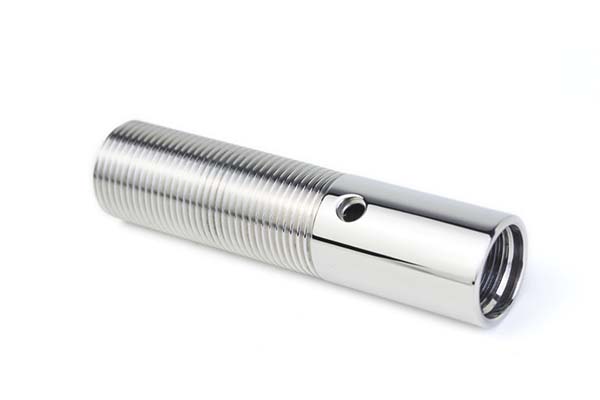
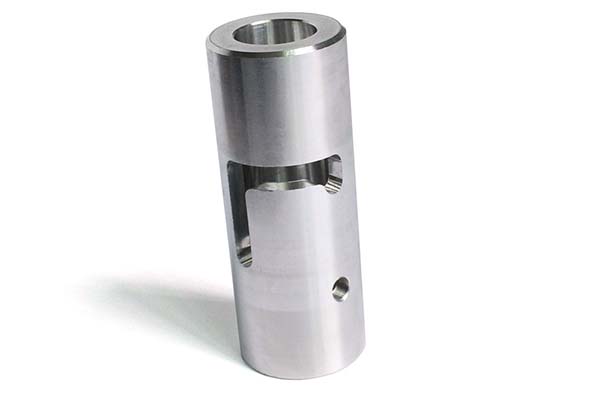
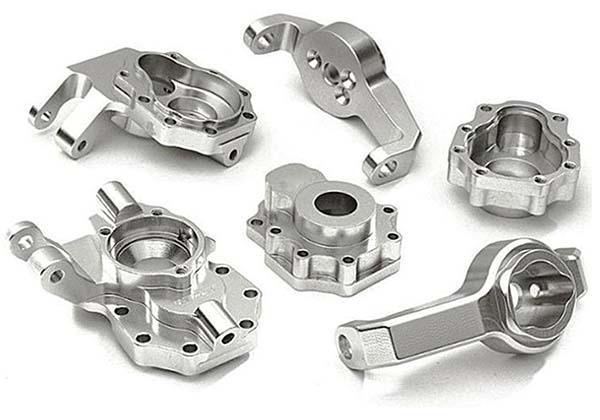
CNC machined components are custom-fabricated parts produced by automated machine tools that follow programmed instructions (G-code) to cut away material from a workpiece. The "CNC" (Computer Numerical Control) aspect means every movement of the cutting tool is digitally pre-planned and executed with high repeatability. These components are characterized by:
- High Dimensional Accuracy: Ability to achieve tight tolerances, often within ±0.001" (0.025 mm) or better.
- Excellent Repeatability: Once a program is proven, the thousandth part is virtually identical to the first.
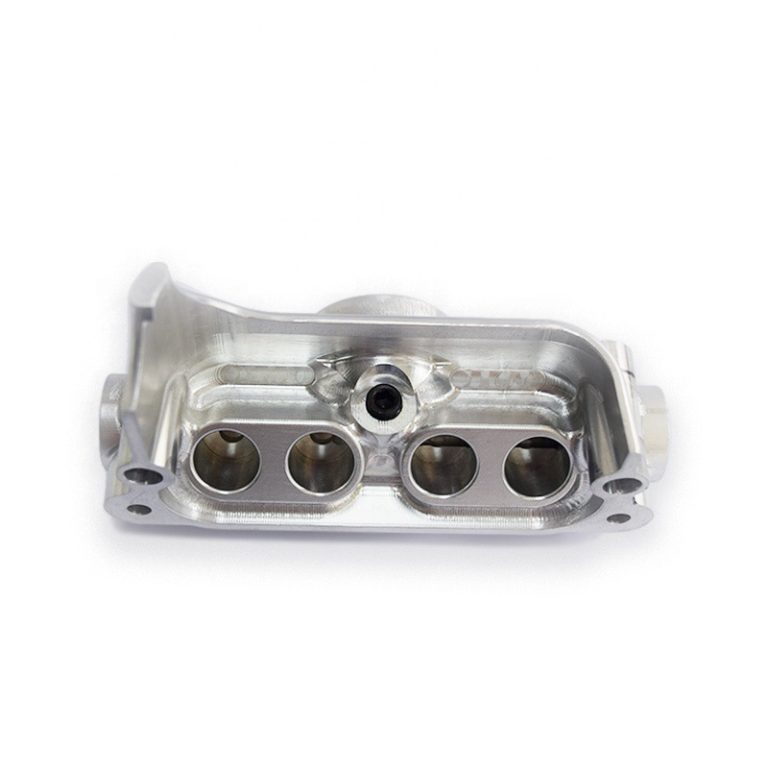
- Complex Geometries: Capability to produce intricate features like deep pockets, complex contours, and precise internal channels that are challenging for other processes.
- Superior Material Integrity: Parts are machined from solid, wrought stock (bars, plates, billets), which has consistent, predictable mechanical properties superior to cast materials.
A quintessential example is an aluminum actuator housing for a drone. This component might start as a solid block of 7075-T6 aluminum. A CNC mill machines out internal cavities for motors and electronics, creates mounting bosses with threaded holes, and shapes aerodynamic external contours—all with the precision necessary for the parts to align perfectly in final assembly.
Common Types of CNC Machined Parts
CNC processes are versatile, but they generally fall into two primary categories based on part geometry, each with sub-types.
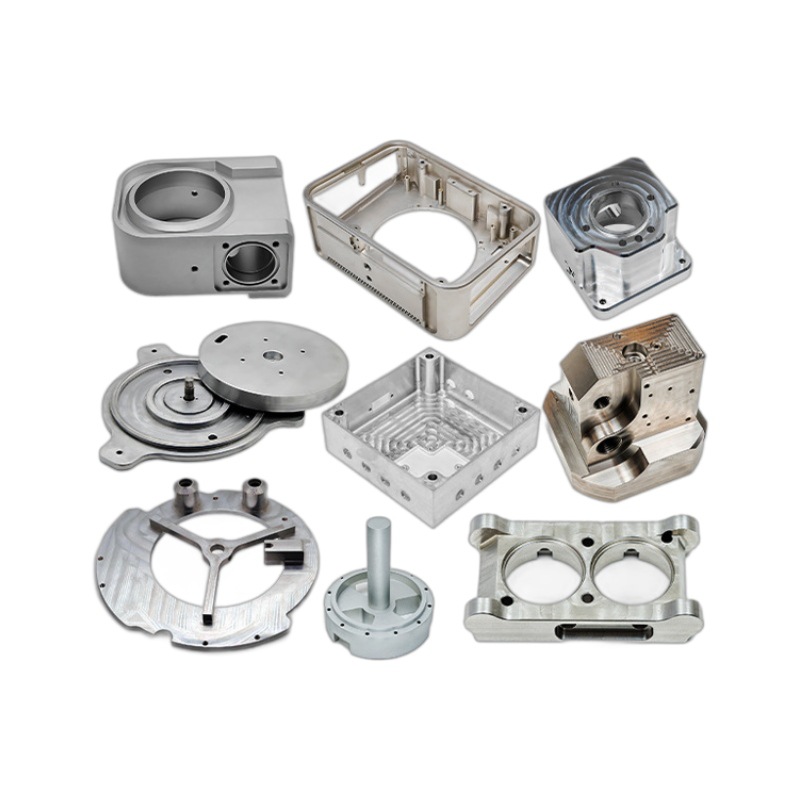
- Milled Parts: Created on CNC milling machines where a rotating cutting tool removes material.
- Prismatic Parts: Feature primarily flat surfaces and right angles (e.g., mounting brackets, enclosures, base plates).
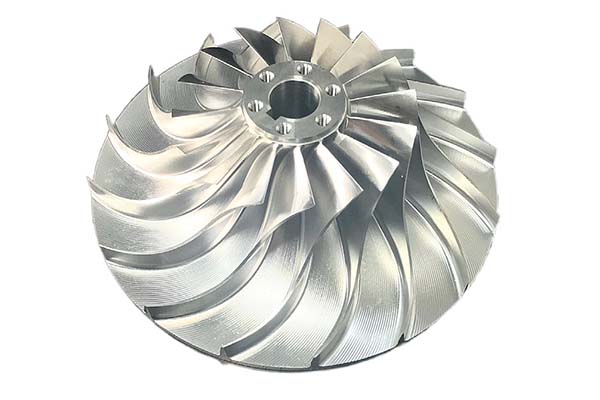
- Complex Contoured Parts: Feature organic, 3D shapes (e.g., molds, prosthetics, impellers). These typically require 3+2 axis or full 5-axis simultaneous machining.
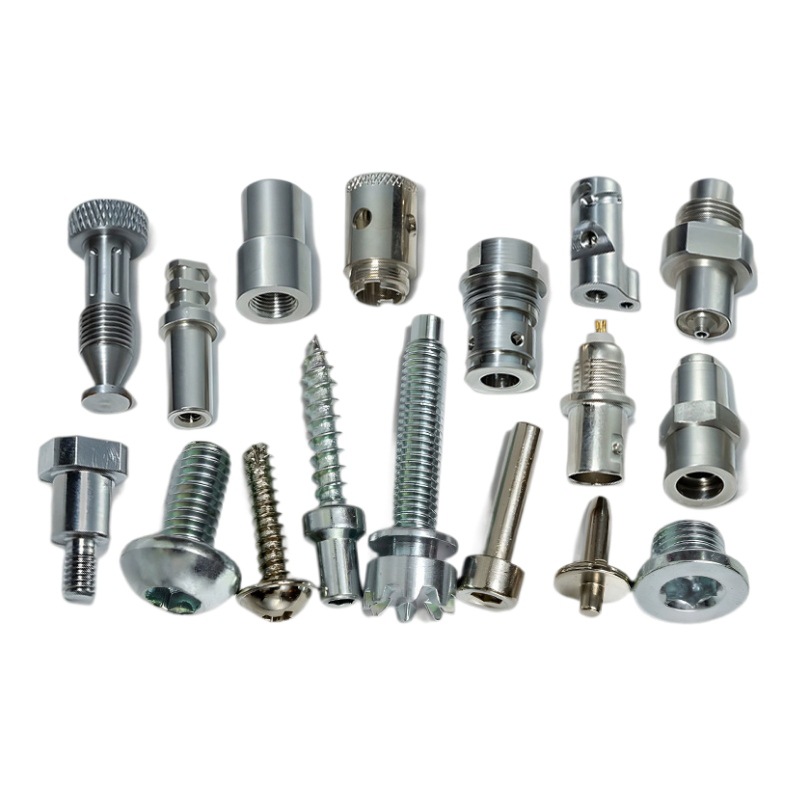
- Turned Parts (Rotational): Created on CNC lathes where the workpiece rotates and a stationary tool cuts.
- Basic Shafts/Rods: Cylindrical parts like pins, spacers, and shafts.
- Complex Turned Parts: Parts with multiple diameters, tapers, and off-center features. Often produced on mill-turn centers that combine turning and milling in one setup.
Which Materials Are Suitable for CNC Machining?
Material selection is the first critical engineering decision, impacting the part's function, weight, cost, and manufacturability.
| Material Category | Example Alloys/Polymers | Key Properties | Machinability & Best For |
|---|---|---|---|
| Aluminum Alloys | 6061-T6, 7075-T6 | Lightweight, good strength-to-weight, excellent corrosion resistance, high thermal/electrical conductivity. | Excellent. The most machinable metal; ideal for prototypes, enclosures, aerospace, and automotive parts. |
| Stainless Steels | 303, 304, 316, 17-4 PH | High strength, excellent corrosion resistance, can be heat treated. | Good to Fair. 303 is designed for machining; 304/316 are tougher. Essential for medical, marine, and food-grade applications. |
| Tool Steels | A2, D2, O1 | Very high hardness and wear resistance. | Difficult. Require annealing before machining, then heat treatment after. Used for molds, dies, and tooling. |
| Titanium Alloys | Ti-6Al-4V (Grade 5) | Exceptional strength-to-weight, biocompatible, excellent corrosion resistance. | Difficult. Poor thermal conductivity leads to heat buildup; requires slow speeds, sharp tools, and rigid setups. |
| Engineering Plastics | PEEK, Acetal (Delrin®), Nylon | Electrical insulation, chemical resistance, low friction. | Good to Fair. Require sharp tools and specific feeds/speeds to avoid melting or gumming. |
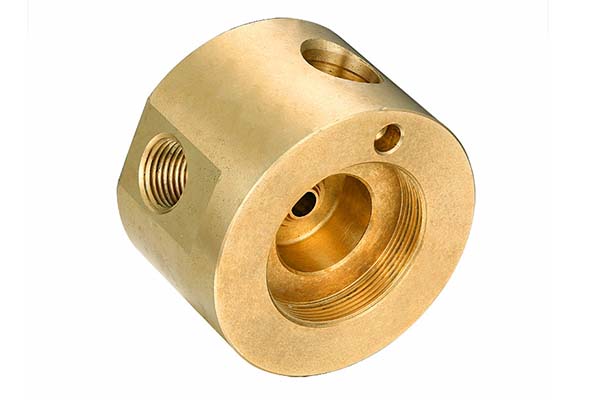
| Copper Alloys | C110 (Copper), C360 (Brass) | Excellent electrical and thermal conductivity. | Fair. Can be gummy; specific tool geometries are needed for clean cuts. |
Case Study: Material-Driven Redesign
An automotive sensor manufacturer was using a stainless steel 316 housing. While corrosion-resistant, it was heavy and caused signal attenuation. Partnering with their CNC supplier, they redesigned the part in PEEK, a high-performance plastic. This change reduced weight by 65%, eliminated signal interference, and, despite PEEK's higher material cost, reduced total part cost by 20% due to its faster machining cycle time. This highlights how collaboration on material choice can yield multi-faceted benefits.
What Industries Benefit Most from CNC Components?
CNC machining's versatility makes it indispensable across high-tech sectors where precision and reliability are non-negotiable.
- Aerospace & Defense: Components must be lightweight and incredibly reliable. CNC machined components like turbine blades, bulkheads, and radar housings are made from aluminum, titanium, and high-temperature alloys to exacting standards like AS9100.
- Medical & Dental: Parts require biocompatibility, complex geometries, and flawless surfaces. CNC produces surgical instruments, orthopedic implants (often from Ti-6Al-4V), and MRI machine components.
- Automotive & Motorsports: From prototyping to high-performance parts, CNC machining creates engine blocks, suspension components, and custom fittings. It enables rapid iteration and the use of strong, lightweight materials.
- Electronics & Semiconductors: The need for precision, heat dissipation, and non-conductive materials is critical. CNC produces heat sinks, wafer chucks, test sockets, and RF enclosures.
- Industrial Machinery: Durable, wear-resistant parts like gears, shafts, and hydraulic valve bodies are routinely CNC machined from steel and cast iron for long service life.
Key Advantages of Precision CNC Machining
Why choose CNC over other processes like casting or fabrication?
- Unmatched Precision and Consistency: CNC machines can hold tolerances impossible for manual processes and maintain them across thousands of parts.
- Speed from Digital to Physical: For prototypes and low-volume production, CNC is faster than processes requiring custom tooling (e.g., injection molds). A CAD model can often be a machined part in days.
- Design Flexibility & Complexity: Engineers are not constrained by the limitations of molding or casting drafts. Undercuts, internal channels, and complex 3D surfaces are all feasible.
- Material and Finish Versatility: A single CNC machine can work with metals, plastics, and composites, and can produce a wide range of surface finishes, from rough to mirror-smooth.
How to Maintain Tight Tolerances in Production?
Holding tolerances like ±0.001" consistently is an engineered outcome, not luck. It requires control at every stage.
- Thermal Management: The #1 cause of tolerance drift. Machine tools, workpieces, and measuring equipment must be in a temperature-controlled environment (±1°C). Aluminum, for instance, expands ~0.0025 mm per 10 mm per 1°C.
- Machine Tool Calibration: High-precision machines undergo regular laser interferometer calibration to map and compensate for errors in axis movement (pitch, yaw, straightness).
- Tooling & Fixturing Strategy: Using balanced, premium toolholders (like shrink-fit) minimizes runout and vibration. Stiff, dedicated fixtures prevent part movement during aggressive cuts.
- In-Process Metrology: On-machine probes can check features and automatically adjust tool offsets before the final finish pass, compensating for tool wear or material variation.
- Staged Machining: For critical parts, a rough machine → stress relieve → finish machine sequence removes internal stresses that could cause post-machining distortion.
What Quality Control Measures Are Essential?
Inspection finds defects; a quality system prevents them. Essential measures include:
- First Article Inspection (FAI): A comprehensive inspection of the first part off the line against all drawing dimensions, often documented on an AS9102 form (aerospace standard).
- Statistical Process Control (SPC): Measuring key dimensions on a sampling basis during the production run and plotting them on control charts. This identifies trends (e.g., tool wear) before they produce a out-of-spec part.
- Advanced Metrology Equipment: A capable shop should have, at minimum: Digital Calipers/Micrometers, Height Gauges, and a Coordinate Measuring Machine (CMM). The CMM is critical for verifying geometric tolerances (flatness, perpendicularity, true position).
- Material Certification: Traceability of raw material to a Mill Test Report (MTR) confirming its chemical and mechanical properties is mandatory for regulated industries.
How Do You Calculate CNC Machining Costs?
Understanding cost drivers enables better design and sourcing decisions. Costs break down into:
- Material Cost: The raw billet/bar stock. Exotic alloys (titanium) or large blocks are significant.
- Setup/Programming (NRE): The one-time cost for CAM programming, process planning, and fixture design/manufacture. Amortized over the batch size.
- Machine Time (Cycle Time): The largest variable cost. Calculated as: Cycle Time (hours) x Machine Hourly Rate. Factors affecting cycle time:
- Part Complexity: More features/axes = more time.
- Material Machinability: Harder materials = slower cutting speeds.
- Tolerances & Finishes: Tighter specs require slower speeds, more finishing passes.
- Finishing & Post-Processing: Costs for anodizing, plating, heat treatment, etc.
- Quality Inspection: The time and equipment used for FAI and in-process checks.
Example: A simple aluminum bracket (Qty 100) might have a cost structure of: Material (20%), Setup (30%), Machine Time (45%), Inspection (5%). The same part in titanium (Qty 100) might be: Material (50%), Setup (20%), Machine Time (25%), Inspection (5%).
Criteria for Choosing a Reliable Manufacturer
Selecting a partner is a technical audit. Evaluate beyond the quote:
- Technical Capability & Equipment: Do they have the right machines (3-axis, 5-axis, Swiss)? What is the age and condition? Ask for a virtual or in-person tour.
- Engineering Support (DfM): Do they offer proactive Design for Manufacturability feedback? A good partner will suggest design changes to reduce cost and improve reliability.
- Quality System & Certifications: Look for ISO 9001:2015 as a baseline. AS9100 (aerospace) or ISO 13485 (medical) indicate deep industry expertise.
- Communication & Project Management: Are they responsive? Do they provide clear timelines and proactively communicate issues?
- Cultural Fit: Do they exhibit a culture of problem-solving and continuous improvement? Ask for references and case studies from similar projects.
Conclusion
Specifying and sourcing CNC machined components is a multifaceted process that bridges design intent with manufacturing reality. Success hinges on a strategic approach: selecting the optimal material for function and manufacturability, designing for efficient machining processes, understanding the true drivers of cost and quality, and, ultimately, partnering with a manufacturer whose capabilities and culture align with your project's demands. By applying the framework outlined in this guide—from leveraging the key advantages of CNC precision to using the supplier selection criteria—you empower yourself to make decisions that enhance product performance, control costs, and build a resilient, high-quality supply chain. In the world of precision manufacturing, knowledge is the most critical component of all.
Frequently Asked Questions (FAQ)
What is the difference between 3-axis, 4-axis, and 5-axis CNC machining?
3-axis machining moves the tool in three linear directions (X, Y, Z), ideal for prismatic parts. 4-axis adds a rotary axis, allowing machining around a cylinder. 5-axis allows the tool to approach the workpiece from any direction in a single setup, enabling complex, contoured geometries and reducing setups. The choice impacts part capability, accuracy, and cost.
How does CNC machining compare to 3D printing for prototypes?
CNC Machining is subtractive, using solid blocks of material. It is best for functional prototypes that need the true material properties, strength, and smooth surface finish of the final part. 3D Printing (Additive) is best for form/fit prototypes, extremely complex internal geometries, and when speed for a single, complex piece is the top priority, often with material property trade-offs.
What files do I need to provide to get an accurate quote?
To get the best quote, always provide: 1) A 3D CAD file in a neutral format like STEP (.stp) or IGES (.igs), and 2) A 2D engineering drawing (.pdf). The drawing must specify critical dimensions, tolerances, materials, finishes, and any special notes. The 3D model is for geometry; the drawing is the legal specification.
What is a typical lead time for CNC machined components?
For common materials and moderate complexity, expect 1-3 weeks for prototyping and small batches. This includes programming, material sourcing, machining, and inspection. For highly complex parts, exotic materials, or large volumes, 3-6 weeks is more realistic. Always discuss timeline expectations upfront with your supplier.
Contact Yigu Technology for Custom Manufacturing.
At Yigu Technology, we are your engineering-focused partner for precision CNC machined components. We combine state-of-the-art multi-axis machining capabilities with deep technical expertise to deliver parts that meet the most demanding specifications for industries like aerospace, medical, and advanced electronics.
Our process begins with collaborative Design for Manufacturability (DfM) analysis, ensuring your part is optimized for performance, quality, and cost-effective production. We manage the entire workflow in-house—from material selection and precision machining to advanced finishing and rigorous quality inspection—providing you with a seamless experience and guaranteed results.
Ready to source CNC components with confidence? Contact Yigu Technology today to discuss your project requirements and receive a detailed, engineer-to-engineer quote.