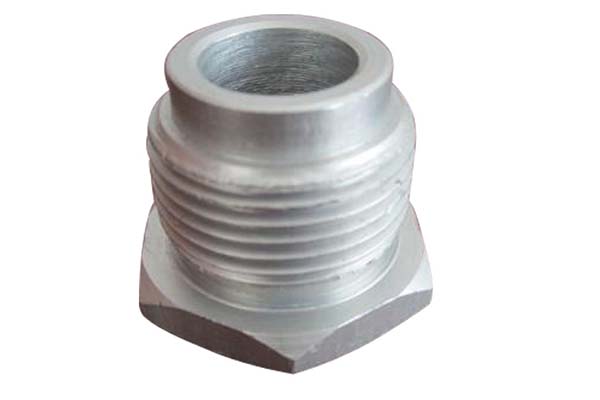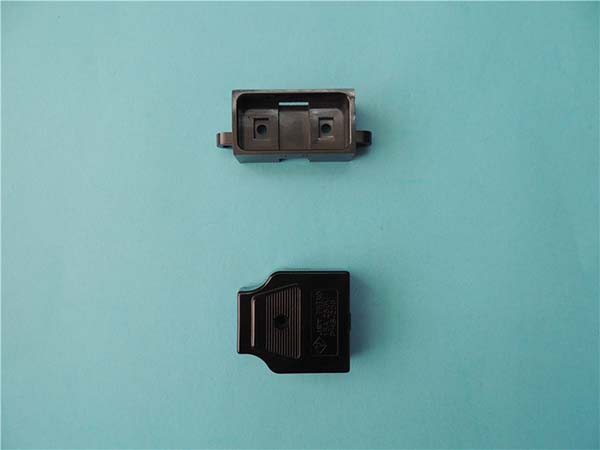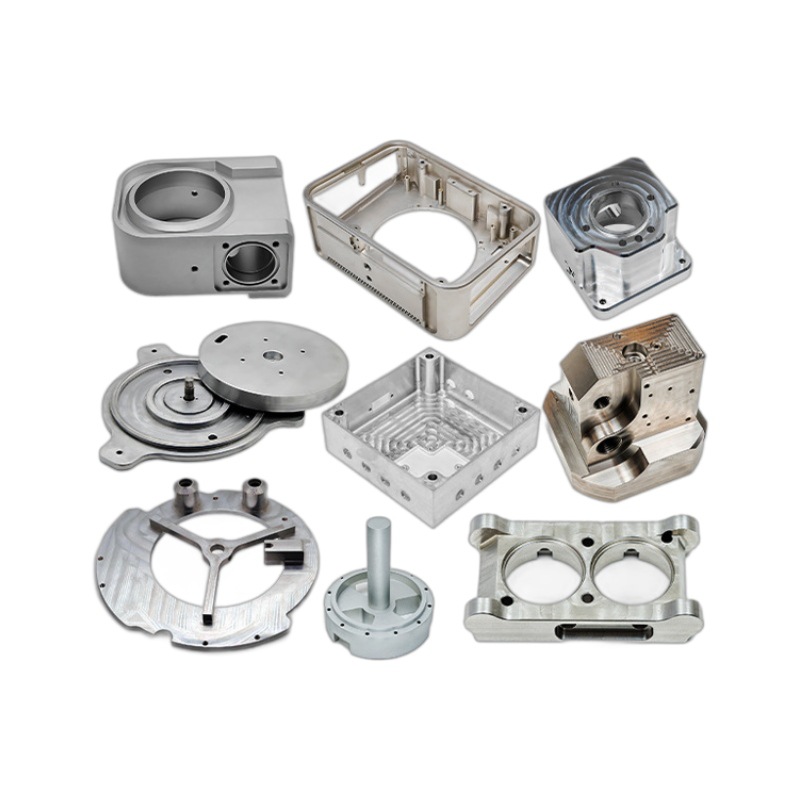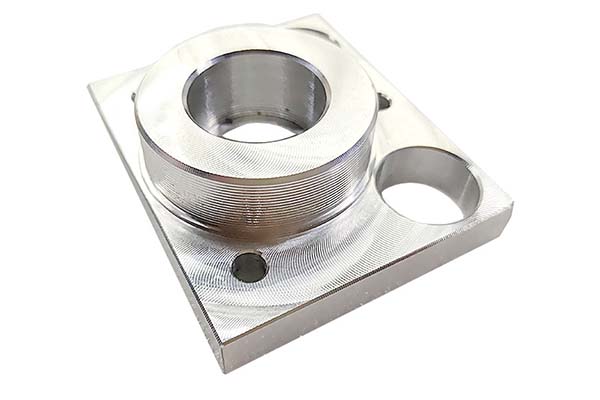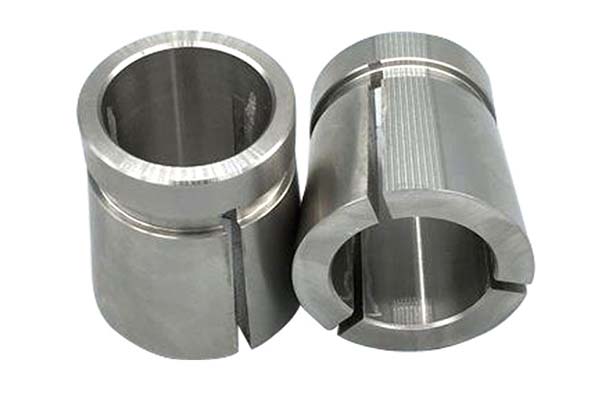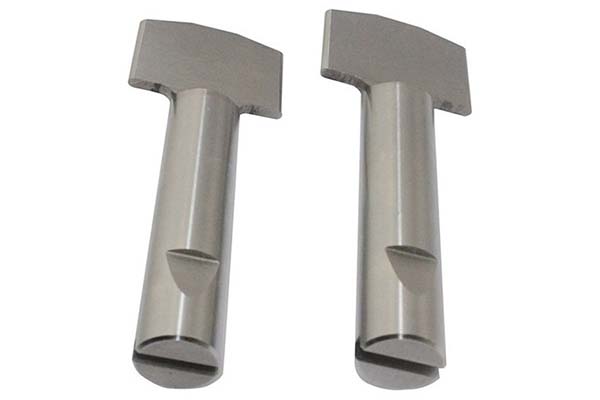
Machined components are the precision-engineered building blocks of modern industry, created through subtractive processes that transform raw materials into complex, reliable parts essential for everything from medical devices to aerospace systems.
In the world of manufacturing, machined components represent the intersection of material science, precision engineering, and practical application. These are not just pieces of metal or plastic; they are functional elements where dimensional accuracy, material integrity, and geometric complexity must align perfectly to serve a specific purpose. For engineers, product designers, and procurement specialists, understanding the full scope of machined components—from the processes that create them to the criteria for selecting a manufacturing partner—is crucial for successful product development. This comprehensive guide provides a detailed exploration of the ecosystem surrounding machined components, offering practical insights into material selection, design optimization, quality assurance, and cost management. Whether you're sourcing a simple bracket or a complex aerospace fitting, this knowledge will help you make informed decisions that ensure reliability, performance, and value.
Introduction
When we talk about machined components, we're referring to parts manufactured through controlled material removal processes, typically using Computer Numerical Control (CNC) technology. Unlike cast or molded parts, machined components start as solid blocks, bars, or rods of material, and through precise cutting operations, they're transformed into finished parts with exacting specifications. What distinguishes this category is the exceptional dimensional accuracy, material consistency, and design flexibility it offers. This article will guide you through the complete landscape of machined components, beginning with a clear definition and moving through the various machining processes. We'll explore which materials work best for different applications, examine the industries that rely most heavily on these parts, and provide practical guidance on design considerations and quality assurance. Finally, we'll break down cost factors and offer a framework for selecting the right manufacturing partner. By the end, you'll have a comprehensive understanding of how machined components are created, specified, and sourced for optimal results.
What Are Machined Components?
Machined components are custom parts fabricated through subtractive manufacturing processes where material is systematically removed from a solid workpiece to achieve the desired shape, dimensions, and surface characteristics. The term encompasses parts produced through various methods, with CNC machining being the most prevalent in modern manufacturing. These components are characterized by:
- High Precision: Ability to achieve tight tolerances, often within ±0.001 inches (0.025 mm) or better
- Superior Material Properties: Machined from wrought materials with consistent grain structure, offering better mechanical properties than cast alternatives
- Geometric Complexity: Capability to produce intricate features like deep pockets, precise threads, and complex contours
- Surface Finish Versatility: Can achieve a wide range of surface finishes, from rough "as-machined" to mirror-like polished surfaces
A typical example is a valve body for hydraulic systems. Starting as a solid block of stainless steel, it undergoes multiple machining operations to create precisely sized internal passages, sealing surfaces, threaded ports, and mounting features—all dimensionally accurate to ensure proper fluid control and leak-free operation.
Common Machining Processes
Different machining processes are suited to different part geometries and production requirements. Understanding these options helps in selecting the most efficient manufacturing approach.
| Process | Description | Best Applications | Key Advantages |
|---|---|---|---|
| CNC Milling | Rotating cutting tools remove material from a stationary workpiece along multiple axes. | Prismatic parts, complex contours, pockets, and slots. | Excellent for complex 3D shapes, high precision, versatile material handling. |
| CNC Turning | Workpiece rotates while a stationary cutting tool removes material. | Cylindrical parts, shafts, bushings, and rotational symmetric components. | High productivity for round parts, excellent surface finish on diameters. |
| Swiss Machining | Specialized turning where the workpiece moves through a guide bushing as tools cut. | Long, slender parts with complex features and tight tolerances. | Exceptional precision for small diameters, minimizes deflection. |
| Multi-Axis Machining | Combines milling and turning operations in a single setup, often with 5+ axes of movement. | Complex aerospace and medical components with compound angles. | Reduces setups, improves accuracy between features, enables complex geometries. |
| Precision Grinding | Uses abrasive wheels to remove small amounts of material for ultra-fine finishes. | Hardened materials, bearing surfaces, tools, and gauges. | Achieves the tightest tolerances and finest surface finishes. |
Real-World Application: Consider a titanium spinal implant. This component might begin as a titanium rod that undergoes CNC turning to create its basic cylindrical form, then moves to a 5-axis mill to create the complex porous surface structure that promotes bone ingrowth, followed by precision grinding of critical bearing surfaces. This multi-process approach optimizes both efficiency and final part quality.
Which Materials Are Most Suitable?
Material selection fundamentally determines a component's performance, cost, and manufacturability. The right choice balances functional requirements with practical machining considerations.
- Aluminum Alloys (6061, 7075): Excellent strength-to-weight ratio, good corrosion resistance, and outstanding machinability make these the most common choice for many applications, from aerospace to consumer electronics.
- Stainless Steels (304, 316, 17-4 PH): Offer exceptional corrosion resistance and strength, essential for medical, marine, and food processing applications. Machinability varies, with 303 stainless specifically formulated for better cutting performance.
- Titanium Alloys (Ti-6Al-4V): Provide the highest strength-to-weight ratio of any structural metal, plus excellent corrosion resistance and biocompatibility. Challenging to machine due to low thermal conductivity and tendency to work-harden.
- Engineering Plastics (PEEK, Acetal, UHMW): Offer unique properties like electrical insulation, chemical resistance, and low friction. Require specialized machining techniques to prevent heat buildup and deformation.
- Tool Steels (A2, D2, M2): Extremely hard and wear-resistant, used for cutting tools, dies, and molds. Typically machined in annealed state then heat-treated.
Material Selection Case: A manufacturer of high-performance racing bicycles needed to reduce weight in critical components. They switched from aluminum to machined titanium for derailleur parts and dropouts. While titanium costs approximately 5-8 times more than aluminum and is more challenging to machine, its superior strength-to-weight ratio allowed for thinner, lighter designs that withstood greater stress, giving competitive riders a measurable performance advantage.
What Industries Depend on Machined Parts?
Machined components serve as critical elements across numerous high-tech industries where precision and reliability are non-negotiable.
- Aerospace & Defense: From engine components to airframe structures, machined parts must meet extreme standards for weight, strength, and reliability under demanding conditions. Industry standards like AS9100 govern production.
- Medical & Dental: Surgical instruments, implants, and diagnostic equipment require biocompatible materials, exceptional precision, and flawless surfaces. Regulatory compliance (FDA, ISO 13485) is essential.
- Automotive & Transportation: Both prototyping and production benefit from machined components, particularly for engine parts, transmission components, and custom racing applications where performance outweighs volume economics.
- Energy & Industrial: Turbine components, valve bodies, pump parts, and heavy machinery elements rely on machined parts for durability and precision in harsh operating environments.
- Electronics & Telecommunications: Heat sinks, enclosures, connectors, and waveguide components require precise dimensions and specific material properties for optimal electrical and thermal performance.
Design Considerations for Manufacturability
Thoughtful design significantly impacts machining efficiency, cost, and quality. Design for Manufacturability (DfM) principles should guide component design.
- Simplify Geometry: Where possible, design parts that can be machined in fewer setups. Each re-fixturing adds time, cost, and potential for alignment error.
- Standardize Features: Use common hole sizes, thread types, and corner radii to allow for standard tooling, reducing setup time and tooling costs.
- Consider Tool Access: Ensure all features are accessible to cutting tools. Deep, narrow cavities or internal sharp corners may be impossible or prohibitively expensive to machine.
- Minimize Tight Tolerances: Apply tight tolerances only where functionally necessary. Tolerances beyond ±0.005 inches (0.13 mm) exponentially increase cost due to slower machining speeds, special tooling, and increased inspection requirements.
- Account for Material Behavior: Different materials behave differently during machining. For instance, thin walls in aluminum may vibrate (chatter), while the same design in steel might be stable.
How to Ensure Quality and Precision?
Consistent quality in machined components results from systematic process control rather than final inspection alone.
- First Article Inspection (FAI): Comprehensive verification of the first part against all drawing specifications, often using Coordinate Measuring Machine (CMM) technology for complete dimensional validation.
- In-Process Controls: Utilize machine probing and sensors to monitor tool wear and part dimensions during production, allowing for adjustments before non-conforming parts are produced.
- Statistical Process Control (SPC): Track key dimensions over time to identify trends and maintain processes within control limits, ensuring long-term consistency.
- Advanced Metrology: Invest in appropriate measurement equipment—from basic calipers and micrometers to optical comparators and 3D scanners—matched to the required precision level.
- Environmental Control: Maintain stable temperature and humidity in machining and inspection areas, as thermal expansion can significantly affect dimensional accuracy, particularly with aluminum.
Precision Example: In producing fuel injector nozzles for diesel engines, hole diameters must be held within ±0.0001 inches (0.0025 mm). Achieving this requires temperature-controlled machining rooms, specialized micro-drilling equipment, and measurement using air gauging or laser micrometers capable of sub-micron resolution.
What Factors Affect Production Costs?
Understanding cost drivers enables better budgeting and design optimization. Primary factors include:
- Material Costs: Raw material expense varies dramatically—from economical aluminum to premium titanium or PEEK. Material waste (buying larger stock than needed) also contributes.
- Part Complexity: More complex geometries require more machining time, specialized tooling, and potentially multiple setups, all increasing cost. A part with simple, accessible features will cost significantly less than one with deep pockets and complex contours.
- Tolerances and Finishes: Tighter tolerances and finer surface finishes require slower machining speeds, additional operations, and more extensive inspection. A tolerance of ±0.001" can cost 3-5 times more than ±0.010" for the same feature.
- Batch Size: Small quantities bear a higher proportion of fixed costs (programming, setup, first article inspection). Per-part cost decreases significantly as quantity increases due to amortization of these fixed costs.
- Secondary Operations: Heat treatment, plating, anodizing, or special packaging add both time and cost to the overall production process.
How to Select the Right Manufacturing Partner?
Choosing a manufacturer is a strategic decision with long-term implications for quality, reliability, and total cost.
Evaluation Criteria Checklist:
- Technical Capability: Do they have appropriate equipment for your part's complexity? Ask about their machine types, sizes, and capabilities.
- Quality Systems: Look for relevant certifications (ISO 9001, AS9100, IATF 16949) and ask about their inspection equipment and procedures.
- Engineering Expertise: Can they provide meaningful DfM feedback? A partner who helps optimize your design adds significant value.
- Industry Experience: Have they produced similar parts for your industry? Relevant experience means understanding your specific requirements and standards.
- Communication & Transparency: Are they responsive and clear about capabilities, timelines, and potential challenges? Good partners communicate proactively.
- Financial Stability: A manufacturer with solid finances is more likely to invest in maintenance, upgrades, and skilled personnel.
- Cultural Fit: Do their values around quality, problem-solving, and customer service align with yours? This affects day-to-day collaboration.
Conclusion
Machined components represent a critical category in modern manufacturing, offering unparalleled precision, material versatility, and design freedom. Successfully leveraging these components requires a holistic understanding that spans from initial material selection through final quality verification. By applying Design for Manufacturability principles, implementing robust quality control measures, understanding true cost drivers, and carefully selecting manufacturing partners, engineers and procurement professionals can ensure they receive components that meet exact specifications while optimizing value. In an increasingly demanding industrial landscape, mastery of machined components—from concept through production—provides a distinct competitive advantage, enabling innovative designs, reliable performance, and efficient manufacturing. The knowledge contained in this guide provides a solid foundation for making informed decisions that will benefit your projects and products for years to come.
Frequently Asked Questions (FAQ)
What's the difference between CNC machining and conventional machining?
CNC (Computer Numerical Control) machining uses programmed computer instructions to control machine tools with minimal operator intervention, offering superior repeatability, complexity, and precision. Conventional machining relies on manual operation of machines like lathes and mills, requiring more operator skill for each part and being better suited for simple, one-off jobs where programming time wouldn't be justified.
How do I choose between machining and casting for my part?
Choose machining for: lower volumes (typically under 1,000 pieces), tighter tolerances, better material properties, and faster turnaround from design to part. Choose casting for: higher volumes (justifying mold costs), more complex internal geometries possible with molds, and when specific material characteristics of cast alloys are needed. Many high-performance parts combine both: casting to rough shape, then machining critical features.
What is the typical lead time for machined components?
For standard complexity parts in common materials, expect 1-3 weeks for prototypes and small batches. Complex parts or those requiring special materials or secondary processes may take 3-6 weeks. Lead time consists of material procurement, programming, machining, inspection, and any finishing operations. Always discuss timeline expectations early with your supplier.
How can I reduce the cost of machined components?
Key strategies include: 1) Simplify the design to reduce machining time and setups, 2) Use standard, readily available materials, 3) Specify tolerances only where truly necessary, 4) Design for efficient material usage (minimize waste from large stock sizes), and 5) Order larger quantities when possible to amortize setup costs. Engaging your manufacturer early for DfM feedback is the most effective single step.
Contact Yigu Technology for Custom Manufacturing.
At Yigu Technology, we specialize in the precision manufacturing of high-quality machined components for demanding applications across aerospace, medical, automotive, and industrial sectors. Our comprehensive capabilities span from advanced multi-axis CNC machining to complete finishing and assembly services, all supported by rigorous quality control systems.
We distinguish ourselves through engineering partnership—our team works collaboratively with clients from the design phase, providing expert Design for Manufacturability analysis to optimize parts for performance, reliability, and cost-effectiveness. With state-of-the-art equipment, certified quality systems, and a commitment to transparent communication, we ensure your machined components meet the highest standards of precision and quality.
Ready to discuss your machined component requirements? Contact Yigu Technology today for a detailed consultation and quotation. Let us be your trusted partner in turning innovative designs into precision-engineered reality.