Introduction
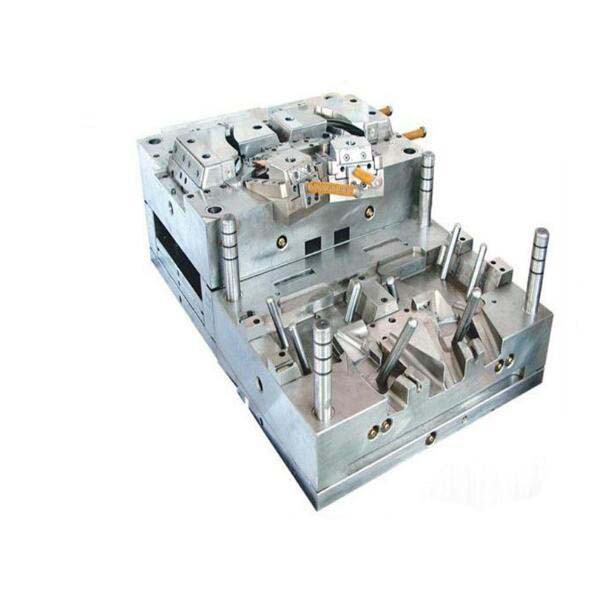
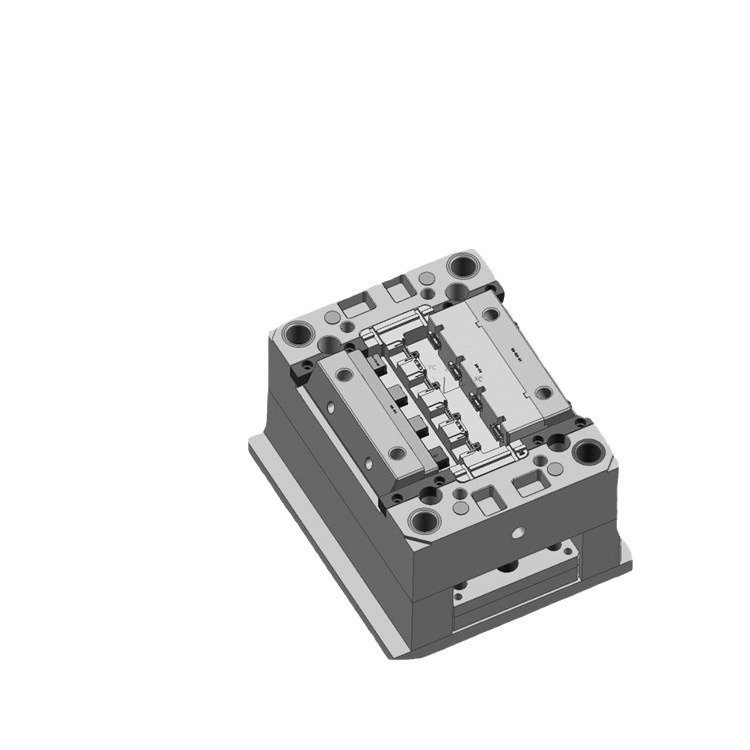
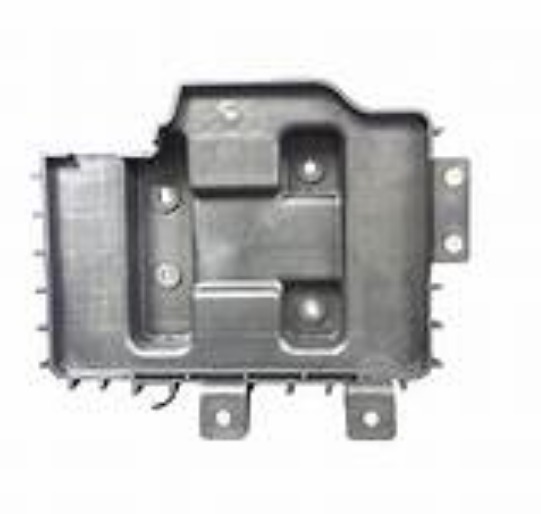
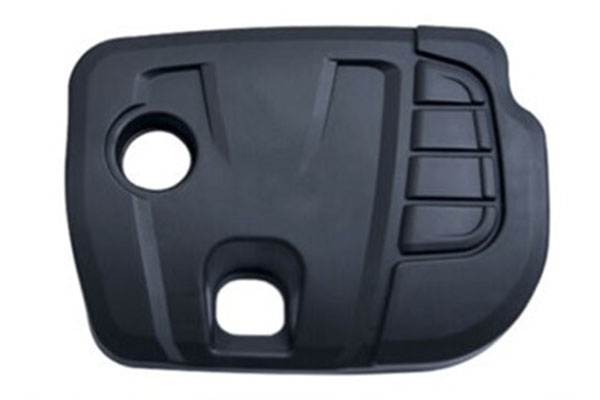
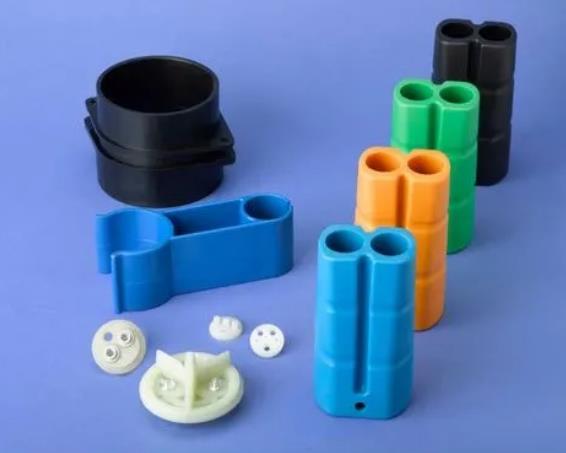
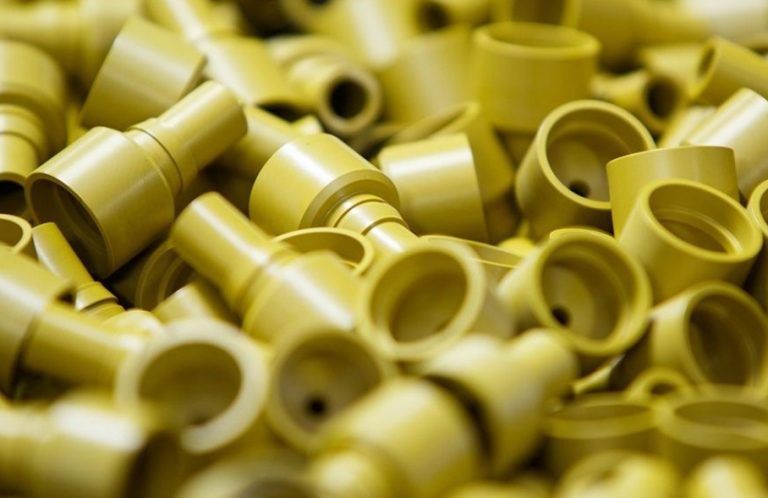
Custom plastic injection molding is the process of creating plastic parts designed specifically for your product. Unlike off-the-shelf components, custom molding gives you complete control over shape, material, and performance.
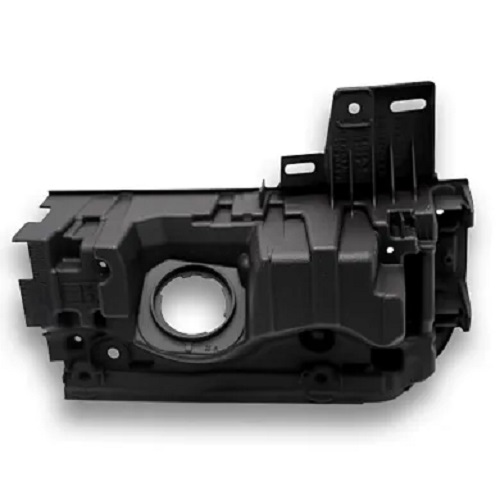
This process powers industries you interact with daily. The case of your smartphone, the buttons on your car dashboard, and many medical devices all start as custom-molded parts.
For beginners, the world of injection molding can seem complex. This guide breaks it down into simple steps. You will learn how parts are designed, how molds are made, and what happens during production. By the end, you will understand the process well enough to start your own project with confidence.
How Does the Custom Molding Process Work?
The basic idea is simple: melt plastic, push it into a mold, let it cool, and pop out a part. But the details matter.
What Are the Four Main Stages?
| Stage | What Happens | Why It Matters |
|---|---|---|
| Melting | Plastic pellets heat to a liquid state | Consistency depends on proper temperature |
| Injection | Melted plastic pushed into mold under high pressure | Fills every detail of the cavity |
| Cooling | Plastic solidifies inside the mold | Determines final shape and dimensions |
| Ejection | Mold opens; part is pushed out | Must be done without damaging the part |
The entire cycle repeats every few seconds to minutes, depending on part size and complexity.
What Happens in the Design Phase?
Design is where success or failure begins. A well-designed part molds easily and performs well. A poorly designed part causes defects and drives up costs.
What Factors Must Designers Consider?
Functionality – The part must do its job. A medical device connector needs precise fluid pathways. A snap-fit closure must flex without breaking.
Appearance – For consumer products, looks matter. Surface finish, color, and texture all require planning.
Dimensional accuracy – Some parts need tight tolerances. Aerospace and electronics components may require ±0.001 inches or better.
Manufacturability – A beautiful design that cannot be molded is useless. Designers must consider:
- Wall thickness (uniform walls prevent warping)
- Draft angles (allow part to release from mold)
- Ribs and bosses (add strength without adding thickness)
How Is CAD Software Used?
Designers create detailed 3D models using CAD (Computer-Aided Design) software like SolidWorks or AutoCAD. These tools allow:
- Precise measurements and tolerances
- Easy modification of designs
- Visualization from every angle
- Simulation of material flow and stress points
A real-world example: A company designing a new handheld medical device used CAD to simulate how the plastic would flow through the mold. The simulation revealed a potential air trap in a thin-wall section. They adjusted the design before cutting steel, saving $15,000 in mold rework.
How Are Molds Manufactured?
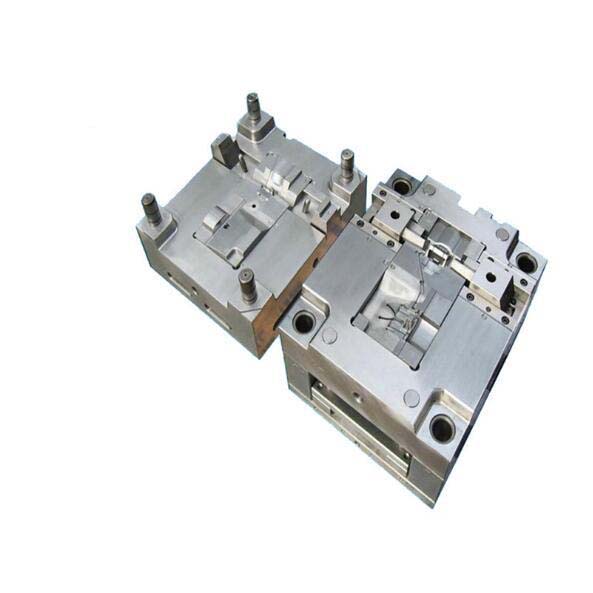
The mold is the heart of the process. Its quality directly determines part quality.
What Materials Are Used for Molds?
| Material | Best For | Pros | Cons |
|---|---|---|---|
| Steel (P20, H13) | High-volume production | Extremely durable; withstands millions of cycles | Higher cost; longer machining time |
| Aluminum | Prototypes, low-volume runs | Lower cost; faster cooling; quicker machining | Less durable; wears faster |
Steel molds typically last 500,000 to over 1 million cycles. Aluminum molds may last 10,000 to 50,000 cycles.
What Machining Techniques Are Used?
CNC machining – Computer-controlled mills and lathes cut the mold from solid metal. Tolerances can reach ±0.001 inches.
EDM (Electrical Discharge Machining) – Uses electrical sparks to erode metal. Ideal for complex shapes, sharp corners, and fine details that CNC tools cannot reach.
A case example: A mold for a complex connector required internal features with sharp 90-degree corners. CNC alone could not achieve the geometry. The mold maker used EDM to create those features, achieving the required precision.
What Happens During Injection Molding?
Once the mold is ready, production begins. Each cycle follows a precise sequence.
How Are Plastic Pellets Melted?
Plastic enters the machine through a hopper and moves into a heated barrel. Temperatures range from 150°C to 350°C, depending on the material.
| Material | Typical Melt Temperature |
|---|---|
| Polyethylene (PE) | 160–200°C |
| Polypropylene (PP) | 170–210°C |
| ABS | 200–250°C |
| Polycarbonate (PC) | 240–300°C |
If the temperature is too low, plastic does not flow properly, causing voids and weak parts. If too high, the material can degrade, creating discoloration or weakness.
What Happens During Injection?
A screw pushes the molten plastic into the mold at pressures between 10,000 and 20,000 psi. This high pressure ensures every detail of the cavity fills completely.
Injection speed also matters. Too fast, and air gets trapped, creating bubbles. Too slow, and the plastic may freeze before filling the cavity.
What Is Packing and Holding Pressure?
After the cavity fills, the machine applies holding pressure. This compensates for shrinkage as the plastic cools.
If holding pressure is too low: parts may have sink marks or be under-filled.
If holding pressure is too high: parts may develop internal stress and warp.
How Does Cooling Work?
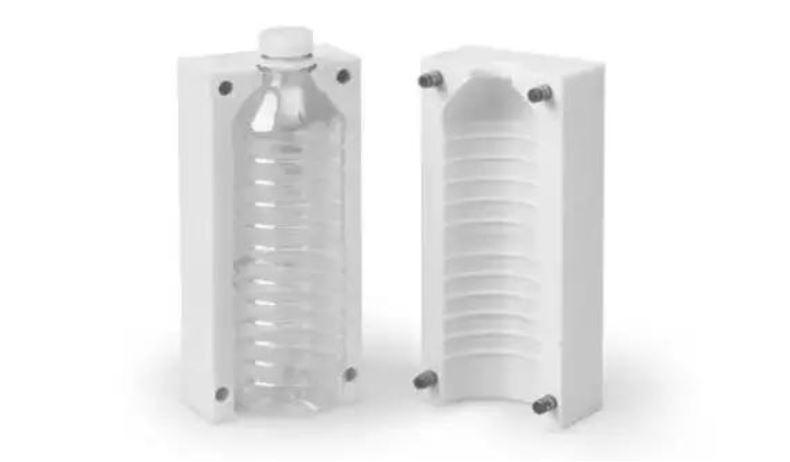
Cooling channels inside the mold circulate water or oil to remove heat. This step takes the longest—often 50–80% of the total cycle time.
Cooling must be uniform. Uneven cooling causes:
- Warpage
- Internal stress
- Dimensional variation
How Is the Part Ejected?
Once the plastic solidifies, the mold opens. Ejector pins push the part out. Pin placement is critical. Poor placement can cause:
- Part deformation
- Visible marks on cosmetic surfaces
- Sticking in the mold
What Materials Are Used in Custom Molding?
Material choice affects cost, performance, and processing.
What Are Common Plastic Types?
| Material | Key Properties | Typical Applications |
|---|---|---|
| ABS | Impact resistance, good surface finish | Electronics housings, toys, automotive trim |
| Polypropylene (PP) | Chemical resistance, lightweight, flexible | Food containers, medical devices, automotive parts |
| Polycarbonate (PC) | High strength, optical clarity | Safety glasses, medical components, clear housings |
| Nylon (PA) | Wear resistance, strength | Gears, bushings, structural parts |
| Polyethylene (PE) | Low cost, chemical resistance | Bottles, containers, industrial parts |
How Do You Choose the Right Material?
Ask these questions:
- What mechanical stresses will the part face?
- Will it contact chemicals or solvents?
- Does it need to be clear, colored, or textured?
- Will it be sterilized? (medical applications)
- What is the budget for material?
A case example: A manufacturer making outdoor electrical enclosures initially chose ABS. After UV exposure caused yellowing and cracking, they switched to ASA (Acrylonitrile Styrene Acrylate) , which has built-in UV resistance. Material cost increased 12%, but warranty claims dropped 70%.
What Determines Part Quality?
Quality comes from controlling every variable in the process.
What Are Common Defects?
| Defect | Cause | Prevention |
|---|---|---|
| Sink marks | Insufficient packing pressure | Increase holding pressure or time |
| Warpage | Uneven cooling | Balance cooling channels; adjust mold temperature |
| Short shots | Incomplete filling | Increase injection pressure or temperature |
| Flash | Plastic leaks out of cavity | Check clamp force; repair worn mold |
| Burns | Trapped air heats and scorches plastic | Add or enlarge vents |
How Is Quality Inspected?
In-process monitoring – Sensors track pressure, temperature, and position on every cycle.
Dimensional inspection – Coordinate measuring machines (CMM) check critical dimensions.
Visual inspection – Trained operators or automated vision systems check for surface defects.
First article inspection (FAI) – The first parts from a new mold undergo complete inspection before production runs.
What Are the Benefits of Custom Molding?
Custom molding offers advantages over buying standard parts.
Design Freedom
You are not limited to existing shapes. Complex geometry, internal features, and integrated functions are all possible.
Material Optimization
Select the exact material for your application. No settling for "close enough."
Scalability
Start with low volumes for market testing. Scale to high volumes when demand grows. The same mold produces parts at 1,000 units or 1 million units.
Cost Efficiency at Volume
Per-part costs drop significantly as volume increases. A $20,000 mold spread over 10,000 parts adds $2 per part. Spread over 100,000 parts adds only $0.20 per part.
How Long Does a Typical Project Take?
Lead times vary based on complexity.
| Project Element | Typical Timeline |
|---|---|
| Design and DFM review | 1–3 weeks |
| Simple mold fabrication | 2–4 weeks |
| Complex mold fabrication | 6–10 weeks |
| Sample approval | 1–2 weeks |
| Production run | 1–4 weeks (depending on volume) |
A simple project with an aluminum mold and small volume may take 4–6 weeks from design to delivery. A complex project with a steel mold and high volume may take 10–14 weeks.
Conclusion
Custom plastic injection molding transforms raw plastic pellets into finished parts designed exactly for your needs. The process involves four stages: melting, injection, cooling, and ejection. Success depends on careful design, precision mold making, and strict process control.
For beginners, the key takeaways are:
- Start with a manufacturable design—uniform walls, proper draft, and avoid unnecessary complexity
- Choose material based on application needs, not just cost
- Understand that mold cost is a one-time investment that spreads over your production volume
- Work with an experienced manufacturer who can provide DFM feedback early
When done right, custom molding delivers consistent, high-quality parts that meet your exact specifications.
Frequently Asked Questions (FAQ)
What factors should be considered when choosing a plastic material for custom injection molding?
Consider mechanical requirements—strength, flexibility, impact resistance. Consider environmental factors—temperature, UV exposure, chemical contact. Consider regulatory requirements—medical devices need biocompatible materials (ISO 10993). Consider cost—commodity resins like PP and PE cost less than engineering plastics like PC or PEEK. Finally, consider processability—materials with good flow fill complex molds more easily.
How can I ensure the quality of custom plastic injection-molded products?
Start with a well-designed mold that includes proper venting, balanced cooling, and accurate cavities. Select high-quality, consistent materials from reliable suppliers. Control process parameters—temperature, pressure, and cooling time must stay within specified ranges. Conduct inspection at every stage, including incoming material, in-process monitoring, and final part inspection. Use statistical process control (SPC) to detect trends before they cause defects.
What is the approximate lead time for custom plastic injection molding projects?
Lead times vary by complexity. Simple molds with single cavities and basic geometry typically take 2–4 weeks to fabricate. Complex molds with slides, multiple cavities, or intricate cooling may take 6–10 weeks. First sample parts are usually available 1–2 weeks after mold completion. Production lead time depends on order quantity—small batches may ship in 1–2 weeks, while large orders may require 3–6 weeks of production time. Total project lead time from design approval to delivery typically ranges from 6 to 14 weeks.
What is the difference between a prototype mold and a production mold?
A prototype mold is often made from aluminum or softer steel. It costs less and machines faster—typically $3,000–$10,000. It is suitable for 1,000–10,000 parts and is used for testing and market validation. A production mold is made from hardened steel (P20, H13) and costs $10,000–$80,000+. It lasts for 100,000 to over 1 million cycles and is designed for high-volume, long-term production.
Contact Yigu Technology for Custom Manufacturing
At Yigu Technology, we specialize in custom plastic injection molding for clients across industries. From medical devices to consumer products, we deliver parts that meet your exact specifications.
Our capabilities include:
- In-house mold design and manufacturing – Faster lead times, better quality control
- DFM (Design for Manufacturability) reviews – Catching issues before steel is cut
- Wide material selection – From commodity resins to engineering-grade plastics
- Strict quality control – ISO 9001 certified; full inspection documentation
- One-stop service – Design, mold making, production, and assembly
We understand that every project is unique. Our engineering team works closely with you to ensure your parts are manufacturable, cost-effective, and delivered on time.
Contact us today to discuss your custom injection molding project. Let us help you bring your design to life.