Introduction
You have a product design ready. You need functional parts—dozens or hundreds of them—for testing, market trials, or early production. But committing to expensive production tooling feels risky. What if the market response is different than expected? What if design changes are needed? This is where prototype molds come in. They bridge the gap between 3D-printed concept models and high-volume production tooling. A prototype mold allows you to produce injection-molded parts in low to medium volumes, using production-grade materials, without the cost and lead time of steel production molds. This guide explains what prototype molds are, how they work, and why they are essential for low-volume manufacturing.
What Is a Prototype Mold?
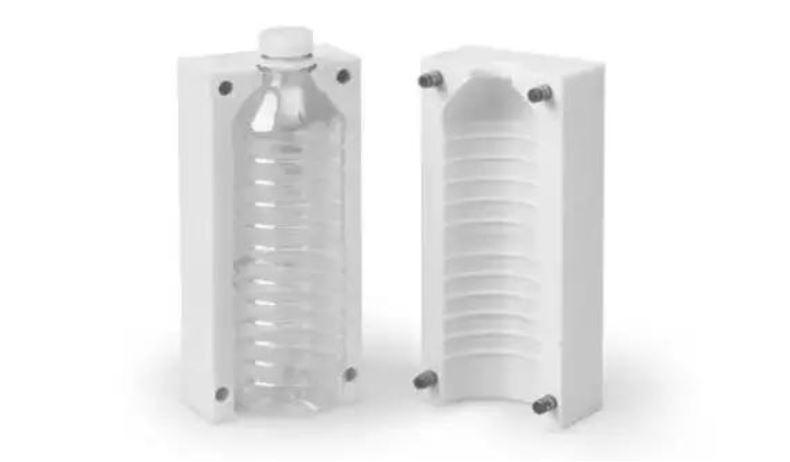
A prototype mold is a preliminary tool used in manufacturing to create sample or prototype parts. It is typically made from softer materials than production molds—often aluminum or printed metal—and is designed for lower volumes.
The purpose is to test and validate design, functionality, and manufacturability before committing to full-scale production. A prototype mold produces parts on standard injection molding machines, using the same materials as final production.
In China, the prototype mold industry has grown rapidly alongside automotive, electronics, and consumer goods manufacturing. The demand for high-quality, fast-turn molds has surged as companies seek to accelerate product development cycles.
How Does a Prototype Mold Differ from Production Tooling?
Understanding the differences helps you choose the right approach for your project.
| Aspect | Prototype Mold | Production Tooling |
|---|---|---|
| Material | Aluminum, printed steel, composites | Hardened steel (P20, H13) |
| Lead Time | 2–4 weeks | 8–16 weeks |
| Cost | $3,000–$15,000 | $30,000–$150,000+ |
| Tool Life | 1,000–10,000 shots | 500,000–1,000,000+ shots |
| Design Changes | Easier, lower cost | Difficult, expensive |
| Best For | Prototyping, pilot runs, low-volume production | High-volume mass production |
A prototype mold is not a replacement for production tooling. It is a strategic tool used earlier in the product lifecycle, when volumes are lower and design changes are still possible.
What Rapid Prototyping Methods Are Used in China?
Several methods are used to create prototype molds and parts. Each has strengths.
3D Printing (Additive Manufacturing)
3D printing builds parts layer by layer from digital models. It is widely used for creating master patterns, complex components, and even some mold inserts.
- Advantages:
- High design freedom—complex geometries, lattice structures, internal channels
- Short lead time—small prototypes in hours
- Material efficiency—minimal waste
- Suitable for: Small batches, custom products, complex shapes
- Example: In aerospace, 3D-printed engine components with complex cooling channels improve performance while reducing weight
A consumer electronics startup in Shenzhen used 3D printing to iterate product designs three times faster than traditional methods.
CNC Machining
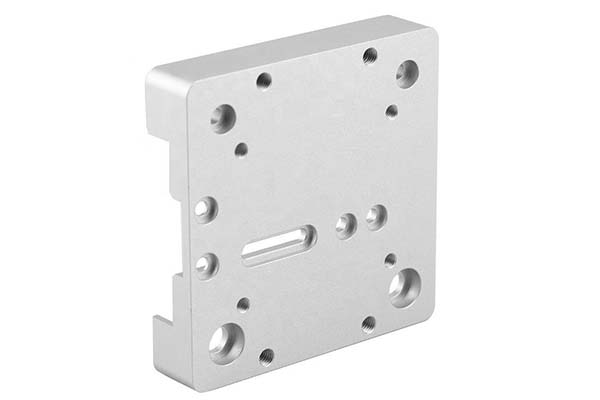
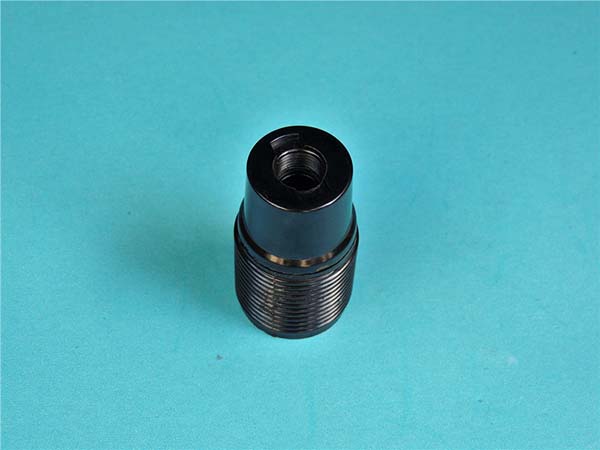
CNC machining uses computer-controlled machines to cut, mill, and drill materials precisely. It is the most common method for creating aluminum prototype molds.
- Advantages:
- High precision—tolerances as tight as ±0.01 mm
- Versatility—works with metals, plastics, and composites
- Repeatability—consistent quality across parts
- Suitable for: Functional prototypes, precision components, mold cores and cavities
- Example: Engine components for high-performance cars are CNC-machined to ensure optimal fit and function
Vacuum Casting
Vacuum casting creates silicone molds from a master pattern, then casts polyurethane parts. It is ideal for small batches with high-quality surface finishes.
- Process: Master model (3D printed or CNC machined) → Silicone mold → Vacuum casting → Demolding
- Materials: Polyurethane (flexible, hard, heat-resistant), epoxy resins
- Advantages:
- High-quality surface finish—smooth, similar to injection-molded parts
- Good dimensional accuracy
- Cost-effective for small batches (up to 50–100 pieces)
- Example: Consumer product housings that need to fit together precisely
How Does Low-Volume Manufacturing with Prototype Molds Work?
Low-volume manufacturing uses prototype molds to produce small quantities of parts—typically 50 to 5,000 units. This approach offers several strategic advantages.
Meeting Initial Market Demand
When launching a new product, investing immediately in high-volume production is risky. Low-volume production allows you to test the market with a smaller investment.
A smart home device startup developed a new sensor. Instead of building large-scale production equipment, they used prototype molds to produce a few hundred units. These were distributed to early adopters and beta testers. Feedback led to design improvements—sensor sensitivity and app interface. When they scaled up, the product was well-received. Within six months of launch, they sold over 10,000 units.
Reducing Inventory Risks
Low-volume production significantly reduces inventory-related costs. A supply-chain research study found that companies switching from large-batch to low-volume production saw a 30–40% reduction in inventory-related costs.
In the fashion industry, a clothing brand used prototype molds for low-volume production of a new sustainable line. They produced 50–100 pieces of each design initially. Sales data from flagship stores and online platforms guided reorders. Popular styles were produced in larger quantities; underperforming styles were discontinued. Within a year, inventory turnover increased by 25% and unsold inventory decreased by 40%.
What Are the Key Advantages of Prototype Molds?
The benefits extend beyond just speed and cost.
Design Validation
Prototype molds allow you to test parts in their final material. 3D-printed prototypes may behave differently than injection-molded parts. With a prototype mold, you validate:
- Form: Does the part match the intended shape?
- Fit: Does it assemble correctly with other components?
- Function: Does it perform under real-world conditions?
Material Testing
Production-grade materials like ABS, polycarbonate, nylon, and polypropylene can be used in prototype molds. This allows you to test mechanical properties—strength, heat resistance, chemical resistance—before committing to production tooling.
Faster Time to Market
By compressing the tooling phase, prototype molds accelerate the entire development timeline. Companies can launch products months ahead of competitors who wait for production steel tooling.
Cost-Effective Design Iterations
Design changes are easier and cheaper with aluminum molds than with hardened steel. If a revision is needed, the mold can often be modified—welded and re-machined—in days rather than weeks.
What Quality Control Measures Are in Place?
Reliable prototype mold manufacturers implement rigorous quality control.
Design Phase
CAD/CAE software simulates and optimizes mold design before manufacturing. This ensures structural integrity and manufacturability.
Material Procurement
Incoming materials are inspected for chemical composition and physical properties. This verification ensures that the materials meet specifications.
In-Process Inspections
During manufacturing, dimensions are measured regularly. For CNC machining, workpieces are checked to ensure they remain within tolerance.
Final Inspections
After production, CMM (Coordinate Measuring Machines) perform dimensional checks. Functional tests verify that parts meet design requirements. Many manufacturers implement ISO 9001 quality management systems to standardize and continuously improve processes.
How Does Yigu Technology Approach Prototype Molds?
At Yigu Technology, prototype molds are a core capability. We help clients move from validated designs to production-grade parts efficiently.
We Match Materials to Applications
Different materials serve different purposes. For electronic device housings, we might recommend ABS for impact resistance and dimensional stability. For medical applications, we select biocompatible materials. Our engineers evaluate heat resistance, chemical resistance, and mechanical strength to choose the right material.
We Combine Processes Strategically
For complex parts, we may combine multiple processes. A product with intricate internal structures and high-precision outer surfaces might use 3D printing for internal features and CNC machining for external finishing. This hybrid approach ensures both design complexity and precision requirements are met.
We Provide DFM Feedback Early
Before manufacturing, our engineers review your design. We flag potential issues—thin walls, sharp corners, gate placement—and suggest optimizations. This upfront work prevents problems later.
A Real-World Example
A client developing a handheld diagnostic device needed functional parts for clinical testing. We produced an aluminum prototype mold in three weeks. The mold produced 500 ABS parts that were used in surgeon trials. Feedback led to a minor geometry adjustment. The mold was modified in three days, and a second batch of parts was produced. The client moved to production tooling with confidence, knowing the design was validated.
Conclusion
Prototype molds are essential tools for low-volume manufacturing. They allow you to produce injection-molded parts in production-grade materials without the cost and lead time of steel tooling. By enabling design validation, material testing, and market trials, they reduce risk and accelerate time to market.
Whether you are a startup launching a new product or an established company testing a new line, prototype molds offer a strategic advantage. The key is working with a partner who understands materials, processes, and quality systems—and who provides DFM feedback to optimize your design before manufacturing begins.
Frequently Asked Questions
What are the common materials used in prototype mold manufacturing?
Common mold materials include aluminum (lightweight, easy to machine, good for thousands of shots) and printed steel (for complex geometries with conformal cooling). Common part materials include ABS, polycarbonate, nylon, and polypropylene—the same materials used in final production.
How long does it take to complete a rapid prototyping project?
Timelines vary by method. 3D printing: hours to 5 days. CNC machining: 2–10 days depending on complexity. Vacuum casting: 3–7 days for small batches. Prototype molds: 2–4 weeks from design to first parts.
What quality control measures are in place for prototype mold manufacturing?
Quality measures include CAD/CAE simulation during design, material inspection during procurement, in-process dimensional checks during manufacturing, and CMM inspection and functional testing after production. ISO 9001 certification indicates a structured quality management system.
How many parts can I get from a prototype mold?
Tool life depends on the mold material and the plastic used. For an aluminum mold with non-abrasive plastics like ABS or PP, expect 1,000–5,000 shots. For abrasive materials like glass-filled nylon, expect 200–1,000 shots. Your partner can estimate based on your specific requirements.
Is low-volume manufacturing with prototype molds cost-effective?
Yes. Low-volume manufacturing reduces inventory risks and allows market testing before large-scale investment. Companies using this approach have seen 30–40% reductions in inventory-related costs and faster time to market compared to traditional large-batch production.
Contact Yigu Technology for Custom Manufacturing
Ready to use prototype molds for your low-volume manufacturing needs? Yigu Technology offers CNC-machined aluminum molds, vacuum casting, and comprehensive DFM support. Our engineers help you select the right materials and processes for your project. Contact us today to discuss your requirements and get a transparent quote.