Introduction
Two-stage injection molding—also known as two-shot or multi-shot injection molding—is an advanced manufacturing process that combines two different materials or colors into a single part during a single production cycle. Unlike conventional molding that produces a single-material part, two-stage molding creates integrated components with distinct properties in different areas: rigid structural sections alongside soft-touch grips, multi-color designs, or embedded seals.
This technology has transformed how complex plastic components are manufactured. From toothbrushes with comfortable grips to automotive interiors with soft-touch surfaces, two-stage molding eliminates assembly steps and creates permanent bonds between materials.
This guide explains what two-stage injection molding is, how the process works, its advantages and disadvantages, and real-world applications. You will learn the technical details of each stage and understand why this process is essential for modern product design.
What Exactly Is Two-Stage Injection Molding?
Two-stage injection molding is a manufacturing process that injects two different materials into a mold in two distinct steps. The materials bond together during molding, creating a single, unified product with multiple properties.
The Basic Principle
First Stage:
The first material is melted and injected into the mold cavity. This forms the base or structural part of the final product. For example, in a toothbrush with a soft-grip handle, the first stage injects a rigid plastic (like polypropylene) that forms the main body and provides structural integrity.
Second Stage:
After the first material cools and solidifies sufficiently, the mold reconfigures—rotating, sliding, or using a multi-cavity setup. The second material is then injected onto or around the first. In the toothbrush example, a soft thermoplastic elastomer (TPE) is injected to create the comfortable grip area. The two materials bond, forming a seamless product.
Same Material, Different Properties
Two-stage molding can also use the same base material with different additives or colors. For example:
- First stage: Plastic with strength-enhancing additives for durability
- Second stage: Same plastic with colorants for aesthetic appearance
This creates a product with a durable core and an attractive outer layer without requiring painting or secondary finishing.
How Does the Two-Stage Injection Molding Process Work?
The process consists of two distinct stages, each requiring precise control.
Stage 1: Initial Injection
The first stage establishes the foundation of the product.
Material Preparation:
- Thermoplastic pellets are loaded into the hopper
- Material is heated to its melting point in a heated barrel
- A rotating screw conveys and melts the pellets uniformly
Critical parameters:
| Parameter | Impact |
|---|---|
| Melt temperature | Too low = poor flow; too high = degradation |
| Injection pressure | Too low = incomplete fill; too high = flash |
| Injection speed | Affects filling pattern and surface finish |
| Cooling time | Must solidify enough to hold shape for stage 2 |
Example: In an automotive interior component, the first stage creates the rigid structural framework. This framework must be strong enough to support the entire component and precisely positioned for the second-stage injection.
Stage 2: Secondary Injection
After the first material has cooled and solidified sufficiently, the mold reconfigures for the second injection.
Mold Reconfiguration Methods:
| Method | Description | Best For |
|---|---|---|
| Rotating mold | Mold rotates 180° to present first part to second injection unit | Symmetrical parts; high volume |
| Sliding core | Mold section slides to expose new cavity | Complex geometries |
| Rotary platen | Entire platen rotates with multiple molds | High output; multiple cavities |
Second Material Injection:
- The second material is injected onto or around the first
- Injection parameters (pressure, temperature, speed) are adjusted for the second material
- The materials bond chemically or mechanically
Bonding Requirements:
| Factor | Importance |
|---|---|
| Material compatibility | Must bond effectively; TPEs formulated for specific thermoplastics |
| Temperature | Second material must be hot enough to bond but not distort first |
| Surface condition | Clean, properly cooled surface enhances adhesion |
| Mechanical interlock | Undercuts or features in first shot improve bond strength |
What Are the Advantages of Two-Stage Molding?
Complex Shape Manufacturing
Two-stage molding enables products with geometries that would be impossible or uneconomical with single-stage molding. Multiple materials with different properties can be combined in one seamless part.
Example: A medical inhaler can be produced as a single unit with a rigid plastic body for structural integrity and a soft, ergonomic grip for ease of use. Traditional manufacturing would require molding two separate parts and assembling them.
Enhanced Product Performance
Combining materials optimizes performance characteristics.
| Application | First Material | Second Material | Performance Gain |
|---|---|---|---|
| Automotive interior | Heat-resistant rigid plastic | Sound-dampening material | 30% noise reduction |
| Power tool handle | Structural plastic | Soft TPE grip | Improved ergonomics; vibration reduction |
| Phone case | Hard impact-resistant shell | Soft shock-absorbing edges | Enhanced drop protection |
Industry data: A leading automotive parts manufacturer reported a 30% improvement in noise reduction for two-stage molded interior components compared to single-material alternatives.
Cost-Effective in the Long Run
While initial setup costs are higher, two-stage molding reduces long-term costs:
| Cost Factor | Savings |
|---|---|
| Assembly labor | Eliminates post-molding assembly |
| Inventory | One SKU instead of multiple components |
| Failure points | Fewer potential failures; reduced warranty claims |
| Material waste | Integrated process; no separate assembly waste |
Case study: A consumer electronics company switched to two-stage molding for product housings and reduced assembly-related labor costs by 40% while eliminating assembly defects.
Design Freedom
Designers can create:
- Soft-touch surfaces on rigid structures
- Integrated seals without separate gaskets
- Multi-color designs in one part
- Ergonomic features where needed
- Embedded functional components
What Are the Disadvantages?
High Mold Costs
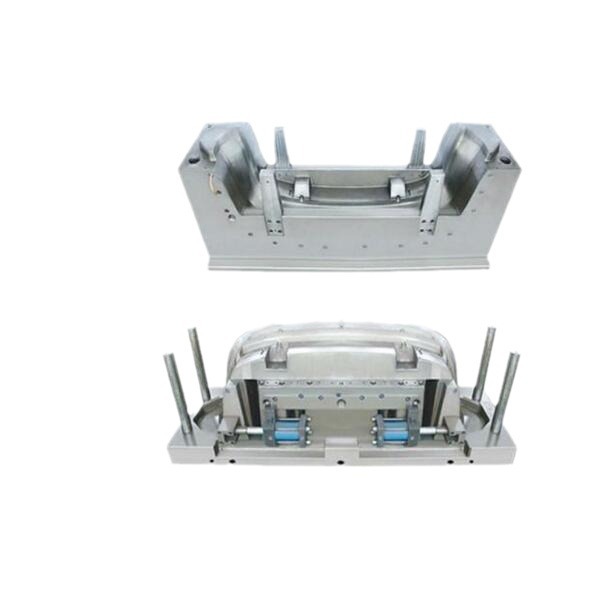
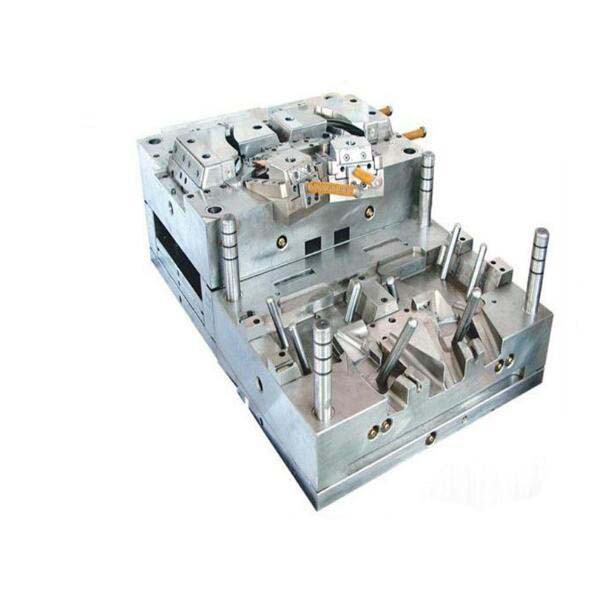
Two-stage molds are significantly more complex than single-stage molds.
| Mold Type | Typical Cost | Complexity |
|---|---|---|
| Single-stage mold | $5,000–$15,000 | Moderate |
| Two-stage mold | $20,000–$100,000+ | High (moving parts; rotating mechanisms) |
The higher cost can be a barrier for small to medium-sized enterprises, especially for low-volume production.
Complex Equipment Requirements
Two-stage molding requires specialized machinery:
- Multiple injection units (two or more)
- Precision mold movement mechanisms (rotation; sliding)
- Advanced control systems for coordinating both stages
- Higher maintenance costs (up to 50% higher than single-stage machines)
Longer Production Cycles
The two-stage process takes longer than single-stage molding:
| Process Component | Time Impact |
|---|---|
| First injection | Similar to single-stage |
| Cooling between stages | Additional 5–15 seconds |
| Mold reconfiguration | 2–5 seconds |
| Second injection | Additional injection and cooling |
Result: Cycle times can be 2–3 times longer than single-stage molding, which impacts production efficiency for high-volume runs.
Material Compatibility Limitations
Not all materials bond effectively. Material pairs must be:
- Chemically compatible
- Processable at overlapping temperatures
- Capable of bonding without delamination
What Are the Real-World Applications?
Two-stage injection molding serves industries where material combinations enhance functionality.
Automotive Industry
| Component | Materials | Benefits |
|---|---|---|
| Dashboard panels | Rigid plastic + soft-touch surface | Aesthetics; noise reduction |
| Door handles | Durable core + soft outer layer | Comfort; grip; durability |
| Steering wheel trim | Structural plastic + soft grip areas | Ergonomic; comfortable |
| Cup holders | Rigid structure + non-slip TPE | Functional; non-slip surface |
Example: Car door handles produced with two-stage molding have a strong inner core that withstands repeated use and a soft outer layer that improves grip, especially in wet or cold conditions.
Electronics Industry
| Component | Materials | Benefits |
|---|---|---|
| Phone cases | Hard shell + soft edges | Protection; grip; drop resistance |
| Smartwatch bodies | Rigid housing + soft skin-contact area | Durability; comfort |
| Headphones | Structural plastic + soft ear cushions | Comfort; sound isolation |
| Remote controls | Hard body + soft buttons | Ergonomics; tactile feedback |
Example: Mobile phone cases use two-stage molding to create a hard protective shell with soft, shock-absorbing edges that better protect the device from drops.
Medical Industry
| Component | Materials | Benefits |
|---|---|---|
| Syringe barrels | Clear rigid plastic + soft non-slip grip | Visibility; secure handling |
| Inhalers | Hard body + ergonomic soft grip | Patient comfort; ease of use |
| Surgical instruments | Sterilizable rigid + soft grip areas | Control; comfort during procedures |
| Diagnostic devices | Rigid housing + soft seals | Functionality; sealing |
Example: Syringe barrels produced with two-stage molding combine a transparent rigid barrel for fluid visibility with a soft, non-slip outer surface that medical professionals can hold securely during delicate procedures.
Consumer Products
| Component | Materials | Benefits |
|---|---|---|
| Toothbrushes | Rigid body + soft TPE grip | Comfort; control |
| Power tools | Structural core + vibration-damping grip | Ergonomics; fatigue reduction |
| Kitchen utensils | Rigid handles + soft non-slip grips | Comfort; safety |
| Sporting goods | Structural parts + soft contact surfaces | Performance; comfort |
How Does Two-Stage Molding Compare to Other Processes?
| Factor | Two-Stage Molding | Overmolding | Assembly |
|---|---|---|---|
| Process | Single machine; one cycle | Two separate molding steps | Separate parts assembled |
| Bond strength | Chemical/mechanical; very strong | Primarily mechanical | Variable; depends on method |
| Automation | Fully automated | May require manual transfer | Manual or automated |
| Cost per part | Low at high volume | Medium | Variable |
| Tooling cost | High | Medium | Low (assembly fixtures) |
| Lead time | Longer | Medium | Short |
| Best for | High volume; complex integration | Lower volumes; simple overmolding | Low volume; simple designs |
How Do You Ensure Quality in Two-Stage Molding?
In-Process Monitoring
- Cavity pressure sensors – Verify filling of both stages
- Temperature monitoring – Ensure proper bonding temperature
- Position sensors – Confirm mold movement accuracy
Bond Testing
| Test | Purpose |
|---|---|
| Peel test | Measure adhesion strength between materials |
| Shear test | Evaluate bond integrity under load |
| Thermal cycling | Check bond under temperature changes |
| Environmental exposure | Test bond under humidity, chemicals |
Visual and Dimensional Inspection
- Check for delamination between materials
- Verify complete filling of both materials
- Inspect for flash or surface defects
- Confirm dimensional accuracy
Conclusion
Two-stage injection molding is a powerful manufacturing technology that creates multi-material, integrated components in a single cycle. The process involves:
- First stage: Injection of the primary material to form the base structure
- Mold reconfiguration: Rotation or movement to position the part for second injection
- Second stage: Injection of the secondary material onto or around the first
Advantages include complex shape manufacturing, enhanced product performance, long-term cost savings, and design freedom. Disadvantages include higher mold costs, complex equipment requirements, longer cycle times, and material compatibility constraints.
Real-world applications span automotive, electronics, medical, and consumer goods industries—wherever combining material properties improves functionality, ergonomics, and aesthetics. When high volumes justify the tooling investment, two-stage molding delivers superior products that would be impossible with single-stage molding alone.
Frequently Asked Questions (FAQ)
What is the difference between two-stage molding and overmolding?
Two-stage molding uses a single machine with two injection units in one continuous cycle. The mold reconfigures between shots (rotating, sliding). Overmolding typically involves two separate steps—molding the first part, then placing it in a second mold for the second material. Two-stage molding is faster and more automated but requires higher capital investment.
What materials can be used in two-stage molding?
Common combinations include ABS with TPE (rigid base + soft grip), polycarbonate with TPE (power tools), polypropylene with TPE (flexible seals), and ABS with PMMA (transparent windows). The materials must be compatible—they must bond effectively and have overlapping processing temperatures. Many TPE grades are specifically formulated to bond with ABS, PC, and PP.
How much does a two-stage molding mold cost?
Two-stage molds are significantly more expensive than single-stage molds. A simple two-stage mold may cost $20,000–$40,000, while complex molds with rotating mechanisms and multiple cavities can cost $50,000–$100,000+ . The higher cost reflects the complexity of accommodating two injection processes, moving parts, and precise alignment requirements.
Can two-stage molding be used for low-volume production?
Two-stage molding is generally more cost-effective for high-volume production (50,000+ parts annually) due to the higher tooling investment. For low volumes, alternative methods like overmolding or assembly may be more economical. However, for complex parts that cannot be produced any other way, two-stage molding may be justified even at lower volumes.
What bonding issues can occur and how do you prevent them?
Common bonding issues include delamination (materials separate), weak adhesion, and incomplete bonding. Prevention methods: use compatible material pairs designed to bond; control second-stage temperature (hot enough to bond but not distort first); ensure first-stage surface is clean and properly cooled; design mechanical interlocks (undercuts, grooves) when chemical bonding is insufficient; and conduct bond testing (peel, shear) during development.
Contact Yigu Technology for Custom Manufacturing
At Yigu Technology, we specialize in two-stage injection molding for complex, multi-material components. Our experience spans automotive, medical, electronics, and consumer goods industries where material combinations enhance product performance.
Our two-stage molding capabilities include:
- Material selection expertise – Compatible pairs for strong bonds
- Precision mold design – Rotating and sliding molds for complex geometries
- Advanced process control – Optimized parameters for both stages
- Quality assurance – Bond testing; dimensional inspection
- High-volume production – Efficient automated cycles
We help clients eliminate assembly, improve ergonomics, and create integrated designs that perform better and last longer. From automotive interiors to medical devices, our two-stage molding expertise delivers superior results.
Contact us today to discuss your two-stage injection molding project. Let our expertise help you combine materials for exceptional products.