Introduction
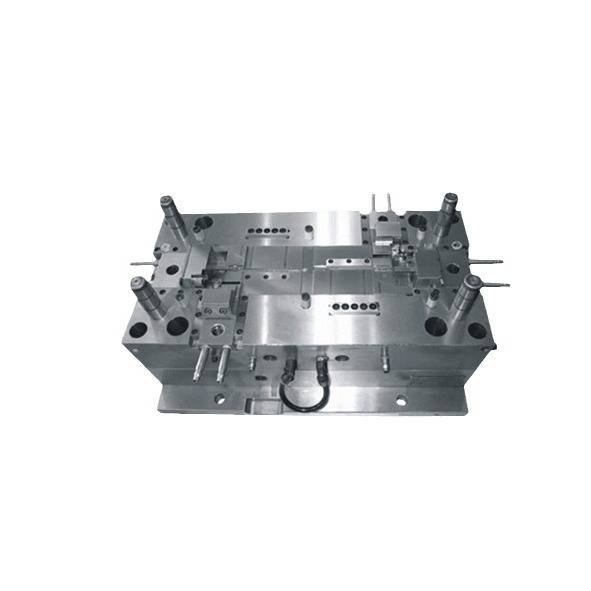
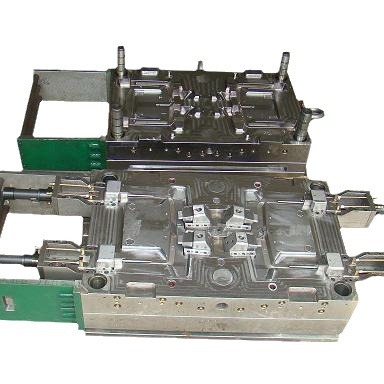
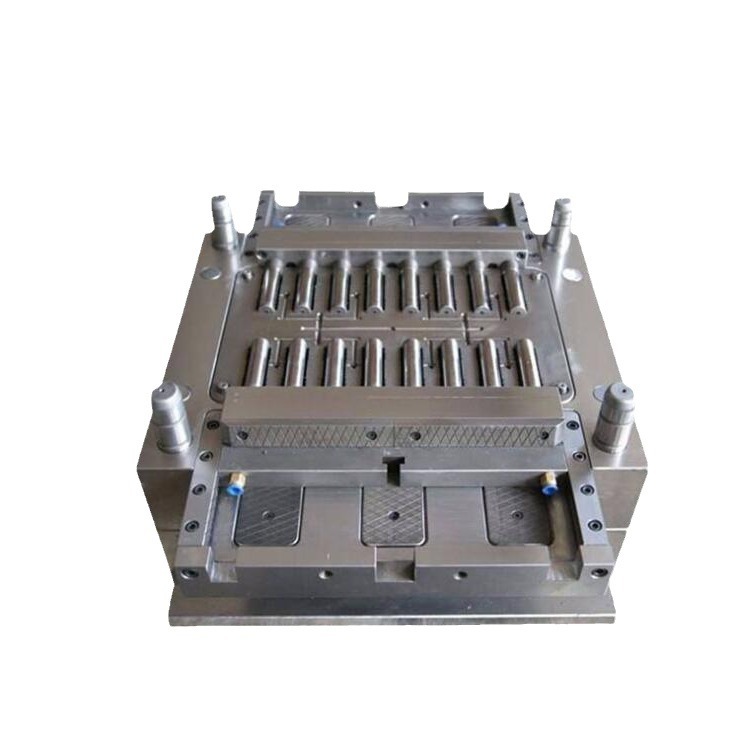
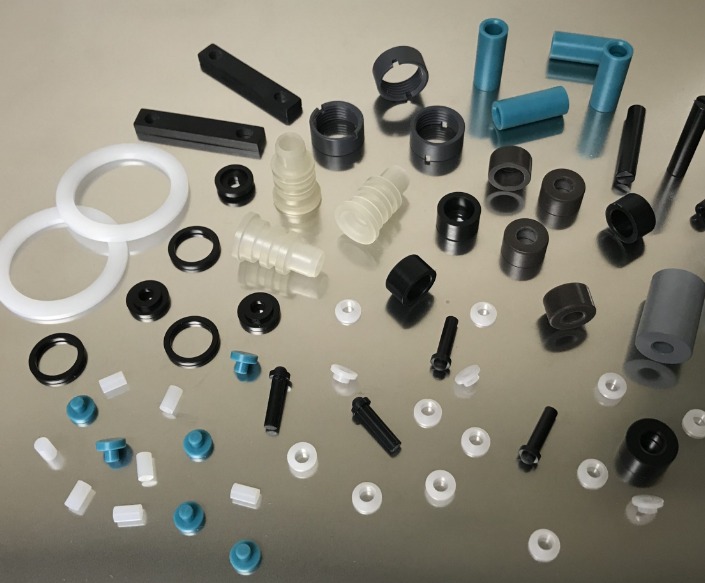
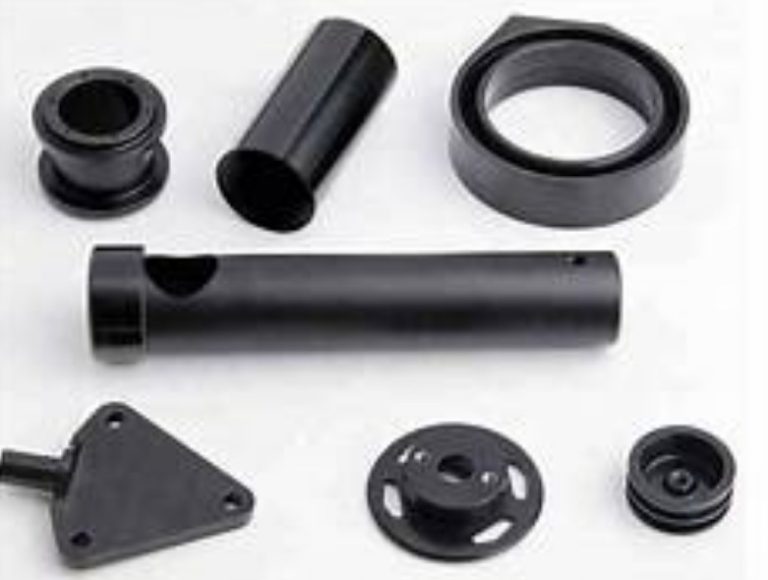
Plastic injection mold manufacturers are the unsung heroes behind countless products we use every day. From the smallest components in electronic devices to large automotive parts, these manufacturers enable mass production of high-quality, precise, and cost-effective plastic items. Without them, modern manufacturing as we know it would grind to a halt.
The injection molding process itself is straightforward: molten plastic is injected into a mold cavity, where it cools and solidifies into the desired shape. But creating the molds that make this possible requires specialized expertise, advanced equipment, and rigorous quality control.
This guide explores the key benefits of partnering with professional plastic injection mold manufacturers. Whether you are launching a new product or optimizing existing production, understanding these advantages will help you make informed decisions and gain a competitive edge.
Benefit 1: Expertise and Experience
In-Depth Material Knowledge
Professional mold manufacturers possess extensive knowledge about a wide range of plastic materials. This expertise is crucial because different materials have unique properties that suit specific applications.
| Material | Key Properties | Common Applications |
|---|---|---|
| ABS | Strength, impact resistance, good surface finish | Electronic device housings (smartphones, laptops) |
| Polycarbonate (PC) | Optical clarity, high heat resistance, dimensional stability | Automotive headlights, safety goggles, food containers |
| Polypropylene (PP) | Chemical resistance, flexibility, low density | Food packaging, automotive interior components |
| Nylon (PA) | High strength, abrasion resistance | Gears, bearings, structural parts |
Manufacturers understand the optimal processing temperatures and pressures for each material. This ensures consistent, high-quality results. For polycarbonate, they know the precise temperature range to avoid degradation while achieving the optical clarity required for applications like automotive headlights.
Complex Design Solutions
Years of experience equip manufacturers to handle complex design challenges. They have encountered diverse product designs and developed innovative solutions to bring them to life.
Consider a multi-component plastic toy with intricate internal mechanisms. The manufacturer must ensure all moving parts fit together perfectly. Techniques like insert molding—where pre-formed components are placed into the mold before injection—achieve the required precision.
In the automotive industry, dashboard production presents complex challenges. Dashboards have irregular shapes, integrate controls and displays, and must meet strict safety and aesthetic standards. Manufacturers use advanced CAD/CAM (Computer-Aided Design/Computer-Aided Manufacturing) technologies to simulate the injection molding process and optimize mold design before production. This reduces the risk of costly errors.
Benefit 2: Cost-Effectiveness
Economies of Scale
One of the most significant cost advantages of working with professional manufacturers is achieving economies of scale. When a company produces plastic products on its own, costs can be prohibitively high, especially for small to medium-sized enterprises.
Consider a startup wanting to produce 10,000 plastic widgets. The upfront costs are substantial:
- Injection molding machine: $50,000 to $200,000
- Molds: $5,000 to $50,000 per mold
- Skilled operators, maintenance, and facility costs
When partnering with a manufacturer, the cost per unit drops significantly. A manufacturer with large-scale operations spreads fixed costs—machines, molds, overhead—across multiple clients and large production runs.
| Production Method | Cost per Unit (10,000 units) |
|---|---|
| In-house production | $10 or more |
| Partner with manufacturer | $2 (including all costs) |
This cost reduction is a fundamental principle of economies of scale. Manufacturers produce large quantities for various clients simultaneously, lowering costs for each individual client.
Long-Term Cost Savings
Long-term cooperation offers additional cost-saving benefits in mold maintenance and product improvement.
Mold maintenance: Well-maintained molds produce consistent quality and have longer lifespans. Manufacturers have in-house technicians dedicated to inspections, cleaning, and minor repairs. These costs are spread across all clients, making maintenance more cost-effective than maintaining molds in-house.
| Maintenance Option | Annual Cost |
|---|---|
| In-house technician | $50,000–$80,000 salary + tools and spare parts |
| Manufacturer’s maintenance | Small fraction as part of production fee |
Product improvement: Over time, manufacturers gain experience with specific products and industries. They can suggest design modifications or material substitutions that enhance performance while reducing costs. For example, a manufacturer might recommend a different plastic with similar properties at a lower cost, saving material expenses without sacrificing quality.
Benefit 3: High-Quality Products
Precision in Manufacturing
Plastic injection mold manufacturers achieve high precision that directly impacts product quality and functionality.
| Application | Dimensional Accuracy |
|---|---|
| Micro-components (medical, electronics) | ±0.001 mm to ±0.01 mm |
| Automotive interior parts | ±0.1 mm to ±0.2 mm |
For medical devices and electronics, this precision ensures tiny components fit together perfectly. For automotive parts, it guarantees proper fit within vehicles and meets strict quality standards.
Advanced manufacturing technologies contribute significantly to this precision. Five-axis CNC (Computer Numerical Control) machines move the cutting tool and workpiece in five axes simultaneously. This enables creation of complex shapes with high accuracy, smooth surfaces, and precise angles—reducing the need for additional finishing processes.
Quality Control Systems
Reputable manufacturers implement strict quality control systems covering every stage of production.
Raw material inspection: The process begins with thorough inspection of plastic pellets. Manufacturers test properties like melt flow index, density, and tensile strength. They verify that materials meet required specifications and check for impurities or contaminants that could affect final product quality.
In-process quality checks: During injection molding, operators monitor key parameters:
- Injection pressure: Too low causes incomplete filling
- Temperature: Too high causes material degradation
- Cooling time: Insufficient cooling causes warping
By closely monitoring these parameters and making adjustments as needed, manufacturers prevent defects and ensure consistent quality.
Final product inspection: Comprehensive inspection includes:
- Visual inspection: Checking for scratches, bubbles, discoloration
- Dimensional inspection: Using coordinate measuring machines (CMMs) to verify dimensions against design specifications
- Functional testing: For products with specific requirements like mechanical strength or electrical conductivity
Benefit 4: Time Efficiency
Fast Turnaround Times
Professional manufacturers have the resources to complete projects quickly. Their advanced equipment, skilled workforce, and streamlined processes enable efficient production.
For simple molds, lead times may be 3–4 weeks. For complex molds with high precision requirements, lead times typically range from 8–12 weeks. Established manufacturers can often accommodate urgent orders by prioritizing production or running additional shifts.
Timely Delivery
Reliable manufacturers understand that production delays cost money. They maintain clear production schedules and communicate proactively about timelines. Many use project management systems to track progress and identify potential bottlenecks before they cause delays.
For businesses launching new products or responding to market demand, this reliability is essential. Timely delivery ensures you can meet customer expectations and avoid lost sales opportunities.
Yigu Technology’s Perspective
At Yigu Technology, we see the value of partnering with professional plastic injection mold manufacturers every day.
Material selection: Their in-depth material knowledge helps us choose the most suitable plastics for different products, ensuring optimal performance.
Complex designs: Their expertise turns innovative ideas into practical products. We have seen how advanced CAD/CAM simulation identifies potential issues before production, saving time and money.
Cost-effectiveness: The economies of scale they offer significantly reduce production costs. Their long-term cost-saving strategies—like efficient mold maintenance—add further value.
Quality assurance: Strict quality control systems ensure we receive high-quality products. Fast production speed and timely delivery enable us to respond promptly to market demands.
Partnering with professional manufacturers is a smart choice for any business aiming for success in product development and production.
Conclusion
Working with plastic injection mold manufacturers offers multiple benefits that directly impact your business success. Their expertise and experience turn product ideas into precision-manufactured reality. Cost-effectiveness—through economies of scale and long-term savings—improves your bottom line. High-quality products backed by rigorous quality control protect your brand reputation. Time efficiency and timely delivery keep operations running smoothly.
Whether you are launching a new product or expanding an existing line, partnering with a professional manufacturer adds significant value. Their capabilities help you achieve success in product development, production, and the marketplace.
FAQ
How can I ensure the quality of products when working with plastic injection mold manufacturers?
Reputable manufacturers implement strict quality control. They conduct material testing to verify properties like melt flow index and tensile strength. During production, they monitor injection pressure, temperature, and cooling time to prevent defects. After production, comprehensive final inspection includes dimensional checks using CMMs and visual inspection for surface flaws.
What if I have a small-quantity order? Can plastic injection mold manufacturers still help?
Yes. Many manufacturers handle small-quantity orders through flexible production arrangements. Some offer shared molds, where multiple customers use the same mold for their small production runs. This reduces the per-unit cost of mold usage and makes small-batch production cost-effective.
How do plastic injection mold manufacturers handle design changes during production?
Manufacturers follow a systematic process. First, they assess the impact of the change on the mold and production process. If mold modifications are needed, they use CAD/CAM technologies to design adjustments. The mold is modified using precision machining techniques. Test runs produce sample products, which undergo dimensional inspections and functional tests to confirm the design change is successfully implemented.
Contact Yigu Technology for Custom Manufacturing
Looking for a reliable partner for your plastic injection molding needs? Yigu Technology specializes in custom non-standard plastic and metal products. Our team combines technical expertise with rigorous quality control to deliver results you can trust.
Reach out today to discuss your next project. Let us help you bring your product ideas to life.