Introduction
Choosing a plastic molding factory is not just about finding a supplier. It is about forming a strategic partnership that affects product quality, cost, delivery, and ultimately your brand reputation.
A poor choice leads to defective parts, missed deadlines, and hidden costs. A good choice delivers consistent quality, reliable delivery, and long-term value.
According to the Plastic Industry Association, companies that switched to high-quality plastic molding suppliers saw a 30% reduction in product returns due to quality issues. Research also shows that collaborating with factories using lean manufacturing can save up to 20% on production costs .
This guide walks you through the key factors to evaluate when selecting a plastic molding factory for your business.
Why Does the Right Choice Matter?
Product Quality
Quality directly impacts your brand. A proficient factory uses high-precision equipment and strict quality control to ensure parts meet specifications.
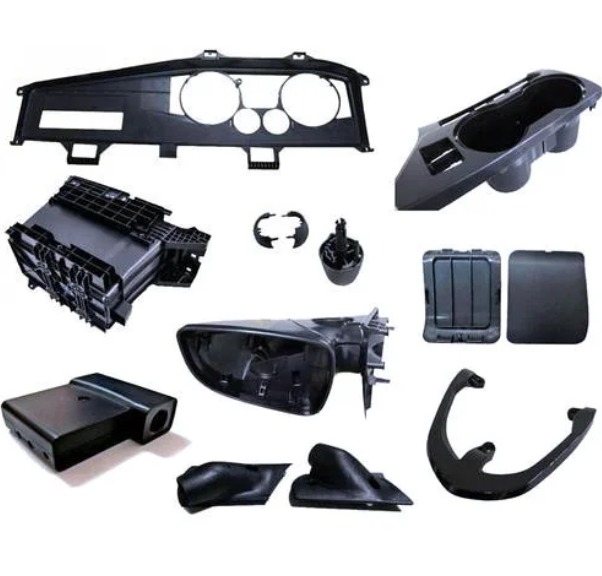
In the automotive industry, parts with tight tolerances are critical for safety and function. A factory that cannot hold these tolerances puts your reputation at risk.
Cost Control
Cost-effective production drives profitability. A well-managed factory optimizes costs through:
- Long-term supplier relationships for competitive raw material pricing
- Efficient production processes (reduced cycle times)
- Lower labor and energy costs
Delivery Time
Timely delivery is essential in fast-moving markets. A reliable factory has organized production schedules and effective supply chain management. They handle unexpected issues without delaying your products.
In consumer electronics, a delayed component launch can mean missed market opportunities and significant financial losses.
What Production Capabilities Should You Evaluate?
Molding Technologies
Different products require different molding methods. Ensure the factory has experience with the technologies you need.
| Technology | Description | Applications |
|---|---|---|
| Injection molding | Melts plastic, injects into mold under high pressure | High-volume parts, precision components, housings |
| Blow molding | Inflates plastic parison inside mold | Hollow products: bottles, containers, fuel tanks |
| Rotational molding | Rotates mold while heating, plastic coats inner surface | Large hollow products: storage tanks, playground equipment, kayaks |
Capacity and Scale
A factory with many advanced machines can handle larger orders. For example, a facility with 50 high-capacity injection molding machines produces significantly higher volume than one with 10 machines.
Consider:
- Number and type of machines
- Production space for organization, storage, and inventory
- Ability to scale up as your business grows
How Do You Assess Quality Assurance?
Materials Sourcing
Raw material quality determines final product quality. A good factory:
- Sources from reliable suppliers
- Provides documentation of material origin, quality certificates, and test reports
- Has strict raw material inspection processes
For high-grade polyethylene (PE), the factory should verify purity, molecular weight, and physical properties before production.
Quality Control Systems
Look for ISO 9001 certification . This indicates commitment to quality management with standardized procedures from raw material inspection to final product inspection.
Inspection methods include:
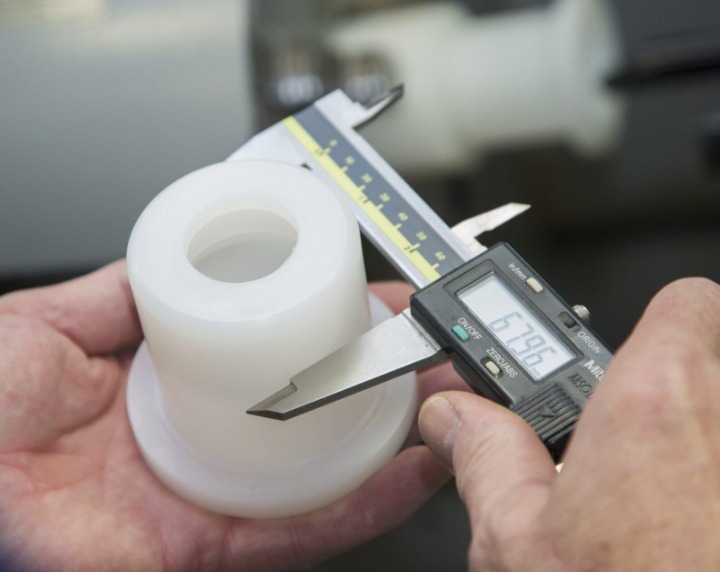
- Coordinate Measuring Machines (CMMs): Accurately measure dimensions against specifications
- In-process inspections: Regular checks during production
- Final product testing: Verification of mechanical properties and appearance
Well-trained quality control staff and regular quality audits are essential.
How Do You Evaluate Cost-Effectiveness?
Pricing Structure
Factories may price by:
- Per piece: Cost per unit based on complexity, material, and production time
- Total order value: Discounts for larger orders
Compare overall value, not just price. A lower per-piece price may indicate lower-grade materials, leading to product failures and higher long-term costs.
Hidden Costs
Be aware of potential hidden costs:
| Cost Type | Description |
|---|---|
| Mold design and modification | Costs for design changes during development |
| Expedited order fees | Premium for faster-than-normal production |
| Shipping costs | Varies by distance, volume, and method |
Get a clear breakdown of all costs before making a decision.
What Reputation and Experience Should You Look For?
Industry Track Record
Review past projects. Look at:
- Types of products produced
- Industries served
- Quality of work
A factory with long-standing relationships with well-known automotive brands likely has the technical capabilities and quality control to meet high standards.
Customer Reviews and Testimonials
Check online platforms, industry forums, and business directories for feedback. Positive reviews about product quality, delivery times, and customer service indicate a reliable partner.
Testimonials from long-term clients who consistently receive high-quality products on time are especially valuable.
How Important Is Customization and Design Support?
Design Expertise
A good factory offers design support. They help optimize:
- Product structure for functionality and manufacturability
- Wall thickness, rib placement, and shape to reduce material use
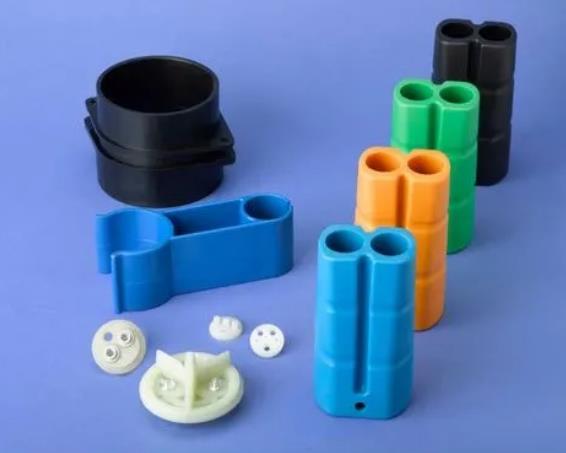
- Color, surface finish, and texture for aesthetics
Flexibility in Customization
The factory should handle custom requirements:
- Special sizes
- Specific colors matching your brand
- Unique functional features (sensors, anti-microbial properties)
What Should You Consider for Communication and Partnership?
Communication
Clear communication channels during design and production are essential. The factory should respond promptly to inquiries and resolve issues quickly.
Technical Complementarity
A factory with advanced molding technologies and innovative capabilities adds value. Their expertise in complex mold design can help achieve unique product features.
This collaborative approach—based on smooth cooperation and technical synergy—ensures high-quality product development and successful business outcomes.
The table below summarizes key evaluation criteria:
| Factor | What to Look For |
|---|---|
| Production capabilities | Relevant molding technologies, sufficient capacity, scalability |
| Quality assurance | ISO 9001, raw material sourcing, CMM inspection, trained staff |
| Cost-effectiveness | Transparent pricing, awareness of hidden costs, value over price |
| Reputation | Industry track record, customer reviews, long-term client relationships |
| Customization | Design expertise, flexibility for special requirements |
| Communication | Clear channels, prompt responses, collaborative approach |
What Does a Real-World Example Look Like?
A consumer electronics company needed a factory to produce high-volume smartphone cases. They evaluated three potential suppliers.
Factory A offered the lowest per-piece price but had no ISO certification and could not provide material certificates. Factory B had a strong track record with automotive clients but limited experience in consumer electronics. Factory C had both ISO certification, demonstrated experience with similar products, and provided detailed material documentation.
The company visited Factory C, reviewed their quality control processes, and verified their ability to scale production. They chose Factory C despite a slightly higher per-piece cost.
Within six months, the company launched their product on schedule. Defect rates were below 1%. The partnership expanded to other product lines.
Conclusion
Choosing the right plastic molding factory is a strategic decision. It impacts product quality, cost, delivery, and brand reputation.
Evaluate production capabilities—molding technologies, capacity, and scalability. Assess quality assurance—material sourcing, ISO certification, and inspection methods. Understand cost structures and hidden costs. Review reputation through track record and customer testimonials. Value design expertise and customization flexibility.
A thorough evaluation process takes time but pays dividends in consistent quality, reliable delivery, and long-term partnership.
FAQ
How can I tell if a plastic molding factory has good quality control?
Check for ISO 9001 certification. Ask about inspection frequency—a good factory may inspect every hour for high-precision products. Inquire about their root-cause analysis system for quality issues. Reliable factories not only correct problems but also take preventive measures.
What if I have a small-volume order? Can I still find a suitable plastic molding factory?
Yes. Some factories have dedicated small-order production lines. Search for factories that explicitly welcome small-volume orders. Be aware that per-unit cost may be higher because setup costs (mold preparation) are spread over fewer parts. Some factories offer flexible terms or discounts for long-term small-volume orders.
Is it necessary to visit a plastic molding factory before placing an order?
Visiting offers benefits: you see the production environment, inspect equipment condition, and meet the staff. If travel is not feasible, arrange a video conference tour. This provides a good overview of operations and allows real-time questions.
What certifications should a plastic molding factory have?
ISO 9001 is the minimum standard for quality management. For medical devices, look for ISO 13485. For automotive, IATF 16949 is preferred. Industry-specific certifications demonstrate commitment to quality standards.
How do I verify a factory's track record?
Request case studies or references from past clients. Look for clients in your industry. Contact references to verify quality, delivery, and communication. Check online reviews and industry forums for unbiased feedback.
Contact Yigu Technology for Custom Manufacturing
At Yigu Technology , we meet the criteria we recommend. We are ISO 9001 certified. Our production capabilities include injection molding, blow molding, and rotational molding. We source high-quality materials from reliable suppliers.
Our quality control includes in-process inspections and CMM measurement. We offer design support to optimize your parts for manufacturability. We handle small-volume orders and scale to high-volume production.
We believe in clear communication and long-term partnership. Let us help you with your next plastic molding project.
Contact Yigu Technology today to discuss your requirements.