Introduction
Medical devices save lives. Behind every syringe, catheter, and implant is a manufacturing process that demands precision, cleanliness, and reliability. Medical device plastic injection molding is the technology that makes these critical components possible.
This process is not like standard injection molding. Medical applications require biocompatible materials, sterile environments, and strict regulatory compliance. A defect that would be cosmetic in a consumer product can be life-threatening in a medical device.
This guide walks you through how medical injection molding works, what materials are used, what techniques matter, and how to ensure compliance. Whether you manufacture syringes or surgical instruments, you will gain the knowledge to produce high-quality medical components consistently.
How Does the Medical Injection Molding Process Work?
The Injection Molding Machine
The machine consists of three main components that work together to produce medical parts.
Hopper: This container holds plastic pellets. It feeds them into the barrel at a controlled rate. For medical applications, the hopper must prevent contamination. Some designs include covers and filtration to keep out dust and particles.
Barrel: This heated cylinder melts the plastic. Heating elements wrap around the barrel. A rotating screw inside moves the material forward while mixing it. Barrel temperature zones are carefully controlled to ensure uniform melting without degrading the material.
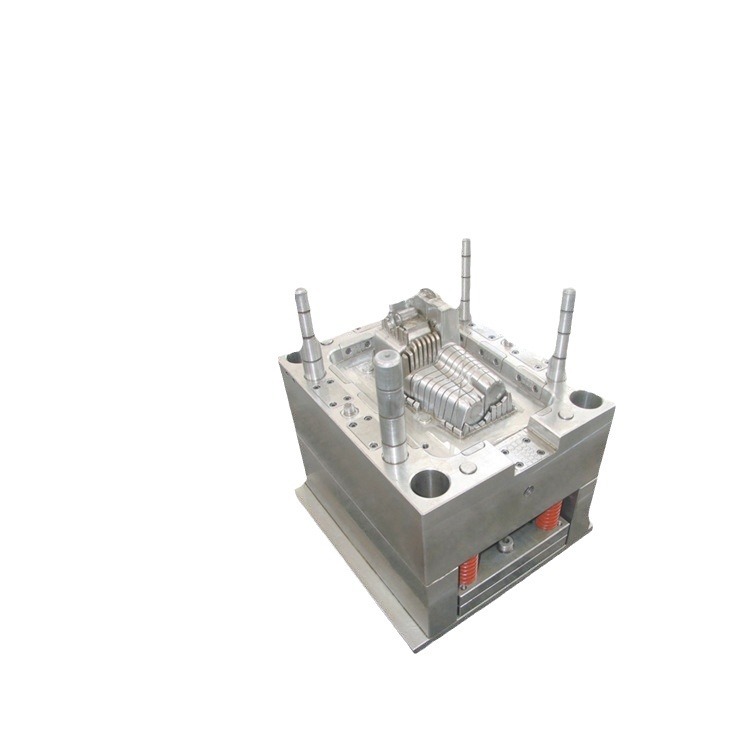
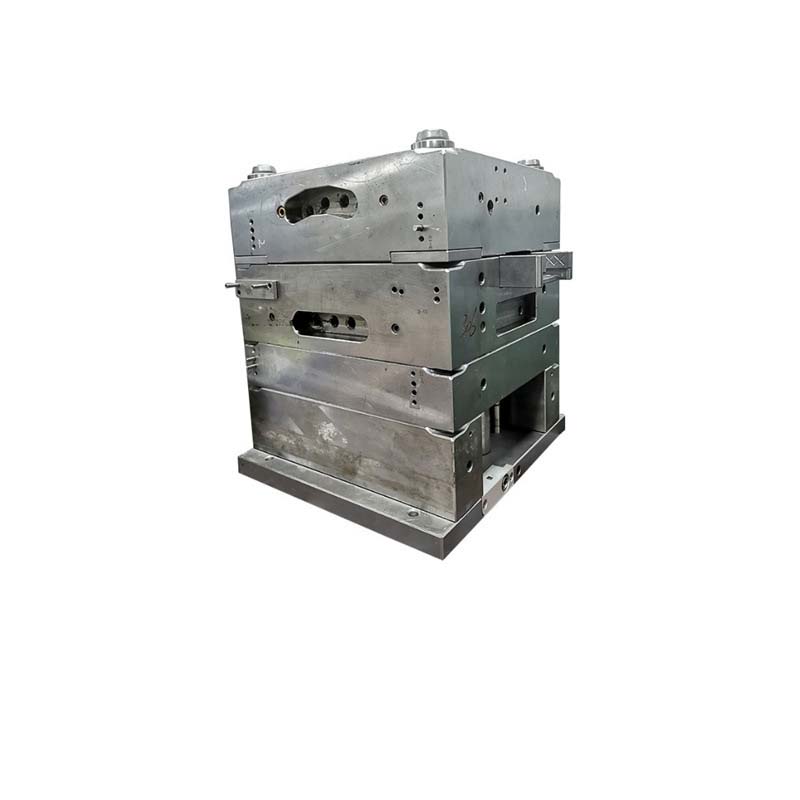
Mold: The mold shapes the final part. Medical molds are typically made from high-grade steels like P20 or H13 . These materials offer strength, durability, and corrosion resistance. They also maintain dimensional stability over millions of cycles.
Step-by-Step Process
Step 1: Feeding
Pellets enter the hopper and feed into the barrel. The feed rate depends on part size and complexity. For small, intricate components like catheter tips, slower feeding ensures consistent plasticization.
Step 2: Plasticization
Inside the barrel, the screw rotates. Heat from the barrel walls and friction from the screw melt the pellets. The screw also mixes the material, ensuring uniform temperature and consistency.
Different materials require different conditions. PEEK , used in orthopedic implants, melts at 343°C . Processing it requires precise temperature and screw-speed control to maintain its mechanical and chemical properties.
Step 3: Injection
The screw moves forward like a piston. It forces molten plastic through the nozzle and into the mold cavity. Injection pressure for medical devices typically ranges from 50 to 200 MPa .
Injection speed is also controlled. Thin-walled parts need faster speeds to fill before cooling. But speeds that are too fast can trap air or create excessive shear stress, affecting material properties.
Step 4: Cooling
Cooling channels in the mold circulate water or other coolants. They extract heat from the molten plastic. As the plastic cools, it solidifies into the shape of the cavity.
Cooling time varies. A thick polycarbonate housing may need several minutes. A thin-walled component may cool in seconds. Cooling too quickly creates internal stresses that cause warping or cracking. Cooling too slowly reduces production efficiency.
Step 5: Ejection
The mold opens. Ejector pins push the finished part out. For delicate devices like microfluidic chips, ejector system design is critical to prevent damage.
After ejection, parts may undergo trimming, cleaning, and inspection before they become finished medical components.
What Advantages Does Injection Molding Offer Medical Devices?
| Advantage | Description | Example |
|---|---|---|
| High-Volume Efficiency | Automated process for continuous production, reducing unit costs | 500,000 disposable syringes in an 8-hour shift |
| Design Flexibility | Complex geometries and multiple features in one part | Microfluidic channels with micrometer-sized features |
| Material Compatibility | Wide range of biocompatible materials available | PEEK for implants, PE for disposables |
| Cost-Effectiveness | Low unit costs, minimal waste, reduced secondary operations | Runner waste eliminated with hot runner systems |
| High Precision | Tight tolerances and consistent dimensions | Surgical instrument components at ±0.05 mm |
What Materials Are Used in Medical Injection Molding?
Polyethylene (PE)
Polyethylene offers good chemical resistance, flexibility, and biocompatibility.
Applications:
- Disposable syringes (barrels and plungers)
- IV tubing and bags
Standards: ISO 10993-1, FDA regulations
Polypropylene (PP)
Polypropylene provides high stiffness, heat resistance, and good chemical resistance.
Applications:
- Surgical instrument handles
- Medical containers and closures
- Some non-load-bearing implantable components
Standards: ISO 10993-1, ISO 11135, ISO 17665-1, FDA regulations
Polycarbonate (PC)
Polycarbonate delivers transparency, impact resistance, and dimensional stability.
Applications:
- Endoscope lenses
- Medical device housings (ultrasound machines)
- Connectors and valves
Standards: ISO 10993-1, ISO 17665-1, ISO 11137-1, FDA regulations
Polyvinyl Chloride (PVC)
PVC offers flexibility, durability, and electrical insulation.
Applications:
- Blood bags
- Catheters and tubing
- Disposable masks and gowns
Standards: ISO 10993-1, REACH (EU), FDA regulations
Acrylonitrile Butadiene Styrene (ABS)
ABS provides toughness, rigidity, and good chemical resistance.
Applications:
- Diagnostic equipment housings
- Surgical instrument handles
- Laboratory trays and enclosures
Standards: ISO 10993-1, FDA regulations, CE marking requirements
The table below summarizes material selection:
| Material | Key Properties | Medical Applications |
|---|---|---|
| PE | Chemical resistance, flexibility | Syringes, IV tubing |
| PP | Stiffness, heat resistance | Surgical handles, containers |
| PC | Transparency, impact resistance | Lenses, housings |
| PVC | Flexibility, durability | Blood bags, catheters |
| ABS | Toughness, rigidity | Diagnostic housings, trays |
What Techniques Are Used in Medical Injection Molding?
Overmolding
Overmolding involves molding a second material over an existing component. The two materials bond into a single integrated product.
Medical applications:
- Soft-touch grips on surgical instruments
- Silicone seals on syringe plungers
- Protective layers on device housings
Key considerations: Material compatibility, proper mold design for adhesion.
Insert Molding
Insert molding places a pre-fabricated component into the mold before injection. The plastic flows around and encapsulates the insert.
Medical applications:
- Metal-threaded connectors for fluid lines
- Reinforced components in surgical instruments
Key considerations: Insert material selection, proper alignment in the mold.
Micro Molding
Micro molding produces extremely small, intricate parts with high precision. Feature sizes can be in the micrometer range.
Medical applications:
- Microfluidic channels for diagnostic devices
- Micro-sensors for implantable devices
- Drug delivery system components
Key considerations: Specialized equipment, material flow properties, mold design for small parts.
Cleanroom Molding
Cleanroom molding takes place in a controlled environment with minimal contaminants. HEPA filters remove particles as small as 0.3 micrometers .
Medical applications:
- Implantable devices (pacemakers, stents, artificial joints)
- Sterile disposables
Key considerations: Air quality control, personnel protocols, material handling.
What Are Common Medical Applications?
Disposable Medical Devices
Disposable devices are used once and discarded. High-volume production efficiency is essential.
Syringes: Injection molding produces syringes with consistent dimensions. Plunger-to-barrel tolerance is typically ±0.01 to 0.03 mm . This precision prevents leakage and ensures accurate dosage.
Catheters: Catheters require complex shapes with multiple lumens. Injection molding creates lumens as small as 0.5 to 1 mm in diameter. Materials like silicone or polyurethane provide biocompatibility and flexibility.
Implantable Devices
Implantable devices must function inside the body for years. They require biocompatibility, corrosion resistance, and mechanical strength.
Pacemaker housings: PEEK or liquid silicone rubber (LSR) protects internal electronics. These materials withstand the body's chemical environment for 10 to 15 years .
Stents: Biodegradable stents made from poly-L-lactic acid (PLLA) require precise control of thickness and structure. This ensures proper degradation rates.
Artificial joints: Ultra-high-molecular-weight polyethylene (UHMWPE) offers excellent wear resistance. It withstands repeated mechanical stress for many years.
Surgical Instruments
Surgical instruments need durability, sterility, and ergonomics.
Handles: PP or ABS handles provide lightweight strength. Overmolded TPE grips improve comfort and reduce slippage.
Instrument trays: Injection-molded trays organize and protect instruments during sterilization.
What Are the Regulatory Requirements?
Medical device manufacturing is heavily regulated. Compliance ensures patient safety.
ISO 10993-1 covers biological evaluation of medical devices. Materials must be tested for cytotoxicity, sensitization, and irritation.
FDA regulations apply to devices sold in the United States. Manufacturers must register facilities, list devices, and follow Quality System Regulation (QSR).
CE marking is required for devices sold in the European market. It indicates compliance with EU Medical Device Regulation (MDR).
Traceability is essential. Manufacturers must track raw materials through finished products. Documentation must be maintained for regulatory audits.
What Defects Occur and How to Prevent Them?
| Defect | Cause | Prevention |
|---|---|---|
| Short shots | Insufficient fill | Increase injection pressure or temperature |
| Flash | Excessive pressure or mold damage | Reduce pressure, inspect mold surfaces |
| Warping | Uneven cooling, internal stresses | Uniform cooling channels, balanced wall thickness |
| Sink marks | Insufficient packing in thick sections | Increase holding pressure or time |
| Surface contamination | Particles in cleanroom | Strict cleanroom protocols, material handling |
Conclusion
Medical device plastic injection molding is a specialized field that combines precision manufacturing with strict quality controls. The process uses high-grade equipment, biocompatible materials, and techniques like overmolding, insert molding, micro molding, and cleanroom molding.
Advantages include high-volume efficiency, design flexibility, material compatibility, and cost-effectiveness. Applications range from disposable syringes to implantable pacemakers.
Success requires careful material selection, process optimization, and regulatory compliance. By understanding these elements, medical manufacturers can produce safe, reliable devices that meet the highest standards.
FAQ
What are the key factors when choosing a plastic material for medical device injection molding?
Key factors include biocompatibility, sterilization resistance, mechanical properties (strength, flexibility), chemical resistance, and cost-effectiveness. For implantable devices, biocompatibility and long-term durability are critical. For disposable devices, cost-effectiveness and ease of sterilization may be more important.
How can I ensure regulatory compliance in medical device plastic injection molding?
Maintain detailed documentation of the entire manufacturing process. Conduct biocompatibility assessments and sterilization validations. Implement traceability systems to track raw materials and finished products. Regularly review processes to align with changes in FDA, ISO, and CE requirements.
What are common defects in medical device injection molding and how can they be avoided?
Common defects include short shots, flash, warping, and sink marks. Avoid them by optimizing temperature, pressure, and injection speed. Ensure proper mold design with adequate venting and cooling channels. Use high-quality materials and maintain equipment regularly.
What is the difference between overmolding and insert molding?
Overmolding molds a second material over an existing plastic component, creating a bond between two plastics. Insert molding places a pre-fabricated component—often metal—into the mold before plastic injection, encapsulating it within the final part.
Why is cleanroom molding necessary for some medical devices?
Implantable devices and sterile disposables must be free from contaminants. Cleanrooms with HEPA filtration remove particles and microbes. This prevents infections and ensures proper functioning inside the body.
Contact Yigu Technology for Custom Manufacturing
At Yigu Technology , we specialize in medical device plastic injection molding. Our facilities include cleanroom molding capabilities for sterile and implantable components. We work with biocompatible materials including PE, PP, PC, PEEK, and more.
Our engineers understand regulatory requirements. We maintain traceability and documentation for compliance. From disposable syringes to complex implantable housings, we deliver precision and reliability.
Contact Yigu Technology today to discuss your medical device manufacturing project.