Introduction
Finding the right injection molding partner is one of the most important decisions you will make as a product developer or manufacturer. The right company delivers quality parts on time, helps optimize your design, and becomes a trusted partner for long-term success. The wrong choice leads to delays, defects, and unexpected costs.
With many injection molding companies claiming to offer the best service, how do you separate the reliable from the rest? This guide provides a practical framework for evaluating potential partners. You will learn what to look for, what questions to ask, and how to make an informed decision that balances quality, cost, and capability.
What Is Injection Molding and Why Does It Matter?
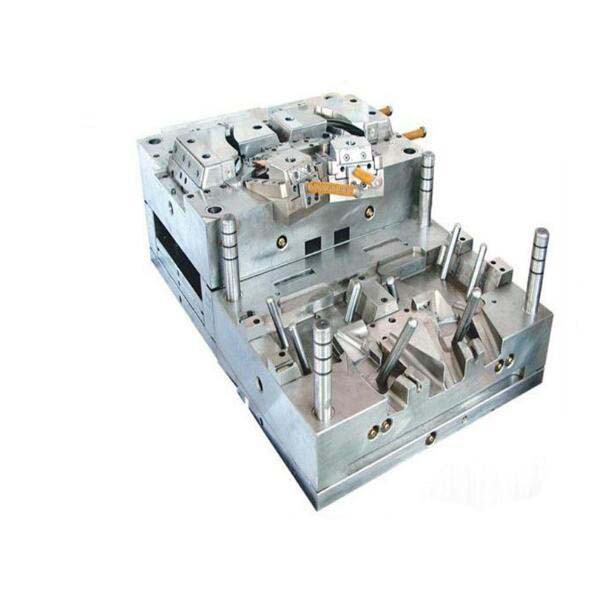
Before selecting a partner, it helps to understand the process itself. Injection molding is a manufacturing process where molten material—typically plastic—is injected under high pressure into a mold cavity. The material cools and solidifies, taking the shape of the cavity.
The Basic Process
| Stage | Description |
|---|---|
| Melt preparation | Plastic pellets are heated in a barrel to a molten state (e.g., polypropylene at 180–250°C) |
| Injection | The molten material is forced into the closed mold cavity under high pressure |
| Cooling | The material solidifies; cooling channels speed the process |
| Ejection | The mold opens and the finished part is ejected |
Why Injection Molding Is Critical
- High-volume production – Cost-effective for thousands to millions of parts
- Complex geometries – Intricate shapes with fine details
- Material versatility – From commodity plastics to engineering resins and metals
- Consistency – Repeatable quality across production runs
Understanding these basics helps you evaluate a company’s capability to meet your specific needs.
What Experience and Expertise Should You Look For?
Experience is more than years in business—it is demonstrated capability in your specific area.
Industry Experience
A company with experience in your industry understands your quality standards and requirements.
| Industry | What to Look For |
|---|---|
| Medical | ISO 13485 certification; cleanroom capability; biocompatible materials |
| Automotive | IATF 16949; experience with PPAP; heat-resistant materials |
| Aerospace | AS9100; tight tolerances; high-performance materials |
| Electronics | Precision molding; ESD protection; small component expertise |
| Consumer goods | High-volume production; cosmetic surface expertise |
Questions to ask:
- Have you worked on projects similar to mine?
- What materials have you processed that are similar to what I need?
- Can you share case studies or references from my industry?
Technical Expertise
Assess their technical capabilities:
- In-house mold design – Do they design molds internally or outsource?
- Mold flow analysis – Do they simulate filling before cutting steel?
- Material knowledge – Do they understand the nuances of different resins?
- Troubleshooting ability – How do they resolve defects like warpage or sink marks?
Red flags: Vague answers about past projects; no in-house engineering team; unwillingness to share references.
How Do You Evaluate Quality Assurance?
Quality assurance is non-negotiable. A reliable company has documented systems and processes.
Certifications
| Certification | What It Indicates |
|---|---|
| ISO 9001 | Basic quality management system |
| ISO 13485 | Medical device manufacturing |
| IATF 16949 | Automotive quality standard |
| AS9100 | Aerospace quality standard |
Certifications are a starting point, not a guarantee. They show commitment to quality systems but must be backed by practice.
Quality Control Measures
| Stage | What to Look For |
|---|---|
| Raw material | Inspection of incoming materials; traceability |
| In-process | Monitoring of temperature, pressure, cycle time; cavity pressure sensors |
| Finished parts | CMM dimensional inspection; visual checks; functional testing |
Questions to ask:
- What is your defect rate?
- How do you document quality?
- Can you provide inspection reports from past jobs?
- Do you have in-house CMM or other inspection equipment?
Factory Visit
If possible, visit the facility. Look for:
- Cleanliness and organization
- Equipment condition
- Material storage practices
- Quality lab presence
- Operator training and professionalism
A clean, organized factory with well-maintained equipment indicates disciplined management.
What Range of Services Should You Consider?
A versatile company offers more than basic molding. Services to look for:
Design and Engineering
- Design for manufacturability (DFM) – Reviewing designs to improve moldability
- Mold flow analysis – Simulating filling to predict defects
- Material selection guidance – Recommending the right resin for your application
Tooling
- In-house mold manufacturing – Faster lead times; better communication
- Mold maintenance – Ongoing care to extend tool life
- Mold modifications – Ability to update designs as products evolve
Production
- Multiple machine sizes – Match machine to part size
- Automation – Robotic part removal; inline inspection
- Secondary operations – Trimming, assembly, packaging
Post-Processing
- Surface finishing – Painting, texturing, polishing
- Assembly – Ultrasonic welding; adhesive bonding
- Sterilization – For medical applications
Why it matters: A company that offers a full range of services reduces the need to coordinate multiple vendors, saving time and reducing risk.
What Production Capacity and Equipment Are Needed?
Production capacity directly affects your ability to meet deadlines.
Machine Fleet
| Factor | What to Consider |
|---|---|
| Number of machines | More machines = higher capacity |
| Size range | Machines should match your part size (tonnage) |
| Machine condition | Newer machines offer better precision and energy efficiency |
| Technology | Electric or hybrid machines offer better control than older hydraulics |
Typical machine sizes:
- Small: 50–150 tons (small components, electronics)
- Medium: 150–500 tons (automotive parts, housings)
- Large: 500–3,000+ tons (bumpers, large enclosures)
Capacity Questions
- What is your maximum monthly output for a part like mine?
- How many shifts do you run?
- Do you have backup machines in case of breakdowns?
- Can you scale up if my volumes increase?
Lead Times
Ask about:
- Tooling lead time (mold fabrication)
- Sample lead time (first articles)
- Production lead time (ongoing orders)
Realistic expectations:
- Simple molds: 4–6 weeks
- Complex molds: 8–12 weeks
- First samples: 1–2 weeks after mold completion
- Production: 2–6 weeks depending on volume
How Do You Assess Cost-Effectiveness?
Cost is important, but the lowest price is rarely the best value.
Understand the Cost Structure
| Cost Component | Typical Share | Considerations |
|---|---|---|
| Tooling | 20–50% of project | One-time cost; amortized over volume |
| Material | 30–50% of part cost | Grade selection affects price |
| Production | 20–40% of part cost | Machine time; labor; energy |
| Secondary ops | 5–20% | Trimming; assembly; finishing |
| Logistics | Varies | Shipping; duties |
Beyond the Quote
When comparing quotes, consider:
- Tooling quality – A cheaper mold may wear out faster
- Material sourcing – Does the company use certified, traceable materials?
- Quality systems – Higher quality costs more but reduces scrap and rework
- Location – Local may cost more but offers easier communication and faster delivery
Hidden Costs to Watch
- Mold modifications – Changes after mold completion can be expensive
- Expedite fees – Rush orders often carry premiums
- Quality failures – Defective parts require rework or replacement
- Shipping – Ensure quotes include shipping costs
Getting Quotes
Ask for itemized quotes from at least three companies. Compare:
- Tooling cost
- Per-part price at your volume
- Setup and validation fees
- Secondary operation costs
- Shipping and handling
What Reputation and Customer Reviews Reveal?
A company’s reputation provides insight into reliability and service.
Where to Look
- Online reviews – Google, Yelp, industry forums
- References – Ask the company for past client contacts
- Industry peers – Ask colleagues for recommendations
- Trade associations – Memberships in professional organizations
What to Ask References
- Were parts delivered on time?
- Did they meet quality specifications?
- How was communication throughout the project?
- How did they handle problems or delays?
- Would you work with them again?
Red Flags
- No references available
- Negative reviews with no response
- Inconsistent feedback
- Unwillingness to share past projects
How Do You Make the Final Decision?
After evaluating candidates, follow a structured process to select your partner.
Step 1: Site Visit
Visit the short-listed companies. During the visit:
| What to Observe | Why It Matters |
|---|---|
| Cleanliness and organization | Indicates discipline and professionalism |
| Equipment condition | Well-maintained machines produce better parts |
| Material storage | Proper drying prevents defects |
| Quality lab | CMM and testing equipment show investment in quality |
| Staff interaction | Knowledgeable staff answer questions clearly |
Step 2: Request Detailed Quotes
Ask for itemized quotes including:
- Tooling cost (mold)
- Per-part price at your volume
- Setup and validation fees
- Secondary operation costs
- Shipping terms
Step 3: Compare Side by Side
Create a comparison matrix:
| Criteria | Company A | Company B | Company C |
|---|---|---|---|
| Experience in your industry | Yes/No | Yes/No | Yes/No |
| Certifications | List | List | List |
| Quality systems | Good/Fair/Poor | Good/Fair/Poor | Good/Fair/Poor |
| Machine range | Appropriate? | Appropriate? | Appropriate? |
| Services offered | Full/Partial | Full/Partial | Full/Partial |
| Total cost | $X | $Y | $Z |
| Lead time | Weeks | Weeks | Weeks |
| References | Positive/Mixed | Positive/Mixed | Positive/Mixed |
Step 4: Negotiate Terms
Discuss:
- Payment terms (deposit, milestones, final payment)
- Delivery schedule
- Quality guarantees
- Intellectual property ownership (who owns the mold?)
- Change order process
Step 5: Review the Contract
Before signing:
- Clarify scope of work
- Define quality acceptance criteria
- Specify delivery terms
- Address liability and intellectual property
- Have a legal professional review if needed
What Are Common Mistakes to Avoid?
Mistake 1: Choosing Based Only on Price
The lowest quote often comes with compromises in quality, material, or service. A slightly higher price from a reputable company may save money in the long run through fewer defects and reliable delivery.
Mistake 2: Not Verifying Experience
A company that says they can do your project may lack relevant experience. Ask for examples of similar work.
Mistake 3: Skipping the Site Visit
Documents and calls cannot reveal what a factory visit shows. Cleanliness, equipment condition, and staff professionalism are best observed in person.
Mistake 4: Ignoring Communication
A company that is slow to respond during quoting will be worse during production. Responsiveness indicates how they will treat you as a customer.
Mistake 5: Overlooking Intellectual Property
Clarify who owns the mold. If the supplier owns it, you may be locked in. If you own it, you can move production if needed.
Conclusion
Selecting the right injection molding company nearby requires a systematic evaluation of experience, quality systems, production capacity, cost, reputation, and communication. The right partner:
- Has relevant industry experience and technical expertise
- Maintains robust quality systems and certifications
- Offers a full range of services from design to post-processing
- Has production capacity to meet your volume and timeline
- Provides transparent, competitive pricing
- Communicates clearly and responds promptly
Take the time to evaluate multiple candidates, visit facilities, and check references. The effort invested in selecting the right partner pays back through years of reliable, high-quality production.
Frequently Asked Questions (FAQ)
How can I tell if an injection molding company has enough experience?
Review their portfolio, case studies, and client testimonials. Look for projects similar to yours in industry, material, and complexity. Ask for references and contact past clients. A company with 10+ years of experience in your industry likely has the expertise to handle your project. Also evaluate their technical capabilities—do they perform mold flow analysis? Do they have in-house mold design?
Is the cheapest injection molding company always the best choice?
No. The cheapest option often comes with compromises in quality, material, or service. A lower-priced company may use lower-grade materials, have less precise equipment, or lack robust quality systems. Consider total value—quality, reliability, communication, and long-term partnership—not just initial price. A slightly higher quote from a reputable company often delivers better results and lower total cost over time.
What should I do if I have a problem with product quality?
Communicate immediately with the injection molding company. A reliable partner will have a quality assurance process to address issues. They should:
- Investigate the root cause
- Implement corrective action
- Provide replacement parts if necessary
If the issue persists, refer to your contract for dispute resolution. Good companies prioritize customer satisfaction and will work to resolve problems.
Should I visit the injection molding company’s facility?
Yes, if possible. A factory visit reveals cleanliness, organization, equipment condition, and workforce professionalism—things documents cannot show. You can observe quality systems in action, verify machine capabilities, and meet the management team. If travel is impossible, request a virtual tour via video call, ask for detailed photos, and use third-party inspection services.
How long does it typically take to get injection molded parts?
Lead times vary by complexity. Simple molds take 4–6 weeks; complex molds take 8–12 weeks. First sample parts are typically available 1–2 weeks after mold completion. Production lead time depends on volume—small batches may ship in 1–2 weeks; large orders may require 3–6 weeks. Total project timeline from design approval to delivery typically ranges from 10–18 weeks.
Contact Yigu Technology for Custom Manufacturing
At Yigu Technology, we combine technical expertise, robust quality systems, and responsive service to deliver high-quality injection molded parts. Our experience spans medical, automotive, electronics, and consumer goods industries.
Our capabilities include:
- In-house mold design and manufacturing – Faster lead times; better quality control
- Wide machine range – 80 to 800 tons; handles small precision parts to large components
- ISO 9001 certified quality management
- Experienced engineering team – Mold flow analysis; process optimization
- Full-service offering – Design support; production; secondary operations
We believe in transparency, clear communication, and building long-term partnerships. Whether you need prototypes or high-volume production, we deliver quality parts on time.
Contact us today to discuss your injection molding project. Let our expertise help you achieve your manufacturing goals.