Introduction
Injection molding is the backbone of modern plastic manufacturing. It produces everything from automotive dashboards to medical syringes. But for decades, the process had limits. Cycle times were long. Precision had boundaries. Material options were constrained.
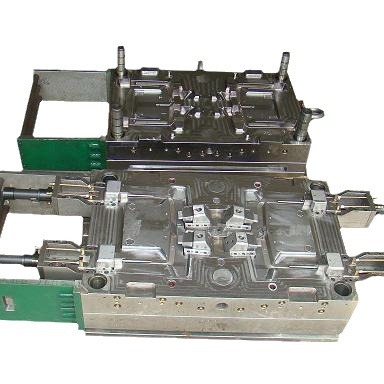
The plastic mold press changed this. It is not just an incremental improvement—it is a leap forward. With advanced control systems, faster operation, and greater material compatibility, the plastic mold press addresses the limitations of traditional machines.
A typical car contains hundreds of plastic injection-molded parts. Each requires precision, consistency, and efficiency. The plastic mold press delivers all three.
This guide explores how the plastic mold press revolutionizes injection molding across precision, efficiency, material compatibility, and cost-effectiveness.
How Does a Plastic Mold Press Enhance Precision?
Precision is the foundation of quality injection molding. Traditional machines often struggle with complex parts. Tolerances might be ±0.2 mm to ±0.5 mm for intricate geometries.
Plastic mold presses achieve far tighter tolerances—±0.05 mm to ±0.1 mm . This level of precision opens applications in electronics, medical devices, and aerospace where small deviations cause failure.
Advanced Control Systems
Modern plastic mold presses use servo-hydraulic or fully electric control systems . These systems regulate injection pressure with accuracy of ±0.5 MPa . Temperature and speed are controlled in real time.
The result is consistent dimensions across millions of cycles. A part produced in the first shot is identical to the one produced in the millionth.
High-Precision Mold Manufacturing
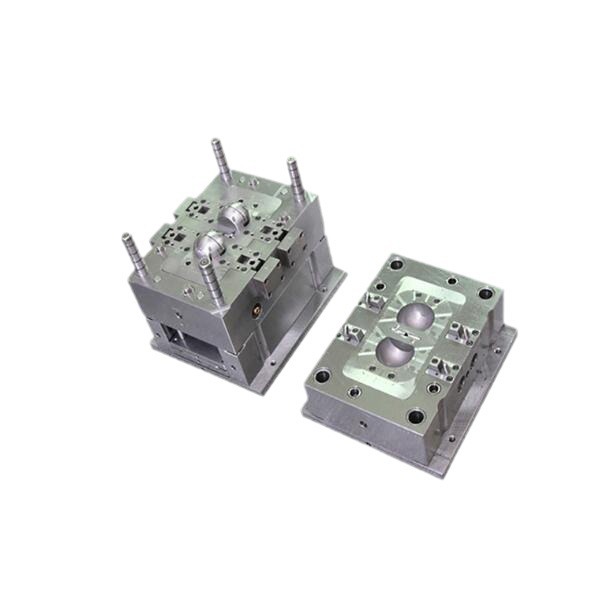
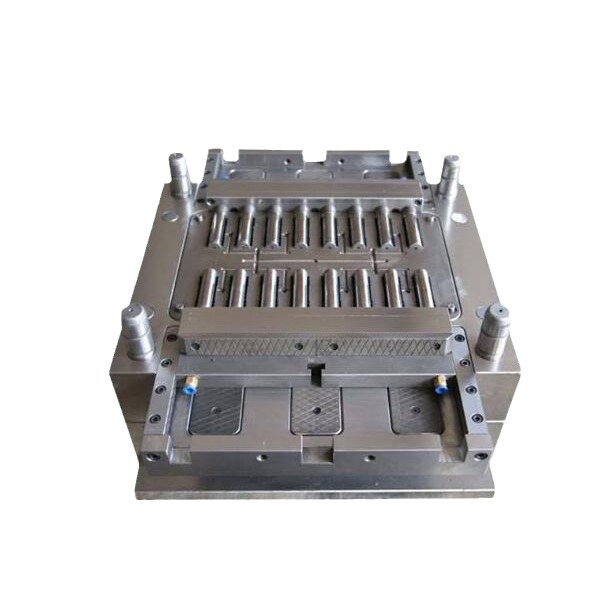
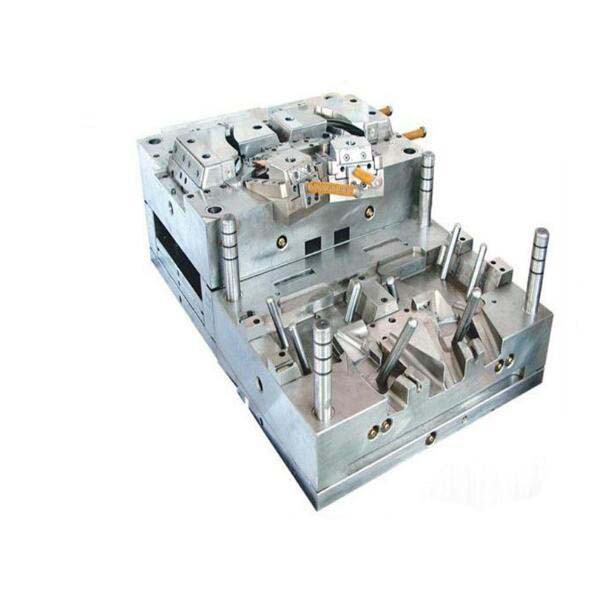
Precision starts with the mold. Plastic mold presses utilize CNC (Computer Numerical Control) machining to create molds with extreme accuracy.
Surface roughness can be below 0.1 μm . This smoothness transfers to the plastic part, producing surfaces that require no secondary finishing.
How Does It Improve Production Efficiency?
Time is money in manufacturing. Plastic mold presses reduce cycle times significantly.
Faster Mold Closing
Traditional injection molding machines may take 3 to 5 seconds to close the mold. Plastic mold presses achieve closing speeds of 1 to 2 seconds .
Shorter Forming Cycles
The full forming cycle—injection, cooling, ejection—is also reduced.
| Aspect | Traditional Injection Molding | Plastic Mold Press |
|---|---|---|
| Mold closing speed | 3 – 5 seconds | 1 – 2 seconds |
| Forming cycle (small-medium parts) | 20 – 30 seconds | 10 – 15 seconds |
| Production output per hour | 120 – 180 parts | 240 – 360 parts |
Doubling production output without adding machines transforms capacity. Labor cost per part drops. Capital equipment is utilized more efficiently.
What Materials Can a Plastic Mold Press Handle?
Material compatibility determines what products you can make. Plastic mold presses process a wider range of materials than traditional machines.
Common Thermoplastics
- Polyethylene (PE)
- Polypropylene (PP)
- Polystyrene (PS)
These process easily and are used for high-volume consumer goods.
High-Performance Engineering Plastics
- Polycarbonate (PC)
- ABS
- Polyamide (PA, nylon)
These materials have higher strength, heat resistance, or impact properties. Precise temperature and pressure control prevents degradation.
Biodegradable Plastics
- Polylactic acid (PLA)
- Other bio-based polymers
As demand for sustainable products grows, plastic mold presses efficiently process PLA—which is more sensitive to processing conditions than traditional plastics.
Greater material compatibility expands application scope. Manufacturers can serve automotive, aerospace, medical, and consumer goods industries from a single platform.
Is a Plastic Mold Press Cost-Effective?
Initial investment in a plastic mold press may be higher than traditional machines. But long-term costs tell a different story.
Reduced Scrap
Traditional injection molding scrap rates range from 5% to 10% . With precise control, plastic mold presses reduce scrap to 1% to 3% .
For a production run of 10,000 parts:
- Traditional: 500 to 1,000 parts scrapped
- Plastic mold press: 100 to 300 parts scrapped
Raw material savings add up quickly, especially with expensive engineering plastics.
Energy Efficiency
Plastic mold presses consume 20% to 30% less energy than traditional machines. Electric drives use energy only when needed. Servo-hydraulic systems optimize pump operation.
Lower energy bills reduce operational costs and environmental footprint.
Longer Mold Life
Precise control reduces wear and tear on molds. Traditional molds may last 50,000 to 100,000 cycles . Molds in plastic mold presses can last 150,000 to 200,000 cycles .
Fewer mold replacements save manufacturing and maintenance costs. Production interruptions are reduced.
The table below summarizes cost-effectiveness factors:
| Factor | Traditional Molding | Plastic Mold Press | Benefit |
|---|---|---|---|
| Scrap rate | 5 – 10% | 1 – 3% | Material savings |
| Energy consumption | Baseline | 20 – 30% lower | Reduced operational cost |
| Mold life | 50,000 – 100,000 cycles | 150,000 – 200,000 cycles | Fewer replacements |
What Does a Real-World Example Look Like?
A medical device manufacturer needed to produce high-precision components for diagnostic equipment. Traditional injection molding achieved tolerances of ±0.2 mm—acceptable but not ideal. Scrap rate was 8%.
Switching to a plastic mold press changed the process. Tolerances tightened to ±0.08 mm. Scrap dropped to 2%. Cycle time for the complex part reduced from 28 seconds to 14 seconds.
The manufacturer increased output without adding machines. Energy consumption dropped by 25%. The investment in the plastic mold press paid back in 14 months.
Conclusion
The plastic mold press is revolutionizing injection molding through:
- Enhanced precision: Tolerances as tight as ±0.05 mm, enabled by advanced servo-hydraulic or electric control systems and high-precision mold manufacturing.
- Higher efficiency: Mold closing speeds cut from 3–5 seconds to 1–2 seconds; forming cycles reduced by 30–50%; output per hour doubled.
- Greater material compatibility: Handles common thermoplastics, high-performance engineering plastics, and biodegradable materials like PLA.
- Cost-effectiveness: Scrap rates drop from 5–10% to 1–3%; energy consumption reduced 20–30%; mold life extended 50–100%.
These advantages make the plastic mold press essential for manufacturers seeking quality, efficiency, and sustainability. As technology advances, its role in shaping the future of plastic manufacturing will only grow.
FAQ
What is the main advantage of using a plastic mold press in plastic injection molding?
Enhanced precision and accuracy. Plastic mold presses achieve tolerances as low as ±0.05 mm to ±0.1 mm—compared to ±0.2 mm to ±0.5 mm in traditional molding for complex parts. Advanced control systems regulate injection pressure with ±0.5 MPa accuracy. High-precision mold manufacturing achieves surface roughness below 0.1 μm. This precision meets strict requirements across automotive, electronics, and medical industries.
Can a plastic mold press be used for all types of plastic materials?
No. It is highly compatible with common thermoplastics (PE, PP, PS) and high-performance engineering plastics (PC, ABS, PA). Biodegradable plastics like PLA process well. However, specialty plastics with extremely high melting points or unique chemical properties may not be suitable. Materials requiring processing temperatures beyond the press’s heating system or with very low melt viscosity causing flow control issues are not ideal.
How does a plastic mold press contribute to cost-savings in production?
Three primary ways: reduced scrap (from 5–10% to 1–3%), saving raw material costs; energy efficiency (20–30% lower consumption), reducing operational costs; and longer mold life (150,000–200,000 cycles vs. 50,000–100,000 cycles), lowering mold replacement frequency and maintenance costs.
What is the difference between a plastic mold press and a traditional injection molding machine?
A plastic mold press features advanced servo-hydraulic or fully electric control systems for real-time precision. Traditional machines often have simpler hydraulic controls with less accuracy. The mold press achieves tighter tolerances, faster cycle times, and greater energy efficiency. It also handles a wider range of materials, including sensitive biodegradable plastics.
How much can a plastic mold press increase production output?
For small to medium parts, output can double. Traditional machines produce 120–180 parts per hour. Plastic mold presses produce 240–360 parts per hour for the same part. This is achieved through faster mold closing (1–2 seconds vs. 3–5 seconds) and shorter forming cycles (10–15 seconds vs. 20–30 seconds).
Contact Yigu Technology for Custom Manufacturing
At Yigu Technology , we use plastic mold presses to produce high-quality custom plastic and metal parts. Our machines achieve tight tolerances and fast cycle times. We process a wide range of materials—from commodity plastics to high-performance engineering resins.
Our experience with plastic mold presses enables us to meet strict dimensional requirements for complex designs. We fulfill large-scale orders efficiently, improving competitiveness for our clients.
Whether you need precision components for medical devices or high-volume parts for automotive applications, we deliver quality and efficiency.
Contact Yigu Technology today to discuss your custom manufacturing project.