Introduction
In modern manufacturing, the demand for precision and quality has never been higher. From aerospace engines operating at extreme temperatures to medical implants that must fit the human body perfectly, the components behind these technologies require extraordinary accuracy. CNC precision components have emerged as the cornerstone of this high-standard production environment.
These components are integral to a vast array of industries. Aerospace relies on them for turbine blades that withstand 1,700°C and pressures that would destroy ordinary materials. Medical devices depend on them for surgical instruments and prosthetics where microns separate success from failure. Electronics require them for connectors that maintain signal integrity at high speeds.
Understanding how CNC precision components achieve their exactness is crucial for engineers, manufacturers, and anyone involved in producing high-quality products. This guide explores the technology, processes, quality controls, and expertise that deliver the precision modern manufacturing demands.
What Are CNC Precision Components?
Definition and Core Principles
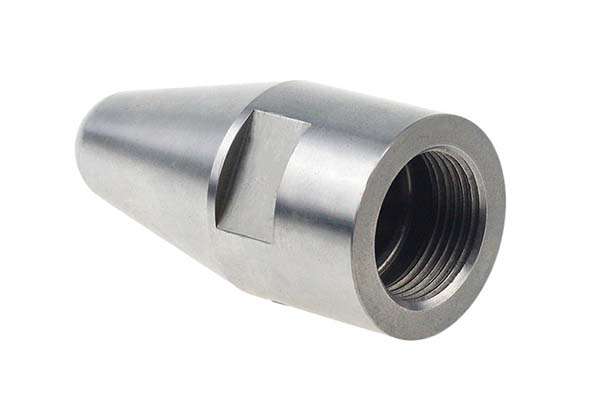
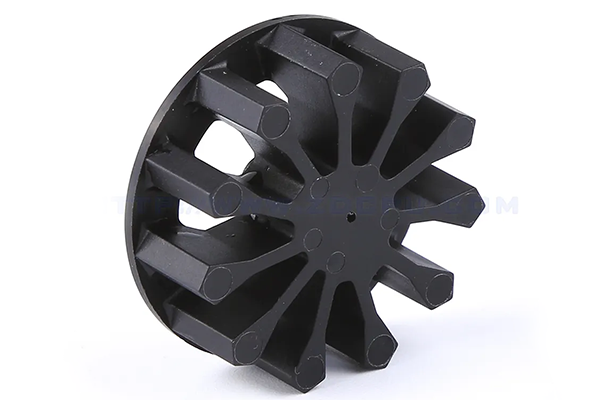
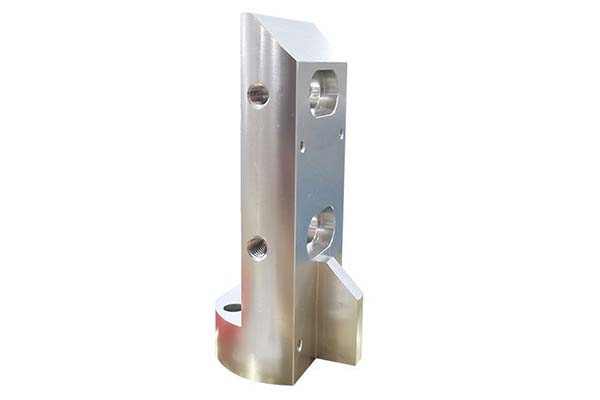
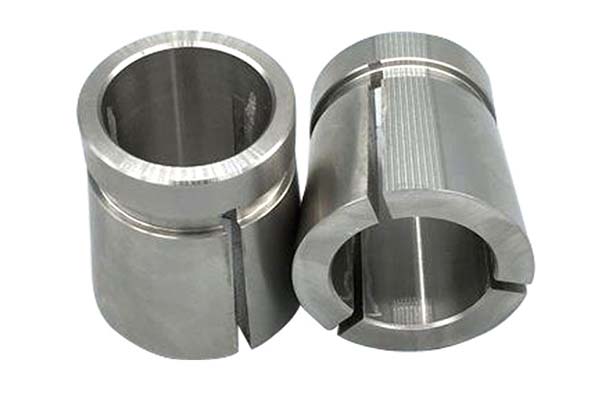
CNC precision components are parts manufactured using Computer Numerical Control (CNC) technology. Instead of a human operator manually guiding cutting tools, a computer program controls machine movements with exceptional accuracy.
The process:
- A design is created using CAD (Computer-Aided Design) software
- The design is translated into machine instructions using CAM (Computer-Aided Manufacturing) software
- The CNC machine reads the program and precisely controls tool movements and speeds
- The machine executes commands—for example, moving a tool 50 mm along X-axis at 200 mm/min feed rate
Why it matters: A CNC program commands the machine to perform exact movements. The machine executes these commands repeatedly with minimal variation. This repeatability is what makes CNC the standard for precision manufacturing.
In a high-end watch, small gears and shafts are often CNC-produced. Their precision ensures accurate timekeeping, with each movement synchronized within a very small margin of error. In manufacturing, exactness reduces post-production adjustments, saves time, and cuts costs.
Types of CNC Precision Components
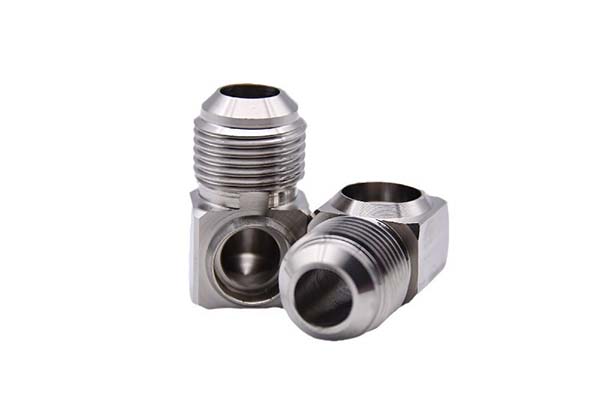
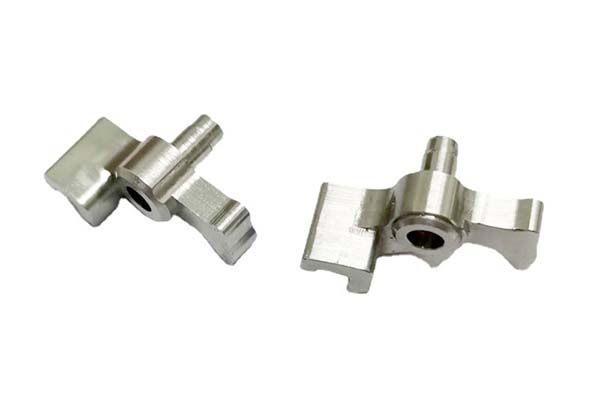
CNC precision components come in many forms, each serving critical functions across industries.
| Component Type | Common Applications | Precision Requirements |
|---|---|---|
| Shafts | Automotive engines, industrial machinery | Diameter tolerance as low as ±0.002 mm for crankshafts |
| Gears | Aerospace engines, power transmission systems | Tooth profile errors within micrometers |
| Molds | Plastic product manufacturing, die-casting | Surface roughness Ra 0.1–0.8 µm |
| Connectors | Electronics, telecommunications | Contact position tolerance ±0.05 mm |
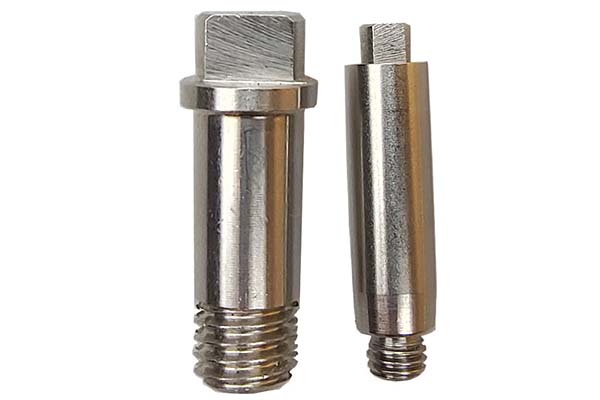
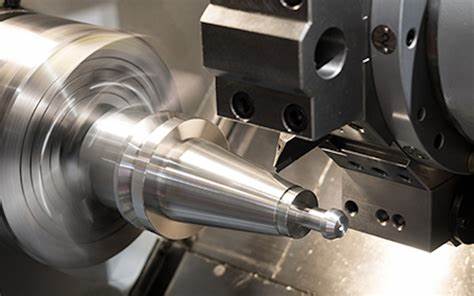
Shafts: Long, cylindrical components that transmit rotational motion. In automotive engines, crankshafts convert reciprocating piston motion into rotation. CNC machining creates complex features like journals and crank throws with extreme precision. A high-performance engine crankshaft may require diameter tolerance as low as ±0.002 mm to ensure smooth operation and minimize wear.
Gears: Used to transmit power and change speed and direction. In aerospace, gears in engines and landing gear systems demand high precision in tooth profile and pitch. CNC machining achieves tooth profile errors within a few micrometers, ensuring quiet operation, efficient power transfer, and long-term reliability.
Molds: Used in injection molding and die-casting. For plastic products like mobile phone cases, the mold cavity must be an exact replica of the final design. CNC machining achieves surface roughness values as low as Ra 0.1–0.8 µm, essential for producing high-quality plastic parts with good surface finish.
Connectors: In electronics, high-speed data transmission connectors require precise alignment of contact points. Tolerances as small as ±0.05 mm maintain stable electrical connections and prevent signal loss or interference.
How Does CNC Technology Deliver Precision?
Advanced Machine Capabilities
Modern CNC machines incorporate features that enable extraordinary accuracy.
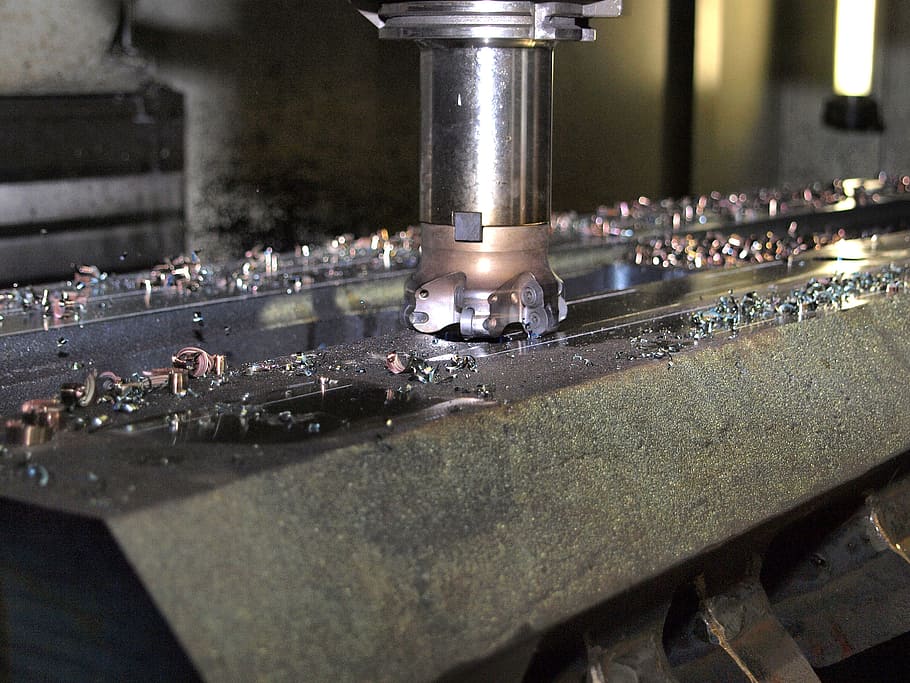
Multi-axis control: While basic 3-axis machines move in X, Y, and Z directions, advanced machines offer 4, 5, or more axes. 5-axis machining allows simultaneous movement in five directions, enabling complex parts in a single setup. This reduces errors from multiple repositioning and improves accuracy by up to 50% for complex components.
High-speed spindles: Spindle speeds up to 30,000–40,000 RPM allow lighter cuts at faster feeds, reducing heat buildup and tool deflection—both enemies of precision.
Thermal compensation: Advanced controls monitor temperature changes in machine components and automatically adjust tool paths to compensate for thermal expansion. This reduces errors by 40% in long production runs.
Closed-loop feedback: Encoders on machine axes continuously report actual position back to the control. If deviation occurs, the control corrects instantly. This maintains positioning accuracy to within ±0.001 mm or better.
Tooling and Workholding
Precision requires stable cutting tools and secure workpiece holding.
Tool runout: The deviation of the cutting edge from the spindle centerline. High-quality tool holders (heat shrink or hydraulic) achieve runout below 0.002 mm, essential for tight tolerances.
Tool coatings: Titanium nitride (TiN), aluminum titanium nitride (AlTiN), and diamond coatings reduce wear, maintaining edge sharpness and accuracy longer.
Workholding: Fixtures must hold parts rigidly without distortion. Thin-walled parts may require specialized clamping to prevent deformation. Vacuum chucks, hydraulic fixtures, and custom workholding solutions are common for precision work.
How Does Quality Control Ensure Exactness?
Inspection Throughout Production
Quality control for CNC precision components is not a final step—it is embedded in every stage.
Incoming material inspection: Raw materials are verified against specifications before machining begins. This prevents surprises from material variations.
In-process inspection: During machining, operators check critical dimensions. Real-time monitoring systems can detect deviations and adjust parameters before parts go out of spec.
Final inspection: Completed parts undergo comprehensive verification using advanced measurement tools.
| Tool | Accuracy | Application |
|---|---|---|
| CMM (Coordinate Measuring Machine) | ±0.5 μm | Complex 3D geometries; full dimensional verification |
| Laser micrometer | ±0.1 μm | Precision diameter measurement |
| Surface profilometer | 0.01 μm Ra | Surface finish verification |
| Optical comparator | ±0.001 mm | Contour and profile inspection |
Statistical Process Control
SPC monitors process variation over time. Control charts track critical dimensions, identifying trends before they become defects.
Data point: A valve manufacturer implemented SPC on CNC turning operations and reduced out-of-tolerance parts by 45% within six months.
First Article Inspection
For new parts or significant process changes, First Article Inspection (FAI) verifies that the manufacturing process produces parts meeting all specifications. Every dimension is measured and documented. This ensures the process is capable before full production begins.
How Do CNC Precision Components Compare to Traditional Manufacturing?
Side-by-Side Comparison
| Aspect | CNC Precision Manufacturing | Traditional Manufacturing |
|---|---|---|
| Precision | Tolerances to ±0.001 mm; micron-level accuracy | Tolerances typically ±0.1–0.5 mm |
| Production efficiency | High-speed, automated; continuous operation | Manual; operator-dependent speed |
| Initial investment | High (equipment, software, training) | Low to moderate |
| Long-term cost | Lower per-unit cost for volume production | Higher labor and rework costs over time |
| Complex shapes | Excellent; multi-axis handles intricate 3D geometries | Limited; multiple setups required |
| Consistency | Highly consistent; computer-controlled | Operator-dependent; fatigue affects quality |
Real-world impact: A manufacturer producing 5,000 identical components switched from manual machining to CNC. Scrap rate dropped from 8% to under 1%. Cycle time per part decreased by 40%. Despite higher equipment investment, the payback period was 14 months.
What Skills Enable Precision Machining?
Beyond Machines: The Human Factor
Advanced equipment alone does not guarantee precision. Skilled operators and engineers are essential.
Programming expertise: CAM programmers must understand toolpath strategies that balance speed and accuracy. They select appropriate tools, calculate feeds and speeds, and simulate operations to detect issues before cutting.
Setup skills: Proper fixturing and tool setting are critical. A machinist who understands how to minimize runout, compensate for tool deflection, and secure parts without distortion makes the difference between success and scrap.
Problem-solving: When deviations occur, skilled machinists diagnose root causes—tool wear, thermal effects, machine calibration—and implement corrective actions.
Continuous learning: As machines and software evolve, operators must stay current. Leading companies invest in ongoing training to maintain their precision advantage.
Where Are CNC Precision Components Applied?
Aerospace: Extreme Reliability
Aerospace components face extreme conditions—high temperatures, pressures, and mechanical stress. CNC precision machining delivers:
- Turbine blades: Complex aerodynamic shapes with tolerances to ±0.005 mm; withstand 1,700°C
- Structural components: Lightweight, high-strength parts with precise mounting interfaces
- Landing gear: Critical safety components requiring absolute reliability
Medical: Life-Saving Precision
Medical devices demand precision that directly affects patient outcomes:
- Implants: Hip and knee replacements with tolerances to ±0.001 mm; perfect anatomical fit
- Surgical instruments: Sharp edges and precise mechanisms for delicate procedures
- Diagnostic equipment: Components that maintain alignment for accurate imaging
Automotive: Performance and Efficiency
Modern vehicles incorporate dozens of precision components:
- Engine parts: Pistons, crankshafts, camshafts with tolerances affecting fuel efficiency
- Transmission gears: Quiet operation, efficient power transfer
- Fuel systems: Precise flow control for emissions and performance
Electronics: Miniaturization
Consumer electronics demand ever-smaller components with exacting tolerances:
- Connectors: Precise contact alignment for high-speed data
- Housings: Tight fits for water resistance and durability
- Heat sinks: Optimized geometry for thermal management
Yigu Technology’s Perspective
At Yigu Technology, we have seen firsthand how CNC precision components drive quality in modern manufacturing. The exactness of these components directly impacts the performance and reliability of final products—whether a complex plastic part for a medical device or a metal component for industrial equipment.
Our investment:
- State-of-the-art CNC equipment: 5-axis machining centers, precision lathes, and grinding capabilities
- Skilled engineers and technicians: Proficient in programming, optimization, and problem-solving
- Rigorous quality control: In-process inspection, CMM verification, SPC monitoring
Recent example: A medical device client required titanium implant components with ±0.0015 mm tolerances and surface finish below Ra 0.2 μm. Using precision turning with in-process gauging and CMM verification, we delivered 1,200 parts with zero rejects. The client reported consistent assembly fit and eliminated post-machining inspection bottlenecks.
We believe precision is not an option—it is a requirement. Every micron matters. Every part must meet specifications. This commitment to exactness is what enables our clients to build products that perform reliably in demanding environments.
Conclusion
CNC precision components achieve exactness through a combination of advanced technology, rigorous processes, and skilled expertise. Multi-axis machines, thermal compensation, and closed-loop controls deliver accuracy measured in microns. Quality systems—in-process inspection, CMM verification, SPC—ensure consistency across production runs. Skilled programmers and machinists optimize processes and solve problems when they arise.
Compared to traditional manufacturing, CNC offers superior precision, consistency, and ability to handle complex geometries. While initial investment is higher, long-term cost per unit is lower for volume production due to reduced waste and rework.
From aerospace to medical devices, automotive to electronics, CNC precision components enable the technologies that define modern life. Understanding how they achieve exactness helps engineers specify better parts, manufacturers produce higher quality, and businesses compete in demanding markets.
FAQ
What is the typical precision level that CNC precision components can achieve?
CNC precision components typically achieve tolerances in the range of ±0.001–0.05 mm. In high-end applications like aerospace or medical device manufacturing, tolerances can be as low as ±0.001 mm, ensuring the highest level of accuracy for critical parts such as engine components or surgical implants.
How does the cost of CNC-manufactured components compare to traditional manufacturing in the long run?
For large-scale production, CNC-manufactured components often have a lower cost per unit. Although CNC requires high initial investment in equipment, software, and training, its high efficiency and low error rate reduce waste and rework. Traditional manufacturing has lower initial equipment costs but higher labor costs and more errors, leading to increased material waste and rework costs over time.
Can CNC precision components be used in small-scale production?
Yes, CNC precision components are well-suited for small-scale production. The flexibility of CNC programming allows for quick changes between different part designs. It ensures high-quality, consistent parts even in small quantities. The high precision reduces the risk of defective parts, eliminating the need for large production runs to justify the cost.
What is the most important factor in achieving CNC precision?
All factors matter, but process stability is arguably most critical. A stable process—consistent machine condition, proper tooling, controlled environment, and verified programs—produces accurate parts repeatedly. When any variable changes (tool wear, temperature drift, material variation), precision suffers. Leading manufacturers monitor and control these variables systematically.
How does machine calibration affect precision?
Machine calibration ensures that commanded positions match actual positions. Over time, mechanical wear, temperature changes, and normal operation cause drift. Annual calibration by certified technicians reduces errors by 30–50%. For high-precision work (tolerances ±0.002 mm or tighter), calibration every 3–6 months is recommended.
Contact Yigu Technology for Custom Manufacturing
Need CNC precision components that meet the tightest tolerances? Yigu Technology combines advanced equipment, skilled engineers, and rigorous quality systems to deliver parts you can rely on.
- Machining: CNC milling (3, 4, 5-axis), CNC turning, Swiss-type turning, grinding
- Components: Shafts, gears, molds, connectors, custom parts
- Materials: Aluminum, steel, stainless steel, titanium, engineering plastics
- Quality: In-house CMM inspection; SPC monitoring; full traceability
- Certifications: ISO 9001, IATF 16949
Contact our engineering team to discuss your precision component requirements. We will provide DFM feedback, process recommendations, and a manufacturing plan optimized for your specifications. Let us deliver the exactness your products demand.