Introduction
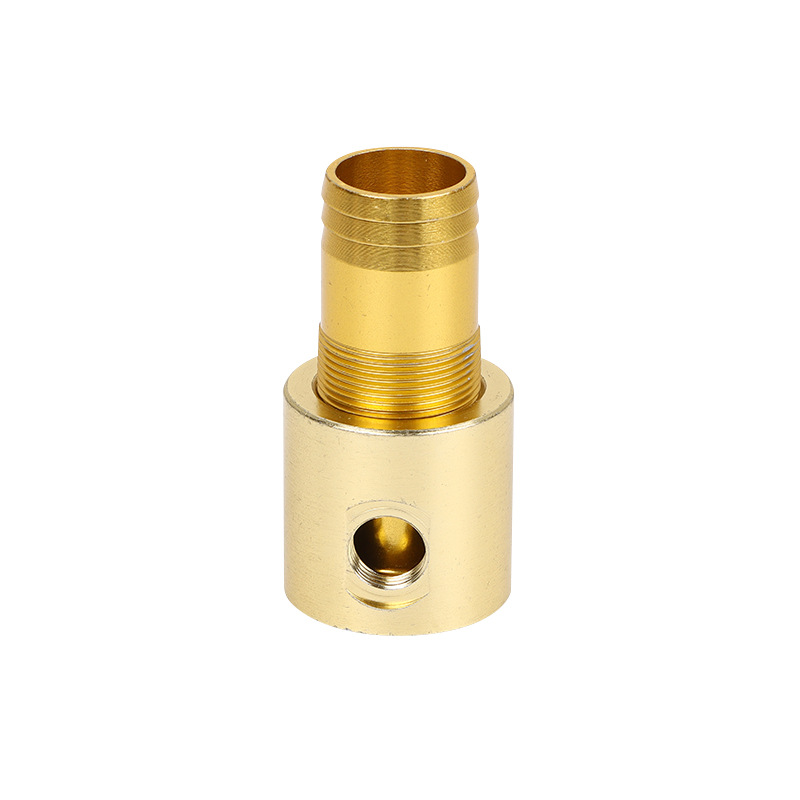
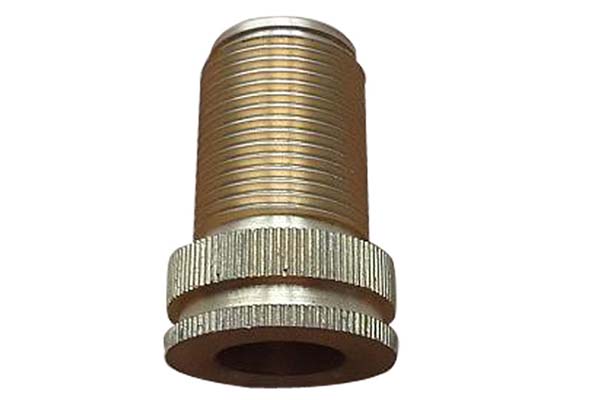
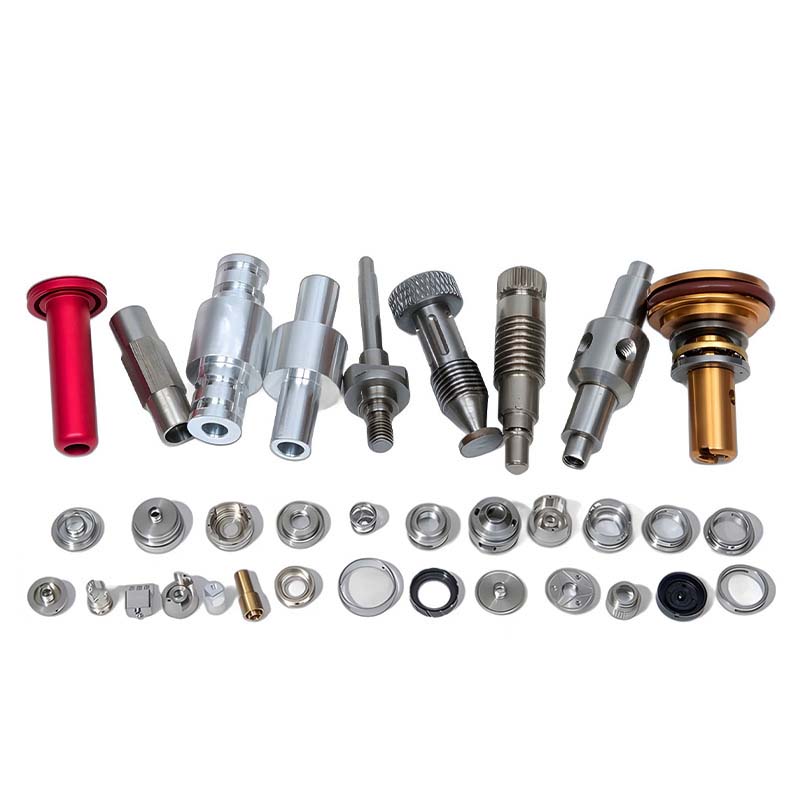
Turning manufacturing is a fundamental machining process that plays a pivotal role in industry. It involves rotating a workpiece on a lathe while a cutting tool removes material to create the desired shape. This process is widely used for producing cylindrical parts with high precision—shafts, bushings, and bolts. From automotive engine components to aerospace landing gear, turning manufacturing is the backbone of countless industries. This guide explores how turning manufacturing boosts productivity through advanced machinery, cutting-edge tooling, process optimization, and real-world success stories.
What Are the Mechanisms of Productivity Boost in Turning Manufacturing?
Advanced Machinery and Technology Adoption
High-Precision CNC Machines
High-precision CNC (Computer Numerical Control) machines have revolutionized turning manufacturing. These machines operate on pre-programmed instructions, enabling high automation and precision control—unlike traditional lathes that rely heavily on operator skill.
| Metric | Traditional Lathes | High-Precision CNC Machines |
|---|---|---|
| Processing accuracy | 0.1 – 0.5 mm | 0.001 – 0.01 mm |
| Spindle speed range | Up to 2,000 RPM | 50 – 5,000 RPM |
| Production time reduction | Baseline | 30–50% faster |
Accuracy example: For a 50 mm diameter shaft, a traditional lathe may produce diameters varying ±0.25 mm. A CNC-turned shaft achieves ±0.005 mm—remarkable improvement, reducing defective products, material waste, rework time, and production costs.
Efficiency example: Faster spindle speeds (up to 5,000 RPM) allow quicker material removal. Rapid positioning reduces tool movement time. Production time for a batch can be reduced by 30–50% compared to traditional lathes.
Cutting-Edge Tooling Materials
Advanced tooling materials withstand high-stress, high-temperature cutting conditions—leading to longer tool life and higher cutting speeds.
| Tool Material | Hardness (HRC) | Max Temperature | Cutting Speed | Tool Life |
|---|---|---|---|---|
| High-Speed Steel (HSS) | 62 – 67 | 550 – 600°C | 50 – 100 m/min | Dozens of parts |
| Cubic Boron Nitride (CBN) | 73 – 83 | Up to 1,000°C | 500 – 1,000 m/min | Hundreds to thousands of parts |
CBN performance: When turning hardened steel, CBN-tipped tools achieve cutting speeds 5–10 times higher than HSS tools. Material removal is faster, reducing machining time per part. Longer tool life reduces change frequency—minimizing downtime and enhancing productivity.
How Does Process Optimization Boost Productivity?
Lean Manufacturing Principles in Turning
Lean manufacturing focuses on eliminating waste, optimizing processes, and continuous improvement.
| Waste Type | Lean Solution | Impact |
|---|---|---|
| Overproduction | Just-in-time (JIT) production—parts produced only when needed | Reduces material, labor, storage waste |
| Waiting time | Cell-based layout—machines for specific operations grouped together | Reduces transport time |
| Excess inventory | Pull-system—production triggered by customer demand | Reduces inventory holding costs |
Case study: An automotive component manufacturer had long lead times, poor scheduling, and high inventory. After implementing lean principles:
- Pull-system reduced overproduction and inventory levels.
- Cell-based layout replaced traditional machine grouping—reducing transport time.
- Production lead time reduced by 40% .
- Overall production efficiency increased by 35% .
Simulation and Modeling for Process Improvement
Simulation software creates virtual models of production processes—testing scenarios and identifying bottlenecks before actual production.
| Benefit | Impact |
|---|---|
| Identify tool-workpiece collisions | Prevents costly errors |
| Optimize cutting parameters | Reduces tool wear, improves quality |
| Eliminate inefficient cutting paths | Reduces cycle time |
| Reduce defective parts | Up to 60% reduction |
| Reduce production cycle time | Up to 25% reduction |
Aerospace example: A manufacturer used simulation to model turning operations for complex aerospace components. By analyzing results, they identified and corrected tool-path issues and optimized cutting parameters. Results:
- Defective parts reduced by 60%
- Production cycle time reduced by 25%
Simulation provided a cost-effective way to improve processes, reduce risks, and enhance productivity.
What Do Real-World Examples Show?
Case Study 1: Automotive Component Manufacturer
Company: ABC Automotive Components
Challenge: Production relied on traditional lathes. Annual production: 500,000 engine shafts. Defect rate: 8% (40,000 shafts reworked or scrapped). Annual cost: $500,000 in raw materials and rework labor.
Solution: Invested in high-precision CNC machines and adopted lean manufacturing principles.
Results:
| Metric | Before | After | Improvement |
|---|---|---|---|
| Annual production | 500,000 units | 800,000 units | +60% |
| Defect rate | 8% | 2% | –6% |
| Raw material/rework savings | — | $350,000/year | Substantial |
| Inventory holding costs | Baseline | –40% | Lean implementation |
| Production lead time | Baseline | –30% | Lean implementation |
Conclusion: Advanced turning technologies and process improvements increased productivity and enhanced market competitiveness.
Case Study 2: Aerospace Parts Production
Company: DEF Aerospace (high-precision components)
Challenge: Manufacturing turbine blades (critical engine components). Batch of 100 blades: 15 days production cycle. Scrap rate: 12% due to dimensional inaccuracies and surface finish issues.
Solution: Invested in latest-generation high-precision CNC turning machines with advanced control systems and high-speed spindles. Used simulation and modeling software to optimize processes. Adopted CBN-tipped tools for higher cutting speeds.
Results:
| Metric | Before | After | Improvement |
|---|---|---|---|
| Production cycle (100 blades) | 15 days | 9 days | –40% |
| Scrap rate | 12% | 3% | –9% |
| Annual production | 2,000 units | 3,000 units | +50% |
Conclusion: Advanced turning technologies and process optimization led to substantial productivity gains while maintaining aerospace quality standards.
Conclusion
Turning manufacturing boosts productivity through three key mechanisms: advanced machinery, cutting-edge tooling, and process optimization. High-precision CNC machines achieve ±0.005 mm accuracy —far surpassing traditional lathes (±0.25 mm)—and reduce production time by 30–50%. Cubic boron nitride (CBN) tools achieve 5–10× higher cutting speeds (500–1,000 m/min vs. 50–100 m/min for HSS) with tool life extending to thousands of parts. Lean manufacturing principles (JIT, cell-based layouts) reduced lead time by 40% and efficiency by 35% in one case. Simulation and modeling reduced defective parts by 60% and cycle time by 25% in aerospace applications. Real-world examples show 60% production growth in automotive and 50% annual output increase in aerospace—demonstrating turning manufacturing’s transformative power.
FAQs
What are the most significant technological advancements in turning manufacturing that boost productivity?
High-precision CNC machines (accuracy ±0.001–0.01 mm, spindle speeds up to 5,000 RPM) and advanced tooling materials like cubic boron nitride (CBN) are the most significant. CBN tools achieve cutting speeds 5–10× higher than HSS and last hundreds to thousands of parts—reducing machining time and tool-change frequency.
How can small- and medium-sized enterprises (SMEs) implement lean manufacturing principles in turning operations?
SMEs can start by identifying and eliminating waste: overproduction, waiting time, excess inventory. Implement just-in-time (JIT) production systems, optimize production layout (consider cell-based layouts), and train employees on lean principles. Value-stream mapping helps visualize and improve processes.
Is simulation and modeling suitable for all types of turning manufacturing processes?
Simulation is highly beneficial for most turning processes, but applicability depends on complexity and data availability. For simple turning operations , the cost-benefit ratio may be lower. For complex parts with tight tolerances and high-stress machining conditions , simulation provides invaluable insights for process optimization—reducing defective parts by up to 60% and cycle time by up to 25%.
Contact Yigu Technology for Custom Manufacturing
At Yigu Technology , we leverage advanced turning manufacturing to boost productivity for our clients. Our high-precision CNC lathes achieve tolerances as tight as ±0.005 mm . We use CBN-tipped tools for high-speed machining of hardened materials. Our lean manufacturing approach—JIT production and cell-based layouts—reduces lead times and waste. From automotive engine shafts to aerospace turbine blades, we deliver precision components with efficiency and quality.
Ready to boost your productivity with advanced turning manufacturing? Contact Yigu Technology today for a free consultation and quote. Let us help you achieve precision, efficiency, and performance in every component.