Overview
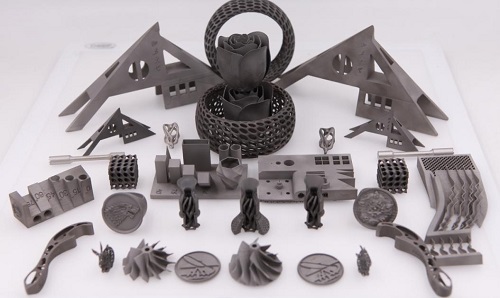
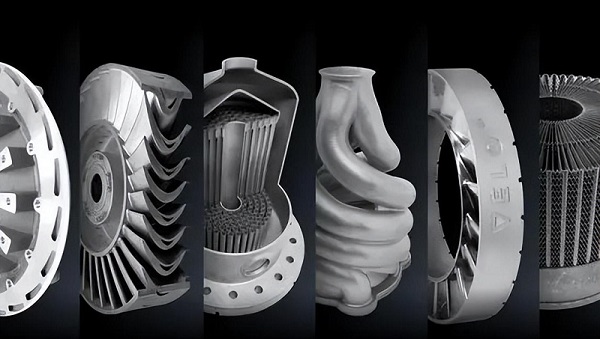
Metal 3D printing is changing how we think about aluminum manufacturing. This technology, also called additive manufacturing, builds parts layer by layer directly from digital designs. It's different from traditional methods like casting or forging that remove material or use molds.
In this article, we'll explore how 3D printing metal is transforming aluminum innovation. You'll learn the key differences between old and new approaches, see real-world examples from aerospace and automotive industries, and understand why this matters for your next project.
How Does Traditional Aluminum Manufacturing Fall Short?
Casting and Its Limits
Casting has been around for centuries. You melt aluminum, pour it into a mold, and wait for it to cool. It works well for simple shapes like engine blocks. But here's the problem: complex internal features are nearly impossible to create. Surface finish is rough too, often requiring extra machining steps.
Forging and Its Challenges
Forging uses compressive force to shape heated aluminum. Parts come out strong with good grain structure. Aircraft components often use this method. However, the dies needed are expensive. Making a design change? That means new dies, more money, and longer waiting times. Small production runs become cost-prohibitive quickly.
What Makes 3D Printing Metal Different for Aluminum?
Direct Metal Laser Sintering (DMLS) Explained
DMLS uses a high-power laser to melt fine aluminum powder. The process follows a 3D model sliced into thin layers. Each layer fuses to the one below it. The result? Complex geometries with tolerances as tight as ±0.05 mm. Imagine creating parts with internal cooling channels that were previously impossible to manufacture.
Electron Beam Melting (EBM) Advantages
EBM works in a vacuum using an electron beam. It melts aluminum powder with precision. The build rate is faster than some other methods because it processes larger powder volumes. Specialized aluminum alloys work well here. The trade-off is higher equipment complexity and cost due to the vacuum requirement.
Traditional vs. 3D Printing: Which Comes Out on Top?
| Factor | Traditional Methods | 3D Printing Metal |
|---|---|---|
| Production Speed | Fast for simple, high-volume parts. Slow for complex or small runs due to tooling setup. | Fast for complex or custom parts. No tooling needed. A small bracket prints in hours, not days. |
| Cost Structure | Low material costs but expensive molds/dies. Economical for large volumes only. | High equipment cost but no tooling. Competitive for small batches. Powder costs are dropping. |
| Design Freedom | Limited by mold constraints. Internal features and undercuts are difficult. | Nearly unlimited complexity. Lattice structures and organic shapes are routine. |
| Precision | Casting: ±0.5-2mm tolerance. Forging requires post-machining for accuracy. | ±0.05-0.1mm tolerance possible. Great for medical and aerospace precision needs. |
How Is Aerospace Using 3D-Printed Aluminum?
GE's Fuel Nozzle Success
General Electric prints fuel nozzles for LEAP engines using DMLS. Each nozzle was originally made from 20 separate parts welded together. Now it's one piece. Weight dropped by 25%, and durability improved five times. These nozzles also mix fuel and air better, boosting combustion efficiency.
Airbus and Weight Reduction
Airbus A350 XWB contains multiple 3D-printed aluminum brackets and structural parts. According to Airbus data, these components help reduce overall aircraft weight significantly. Less weight means lower fuel consumption and reduced carbon emissions. Every kilogram saved matters when you're flying hundreds of aircraft daily.
Satellite Components Get Lighter
Satellites need to be as light as possible to cut launch costs. Research shows 3D-printed aluminum satellite parts can be up to 30% lighter than traditionally manufactured ones. Antenna structures and housings maintain strength while shedding weight. Better heat dissipation designs also improve satellite performance in orbit.
What's Happening in the Automotive World?
Porsche's Record-Breaking Pistons
Porsche 911 GT2 RS now runs on 3D-printed aluminum pistons. These pistons weigh 20% less than forged versions. The weight reduction helps the 700-horsepower engine gain up to 30 additional horsepower. Less piston mass means the engine works less, improving both performance and fuel economy.
Ford's Cost-Saving Brackets
Ford F-250 trucks use 3D-printed aluminum fuel-line brackets. These brackets are 7% lighter than conventional ones. Manufacturing costs dropped by 10%. The design also allows better airflow around the bracket, slightly improving aerodynamics. Small gains add up across millions of vehicles.
Divergent's Revolutionary Chassis
Divergent created a 3D-printed aluminum chassis for supercars. The design uses printed aluminum nodes that assemble into a complete frame. Each node is optimized for its specific location. This approach cuts vehicle weight while maintaining strength. Acceleration, handling, and fuel efficiency all benefit.
Beyond Aerospace and Auto: Who Else Benefits?
Medical Customization Breakthroughs
Custom prosthetics made from 3D-printed aluminum fit patients perfectly. Internal structures can be designed to match bone density and growth patterns. Studies show patients report better comfort and mobility compared to standard prosthetics. Orthopedic implants also benefit from this personalization.
Construction Innovation
Architectural structures now include 3D-printed aluminum components. Complex facades with lattice patterns were impossible before. One recent project used printed aluminum for a building exterior that improved ventilation and natural light. The aesthetic appeal matched functional gains.
Electronics Cooling Solutions
Heat sinks for electronics are getting better with 3D printing. Complex internal channels and fin arrangements boost cooling efficiency. A major electronics manufacturer found their 3D-printed aluminum heat sinks reduced processor temperatures by up to 15°C. Cooler components last longer and perform better.
What Does This Mean for Your Projects?
3D printing metal opens doors that traditional manufacturing keeps locked. You can design parts without worrying about mold constraints or tooling costs. Small production runs become affordable. Customization becomes practical, not prohibitively expensive.
The technology keeps improving too. Equipment costs are gradually decreasing. Aluminum powder prices follow the same trend. More industries are adopting additive manufacturing every year. The question isn't whether to explore it, but how soon you can start.
Conclusion
3D printing metal is fundamentally changing aluminum innovation. Traditional methods like casting and forging have served us well but come with built-in limitations. Additive manufacturing removes those barriers, enabling complex geometries, faster prototyping, and cost-effective small-batch production.
Real-world applications prove the value. Aerospace companies build lighter, stronger components. Automakers improve performance while cutting costs. Medical, construction, and electronics industries find new possibilities daily. The data supports the shift: better precision, reduced weight, and growing economic viability.
For anyone working with aluminum, understanding 3D printing metal technology isn't optional anymore. It's becoming essential knowledge for staying competitive in design and manufacturing.
Frequently Asked Questions
Is 3D printed aluminum as strong as forged aluminum?
Yes, in many cases. Properly printed aluminum parts can match or exceed forged strength. Heat treatment after printing often improves mechanical properties further.
How much does a metal 3D printer cost?
Industrial machines range from $100,000 to over $1 million. However, service bureaus offer printing without the equipment investment. Costs continue decreasing as technology matures.
What aluminum alloys work best for 3D printing?
AlSi10Mg is most common. It offers good strength, corrosion resistance, and thermal properties. New alloys designed specifically for printing are emerging.
How long does it take to print an aluminum part?
Depends on size and complexity. Small brackets may take hours. Larger components can take days. Build time scales with part volume, not geometric complexity.
Can I print aluminum at home?
Not practically. Metal 3D printing requires high-power lasers or electron beams, inert atmospheres, and safety precautions beyond home setups. Use professional services instead.
Contact Yigu Technology for Custom Manufacturing
Need help with your aluminum 3D printing project? Yigu technology combines content expertise with deep engineering knowledge. Our team guides you from design to finished part, ensuring your innovation becomes reality.
We understand both the creative possibilities and technical requirements of 3D printing metal. Whether you need prototypes, small batches, or production parts, we deliver quality results.
Contact us today to discuss your aluminum manufacturing needs. Let's build something extraordinary together.