Introduction
Every product development journey faces the same obstacles: design flaws discovered too late, components that do not fit, materials that fail under real-world conditions. These problems cost time, money, and market opportunities. Precision prototypes are the solution. Unlike rough concept models, precision prototypes are highly accurate representations of the final product—built to tight tolerances, with production-grade materials, and designed for functional testing. They reveal issues when they are still cheap to fix. At Yigu Technology, we have seen how precision prototypes transform development cycles across aerospace, automotive, medical, and consumer industries. This article explores what precision prototypes are, how they are made, and how they solve the most common product development problems.
What Are Precision Prototypes?
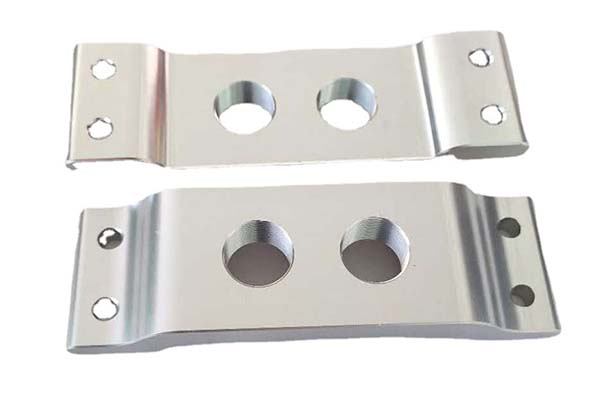
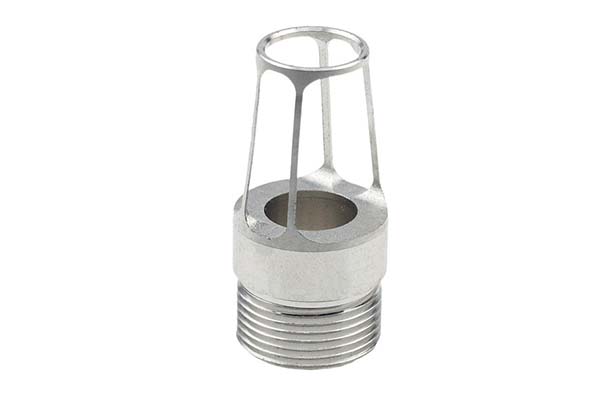
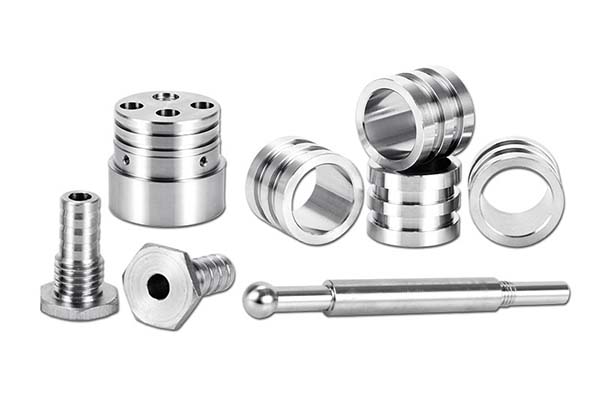
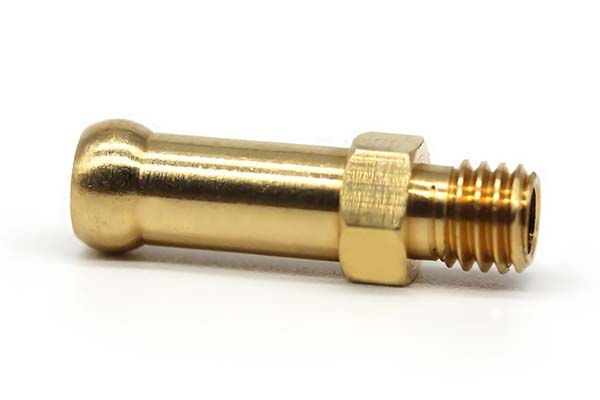
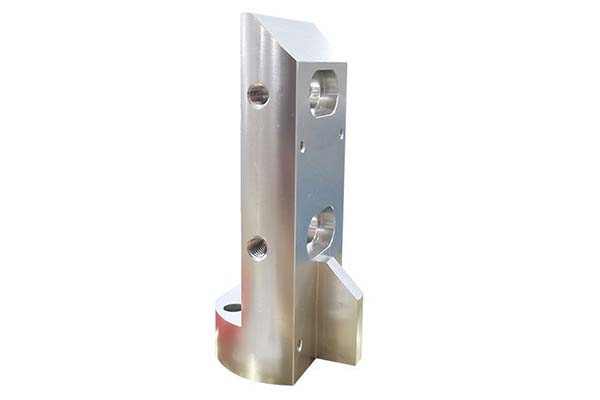
Precision prototypes are highly accurate preliminary models built to closely mimic the final product in form, fit, and function.
Unlike rough prototypes used for early concept exploration, precision prototypes are crafted with tight tolerances—often ±0.05 mm or better—and use materials that match or closely approximate production specifications. They are designed to be tested, evaluated, and validated under real-world conditions.
The goal is not just to see what the product looks like. It is to understand how it performs, how it assembles, and how it withstands use—before committing to production tooling.
What Problems Do Precision Prototypes Solve?
Problem 1: Design Flaws Discovered Too Late
A design that looks perfect on a CAD screen may fail in the physical world. Precision prototypes reveal these flaws early.
Example: An automotive company developing a new engine component used precision prototypes to test fit and thermal performance. The prototypes revealed a clearance issue that would have caused parts to bind at operating temperature. The fix cost $5,000 in design changes. Discovering the same issue after production tooling would have cost $150,000 in rework and delays.
Solution: Precision prototypes allow testing of form, fit, and function before tooling begins. Issues are caught when they are cheap to fix.
Problem 2: Components That Do Not Fit
Assemblies require precise tolerances. A mismatch of 0.1 mm can make a snap-fit fail or a bearing bind.
Example: A medical device company developing a handheld diagnostic tool used precision prototypes to verify the fit of internal electronics. The prototypes revealed that the PCB mounting bosses were 0.2 mm off—a minor error that would have prevented assembly. The design was corrected before production.
Solution: Precision prototypes built to tight tolerances verify assembly fit. They ensure that components align, fasteners engage, and assemblies function as intended.
Problem 3: Material Performance Uncertainty
A part that works in a standard 3D printed resin may fail when injection molded in polycarbonate. Precision prototypes use materials that match production properties.
Example: A consumer electronics company tested a wearable device housing in both standard resin and the production polycarbonate. The polycarbonate prototype revealed that a snap-fit was too stiff, making assembly difficult. The design was modified before tooling.
Solution: Precision prototypes with production-equivalent materials provide accurate data on mechanical performance, thermal behavior, and durability.
Problem 4: Unclear User Experience
A product that looks good on screen may feel wrong in hand. Precision prototypes allow real user testing.
Example: A surgical instrument manufacturer created precision prototypes of a new laparoscopic tool. Surgeons tested the prototypes in simulated procedures. Feedback led to grip angle adjustments that reduced hand fatigue by 25%.
Solution: Precision prototypes enable ergonomic evaluation, user testing, and design refinement based on real-world feedback.
How Are Precision Prototypes Created?
Materials Selection
The right material is essential for accurate testing.
| Material Category | Examples | Properties | Applications |
|---|---|---|---|
| Metals | Stainless steel (304, 316), aluminum (6061-T6), titanium | High strength, corrosion resistance, thermal conductivity | Aerospace, automotive, medical devices |
| Engineering plastics | ABS, polycarbonate, PEEK, nylon | Impact resistance, dimensional stability, biocompatibility | Consumer electronics, medical implants, housings |
| Ceramics | Alumina, zirconia | High temperature resistance, wear resistance, electrical insulation | Electronics substrates, high-temperature components |
Stainless steel: 304 and 316 grades offer corrosion resistance for medical and marine applications. 316 contains molybdenum for enhanced chloride resistance.
Aluminum alloys: 6061-T6 offers good machinability and strength-to-weight ratio. It is widely used for aerospace and automotive prototypes.
PEEK: A high-performance thermoplastic with exceptional mechanical properties, chemical resistance, and biocompatibility. Used for medical implants and aerospace components.
Manufacturing Technologies
Several technologies produce precision prototypes. Each offers different trade-offs.
| Technology | Process | Precision | Materials | Best For |
|---|---|---|---|---|
| SLA 3D printing | Laser-cures liquid resin | ±0.05–0.1 mm | Photopolymer resins | High detail, smooth surfaces, complex geometries |
| SLS 3D printing | Laser-sinters powder | ±0.1–0.3 mm | Nylon, composites | Functional prototypes, durable parts |
| CNC machining | Subtractive from solid block | ±0.001–0.05 mm | Metals, plastics, composites | High precision, production-grade materials |
| EDM | Electrical discharge erosion | ±0.001–0.02 mm | Hard metals | Complex shapes, hard materials, mold details |
CNC machining example: An aerospace company machined a titanium turbine blade prototype with ±0.005 mm accuracy. The prototype was tested under real engine conditions, validating the design before production.
SLA 3D printing example: A dental lab used SLA to create surgical guides with ±0.05 mm accuracy. The guides ensured precise implant placement, reducing surgery time.
SLS 3D printing example: An automotive supplier used SLS nylon to prototype an engine bracket. The part withstood vibration testing, validating the design for production.
What Are the Industry Applications?
Automotive Industry
Precision prototypes are essential for developing safe, reliable vehicles.
Engine components: Cylinder heads, intake manifolds, and turbocharger components are prototyped in aluminum or steel. Testing validates thermal performance, stress distribution, and fit.
Exterior body panels: Precision prototypes ensure exact dimensions for aerodynamics and structural integrity. A study by an automotive research firm found that using precision prototypes reduced design iterations by 30% , leading to significant cost savings.
Interior components: Dashboard panels, door handles, and control interfaces are prototyped for ergonomics and aesthetics.
Aerospace Industry
In aerospace, precision is not optional—it is a requirement.
Wing components: Precision prototypes are tested in wind tunnels to validate aerodynamic performance. Advanced 3D printing and CNC machining achieve accuracy to ±0.01 mm.
Spacecraft components: Satellite antenna prototypes must meet exact specifications for signal reception in space. The Aerospace Industry Association reports that precision prototypes have reduced satellite failure rates by 25% over the past decade.
Engine components: Turbine blades and combustion chambers are prototyped in high-temperature alloys. Testing validates performance under extreme conditions.
Medical Device Industry
Precision prototypes save lives by enabling accurate testing of medical devices.
Implantable devices: Pacemaker prototypes are built to exact dimensions to ensure proper fit in the human body. Electrical and mechanical functions are tested thoroughly.
Surgical instruments: Precision prototypes allow surgeons to test ergonomics and functionality in simulated procedures. Refinements based on feedback lead to more effective tools.
Custom implants: Patient-specific implants are prototyped from CT scans. Precision ensures perfect fit, improving outcomes.
Consumer Goods
Precision prototypes help consumer goods companies refine products before launch.
Smartphone cases: Precision prototypes verify cutout positions, button feel, and assembly tolerances.
Wearable devices: Prototypes allow user testing of fit, comfort, and durability.
Kitchen appliances: Precision prototypes validate ergonomics, assembly, and performance.
How Does Yigu Technology Approach Precision Prototypes?
At Yigu Technology, we have developed a comprehensive approach to precision prototyping.
Design Collaboration
We work with clients from the earliest design stages. Our engineers review CAD models for manufacturability, tolerance feasibility, and material selection. We identify potential issues before manufacturing begins.
Material Selection Guidance
We help clients choose the right material for their testing objectives. For medical devices, we recommend biocompatible materials. For automotive underhood components, we suggest high-temperature alloys. For consumer products, we balance aesthetics, cost, and performance.
Advanced Manufacturing
Our facility includes:
- 5-axis CNC machining for complex geometries
- SLA and SLS 3D printing for rapid iteration
- EDM for hard materials and intricate features
- CMM inspection for quality verification
Quality Assurance
Every precision prototype undergoes dimensional inspection. CMM measurements verify tolerances. Material certifications ensure properties match specifications.
What Is the Typical Lead Time and Cost?
| Factor | Impact |
|---|---|
| Simple SLA prototype | 3–5 days; $100–$300 |
| Complex CNC-machined metal prototype | 7–14 days; $1,000–$5,000 |
| Materials | PEEK costs significantly more than ABS |
| Complexity | Multi-component assemblies, tight tolerances, and post-processing extend lead time and cost |
A small, simple plastic prototype might cost $100–$300 and ship in 3–5 days. A complex metal prototype requiring CNC machining and multiple operations might cost $2,000–$5,000 and take 10–14 days.
Yigu Technology's Perspective
As a custom manufacturer of plastic and metal parts, Yigu Technology sees precision prototypes as essential to successful product development.
What we have learned:
- Start with precision early: The earlier you validate with accurate prototypes, the less rework you face later.
- Match material to objective: Use production-equivalent materials when you need accurate test data. Use lower-cost materials for form studies.
- Plan for iteration: Even with precision prototypes, expect multiple cycles. Budget time and resources accordingly.
- Involve manufacturing partners early: DFM feedback during prototyping prevents costly production issues.
Precision prototypes are not an expense. They are an investment that reduces risk, accelerates time-to-market, and leads to better products.
Conclusion
Precision prototypes solve the most common product development problems: design flaws discovered too late, components that do not fit, uncertain material performance, and unclear user experience. By building accurate models with production-grade materials and tight tolerances, they enable testing, validation, and refinement before production tooling begins.
The choice of materials and manufacturing technologies is critical. CNC machining delivers unmatched precision for metal and engineering plastic prototypes. SLA and SLS 3D printing offer speed and complexity for detailed parts. EDM handles hard materials and intricate features.
Whether you are developing an aircraft engine component, a surgical instrument, or a consumer wearable, precision prototypes are the bridge between concept and production. They reveal what works, what needs improvement, and what is ready to move forward.
Frequently Asked Questions
What is the typical lead time for creating precision prototypes?
Lead time varies by complexity and technology. Simple SLA prototypes can be ready in 3–5 days. Complex CNC-machined prototypes typically take 7–14 days. Prototypes requiring specialized materials or extensive post-processing may take 2–3 weeks.
How much do precision prototypes cost?
Cost depends on material, complexity, and technology. A simple SLA plastic prototype may cost $100–$300. A complex CNC-machined metal prototype may cost $1,000–$5,000 or more. High-performance materials like PEEK increase cost.
What is the difference between precision prototypes and rapid prototypes?
Rapid prototypes prioritize speed and often use standard materials with lower precision. Precision prototypes prioritize accuracy, tight tolerances, and production-equivalent materials. Precision prototypes are used for functional testing and final validation; rapid prototypes are used for early concept exploration.
Can precision prototypes be used for regulatory testing?
Yes, when built with production-equivalent materials and processes. For medical devices, prototypes made from biocompatible materials with documented processes can support regulatory submissions. Always verify requirements with your testing lab.
How do I choose between CNC machining and 3D printing for my precision prototype?
Choose CNC machining when you need production-grade materials (metals, engineering plastics), tight tolerances (±0.001–0.05 mm), or large parts. Choose 3D printing when you need complex geometries, fast turnaround, or lower cost for small parts. Many projects use both—3D printing for early iterations, CNC for final validation.
Contact Yigu Technology for Custom Manufacturing
At Yigu Technology, we specialize in precision prototypes and custom manufacturing. Our capabilities include CNC machining, SLA and SLS 3D printing, EDM, and CMM inspection. We serve aerospace, automotive, medical, and consumer goods industries.
If you are developing a new product and need precision prototypes to validate your design, contact our engineering team. Let us help you solve your product development problems with accuracy, quality, and speed.