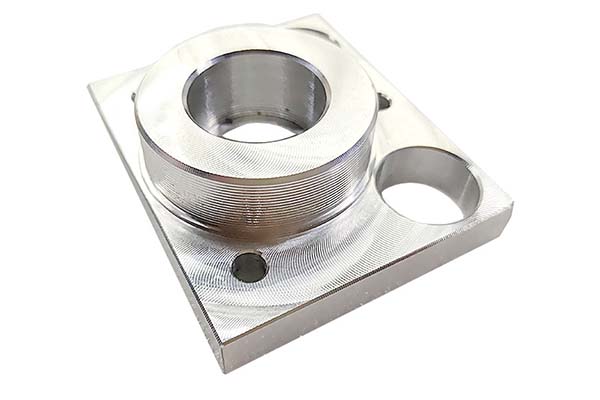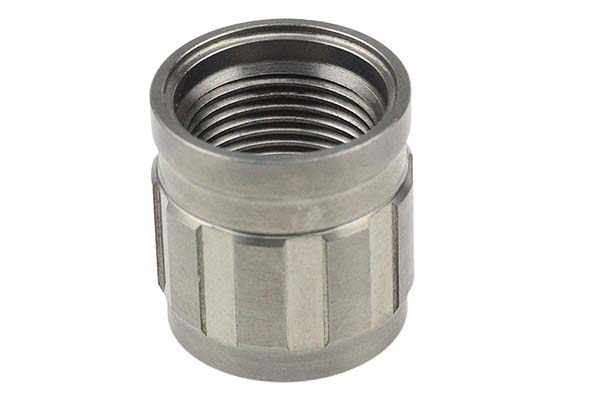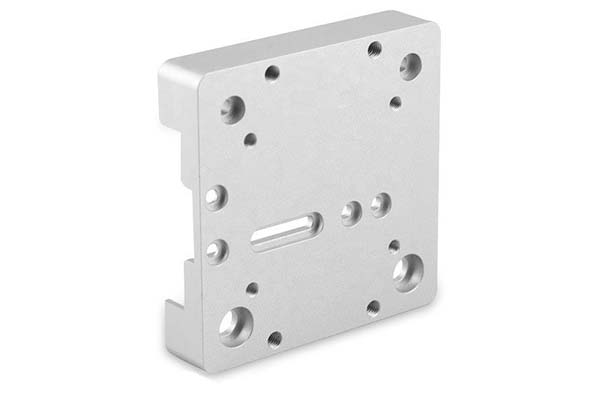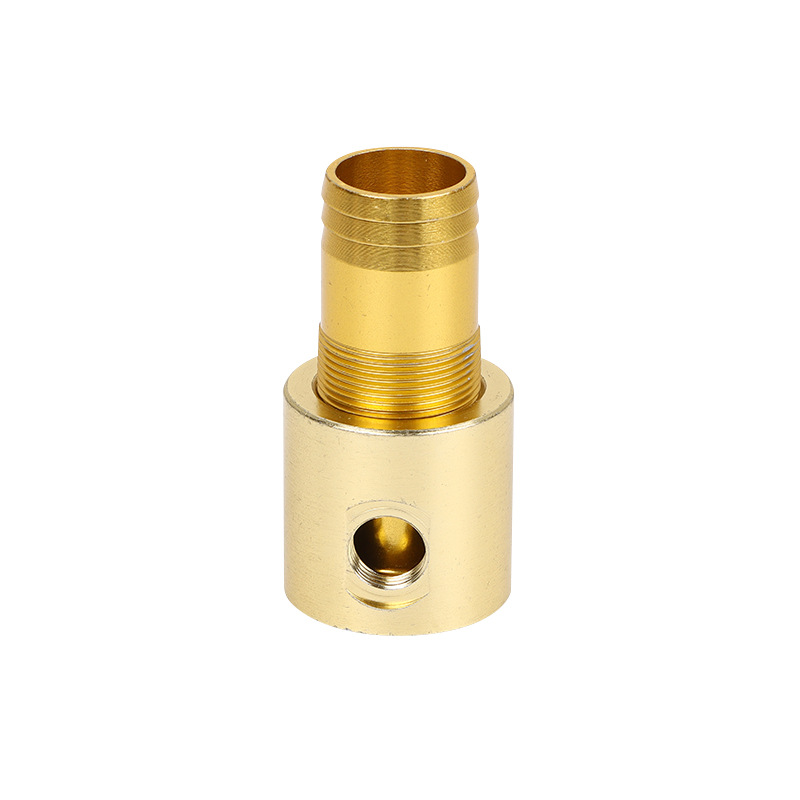
In modern industrial production, the choice of CNC manufacturing company directly impacts product precision, production efficiency, and project costs. Whether it's prototyping for a startup or mass production for a large enterprise, finding a matching CNC machining partner is key. This article will comprehensively dismantle the core logic of CNC manufacturing from basic cognition to practical choices, helping you pinpoint high-quality suppliers.
1. Understand first: What exactly is CNC machining?
If you want to choose the right partner, you must first clarify the core concept - after all, even the basic definition is vague, and it is easy to step on the pit in communication.
1. Core definitions and principles
- What is CNC machining: Simply put, it is "Computer Numerical Control", which allows the machine tool to automatically complete cutting, engraving, grinding and other processing actions by writing program instructions, without the need for manual operation.
- Definition of CNC machining: The essence is the automatic processing method of digital control, compared with traditional manual processing, it can control the error to the micron level, and the mass production is extremely consistent.
- CNC manufacturing principle: The core is "program-driven machine tool" - first design a 3D model through CAD software, and then use CAM software to generate G-code/M-code, after the machine reads the instructions, control the relative movement of the tool and the workpiece, and accurately remove excess material.
- Computer numerical control technology foundation: It integrates multidisciplinary technologies such as mechanical design, computer programming, sensor detection, and automatic control, and the core components include numerical control systems (such as FANUC, Siemens), drive motors, spindles, tool magazines, etc.
- The global CNC machine tool market size reached $85 billion in 2023 and is expected to exceed $120 billion by 2028 (Source: Grand View Research);
- Precision CNC machining can have tolerance accuracy as low as ±0.005mm, equivalent to 1/14 of the diameter of a hair;
- CNC machined parts in the aerospace field account for more than 70%, directly affecting aircraft safety and fuel efficiency.
Second, What Core Services Can CNC Manufacturing Companies Provide?
Different companies have different equipment configurations and technical focuses, and understanding the types of services can accurately match the needs.
| Type of service | Core strengths | Applicable scenarios | Real case |
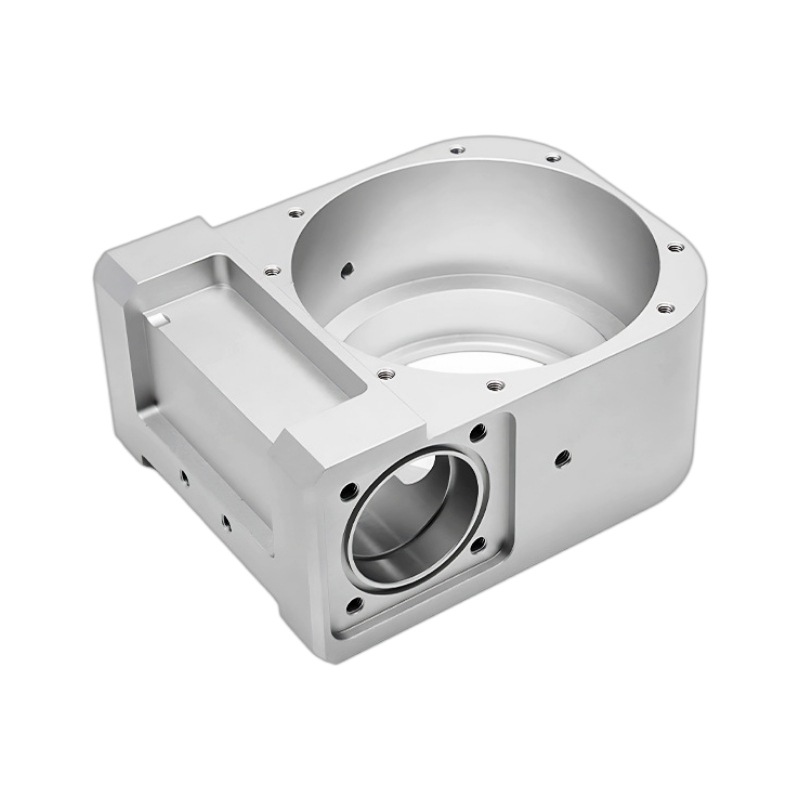
| CNC milling machining | It can machine complex curved surfaces, notches, and holes, with spindle speeds up to 30,000rpm | Mold cavities, mechanical structural parts | An auto parts company uses CNC milling to machine transmission housings, increasing the pass rate from 82% to 99.5% of conventional machining |
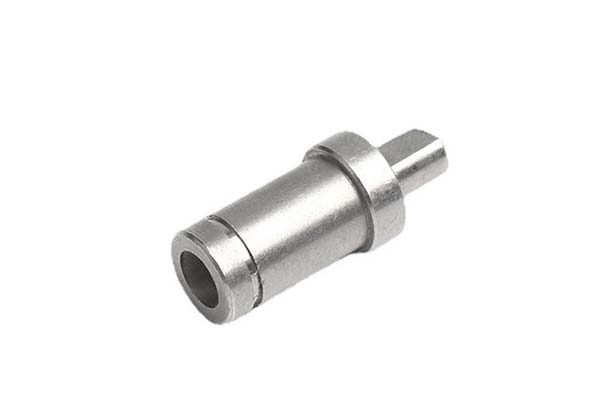
| CNC turning machining | Efficient production of cylindrical/symmetrical parts with a single machining time of as little as 30 seconds | Shaft parts, bolts, sleeves | Medical device companies mass-produce artificial joint shanks through CNC turning, with a monthly output of 5,000 pieces and a tolerance of ±0.01mm |
| Precision CNC machining | Micron-level accuracy, support multi-material high-precision processing | Aerospace components, sensor components | The engine blade machining of an aerospace company uses precision CNC technology with a surface roughness of Ra≤0.8μm |
| 5-axis CNC machining | Multi-angle cutting with fewer clamping times (up to 80% reduction) | Complex special-shaped parts, impellers, frames | New energy vehicle companies use 5-axis CNC machining battery pack holders, reducing the processing cycle from 4 hours for traditional 3-axis to 1.5 hours |
| Prototyping | Quickly convert design drawings and deliver samples in as fast as 24 hours | Product development verification, market testing | A consumer electronics company verified assembly feasibility by using CNC prototyping to complete a sample of a new headphone case in 3 days |
| Mass production | High degree of automation and consistent yield (typically ≥ 98%) | Auto parts, electronic accessories | The CNC production line has a daily production capacity of 20,000 pieces and a consistency error of < 0.02mm |
3. Core Application Areas of CNC Manufacturing: What Are the Focuses of Different Industries?
A quality CNC company will be deeply involved in a specific industry and will be able to judge its expertise by understanding the application scenarios.
1. Aerospace CNC Machining
- Core requirements: processing of high-temperature resistance and high-strength materials (such as titanium alloy, Inconel alloy) with a tolerance ≤± 0.01mm, and must pass AS9100 certification;
- Typical parts: engine turbine blades, fuselage structural parts, aviation fasteners;
- Industry pain points: Difficult materials to cut (titanium alloy cutting speed is only 1/4 of steel), CNC companies need to be equipped with high-pressure cooling systems and specialized tools.
2. Auto parts manufacturing
- Core requirements: high mass production efficiency, strict cost control, IATF 16949 certification;
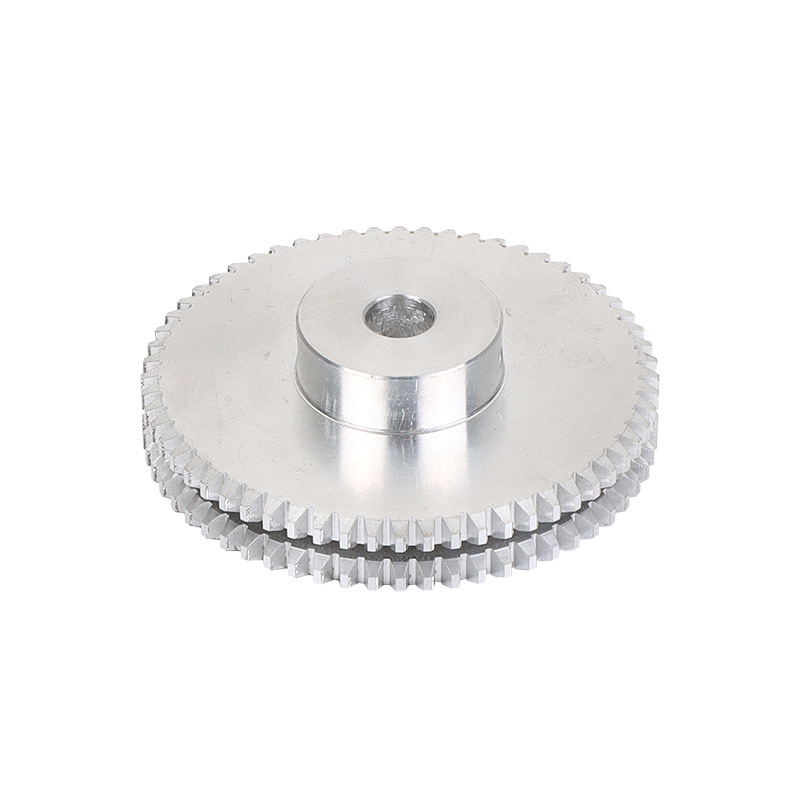
- Typical parts: engine block, gearbox gear, suspension system linkage;
- Technology trends: New energy vehicles promote lightweight processing, and the demand for CNC machining of aluminum alloys and carbon fiber composites has increased by 15% year-on-year.
3. Medical Device CNC Machining
- Core requirements: Biocompatible materials (such as medical stainless steel, titanium alloy) are processed without burrs on the surface, and ISO 13485 certification is required;
- Typical parts: surgical instruments, artificial joints, medical equipment shells;
- Key criteria: GMP (Good Manufacturing Practices) are required to avoid material contamination.
4. Metal processing for electronic products
- Core requirements: miniaturization, high precision, support thin-walled parts processing (minimum 0.1mm);
- Typical parts: mobile phone metal middle frame, laptop hinge, camera stand;
- Process matching: often combined with anodizing, sandblasting and other surface treatments to enhance the texture of the product.
5. Mold manufacturing
- Core requirements: high surface finish (Ra≤0.4μm), mold life ≥ 100,000 times;
- Typical molds: injection mold cavities, stamping mold edges;
- Technical Focus: CNC milling + EDM (Electric Discharge Machining) combination to ensure precision in complex cavities.
4. How to Choose a Reliable CNC Manufacturing Company? 6 evaluation criteria
This is the core practical content of this article, combined with industry experience to summarize the selection method that can be implemented.
1. Technical strength: equipment and team are the foundation
- Equipment configuration: Prefer companies with 5-axis CNC machines (such as DMG MORI, HAAS), precision inspection equipment (coordinate measuring instrument, laser interferometer);
- Team background: Technicians need to have more than 5 years of industry experience and be able to independently solve problems such as programming and tool selection.
- Verification method: It is required to check the equipment list and technical personnel qualification certificates, and even the production workshop can be inspected.
2. Quality control: The system is more important than the slogan
- Core standards: whether it has passed industry certifications such as ISO 9001 (basic), AS9100 (aerospace), IATF 16949 (automotive), etc.;
- Quality control process: whether there is a complete process of first article inspection, process inspection, and finished product inspection, and whether quality inspection reports (such as CMM reports) can be provided;
- Real case: A machinery company once chose a CNC supplier without a quality control system, resulting in all 1,000 parts being out of order, resulting in a loss of more than 500,000 yuan.
3. Delivery capacity: punctuality affects project schedule
- Production cycle: usually 3-7 days for prototype manufacturing, 7-15 days for mass production, you need to confirm whether the supplier's production capacity matches your delivery requirements;
- Emergency capability: whether there are spare machine tools and overtime capacity, whether it can respond to urgent orders (such as 24-hour expedited orders);
- Communication efficiency: whether the response time is ≤ 2 hours, and whether the production progress can be fed back in a timely manner.
4. Materials and Craftsmanship: Match your product needs
- Material coverage: whether you can process the materials you need (such as titanium alloy, PEEK plastic), and whether you have corresponding processing experience;
- Process support: whether it can provide one-stop services such as surface treatment (anodizing, electroplating, passivation), heat treatment, etc.;
- Cost optimization: whether process optimization suggestions can be provided according to product drawings to reduce processing costs (such as simplifying the structure and selecting alternative materials).
5. Word of mouth and cases: The evaluation of old customers is the most real
- Customer type: whether there are well-known customer cases in the same industry, whether they can provide customer reference (confidentiality agreement needs to be signed);
- Online reviews: You can check customer ratings and reviews on platforms such as Baidu and Alibaba, focusing on complaints.
- Cooperation stability: whether the cooperation period with core customers is ≥ 3 years, and whether the proportion of long-term cooperation customers is ≥ 60%.
6. Price: The cheaper the price, the better
- Quotation logic: reasonable quotation should include material cost, processing fee, equipment depreciation, quality inspection fee, profit, etc., too low a quotation may hide quality risks;
- Price comparison suggestions: Consult 3-5 suppliers at the same time, focusing on comparing the comprehensive cost performance of "price + quality + delivery" rather than a single price.
V. Materials and Processes: The core technical details of CNC machining
Knowing these details will allow you to be more professional when communicating with suppliers and avoid being "fooled".
1. Common processing materials and characteristics
| Material type | Representative material | Processing difficulty | Applicable Industries |
| Metal material | Aluminum alloy 6061 | low | Electronics, automobiles |
| Stainless steel 304 | Medium | Medical devices, machinery | |
| Titanium alloy Ti-6Al-4V | High | aerospace, medical | |
| Plastic material | PEEK | Medium | Medical devices, electronics |
| PC | low | Shell, structural parts |
2. Key process technologies
- Surface treatment: anodizing (improving hardness and aesthetics), electroplating (rust prevention, conductivity), passivation (stainless steel rust prevention);
- Tolerance and accuracy: Tolerance ±0.05mm for ordinary CNC machining and 0.005-0.01mm for precision machin±ing, which need to be selected according to the product application;
- Tool selection: Carbide tools for machining aluminum alloys and PCD (polycrystalline diamond) tools for machining titanium alloys, the quality of the tools directly affects the machining accuracy and efficiency.
6. Yigu Technology's views
As a company that has been deeply involved in the CNC manufacturing field for 12 years, Yigu Technology believes that the core of choosing a CNC manufacturing company is "matching" - small R&D companies can prioritize suppliers with fast response and high flexibility, while large production companies need to focus on production capacity, quality control systems, and cost control. In the future, CNC machining will develop towards "intelligence + green", 5G and AI technology will further improve machining accuracy and efficiency, and environmentally friendly materials and energy-saving machine tools will become industry trends. It is recommended that enterprises clarify their own needs before cooperation, verify the strength of suppliers through sample testing, and establish long-term and stable cooperative relations in order to gain an advantage in the fierce market competition.
7. FAQ
- What is the difference between CNC milling and CNC turning?
Answer: Milling is the rotation of the tool and the fixation of the workpiece, suitable for complex shapes; Turning is the rotation of the workpiece and the fixation of the tool, suitable for cylindrical parts, and the two are often used together.
- What are the tolerances for precision CNC machining?
A: The mainstream precision machining tolerance is ±0.01mm, and high-end equipment can reach ±0.005mm, depending on the material, part complexity, and equipment accuracy.
- Is ISO certification mandatory when choosing a CNC supplier?
A: ISO 9001 is the basic quality control guarantee, and it is recommended to give priority to certified suppliers. If it is an aerospace, automotive, or other industry, it needs to be certified according to AS9100 and IATF 16949.
- When mass production, how can I control the cost of CNC machining?
A: Costs can be reduced by optimizing product design (simplifying structure, reducing processing surfaces), selecting cost-effective materials, increasing order quantities, and signing long-term agreements with suppliers.
- What is better about 5-axis CNC machining than 3-axis?
A: The 5-axis can complete the processing of complex parts in one clamping, reducing clamping errors (up to 80% reduction) and shortening the machining cycle (30%-50% improvement), suitable for special-shaped parts and high-precision needs.